

Why Try Scuba Diving in Goa?
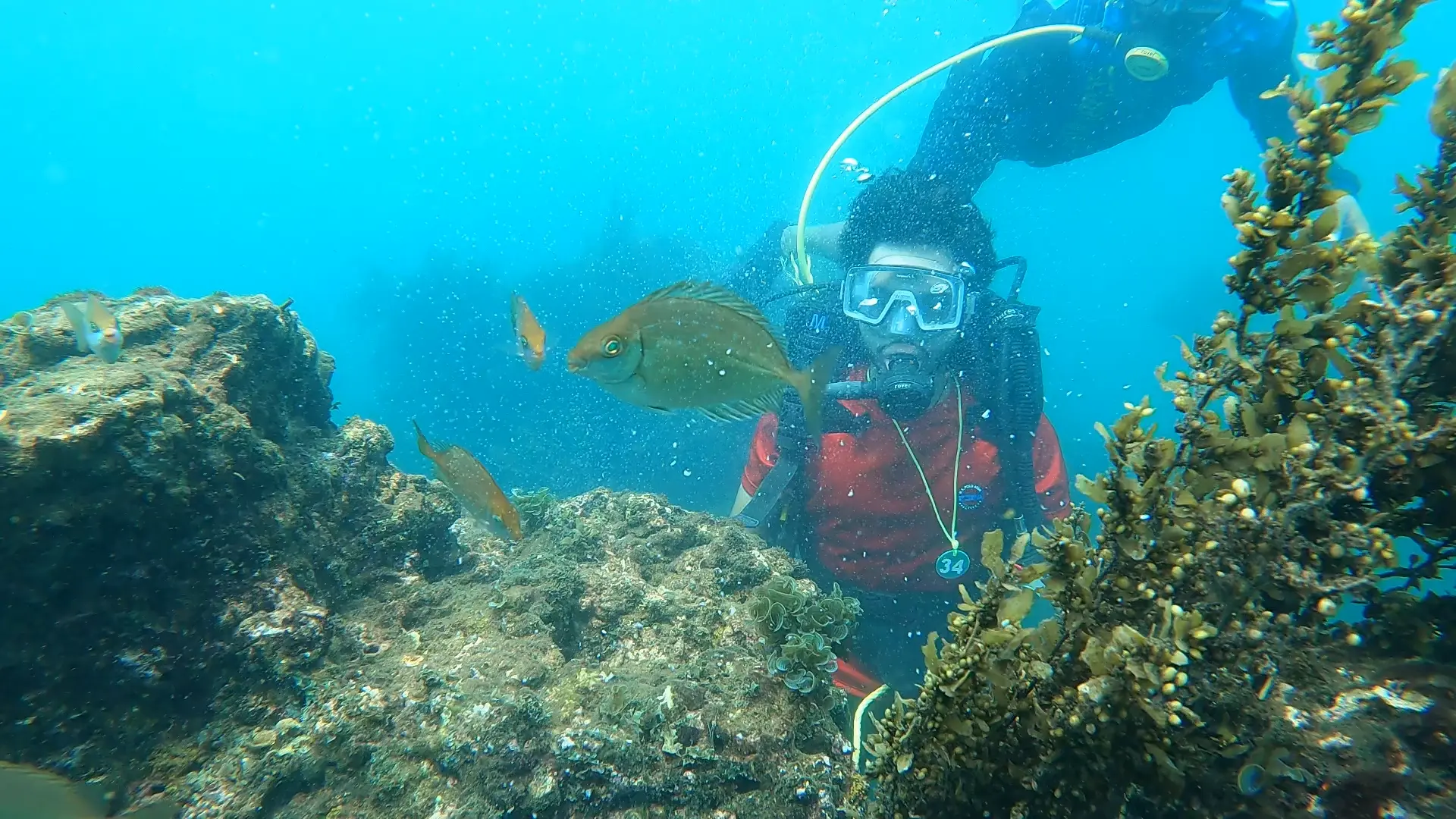
Scuba diving in Goa is perfect for beginners because most dive sites are shallow, calm, and supervised by certified instructors. Water temperatures stay around 27∘–30∘C, which makes the experience comfortable even if you have never been inside the sea before.
You also get to see corals, reef fish, and sometimes small shipwrecks around islands like Grande Island, making scuba diving in Goa feel like a real underwater adventure instead of just a quick tourist activity. For many travellers, this becomes the highlight of their Goa trip, even more memorable than the nightlife.
Recommended – Best Time to Visit Goa – Ideal Seasons & Travel Tips for 2026
Best Time for Scuba Diving in Goa
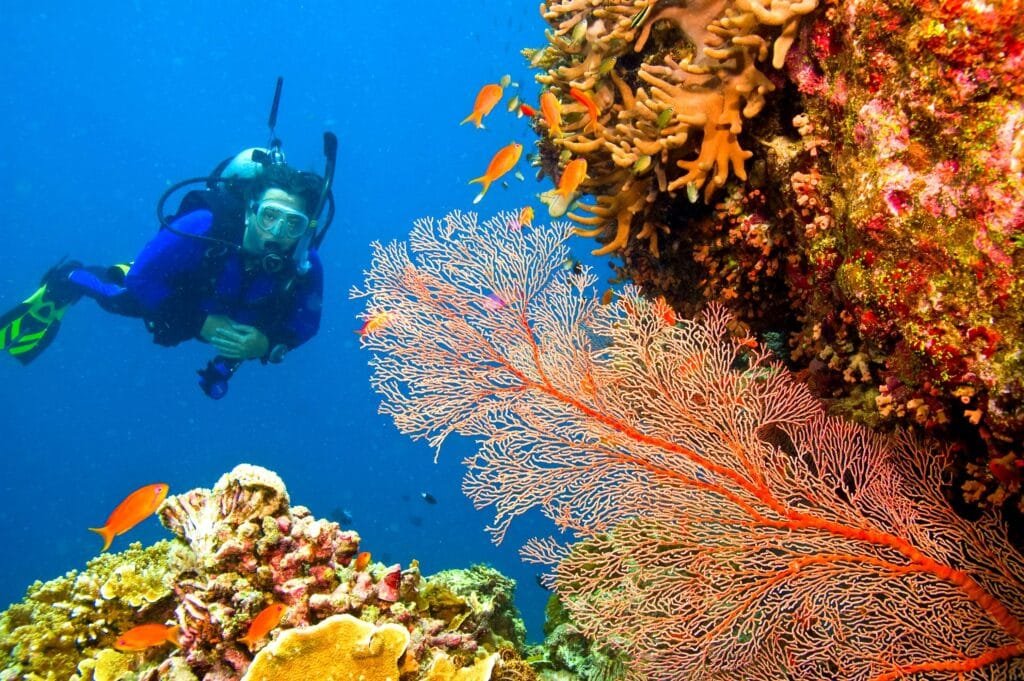
- The main scuba diving season in Goa runs from October to May, when the sea is calmer and visibility is better.
- The monsoon months (June–September) are usually avoided for scuba because of strong currents and poor visibility, and many centres close diving operations during this period.
If you want the best overall experience, plan scuba diving in Goa between November and February, when the weather is pleasant, the humidity is lower, and surface conditions are usually more stable.
Top Places for Scuba Diving in Goa
| Area / Site | What It’s Known For | Typical Depth & Level |
|---|---|---|
| Grande Island | Most popular for beginners; reefs, small wrecks | ~6–15 m, good for first‑timers & courses |
| Calangute / Baga | Beach‑based trips, easy pickup for tourists | Used mainly as pickup points; dives done near offshore sites |
| Suzy’s Wreck | Shallow shipwreck near Grande Island | Around 10–12 m, good for certified & confident beginners |
| Umma Gumma Reef | Coral reef, reef fish, relaxed dives | ~10–15 m, suited to beginners & fun dives |
| Sail Rock | Deeper pinnacle, stronger currents, more advanced site | For experienced divers only, challenging conditions |
Most tourists doing scuba diving in Goa for the first time are taken by boat to Grande Island or nearby reefs because the depths, visibility and conditions there are very beginner‑friendly. Beaches like Calangute, Baga, Candolim and Arpora are usually just pickup points from where shared vehicles or boats leave for the diving spots.
How Much Does Scuba Diving in Goa Cost?
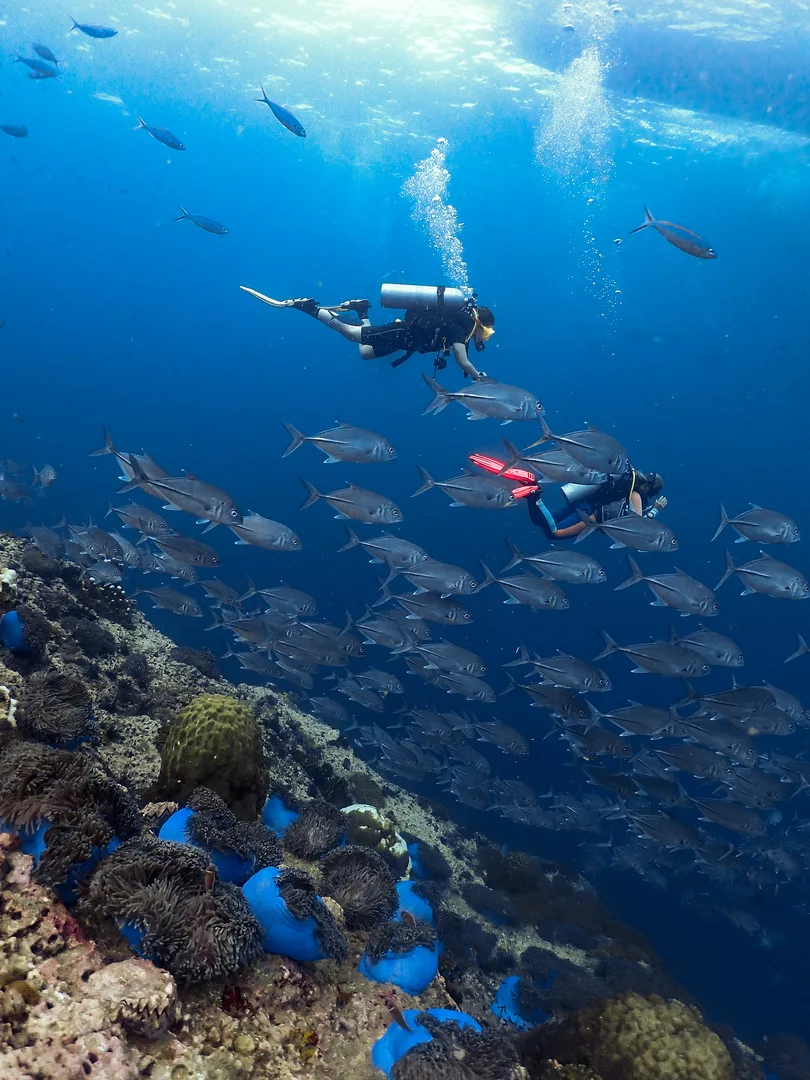
Prices vary depending on whether you are doing a short “fun dive” for tourists or going for a full certification course.
Typical Price Range (Per Person)
| Type of Experience | What It Includes | Approx. Price Range (INR) |
|---|---|---|
| Short tourist “try dive” / introductory dive | Basic training, gear, boat ride, instructor, short underwater session | ~₹1,600–₹3,500 |
| Half‑day / full‑day beginner package | Training, dive, snacks/lunch, pickup/drop (selected areas) | ~₹2,500–₹6,000 |
| Certified fun dive (for already certified divers) | Boat dive, gear, dive guide, sometimes snacks | ~₹5,800+ |
| Certification courses (PADI/SSI Open Water) | Multiple training sessions, pool + open water dives, study material | Starts around ₹18,000–₹30,000+ |
Budget “combo” deals often include scuba diving in Goa plus water sports like parasailing or jet ski at a slightly higher price. Always check what is actually included: some cheap packages save cost by giving very short underwater time or taking too many people in one batch.
Depth, Visibility & Water Conditions
- Most recreational dives for beginners in Goa are in the 6–15 m depth range, and rarely exceed 20 m.
- For very first‑time divers, centres usually keep you in shallow areas around 4–10 m so that you are comfortable and always close to the instructor.
- Average visibility is around 3-10 m, depending on season and exact site; on good days around some reefs it can be clearer.
Who Can Do Scuba Diving in Goa?
- Minimum age for many beginner programs is usually around 10–12 years, following global PADI/SSI guidelines, though some Goa operators mention 11+ for their tours.
- There is no fixed maximum age; older adults can dive as long as they are medically fit and comfortable in the water.
- You will normally fill a medical questionnaire; if you have heart, lung, ear or serious health issues, a doctor’s clearance may be needed.
Many centres also allow non‑swimmers to do a closely supervised try dive in shallow water with an instructor holding them throughout. However, for full certification courses, you must be able to swim and feel comfortable in deep water, because safety skills like floating and basic swimming are part of the training.
Is Scuba Diving in Goa Safe?
With the right operator and honest medical disclosure, scuba diving in Goa is generally safe for beginners.
Good dive centres usually offer:
- Certified PADI/SSI instructors and dive masters, trained to handle first‑timers.
- Proper briefings on hand signals, breathing, mask clearing and what to do if you feel uncomfortable underwater.
- Well‑maintained gear like regulators, BCDs, wetsuits and life jackets on the boat.
Still, safety also depends on you:
- Always share real medical conditions on the form.
- Follow instructions, never hold your breath, and signal immediately if you feel uneasy or want to go up.
- Avoid heavy alcohol the night before and stay hydrated before your dive.
How a Typical Dive Day Looks
1. Pickup from North Goa areas
Many operators pick you up from popular zones like Calangute, Baga, Candolim, Arpora or nearby hotels in the morning.
2. Boat ride to the dive site
From the jetty, you take a shared boat towards Grande Island or similar offshore sites, which usually takes around 30–60 minutes depending on the starting point.
3. Training in shallow water
Before the real dive, instructors teach you basic skills like breathing through the regulator, clearing water from the mask and equalising ear pressure, often in shallow water near the site.
4. Actual underwater dive
You enter the water with full equipment, holding onto a rope or the instructor, and slowly descend to a safe depth, usually within 4–12 m for first‑timers. The instructor stays very close, often holding your tank or BCD, so you are never alone.
5. Return and drop‑off
After everyone finishes their dive, the group returns by boat, has basic snacks or lunch (depending on package), and then you are dropped back to your pickup point.
What You Can See Underwater
Do not expect Maldives‑level visibility, but scuba diving in Goa still offers a lot of charm and surprise.
Around sites like Grande Island, Suzy’s Wreck and nearby reefs, you may see:
- Colourful reef fish, small schools and sometimes groupers or snappers.
- Soft corals, rocks covered with marine growth and an old wreck structure at shallow depth.
- Occasionally, more exciting species passing by, depending on season and luck.
Because the depths are not extreme and the sites are fairly protected, you get enough time to relax, breathe slowly and really take in the feeling of floating underwater.
How to Choose a Good Dive Operator in Goa
Picking the right centre is more important than saving a few hundred rupees.
Look for:
- Recognised training agencies like PADI or SSI shown on their website or shop.
- Small group sizes, especially for first‑time divers, so the instructor can give you personal attention.
- Clear information about what is included in the price (duration underwater, photos/videos, food, pickup area).
Avoid operators who:
- Skip safety briefings or rush you into the water.
- Ignore your medical form or do not ask any health questions.
- Promise unrealistically long underwater time at very low prices, which may mean crowded batches and poor supervision.
Essential Tips Before You Go
- Book for early in your trip, not on the last day, in case weather forces rescheduling.
- Eat a light breakfast, avoid oily or heavy food before the boat ride to reduce the chance of seasickness.
- Carry a towel, extra clothes, sunscreen, and water bottle, as you may be out from morning till late afternoon.
- If you use spectacles, ask about prescription masks or wear contact lenses; do not dive with your normal glasses.
- Tell the instructor if you feel anxious; they can go slower, stay closer and even adjust the depth for you.
FAQs
Q. Can non‑swimmers do scuba diving in Goa?
A. Yes, many centres offer beginner “try dives” in controlled conditions for non‑swimmers, where an instructor stays with you throughout and controls your buoyancy. However, for proper certification like Open Water, you must be able to swim and float comfortably.
Q. Is scuba diving in Goa worth it if I have done Andaman or abroad?
A. Goa has lower visibility than some famous diving destinations, but it is still enjoyable for relaxed reef and wreck dives, especially if you are already in Goa for a holiday and want an easy one‑day dive plan.
Q. How long do we actually stay underwater?
A. For tourist‑style beginner dives, actual underwater time is often around 15–25 minutes, depending on your air consumption, comfort and package type. Certified divers on fun dives may get longer bottom times as they manage their own air under supervision.
Q. What should I not do before a dive?
A. Avoid drinking alcohol or staying up very late the night before, and do not eat a very heavy meal just before the boat ride. Also, if you feel unwell (cold, chest congestion, ear pain), inform the operator and consider rescheduling.
Is Scuba Diving in Goa for You?
If you have ever looked at the sea in Goa and wondered what lies beneath, scuba diving in Goa is your chance to find out in a safe and beginner‑friendly way.
Plan your dive between October and May, choose a reputed centre around Grande Island or similar sites, and listen closely to your instructor so that your first scuba diving in Goa experience becomes a memory you will talk about for years.