
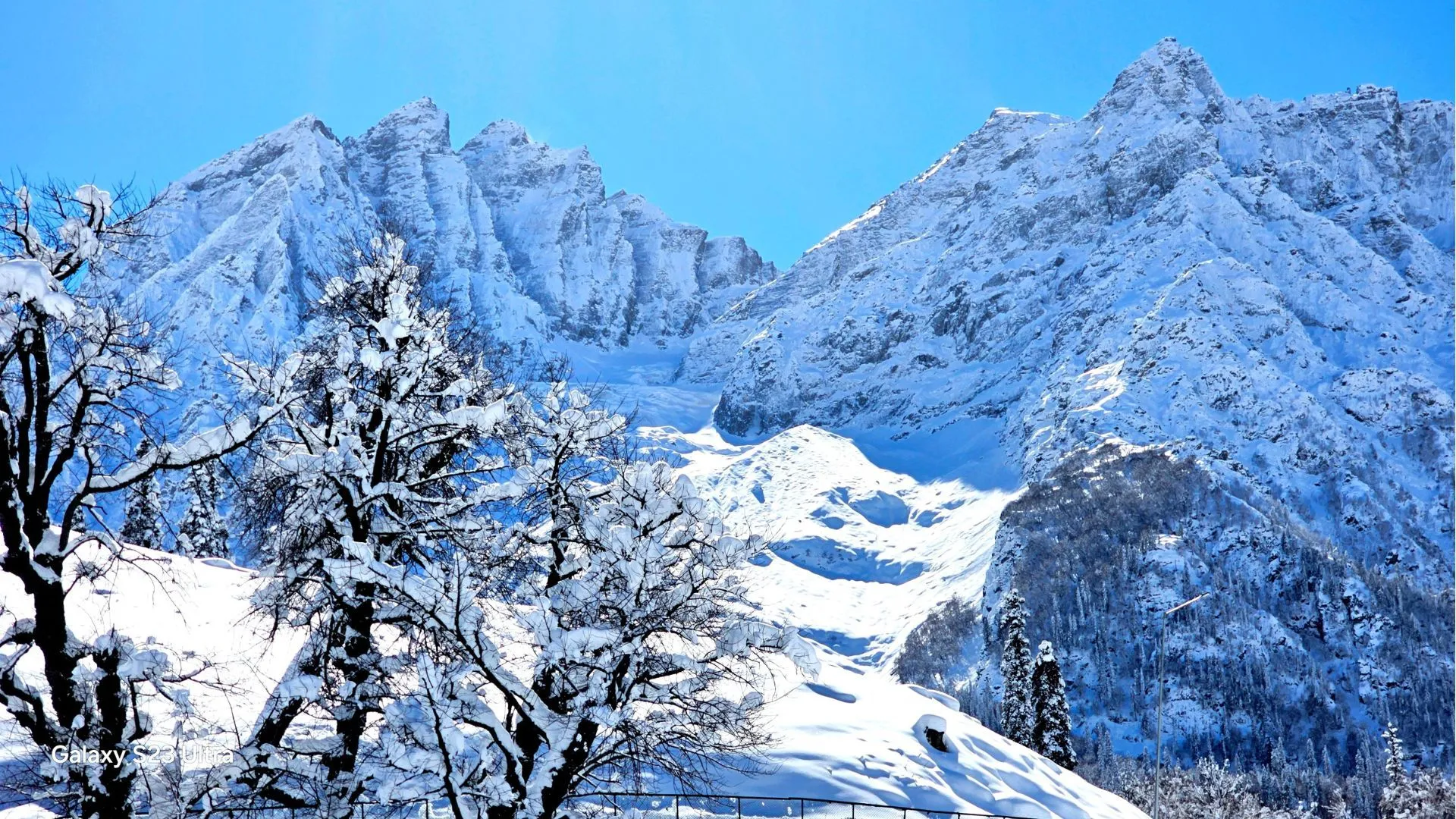
Offbeat Kashmir travel guide takes you far from crowded Dal Lake shikaras and Gulmarg gondolas. Real Kashmir live in quiet valleys where daily life still rules the land. Fishermen cast nets at dawn on hidden lakes like Manasbal. Shepherds guide flocks along old trails in meadows. Village kitchens serve simple hot organ josh, or lotus stem curry made fresh. And elders share untold stories of ancient Dard tribes or mountain spirits around evening fires.
This is not a checklist of spots. It is a way to see Kashmir through local eyes. Places connect with people, food, and legends that shape them.
Journeys often start near calmer lakes. Then move to green valleys like Lolab or Bangus (vast meadows feel like an endless green carpet). Next come the high meadows of Doodhpathri or Yusmarg, where Gujjar shepherds camp in summer. Cross passes to remote spots like Gurez. Their wooden houses sit by the rushing Kishanganga river. Villages there keep old ways alive. Stories are passed down through generations.
Food here is simple but full of flavour. Try gustaba meatballs in yoghurt sauce or the handmade bread with noon chai. Best eaten in someone’s home.
Offbeat paths show Kashmir beyond tourist trails. Local experiences in Kashmir stay with you long after. Like quiet morning mist on a shepherd trail.
Read More– 25 Best Places to Visit in Winter in India 2025-26
Srinagar Beyond Dal Lake — Hidden Shikara Routes & Riverbank Lives
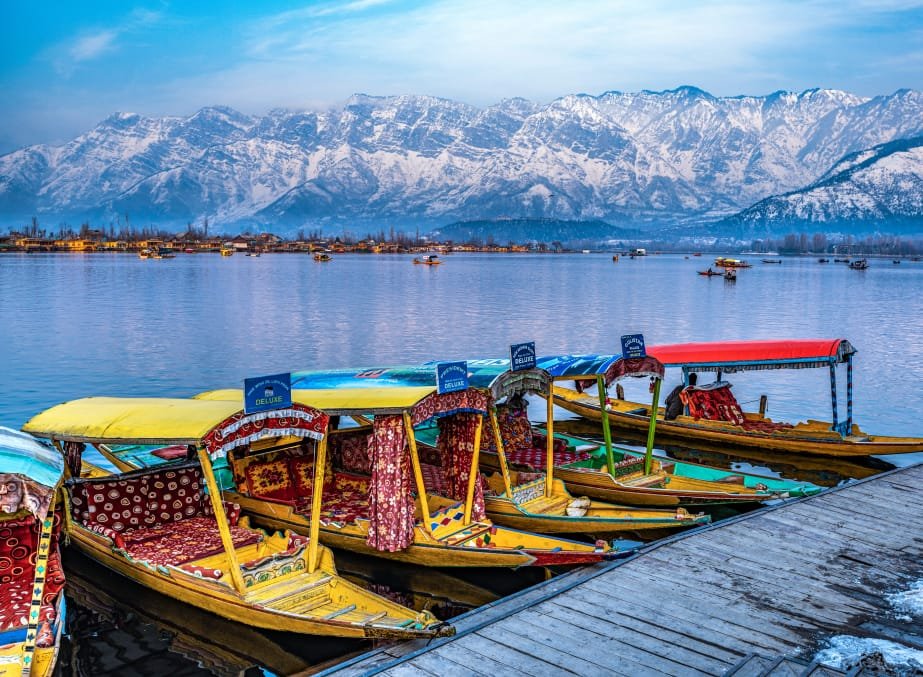
Srinagar, beyond Dal Lake, offers real offbeat Srinagar experiences. Many visitors stay on the main lake with crowded shikaras, but the hidden Dal Lake routes show the true local life.
These quiet channels go deep into backwaters. Early morning is the best time – you see fishermen throw nets, women row small boats to floating gardens, and kids play on riverbanks like a normal neighbourhood.
What makes these routes different:
- No big tourist groups. Only a few shikaras move slowly.
- Pass real houseboats where families live all year.
- Stop at vegetable gardens that float on water (a very unique Kashmir thing).
- Hear daily sounds – prayer calls mix with water splash and bird noise.
This feels like a gateway to understand Kashmir people before going further. Hidden shikara routes give a calm view away from shops and noise. Morning light makes everything look soft and real.
Gulmarg’s Forgotten Alpine Trails — Meadows, Shepherd Routes & Seasonal Life

Offbeat Gulmarg trails take you away from the busy ski resort and gondola crowds. Most people know Gulmarg for winter snow sports. But the real quiet beauty hides in the high alpine meadows of Kashmir, where old shepherd routes go up to summer grazing spots.
These paths follow the Gujjar and Bakarwal families. Every summer they move up with sheep and goats, and live in stone huts called dhoks. Meadows turn green and full of wildflowers, like a soft carpet under big peaks. Trails pass pine forests, then open to wide plateaus, good for foraging herbs or just sitting quietly.
- Landscape: Rolling green meadows, small streams, snow views far away (feels like an endless open field).
- People: Shepherds with old knowledge of the land share stories if you talk slowly.
- Timing: Best June to September, when the grass is rich, and paths are clear.
This seasonal life keeps the area real, not too touristy. It’s worth walking slowly and seeing.
Pahalgam’s Lidder River — Local Fishing Traditions & Forest Campfires
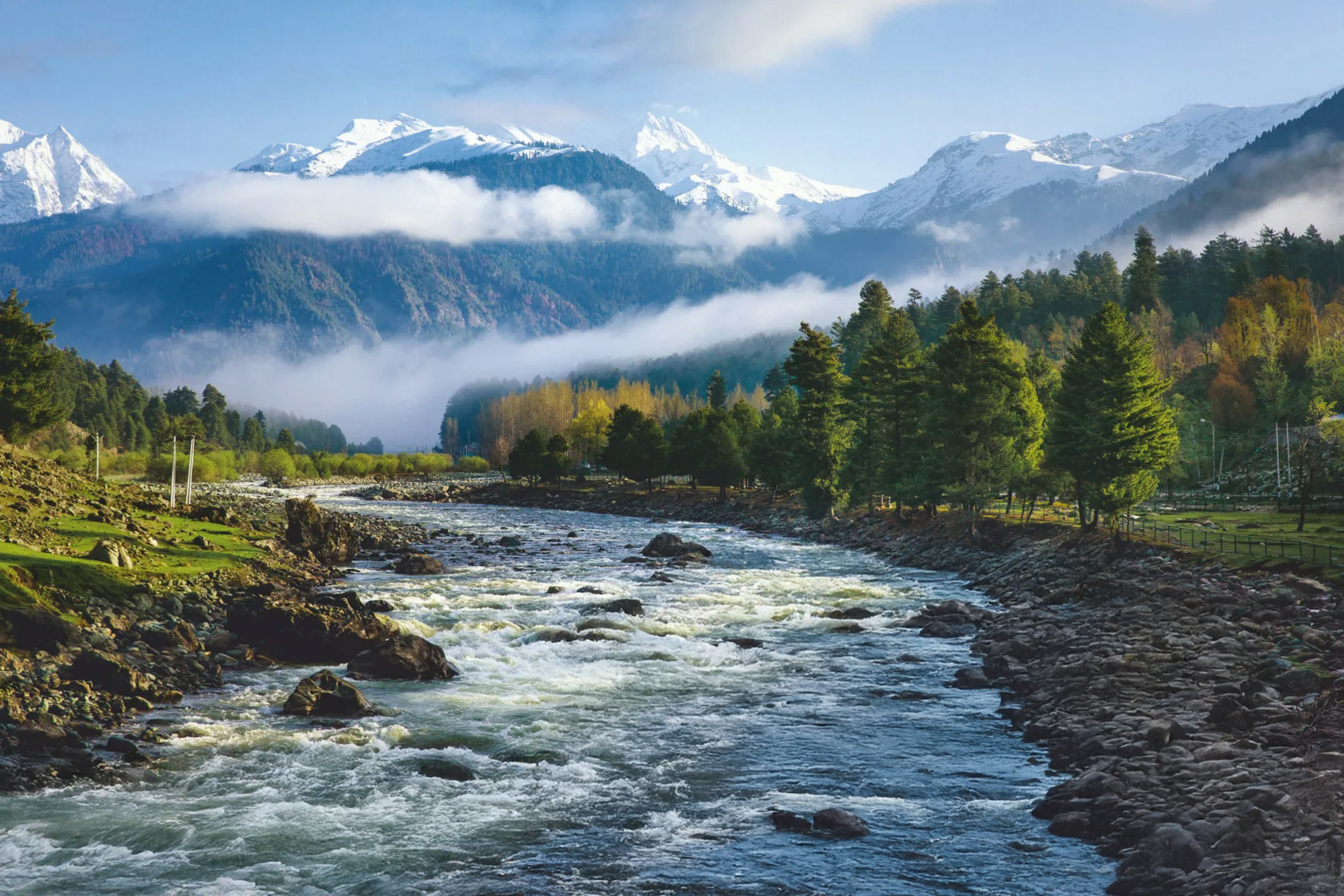
Lidder River local experiences in Pahalgam go beyond sightseeing. This river is a working one for locals. Not just pretty water for photos.
Pahalgam, beyond sightseeing, means you join real life here. Locals fish for trout every day. Fly-fishing happens quite often along the banks. They catch brown or rainbow trout, then cook fresh on riverside stones. Simple meals taste best there, like home food by cold water.
Forest-edge camping feels special, too. Night comes, and people set small tents near pine trees. Campfires start crackling. Locals share old stories around the fire—tales of shepherds, mountains, river spirits (these stories pass down generations). Stars shine bright. River sounds keep you calm.
- Trout fishing with local anglers (need permit, but easy).
- Riverside cooking of fresh catch.
- Evening campfires and storytelling sessions.
These Lidder River local experiences show true Pahalgam. Slow and real.
Sonmarg to Zero Point — Glacier Myths, Nomad Camps & Mountain Hospitality
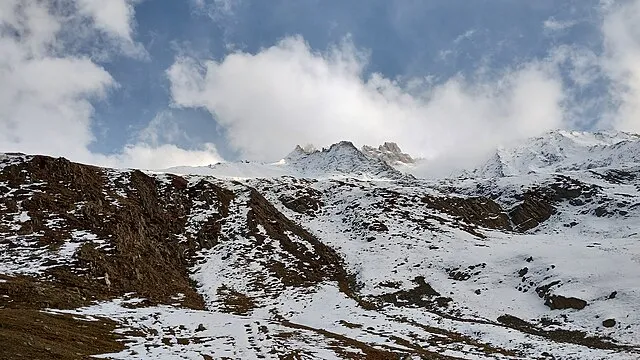
Sonmarg offbeat travel takes you to Zero Point, not just a road end but a real cultural threshold in the mountains. Here, snow stays most years, and glacier myths come alive through local stories.
People talk about hidden ice caves where ancient spirits live. One old tale says a shepherd once found a glowing lake under the glacier that grants wishes—but only to pure hearts. (I heard this from a local guide last summer, still gives chills.)
Nomads move up here in summer with their herds. They set up camps, where sheep and goats graze on high meadows. Life is simple, tough, but free.
Hospitality is different. Enter a tent, and they offer salty butter tea right away. Sit on the carpet, listen to songs about old journeys. No rush, just shared warmth against the cold wind.
Zero Point local stories stay with you long after. This place teaches about mountain life, not just views.
Yusmarg’s Wild Meadows — Pony Trails, Saffron Fields & Village Feasts

Yusmarg’s offbeat experiences feel like slow Kashmir. No rush of cars here. Just ponies carry you across wild meadows. Village life in Kashmir stays simple and real.
You ride pony trails slowly, through green fields that look like big soft carpet. Pines stand tall around. River Doodhganga flows milky white nearby. Locals live quietly, with sheep and old wooden houses.
Food comes from family tables. They share wazwan meats, fresh bread, and kahwa tea hot with spices (saffron adds that warm colour sometimes). We eat together and tell stories of the old days. Food keeps cultural memories alive, like grandma’s recipes passed down.
Now what you see most:
- Food: Home meals with rogan josh, gustaba, and warm naan chai. Simple feast after walking.
- Fields: Wide meadows full of flowers in summer. Pony takes you deep.
- Forests: Thick pine walks. Birds sing loudly. The air is clean and cool.
Yusmarg gives peace. Good for offbeat travellers who want a real Kashmir touch. (About 47 km from Srinagar.)
Gurez Valley — Dawn Rituals, Dard-Shina Homes & Borderland Stories
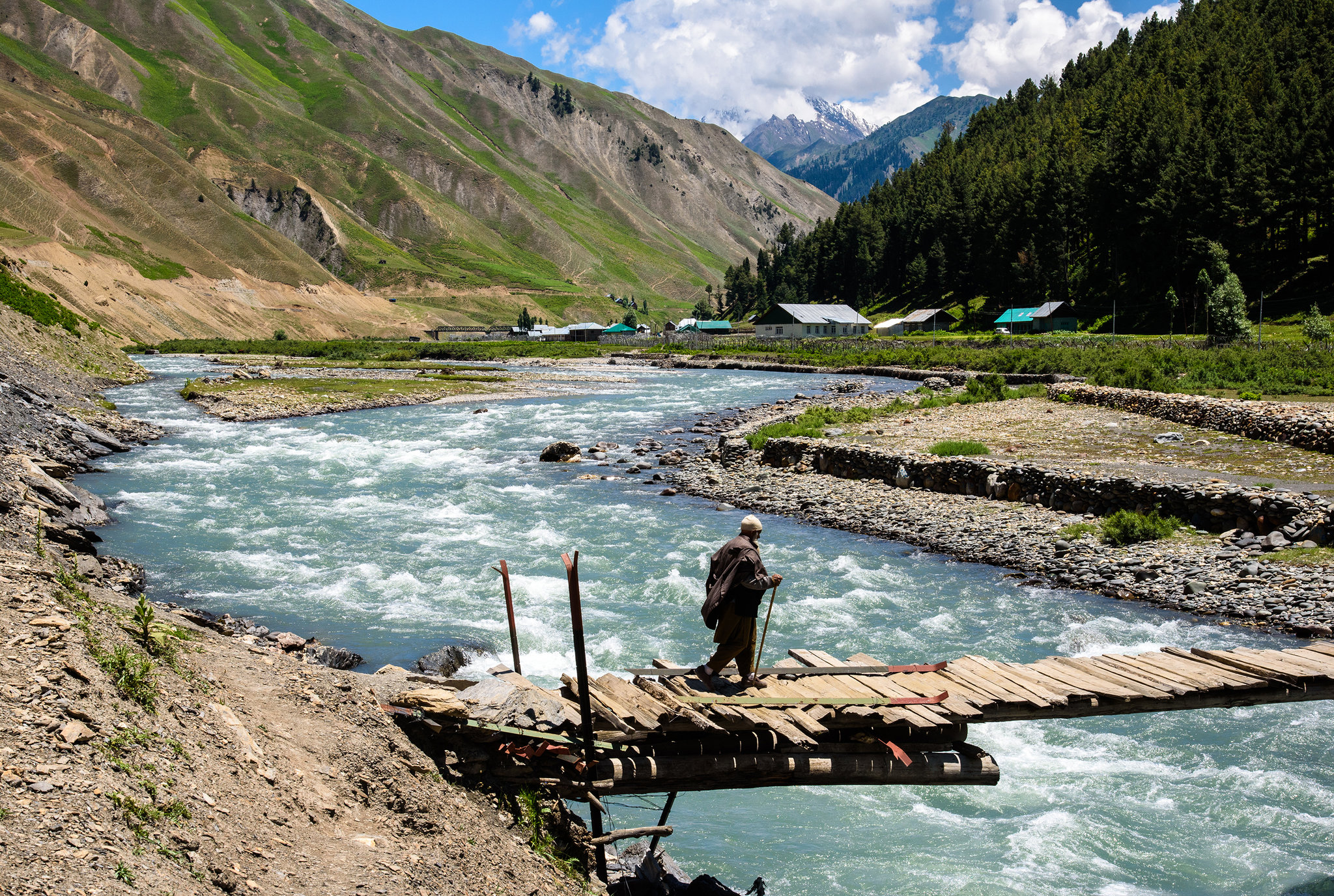
Gurez Valley’s local culture surprises many visitors who expect only scenic Kashmir. Here, it is more about Dard-Shina community life and borderland stories.
People wake early for dawn rituals. Men go to mosques for prayer, women start fires in wooden homes, and prepare morning tea. Everything is quiet, only the sound of the river and birds.
The Dard-Shina homes are built from thick wood logs, like small forts against cold winters. Roof flat, walls strong. Inside, rooms are warm with handmade carpets.
Small things show their culture is still strong:
- Architecture: old wooden houses, some over a hundred years old, pass from family to family.
- Language: they speak Shina, teach children at home, and keep stories alive.
- Daily rhythm: morning prayer, tend animals, then share bread and salt tea. Life is simple but full of meaning.
Gurez feels like the cultural Kashmir. The border is closed, yet people keep traditions with quiet pride. (Visit in summer when roads open.)
Read More– Top 9 Arunachal Pradesh Hidden Gems: From Ziro Valley to Tawang and Beyond
Chatpal & South Kashmir — Deodar Forests, Orchards & Quiet Evenings
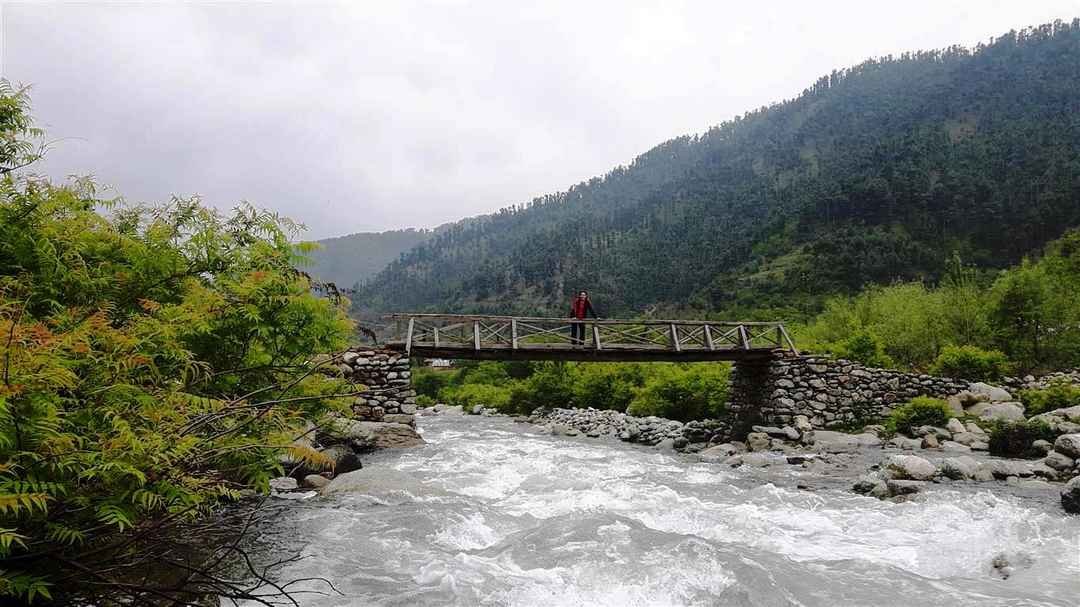
Chatpal Kashmir sits in unexplored South Kashmir. This place feels like a forest, the first part of a valley. Thick deodar trees everywhere. Apple orchards are full of the smell. And quiet evenings come with clear stars above.
No big crowds here. Infrastructure stays minimal. A few wooden cottages for a stay. Streams run clear and fast. Meadows green and open.
This spot works perfectly for real disconnection. Like hiding away in tall pines.
- Thick deodar forests block noise. The air smells like fresh pine.
- Apple and walnut orchards line paths. Walk slowly and pick fresh if locals allow (they often share tea too).
- Village life is simple. Locals are friendly. Gujjar homes dot the area.
- Evenings are quiet. No lights much. So stargazing comes easily and brightly.
- Short walks or treks through woods feel peaceful.
Chatpal in South Kashmir gives that deep calm. Nature is close. No rush. Just silence and green.
Bangus Valley — Nomad Trails, Wild Meadows & Herbal Knowledge
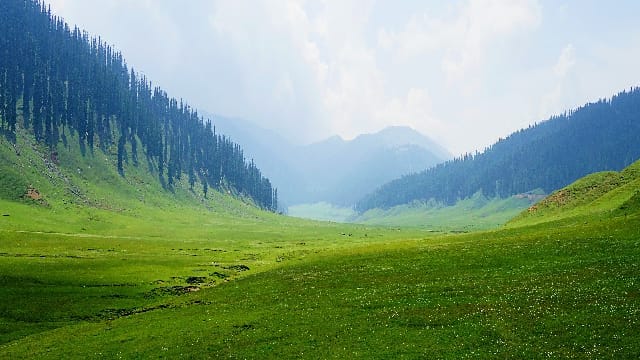
Bangus Valley nomads live simply in offbeat meadows in Kashmir. This place stays quiet and real, with wide green fields and old paths they follow every season. Gujjar and Bakarwal people move with sheep and goats here, like clockwork in summer. Few people come, so nature keeps its strong footprint small.
Wild animals share space easily – brown bears, musk deer, and sometimes snow leopards pass through forests and plains. Birds fly free, too. Everything coexists calmly, no big disturbance.
Now look at the main parts:
- Nomad trails: Old routes through pine woods and streams. Nomads use them for grazing, the same year after year. Feel like quiet highways for herds.
- Wild meadows: Bod Bangus big one, Lokut smaller. Soft grass covers the ground, and flowers bloom everywhere. Like a huge natural carpet.
- Herbal knowledge: Plenty of medicinal plants grow wild (locals know best uses). They pick old treatments, pass secrets down.
Bangus Valley nomad trails show the real side of Kashmir meadows. Good for slow walks and watching nature work.
Lolab Valley — Love Legends, Walnut Groves & Satbern Cave Echoes
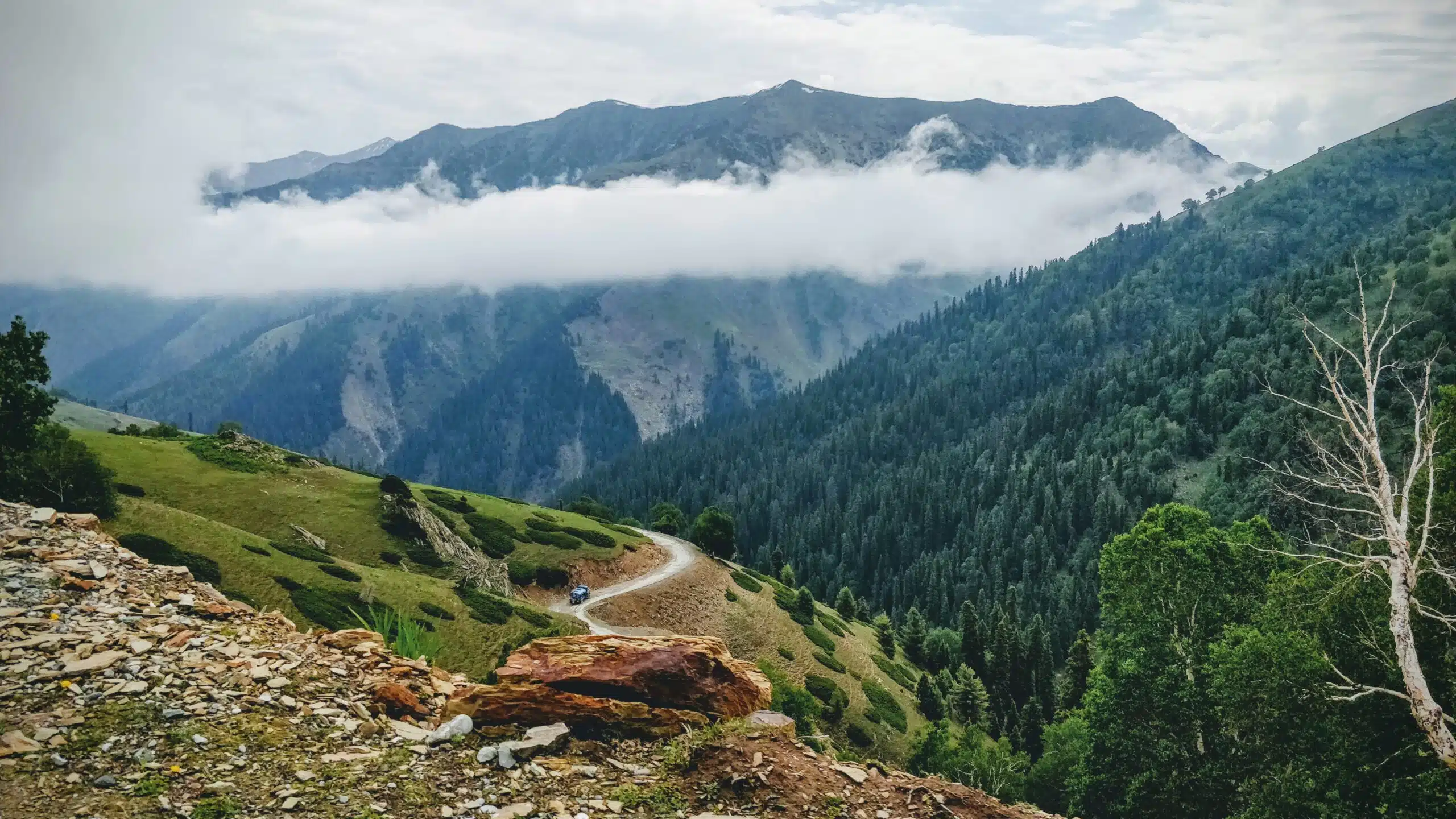
Lolab Valley’s hidden gems stay quiet in north Kashmir. This place feels like a land of love and beauty, full of walnut groves and old stories.
Walk here, and you see thick walnut orchards everywhere. Trees heavy with nuts, like green blankets over villages. Seasons change colours – green summer, gold autumn leaves, fresh spring blooms. Rivers run clear, and meadows stay peaceful.
Then came the Satbern caves in the Kalaroos area. Seven door-like openings on a big rock. Locals say these lead to deep tunnels, maybe old meditation spots or secret paths far away (folklore talk of a Russia link). Echoes inside feel mysterious, like whispers from history.
- Legend: Love tales and saint visits make the valley romantic. Poets call it wadi-e-lolab for that soft feel.
- Land: Fruit bowl of Kashmir – walnuts, apples, and peaches grow easily here.
- Legacy: Caves hold ancient quiet, maybe Buddhist past or Pandava stories.
This valley gives real calm away from crowds. Worth slow exploring.
Sinthan Top & High Passes — Shepherd Routes & High-Altitude Memory
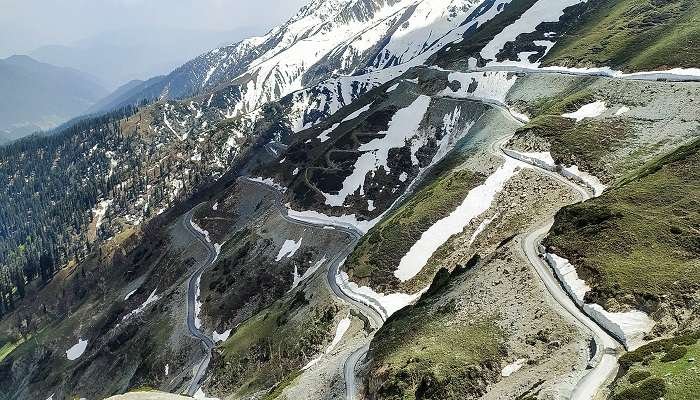
Sinthan Top offbeat travel in high mountain passes, Kashmir feels different from usual spots. This place is not just a viewpoint. It is a real passage over the Pir Panjal range, connecting the Kashmir valley to the Kishtwar side. Shepherds have used it for a long time to move flocks from summer to winter. Trails full of old footsteps.
Now the weather shapes everything here. Snow closes roads for many months, then opens suddenly in summer. Meadows turn green quickly, like an old memory. You hear grazing echoes – sheep bells, nomad tents, temporary homes (Gujjar and Bakarwal people still come).
High passes matter culturally because:
- Link people across mountains, carry trade and stories of the old days.
- To keep nomadic life alive, shepherds follow the same routes for generations.
- Hold weather memories, remind yourself how nature controls travel and living here.
This makes Sinthan Top alive, not an empty view. Go quiet, feel that.
Eating Kashmir the Local Way — Wazwan Homes, Kahwa & Seasonal Kitchens
Authentic Kashmiri food experiences come alive in homes, not big restaurants. Local Wazwan feel like family closeness. People share big plates of slow-cooked meat dishes. It tastes rich and warm, like a hug from inside.
The Kahwa ritual happens every day. Green tea boils with saffron, cinnamon, cardamom and almonds. Locals sip it slowly after meals or on cold evenings. Saffron milk warms up nights, too (simple hot milk with local saffron threads).
Seasonal kitchens change with valley weather.
- Harissa – thick mutton porridge slow-cooked overnight. Locals eat in deep winter mornings for warmth.
- Haak greens or nadru (lotus stem) – fresh veggies in light yoghurt gravy. Common in summer homes.
- Orchard fruits like apples, cherries, walnuts – fresh pick and eat in autumn. Or dry them for winter snacks.
- Modur pulao – sweet rice with ghee and dry fruits. Make for small family celebrations.
This way of eating keeps things real and close to the Kashmir heart.
Read More– 10 Famous Indian Foods You Must Try at Least Once in Your Life
Staying, Moving & Respecting Kashmir — A Local-First Travel Framework
Responsible travel in Kashmir starts with local-first choices. Stay in local homestays Kashmir way. It helps families direct and give a real feel, like eating home wazwan or chatting over kahwa.
| Topic | Local Reality | Traveler Action |
| Staying | Hotels are big, but homestays support locals more. | Pick family-run homestays in villages or Srinagar edges. |
| Moving Around | Roads are good in main spots, and security checks are normal. | Use registered taxis or drivers. Stick to tourist routes. |
| Permits | Main areas open free for Indians. Some border spots need permits. | Check for Gurez or far places. No need for Srinagar, Gulmarg, or Pahalgam. |
| SIM & Connect | Prepaid from outside does not work. Only postpaid or local prepaid. | Get Airtel or BSNL postpaid before coming, or buy local in Srinagar (easy with ID). |
| Safety | Tourist zones are safe now, with heavy police watch. | Stay in popular areas. Avoid night travel alone. Follow the news quickly. |
| Best Timing | The weather is best from spring to autumn. | Come March-October for green valleys. Winter is in love. |
Etiquette is simple but matters much:
- Dress modestly, cover shoulders and knees, especially near mosques.
- Greet with “Assalamu Alaikum” and smile back.
- Remove shoes inside homes or holy places.
- Ask permission before taking photos of people.
- Bargain politely, not hard.
This way of travelling respects Kashmir’s beauty and people. (One tip: homestays are often best in Pahalgam or rural spots.)
Final Thought — Why Kashmir Makes Sense Only When Seen Through Local Eyes
Authentic Kashmir travel shows its real face slowly. Not from big landmarks or quick photos. But through local eyes. People here share daily routines, old stories, and simple tea moments. These open the place like a hidden door. Offbeat Kashmir guides always point to this—listen more than look. Kashmir beauty is pretty on surface, but hearts come from families, their laughs and quiet talks (like old friends you just meet). So move from just sightseeing. Start listening. That way, the trip stays in mind for a long time. And feel true.