
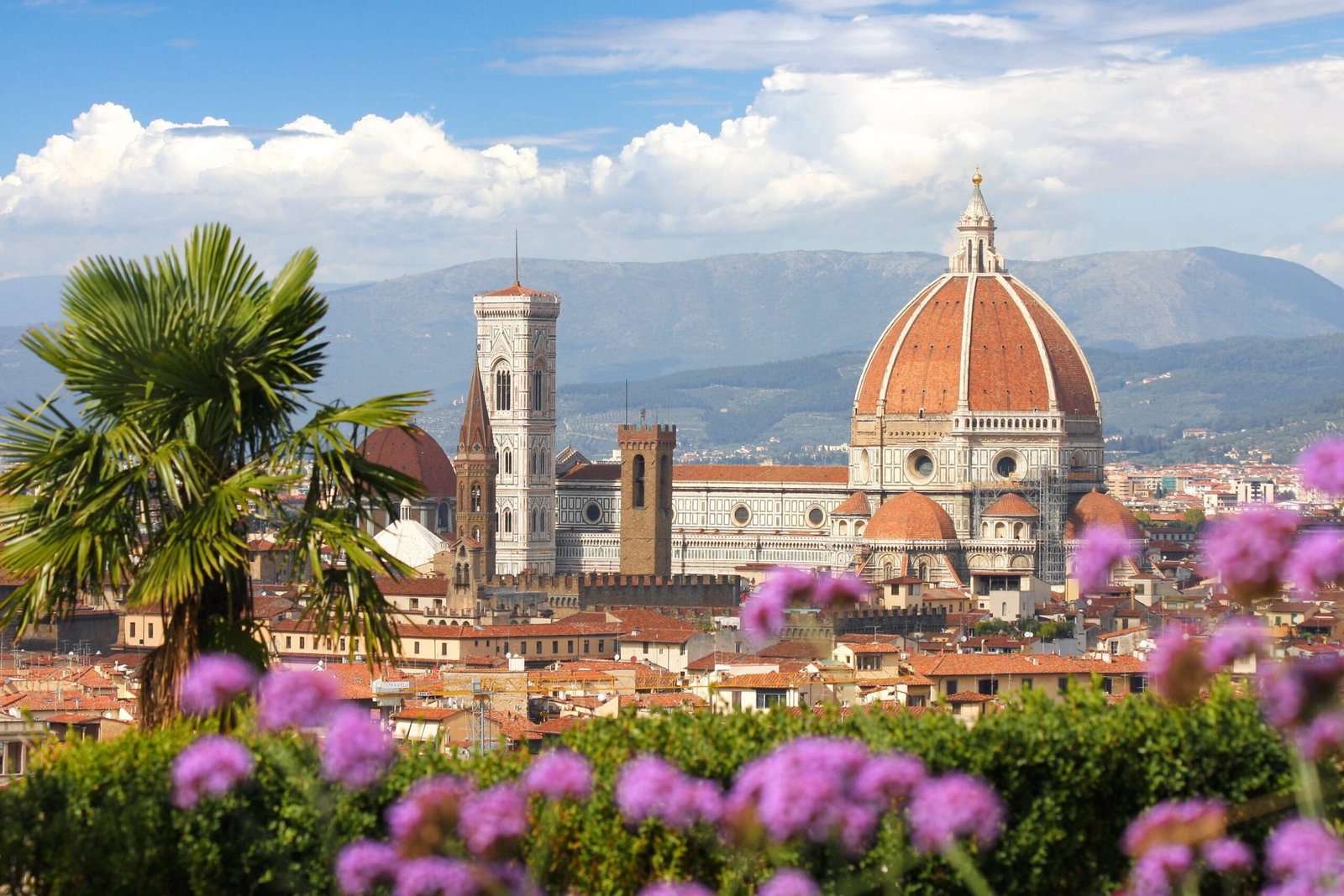
Italy is one of the most captivating travel destinations in the world—a country where ancient history, breathtaking landscapes, world-class art, exquisite cuisine, and vibrant culture come together seamlessly. From the romantic canals of Venice to the timeless ruins of Rome, the rolling vineyards of Tuscany, and the dramatic cliffs of the Amalfi Coast, Italy offers an experience that lingers long after your trip ends. Spread across 301,340 square kilometres, Italy is not only the eighth-largest country in the world but also home to more UNESCO World Heritage Sites than any other nation—making it a paradise for history and culture lovers.
Choosing the best time to visit Italy plays a crucial role in shaping your travel experience. For most travelers, the ideal months are April–June and September–October, when the weather is pleasant, crowds are manageable, and prices are reasonable. These shoulder seasons are widely considered the best time to visit Italy for sightseeing, wine tours, and outdoor adventures.
Summer (July–August) is lively but crowded and expensive, while winter (November–February) is quieter and perfect for exploring museums, Christmas markets, and ski resorts in the Alps. Ultimately, the best time to visit Italy depends on your travel goals—whether you seek festivals, beaches, food, or cultural immersion. No matter when you go, Italy promises a magical journey that feels both timeless and unforgettable.
Some links in this article are affiliate links. If you book through them, it won’t cost anything extra, but it helps support this site and keep the content coming — thank you for the love! 💙
When (and Why) You Should Plan Your Italy Trip?
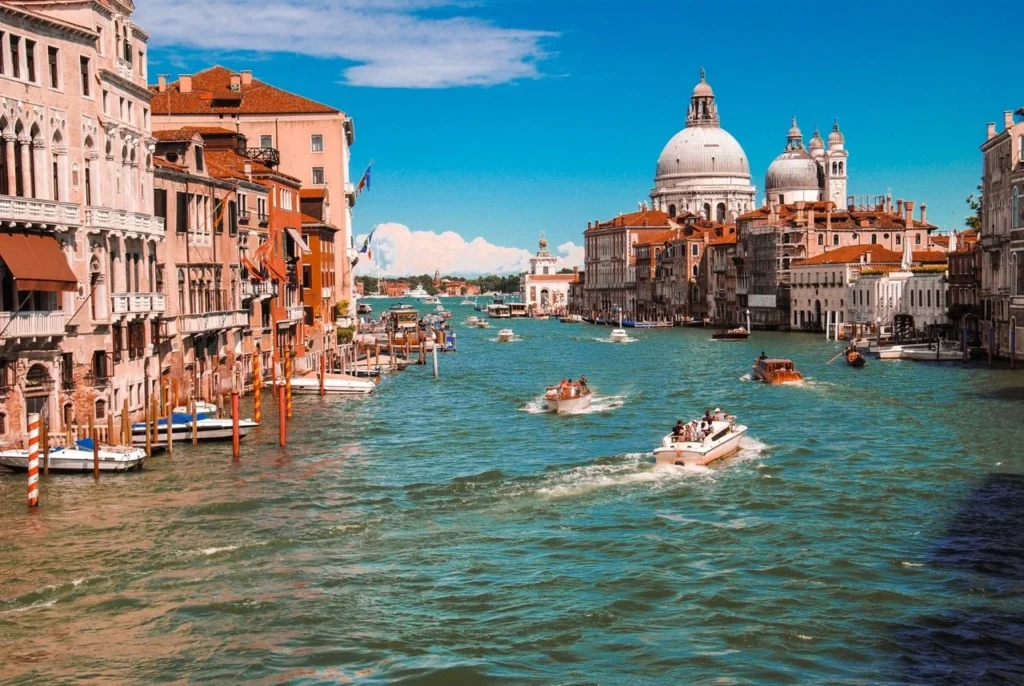
Let’s be honest—Italy isn’t just a destination, it’s a feeling. There’s a reason over 62 million people visit every year. Stunning architecture, world-class art, mouth-watering food, romantic streets, sun-kissed coastlines, and mountains that look straight out of a postcard—Italy really has it all. Whether you’re a history buff, a foodie, a beach lover, or an adventure seeker, this country welcomes you with open arms.
From the artistic streets of Florence, the ancient ruins of Rome, the lively charm of Naples, the dreamy canals of Venice, to the spiritual beauty of the Vatican, every city tells a story. Thanks to legendary artists like Michelangelo, Bernini, and Brunelleschi, Italy feels like an open-air museum wherever you go. Add to that scenic vineyards, dramatic cliffs, sandy beaches, and rolling countryside—and you’ve got a destination that suits every kind of traveler.
You can sip wine in Tuscany, glide through Venice on a gondola, hike along the Amalfi Coast, celebrate vibrant festivals, or simply enjoy gelato while people-watching in a piazza. But here’s the thing—your experience depends heavily on when you visit. That’s why choosing the best time to visit Italy is just as important as choosing what to see.
Generally speaking:
- Peak Season: Mid-May to July – lively, warm, and crowded
- Shoulder Season: March to mid-May & October–November – balanced, pleasant, and great value
- Off Season: December to February – quieter, colder, but magical (especially for Christmas markets)
If you want fewer crowds, lovely weather, and reasonable prices, many travelers consider spring and early autumn the best time to visit Italy.
| Season | Months | Min / Max Temp | What It Feels Like | Best For |
|---|---|---|---|---|
| Spring | Mar–May | 5°C – 25°C | Fresh, floral, and breezy | Sightseeing, road trips, wine tours |
| Summer | Jun–Aug | 18°C – 38°C | Hot, sunny, and humid | Beaches, islands, festivals |
| Autumn | Sep–Nov | 8°C – 28°C | Mild, golden, sometimes rainy | Food tours, countryside, photography |
| Winter | Dec–Feb | -5°C – 15°C | Cold in the north, mild in the south | Museums, Christmas markets, skiing |
Quick tip: Northern Italy (Milan, Venice, Dolomites) is colder in winter, while Southern Italy (Sicily, Naples, Amalfi) stays relatively mild.
Italy in Spring (March – May): A Fresh Start to Your Italian Adventure
If you’re wondering about the best time to visit Italy, spring might just steal your heart. From March to May, the country slowly wakes up from winter, painting its landscapes with blooming flowers, vibrant greenery, and clear blue skies—making travel feel light, lively, and refreshing.
Temperature & Weather
Spring temperatures generally range from 5°C to 25°C. March can still feel chilly, especially in northern Italy where late snow isn’t uncommon, while April and May are noticeably warmer and more comfortable for sightseeing. You may encounter occasional showers, but they usually pass quickly—and they make the countryside look even more magical.
Why visit in spring?
This season falls within Italy’s shoulder period, which means fewer crowds and better travel deals—music to every traveller’s ears! Cities like Rome, Florence, and Venice feel more relaxed, while Tuscany’s vineyards and rolling hills look spectacular after the rain. If avoiding peak-season chaos is a priority, many travellers consider this the best time to visit Italy for a calm yet vibrant experience.
Events worth catching
Wine lovers shouldn’t miss VinItaly in Verona in mid-April—the world’s largest wine exhibition. It’s a fantastic blend of food, culture, and Italian joie de vivre.
Good to know before you go
Beaches may still be closed in March, but they open up as the season progresses. Most historic sites close around dusk, so plan daytime explorations and save evenings for café hopping or romantic strolls.
Travel tip
On a budget? Spring is your friend. Lower prices, pleasant weather, and beautiful scenery make it one of the best times to visit Italy without stretching your wallet.
So, ready to chase blossoms instead of crowds?
Italy in Summer (June – August): Sun, Sea and Celebrations
If beaches, festivals, and long golden evenings sound like your kind of trip, summer might feel like the best time to visit Italy—at least for sun lovers. From June to August, Italy buzzes with energy, music, and celebration, even if the temperatures climb high.
Temperature & Weather
Summer temperatures generally range between 18°C and 38°C, but in southern Italy they can occasionally touch 40°C in late July. Days are long, bright, and humid, with only brief spells of rain here and there. In short—expect sunshine, heat, and plenty of gelato breaks!
What’s happening in summer?
Italy truly comes alive in these months. On June 2, the country celebrates Republic Day with grand parades, concerts, and fireworks. July brings iconic events such as Il Palio di Siena, the Feast of Saint Rosalia, and the Ravello Music Festival. You’ll also find lively local celebrations like Festa dei Ranieri, dramatic light shows such as Festa della Madonna della Neve, and thrilling boat races like Palio del Golfo.
Why visit now?
Despite the heat, many travellers still consider summer the best time to visit Italy because of its vibrant festivals, beach life, and Mediterranean charm. This is the season to lounge in Sardinia, Amalfi, Capri, or Rimini, swim in turquoise waters, and enjoy late-night seaside dinners.
Things to know before you go
Heatwaves are common, especially at midday. Plan outdoor sightseeing early in the morning or after sunset, and save afternoons for beaches, museums, or long lunches in shaded piazzas.
Smart travel tip
Summer is peak season—flights, trains, and hotels sell out fast. Book everything well in advance, pack sunscreen, stay hydrated, and embrace the slow, sunny rhythm of Italian life.
So, ready to chase sunsets along the Mediterranean?
Italy in Autumn (September – November): Golden Views, Great Food, and Fewer Crowds
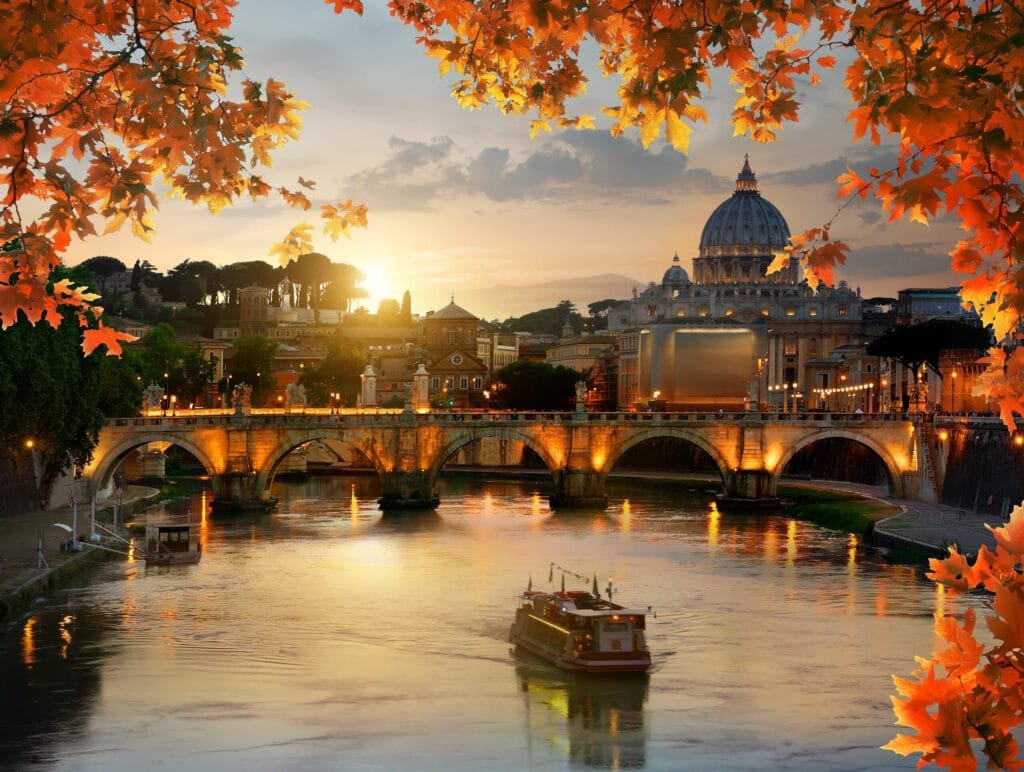
If you love cooler weather, colorful landscapes, and a more relaxed travel vibe, autumn could be the best time to visit Italy for you. From September to November, Italy feels calmer, more intimate, and incredibly scenic—perfect for slow travel, food trails, and cultural experiences.
Temperature & Weather
Autumn temperatures usually range between 8°C and 28°C. September still feels warm and summery, while October brings crisp air and golden hues. By November, temperatures drop further, especially in northern Italy, and light rain becomes more common. The weather can be unpredictable, but that’s part of autumn’s charm—misty mornings, dramatic skies, and stunning fall foliage.
What’s happening in autumn?
Culture lovers will enjoy the Venice Film Festival in September, one of the world’s most prestigious cinema events. You can also witness traditional celebrations like the Regata Storica in Venice and the San Gennaro Festival in Naples.
For food enthusiasts, October is a dream month—festivals like Eurochocolate, Alba White Truffle Fair, and Boccaccesca celebrate Italy’s finest flavours. If you’re a foodie, this might truly be the best time to visit Italy.
Why visit now?
Autumn is part of Italy’s shoulder season, meaning fewer tourists, better hotel deals, and a more peaceful travel experience. You get a mix of sunshine, mild rain, and cooler days—ideal for sightseeing, countryside drives, and vineyard visits.
Good to know before you go
Pack layers and carry an umbrella, as showers can pop up unexpectedly. This is also a great time to stay in luxury hotels at lower prices.
Travel tip
Last-minute bookings are often easier in autumn, but bring warmer clothes if travelling in October or November—especially in northern regions.
Ready to sip wine under golden vineyards and stroll through historic streets without the crowds?
Italy in Winter (December – February): Snow, Culture, and Cozy Charm
If you love festive vibes, snowy landscapes, and winter sports, then winter might actually be the best time to visit Italy for you. From December to February, Italy transforms into a magical destination—think Christmas markets, fairy-tale villages, and snow-covered Alps.
Temperature & Weather
Winter temperatures typically range between -5°C and 15°C. Northern Italy can get quite cold, with temperatures dipping below zero in January, while central and southern regions remain milder. Snowfall is common in the Alps and parts of the north, making it a dream season for ski lovers. Cities like Rome, Florence, and Venice feel crisp and quiet, offering a more relaxed sightseeing experience.
What’s happening in winter?
Winter in Italy is rich in culture and celebration. You can experience events like the Wild Boar Festival, the Trasimeno Blues Festival, and the iconic Venice Carnival in February, which is the biggest and most colourful festival in the country. The Carnival’s elaborate masks, costumes, and parades make it one of Italy’s most unforgettable experiences.
Why visit now?
If you’re into skiing, snowboarding, or winter hikes, this is easily the best time to visit Italy. The Dolomites, Courmayeur, and Cortina d’Ampezzo offer some of the finest winter sports experiences in Europe. Even if you’re not into skiing, winter is perfect for museum visits, cosy cafés, and scenic train rides.
Good to know before you go
Some local shops may close around Christmas and New Year due to national holidays, so plan your shopping accordingly.
Travel tip
Pack warm layers, sturdy boots, and thermal wear. While enjoying festivals, don’t miss Italy’s historic landmarks—they’re far less crowded in winter!
Ready to sip hot chocolate in a snowy piazza?