

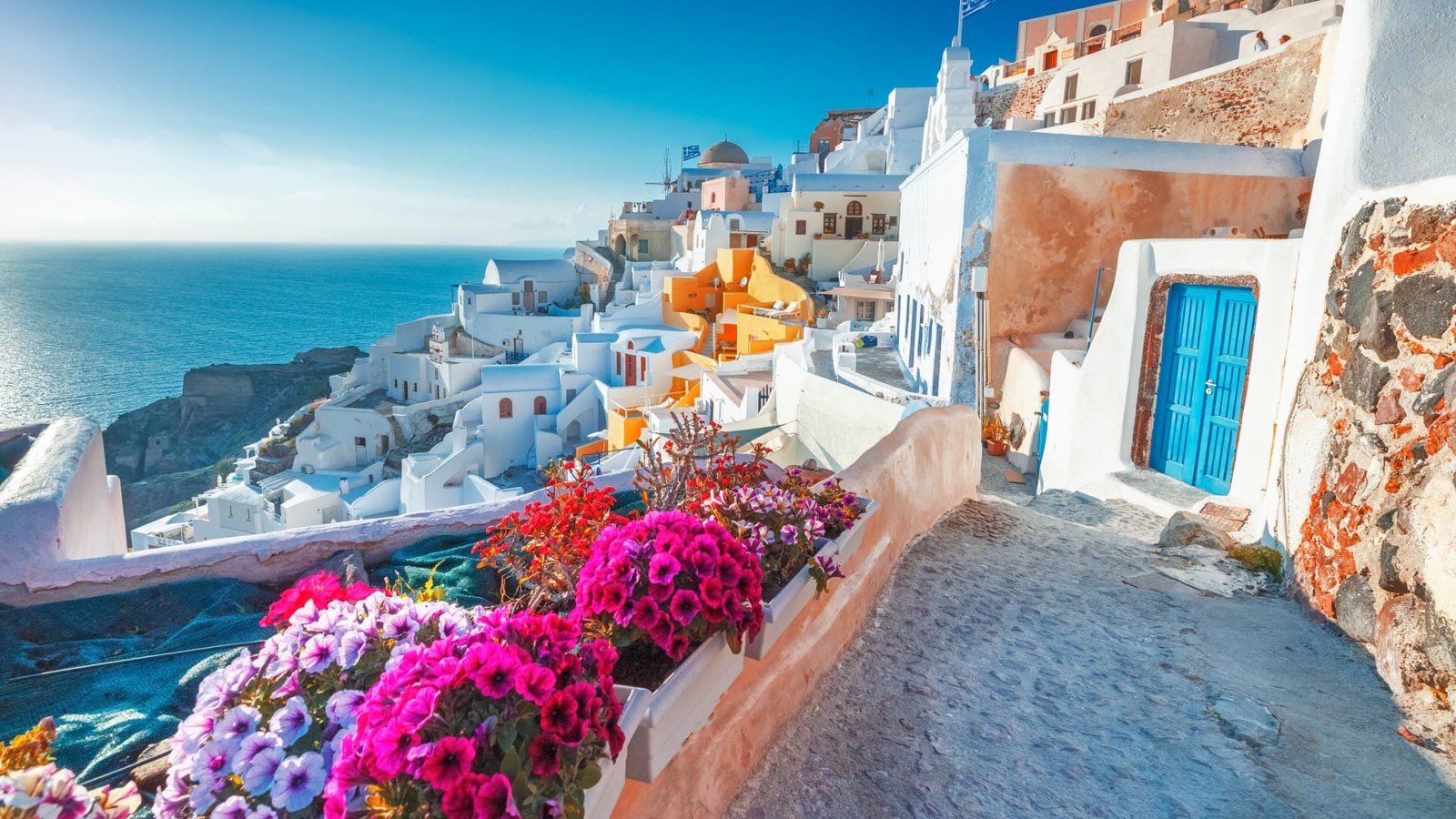
Greece is one of those rare destinations that feels timeless yet endlessly alive. As an independent traveller, every visit unfolds like a layered story—ancient ruins standing proudly beside lively cafés, sun-drenched beaches echoing with laughter, and mountain trails whispering myths older than memory. Knowing the best month to visit Greece shapes the journey, unlocking everything from perfect beach days and open hiking routes to cultural festivals and local celebrations. From the marble grandeur of Athens and Delphi to island icons like Santorini and Mykonos, Greece tourism blends mythology, history, and modern joy with effortless grace.
Beyond sightseeing, Greece thrives on experiences. Adventure seekers can sail the Aegean, hike dramatic gorges, dive crystalline waters, or even ski mountain slopes in winter. Shopping here feels deeply authentic—artisan jewellery, pottery, leather goods, and bustling local markets reveal everyday Greek life. Then there’s the cuisine: olive-oil-rich, soul-warming dishes, strong Greek coffee, honey-soaked desserts, and recipes perfected over centuries. Choosing the best month to visit Greece also means tasting seasonal specialties and witnessing traditions at their most vibrant.
With over 2,000 islands, dramatic landscapes, and a culture built on hospitality, Greece rewards curiosity. Pick the best month to visit Greece, and the country doesn’t just welcome you—it invites you to stay, explore, and feel at home.
Some links in this article are affiliate links. If you book through them, it won’t cost anything extra, but it helps support this site and keep the content coming — thank you for the love! 💙
Geographical Setting of Greece
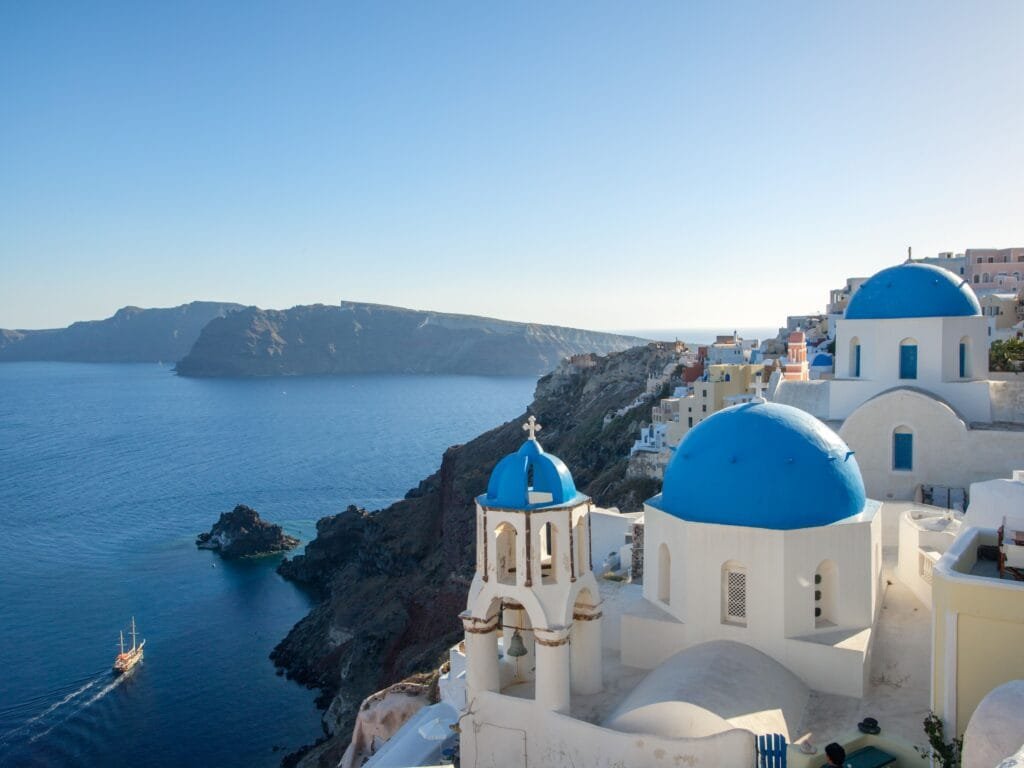
Positioned at the south-eastern edge of Europe, Greece occupies the southernmost part of the Balkan Peninsula and enjoys a location shaped by both land and sea. The country is predominantly mountainous, with rugged terrain covering more than 80% of its landscape, while an extensive coastline stretches along the Aegean, Ionian, and Mediterranean Seas.
Beyond the mainland, Greece extends across thousands of islands, each adding to its geographic diversity. It shares borders with Albania, North Macedonia, Bulgaria, and Turkey, placing it at a crossroads between Eastern and Western cultures. This strategic setting has long influenced trade, history, and travel patterns, making the best month to visit Greece especially rewarding for exploring its varied regions and coastal landscapes.
When to Experience Greece at Its Best?

Greece effortlessly lives up to its reputation as a sun-kissed paradise, where golden beaches meet crystalline seas and rugged mountains rise dramatically inland. Located at the crossroads of Europe, Asia, and Africa, the country enjoys a varied geography that shapes both its climate and travel experiences. Choosing the best month to visit Greece depends largely on the balance you seek between weather, crowds, and activities. From leisurely seaside walks and slow mornings with Greek coffee to vibrant nightlife, adventure sports, and flavor-packed cuisine, Greece offers a rhythm that encourages travelers to slow down and savor life.
Also Read – 10 of the Best Greece Beaches for Year-Round Sun and Sea
The peak summer months of July and August bring hot weather, buzzing islands, and energetic nightlife, especially in popular destinations. Spring and autumn are widely considered the best month to visit Greece for a calmer yet equally rewarding holiday, with mild temperatures, warm seas, and fewer tourists. Winter, while quieter, offers a laid-back charm, cultural immersion, and year-round appeal in larger islands and cities.
| Season | Temperature Range | Weather Characteristics |
|---|---|---|
| Spring (North) | 5 – 29°C | Pleasant and sunny |
| Spring (Centre–South) | 11 – 31°C | Warm and sunny |
| Summer (North) | 15 – 32°C | Hot and sunny |
| Summer (Centre–South) | 21 – 33°C | Hot and sunny |
| Autumn (North) | 8 – 27°C | Pleasant with rainfall |
| Autumn (Centre–South) | 15 – 29°C | Warm with rainfall |
| Winter (North) | -3 – 15°C | Cold with rainfall |
| Winter (Centre–South) | 7 – 20°C | Mild with rainfall |
Each season reveals a different side of Greece, ensuring there’s always a perfect time to visit—no matter the travel style.
Springtime in Greece: Calm, Colorful, and Crowd-Free (April–June)
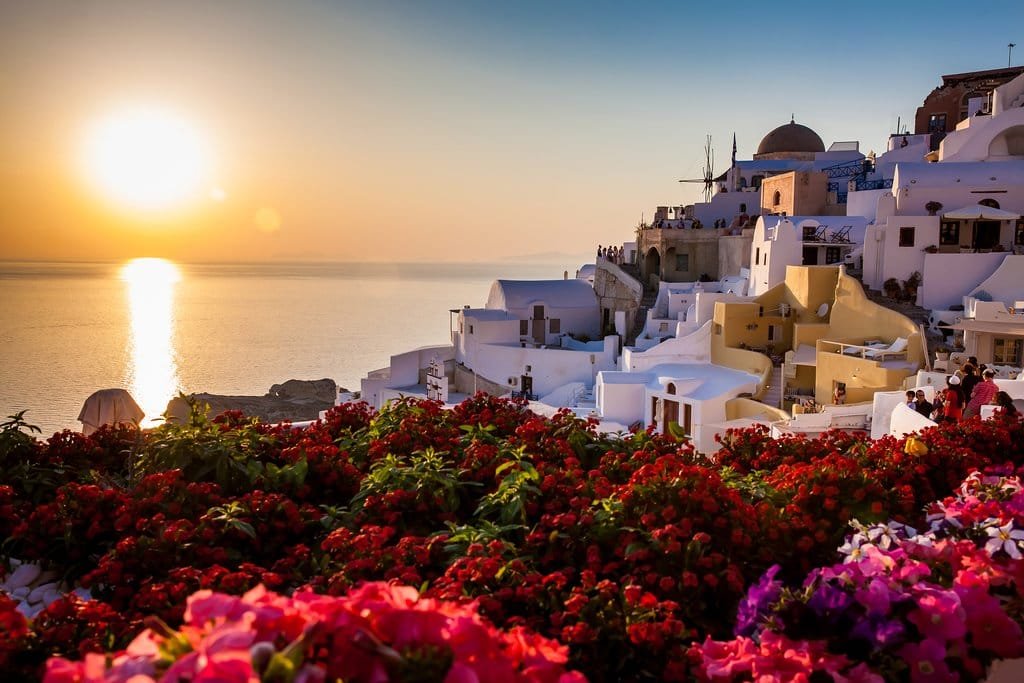
Spring reveals Greece at its most graceful, offering a balance of sunshine, serenity, and cultural richness. During this season, northern regions experience milder temperatures ranging from 5°C to 29°C, while the centre and south warm up pleasantly between 11°C and 31°C. Most days are bright and sunny, with occasional showers or thunderstorms lingering in mountainous areas. By May, temperatures rise steadily, though the cooling Meltemi winds keep the climate comfortable for exploration.
As a shoulder season, spring is often considered the best month to visit Greece for travellers who value peace over crowds. Major attractions are fully open, yet blissfully uncrowded. Highlights include Orthodox Easter celebrations, which bring communities together in vibrant rituals, and free museum entry nationwide on May 18 for International Museums Day.
Some northern islands may open gradually, so confirming schedules is wise. Pack light clothing, comfortable footwear, sunscreen, and stay hydrated—spring sightseeing here is wonderfully immersive and relaxed.
Summer in Greece: Sun-Soaked Shores and Festive Energy (July–August)
Summer is when Greece turns vibrant, loud, and irresistibly alive. In the north, temperatures hover between 15°C and 32°C, while the centre and southern regions experience warmer days ranging from 21°C to 33°C. The weather is predominantly hot and sunny, with occasional showers inland. Along the coast and on the islands, refreshing sea breezes soften the heat, creating classic Mediterranean holiday conditions.
This is peak season, and August marks Greece’s traditional holiday period, when locals and international travellers fill beaches, towns, and islands alike. It’s the best month to visit Greece for those chasing lively beaches, crystal-clear waters, and a packed cultural calendar. Music, art, and film festivals animate cities and islands, while traditional feasts—especially on Ikaria—offer a taste of authentic local life.
Expect crowds and higher prices, so planning ahead is essential. Pack light clothing, sunscreen, a sun hat, and stay well hydrated to fully enjoy Greece’s electric summer spirit.
Autumn in Greece: Gentle Sunshine and Cultural Rhythm (September–October)
Autumn is Greece at its most balanced—warm days, cooler nights, and a noticeably calmer atmosphere. Northern regions see temperatures between 8°C and 27°C, while the south stays warmer at 15°C to 29°C. September often feels like an extension of summer, but by October the air turns crisp and refreshing. Occasional rainfall arrives later in the season, cooling the landscape and enhancing its natural colors.
With fewer visitors around, this period is often considered the best month to visit Greece for travelers who want pleasant weather without the peak-season rush. Festivals flourish during this time, including film, music, and art events, along with national celebrations like Ohi Day on 28 October. While some islands begin winding down, the mainland remains lively and welcoming. Pack layers, rain protection, and sturdy footwear for sightseeing and hiking.
Winter in Greece: Quiet Streets and Authentic Encounters (November–March)
Winter reveals a softer, more introspective side of the country, appealing to travellers who value solitude over crowds. During this season, temperatures in northern Greece range from -3°C to 15°C, while the south remains relatively milder at 7°C to 20°C. The weather is characterised by cooler days and frequent rainfall, occasionally intensified by cold air systems moving in from Northern or Eastern Europe, which can cause sudden temperature drops even in coastal regions.
This period marks the low tourist season, making it an appealing choice for those seeking good travel deals and a slower pace. For some travellers, winter may even be the best month to visit Greece to experience local life without the distractions of peak tourism. Festive cheer remains strong, with Christmas and New Year celebrations lighting up cities, and the lively Apokries carnival bringing colour and energy to the streets.
While many islands and seasonal resorts close, cities such as Athens and Thessaloniki stay active, offering nightlife and cultural experiences. With limited services and unpredictable seas, careful planning is essential, but for offbeat explorers, winter can be the best month to visit Greece for authenticity and calm.
Final Thoughts: Let Greece Surprise You!
Greece is a destination that reveals new layers with every visit—ancient history meeting modern life, unforgettable flavors, and heartfelt hospitality at every turn. Once the best time to visit Greece has been decided, the journey becomes effortless. Whether booking online or planning in person, all that’s left is to arrive, slow down, and let Greece work its magic.