
Some places don’t need a checklist of survival essentials—they are the escape. The moment bare feet sink into warm sand, turquoise water curls around your ankles, and the air carries hints of coconut, lime, and ocean salt, you know you’ve arrived somewhere extraordinary. That feeling is unmistakably the Maldives. As an independent traveller, it’s the kind of destination that instantly slows your pulse and sharpens your senses. Understanding the best season for Maldives simply helps you experience this island nation at its most magical.
Scattered across nearly 1,200 coral islands, the Maldives feels like a necklace of jewels floating on the Indian Ocean. From the vibrant energy of Malé—one of the world’s smallest capital cities—to tranquil islands like Maafushi and Hulhumalé, every stop offers a different rhythm. History whispers through places like Utheemu, nature dazzles beneath the waves at Banana Reef and Maaya Thila, and daily life unfolds in colourful local markets. Choosing the best season for Maldives means clearer waters for diving, gentler seas for sailing, and perfect days for doing absolutely nothing at all.
Add to that soulful island cuisine, rich marine wildlife, and understated luxury, and it’s easy to see why timing matters. Pick the best season for Maldives, and the islands don’t just welcome you—they completely absorb you.
Some links in this article are affiliate links. If you book through them, it won’t cost anything extra, but it helps support this site and keep the content coming — thank you for the love! 💙
Where the Maldives Floats on the Map?
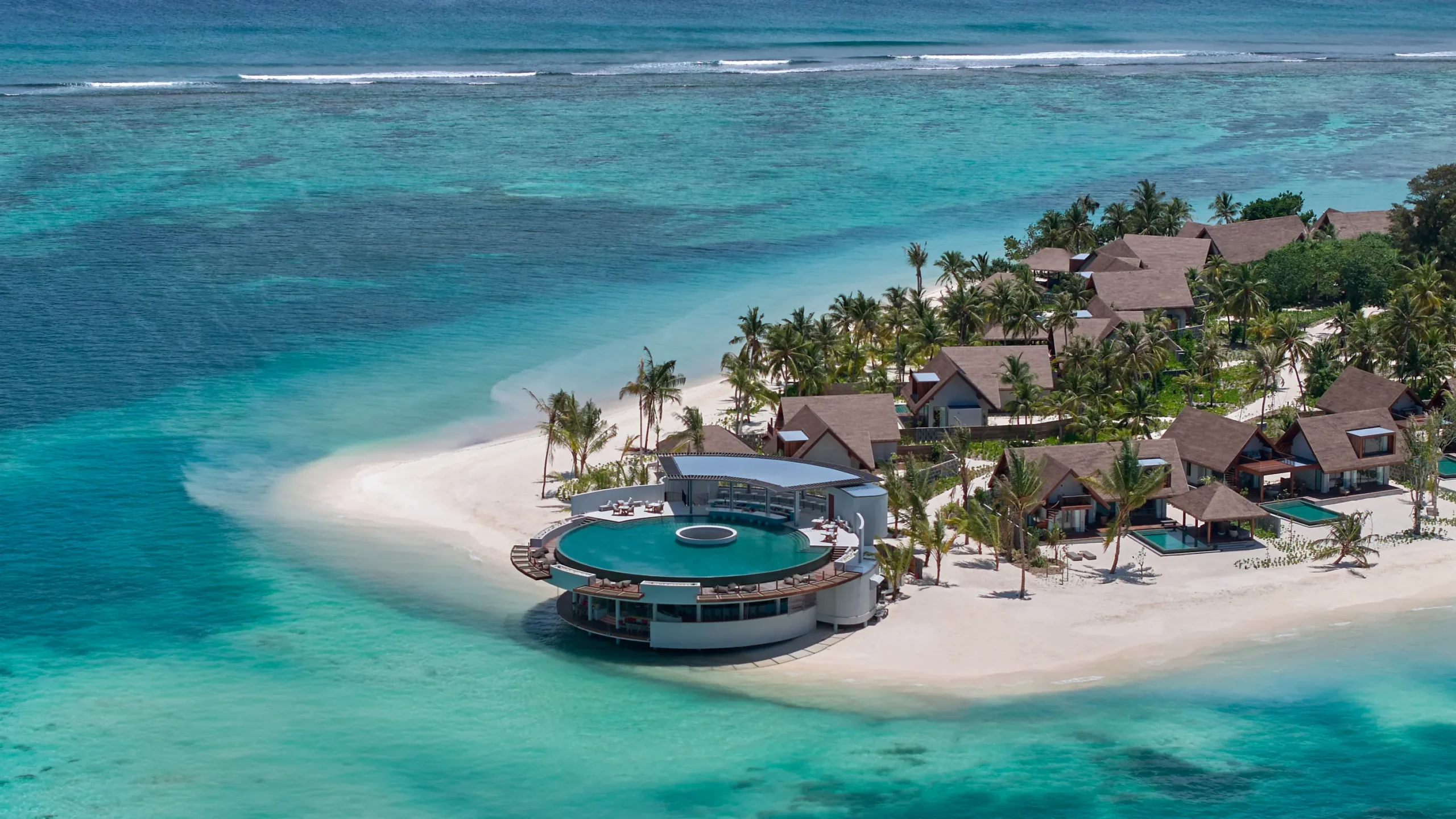
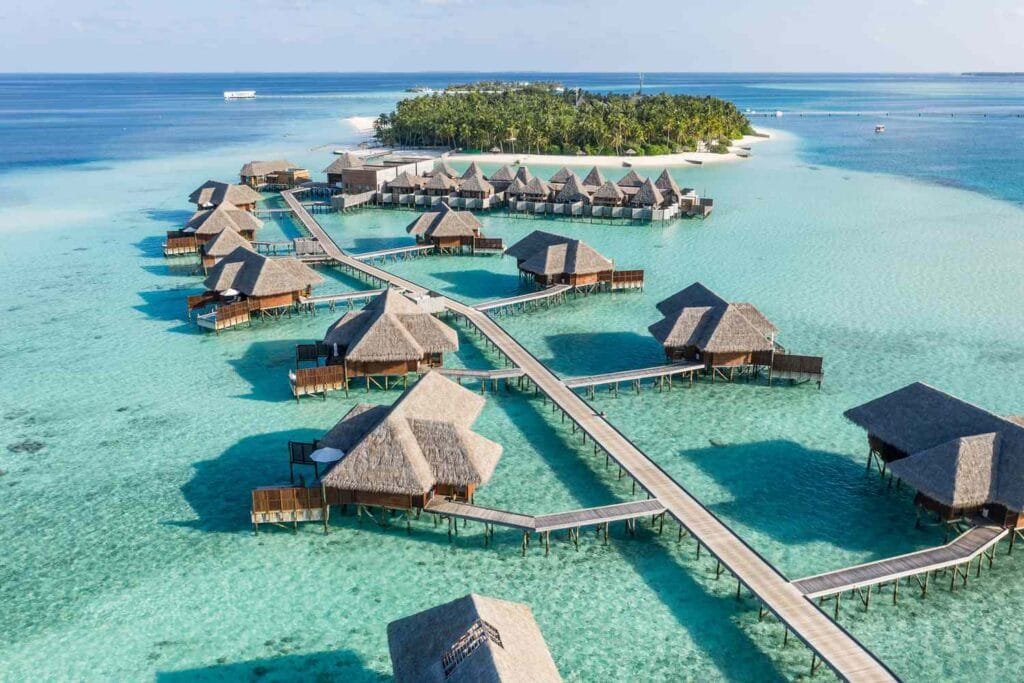
Suspended like a string of pearls in the Indian Ocean, the Maldives feels wonderfully far removed from the rush of the world. This South Asian island nation lies southwest of India and Sri Lanka, roughly 1,000 kilometres from the Asian mainland. What makes its geography truly spellbinding is its structure—26 natural atolls, each formed by ring-shaped coral reefs that cradle shimmering lagoons within.
Some atolls host inhabited islands and luxury resorts, while others remain untouched reefs, visible only as brilliant turquoise halos in the sea. From above, the Maldives doesn’t look like a country so much as a dream scattered across blue infinity.
Getting to the Maldives: The Journey Is Part of the Magic
Reaching the Maldives is surprisingly effortless for such an otherworldly destination. Most travellers arrive by air, landing at Velana International Airport in Malé or Gan International Airport in the southern atolls. These hubs are well connected with frequent flights from India, Sri Lanka, China, Dubai, and major Asian and European cities. For island hopping, domestic airports like Hanimaadhoo and Kaadedhdhoo make internal travel smooth and scenic.
For those who prefer slow luxury, cruising into the Maldives offers a different kind of romance—longer, pricier, but indulgent, with ocean views, fine dining, and curated shore excursions. However you choose to arrive, the Maldives makes sure the journey already feels like a holiday.
When the Maldives Shines the Brightest?
Sun, sea, and serenity define the Maldives year-round, but timing can elevate the experience. Widely regarded as the best season for Maldives, the months from December to March mark the peak travel period. During this time, the islands enjoy dry weather, calm seas, and clear skies—perfect for beach lounging, snorkeling, diving, and romantic escapes. Average temperatures remain comfortably tropical, ranging between 23°C and 31°C, making the Maldives an all-season destination without a true winter.
That said, the best season for Maldives ultimately depends on travel style. While December to April is ideal for sunshine seekers, the period from May to November brings stronger winds and occasional rain, appealing to surfers, budget travelers, and those who enjoy a quieter atmosphere. Families, honeymooners, and luxury travelers often favor the drier months for seamless island experiences, while off-season visitors benefit from better deals and fewer crowds.
Maldives Travel Seasons at a Glance
| Travel Period | Average Temperature | Weather Conditions |
|---|---|---|
| December – April | 24–31°C | Warm, dry, and sunny |
| May – November | 25–31°C | Windy with rainfall |
No matter when you go, the Maldives promises turquoise waters, powdery sands, and a sense of escape that feels effortlessly timeless.
Also Read – 10 Stunning All Inclusive Accommodation Maldives Options for the Ultimate Island Escape
Maldives in the Dry Season: Sunlit Days and Crystal-Clear Seas (December–April)
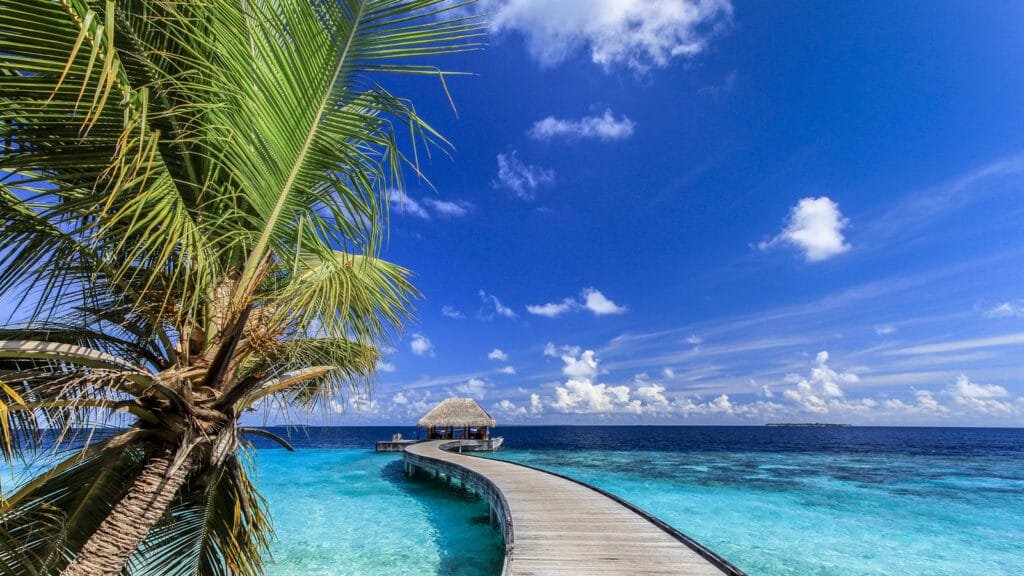
The dry season is when the Maldives looks and feels its absolute best, making it widely recognised as the best season for Maldives travel. Daytime temperatures hover around 31°C, while nights cool gently to about 24°C, creating near-perfect tropical conditions. The weather during these months is dry, low in humidity, and consistently pleasant—ideal for sightseeing, beach lounging, water sports, and indulging in local cuisine. April stands out as the best month for swimming, with sea temperatures reaching a blissful 30°C.
This season showcases the Maldives at full throttle. Resorts are lively, islands feel celebratory, and underwater visibility is exceptional thanks to northeast currents that begin flowing in November. Snorkeling and diving reveal vibrant coral reefs, turquoise lagoons, and thriving marine life, especially around iconic spots like Baros, Banana Reef, HP Reef, Sun Island, Nalaguraidhoo Island in South Ari Atoll, and North Malé Atoll.
Despite peak-season crowds, privacy remains intact since most resorts occupy individual islands. One cultural highlight is Mawlid, celebrating the birth of Prophet Muhammad, marked by colorful processions and mosque decorations. While prices peak during this time, late April offers slightly better value. Traditional Maldivian food—rich in coconut, tuna, spices, and Indian influences—adds flavor to the journey. For a seamless experience, respect local laws, compare activity prices carefully, and plan smartly during the best season for Maldives.
Maldives Wet Season: Fewer Crowds, Wilder Seas (May–November)
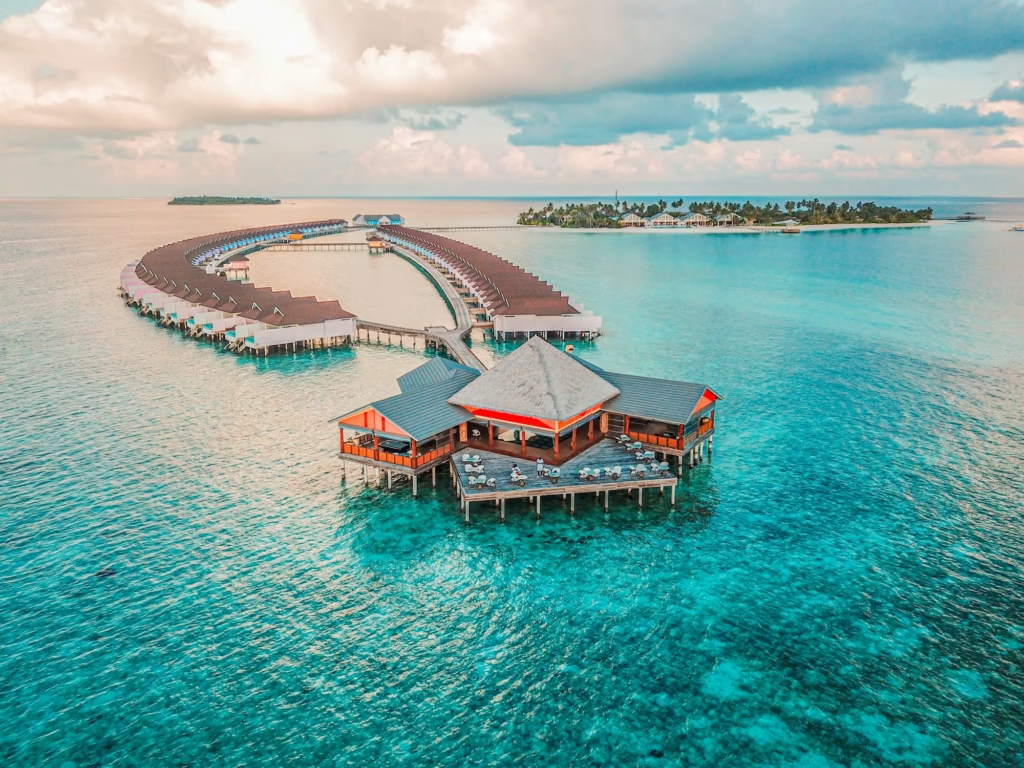
The wet season reveals a more dramatic, untamed side of the islands—one that adventurous travellers quietly adore. Daytime temperatures remain warm at around 31°C, with nights settling near 25°C. Rainfall is higher during these months, averaging about 254 cm in the north and 381 cm in the south, with September typically being the wettest. Showers are often intense but short-lived, creating moody skies and lush island landscapes.
While this period is not considered the best season for Maldives for casual beachgoers, it holds strong appeal for surfers and thrill-seekers. Bigger waves and stronger swells make it prime surfing season, and slightly cooler waters attract reef sharks and hammerhead sharks closer to shore. Prices drop, resorts are quieter, and space feels more personal—an upside many seasoned travellers appreciate.
Culturally, the wet season is rich. Ramadan (often in May) brings special iftar meals and traditional juices, while Eid al-Adha and National Day (Qaumee Dhuvas) in November offer insight into Maldivian heritage. Romantic escapes like Fihalhohi Island and family-friendly Huvahendhoo Island shine during this time. Though not the best season for Maldives for everyone, it’s perfect for those seeking value, culture, and raw ocean energy.
Travelers should plan around weather, respect local customs during Ramadan, and avoid risky sea activities unless properly equipped.
Straddling the equator, the Maldives enjoys generous sunshine all year, with temperatures typically ranging from a pleasant 24°C in December to around 31°C during the warmer months of April. For most travelers, the dry stretch from mid-November to early April feels the most inviting, offering calmer seas, clearer waters, and ideal conditions for beach time and water activities. Outside this window, the islands experience intermittent and sometimes heavy rainfall, which can reduce underwater visibility—making surfing the main ocean highlight. That said, travelers interested in local traditions, festivals, and a quieter pace often find the wetter months from May to November equally rewarding.
Geographically, the Maldives is as fascinating as it is beautiful. Despite being one of Asia’s smallest nations—covering just 298 square kilometres and home to a population of a little over 450,000—it is spread across nearly 1,190 islands arranged into 26 coral atolls. These atolls form a double chain across the Indian Ocean, sheltering vibrant reefs rich with marine life, from colorful fish and turtles to dolphins and whales.
Wrap Up:
Whether drawn by sunlit beaches or cultural immersion, timing shapes the experience. Choosing the best season for Maldives ensures travellers enjoy the islands in a way that perfectly matches their expectations—be it relaxation, adventure, or discovery beneath the waves.