
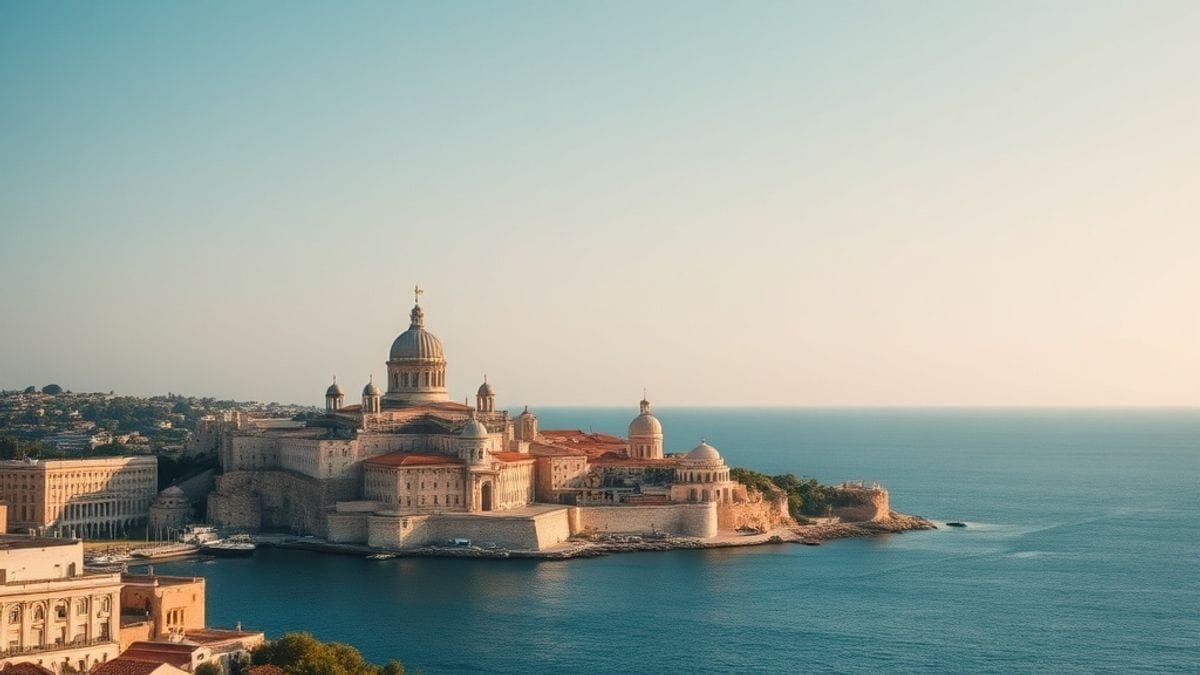
Victoria, the historic capital of Gozo, stands as the undisputed cultural, administrative, and historical nucleus of Malta’s second-largest island. Locally known as Rabat, this captivating city, centered around the formidable Cittadella, offers travelers a profound immersion into Gozo’s enduring identity, seamlessly weaving together its ancient heritage with the vibrant threads of contemporary island life. Its compact urban landscape, rich historical tapestry, and breathtaking panoramic vistas across the island make Victoria a focal point for anyone seeking to understand the soul of Gozo.
Victoria: Gozo’s Enduring Historic Core
The genesis of Victoria is deeply rooted in millennia of Gozitan history, a testament to the island’s strategic Mediterranean crossroads. Archaeological findings point to human habitation dating back to prehistoric eras, highlighting Gozo’s early significance in burgeoning maritime trade routes. During the Roman epoch, the settlement flourished as Gaulos, serving as the island’s primary administrative and population center. Post-Roman rule, the fortified hilltop location proved invaluable, offering a vital sanctuary against persistent incursions. The Cittadella, an enduring symbol of the city, has undergone continuous fortification and evolution under successive ruling powers.
Throughout the medieval period, Victoria solidified its position as the island’s social and political heart. Its robust fortifications provided crucial protection from pirate raids, while the surrounding town supported essential agricultural, commercial, and religious activities. The Knights of St. John further enhanced the Cittadella’s defenses, a clear indication of Gozo’s strategic importance and its inherent vulnerabilities. In a significant historical marker, the city was officially renamed Victoria in 1887, commemorating Queen Victoria’s Golden Jubilee. Despite this official designation, the name Rabat remains deeply ingrained in local parlance, a constant reminder of its historical roots.
Victoria’s geographical placement at the island’s center, perched atop a commanding hill, has historically dictated its role as an optimal administrative and defensive stronghold. The expansive views from the Cittadella’s ramparts offer a striking perspective on Gozo’s relatively compact size and its predominantly rural character. The city itself expands outwards from this fortified core, characterized by a labyrinth of narrow streets, bustling markets, ornate churches, and significant civic buildings, creating a dense yet remarkably walkable urban environment. This central position naturally fosters Victoria’s role as a hub for transportation, commerce, and cultural exchange across the entirety of Gozo.
Victoria’s Significance in Global Tourism and Local Life
Victoria is instrumental in shaping Gozo’s contribution to Malta’s international tourism appeal. For international visitors, the city serves as a concentrated and accessible introduction to the island’s rich heritage, distinctive architecture, and authentic way of life. The iconic Cittadella, in particular, significantly elevates Victoria’s global standing, drawing travelers with interests in fortified cities, medieval urban planning, and unparalleled scenic viewpoints. The presence of numerous museums, significant religious landmarks, and vibrant public spaces further cements Victoria’s reputation as a premier cultural destination. Crucially, Victoria supports the development of sustainable tourism by encouraging extended stays on Gozo, thereby helping to disperse visitor numbers across the island and mitigating over-reliance on coastal areas.
The city’s architectural and cultural highlights are numerous. The Cittadella, with its imposing walls, bastions, and historic edifices, stands as Victoria’s most recognizable landmark, encapsulating centuries of military, religious, and civic history. The city is also home to a wealth of religious architecture, including numerous churches and chapels that underscore its long-standing spiritual importance within Gozo. The lively public squares and markets offer authentic glimpses into the daily rhythms of Gozitan life and cherished social traditions. Furthermore, several museums and cultural institutions, housed within historically significant buildings, provide invaluable insights into Gozo’s archaeology, folklore, and natural history.
Reaching Victoria is straightforward for all types of travelers. After arriving at Malta International Airport, visitors can take a ferry to Gozo, with the ferry terminal conveniently connected to Victoria by road. Public transportation, primarily in the form of buses, operates efficiently from the ferry terminal and various coastal villages, making Victoria easily accessible without the need for a private vehicle. For those opting for a private vehicle, Victoria is well-connected via Gozo’s road network, with parking typically available on the city’s outskirts. Once within Victoria, most attractions are within easy walking distance, although some inclines are present due to its elevated location.
A Living Capital: Victoria’s Enduring Appeal
Victoria caters to a diverse range of visitors. Cultural and heritage travelers will find its historical depth and traditional urban character particularly rewarding. Educational groups frequently incorporate the city into their itineraries, focusing on archaeology, history, and Mediterranean studies. Families and general tourists appreciate its compact layout and varied attractions. Furthermore, slow and experiential travelers seeking an authentic sense of place benefit immensely from Victoria’s unique blend of historical sites and everyday local activity.
The best time to visit Victoria generally aligns with the shoulder seasons. Spring and autumn offer ideal weather conditions for extensive walking and sightseeing, while summer visits are best managed by focusing on cooler morning and late afternoon hours. Observing local cultural events, such as village feasts, can add a vibrant dimension to a visit, though these periods may also attract larger crowds.
What distinguishes Victoria is its identity as a living capital. It is not merely a collection of historical monuments; it is a functional city where administration, commerce, and community life converge. Government offices, educational institutions, and businesses operate in close proximity to its historic landmarks, reinforcing its role as Gozo’s primary social and economic center. This dynamic interplay between heritage and modernity enhances the visitor experience, providing an authenticity that staged tourist attractions often lack. Ongoing preservation and urban continuity efforts are focused on maintaining the integrity of historic structures while accommodating contemporary needs. Restoration projects within the Cittadella and its surrounding areas prioritize authenticity and long-term sustainability, guided by urban planning principles that safeguard Victoria’s character as a compact, walkable city intrinsically linked to its rural environment.
Ultimately, Victoria stands as the symbolic and functional heart of Gozo. From the majestic heights of the Cittadella to the lively streets below, the city narrates the story of an island forged by resilience, faith, and community. For travelers seeking depth, context, and an unbroken connection to the past, Victoria offers an unparalleled window into Gozo’s enduring identity and its place within the wider Mediterranean world.