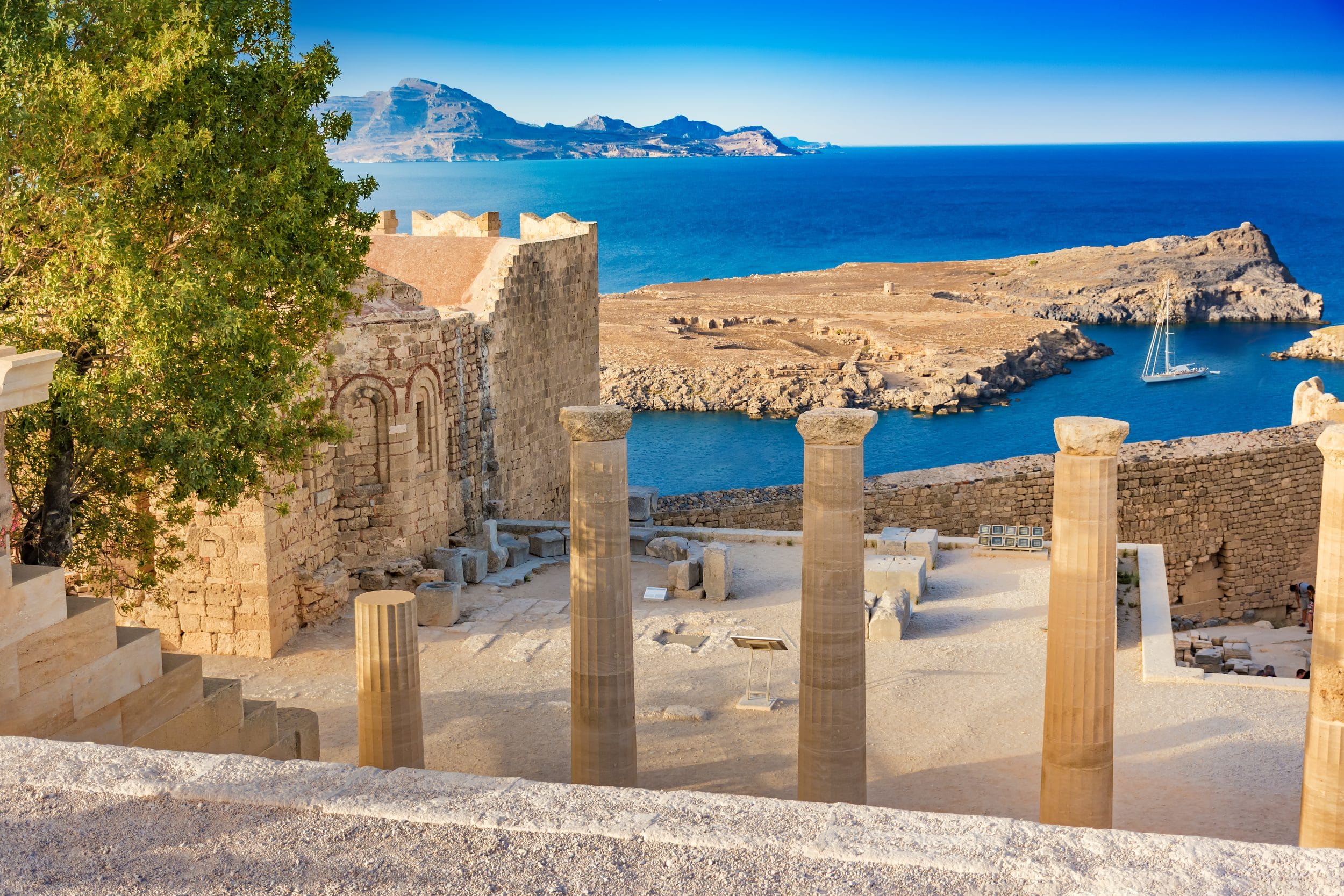
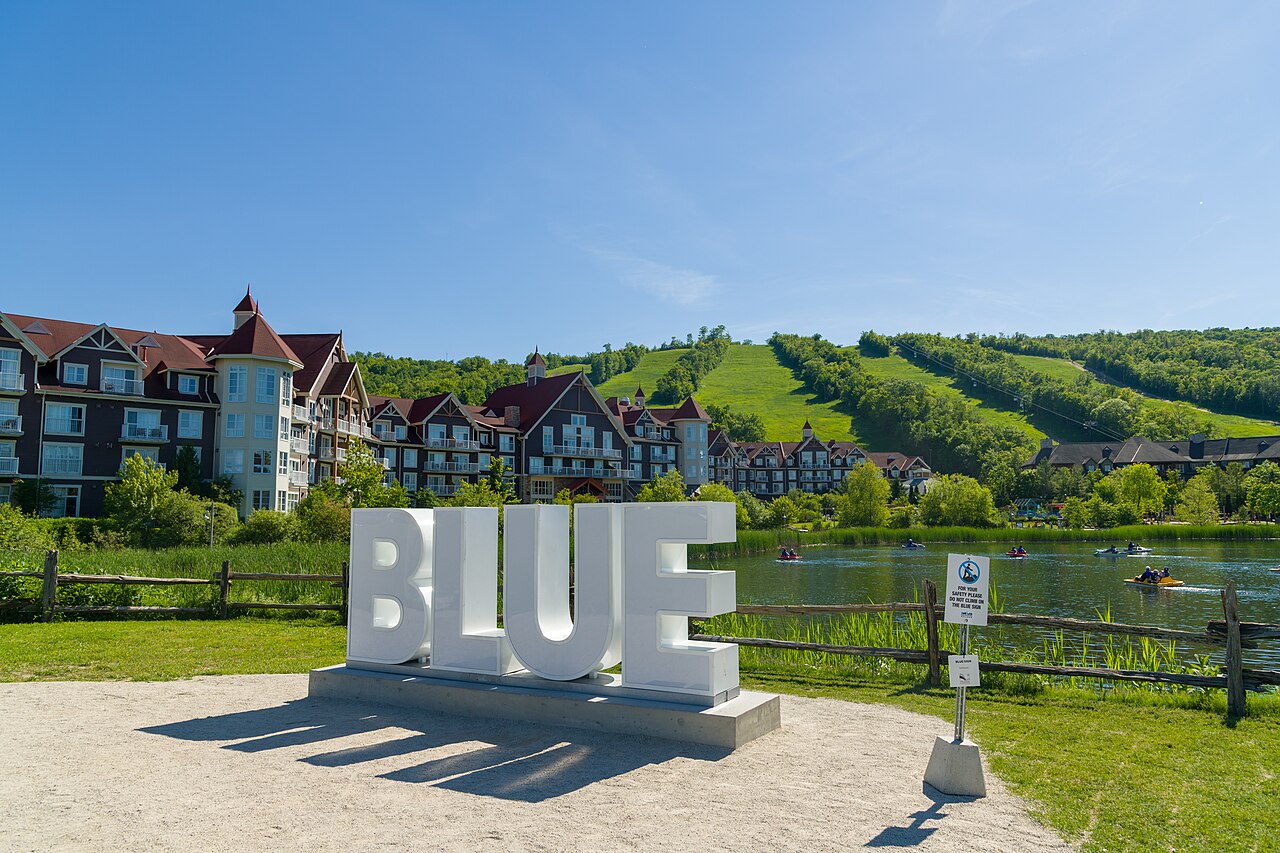
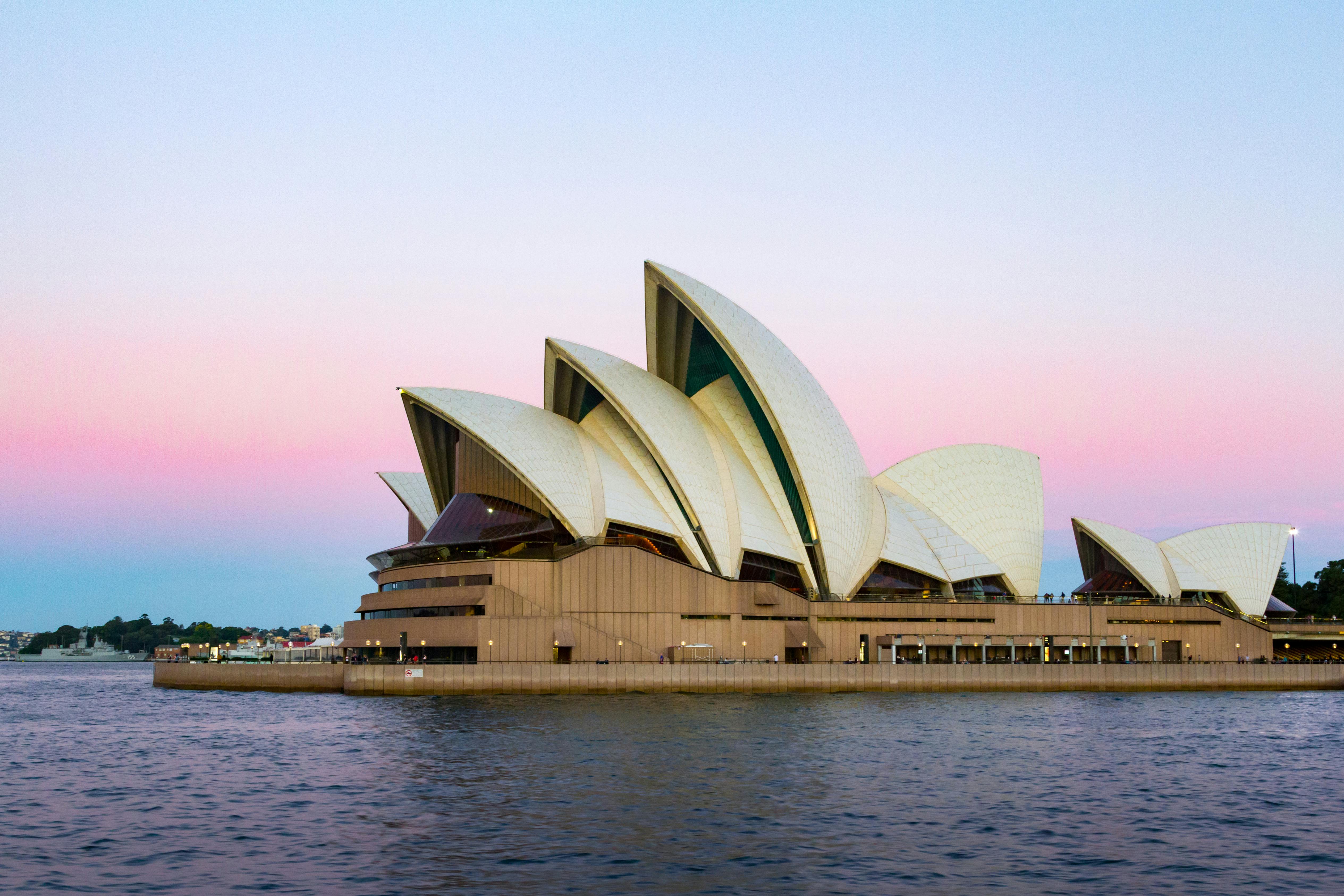
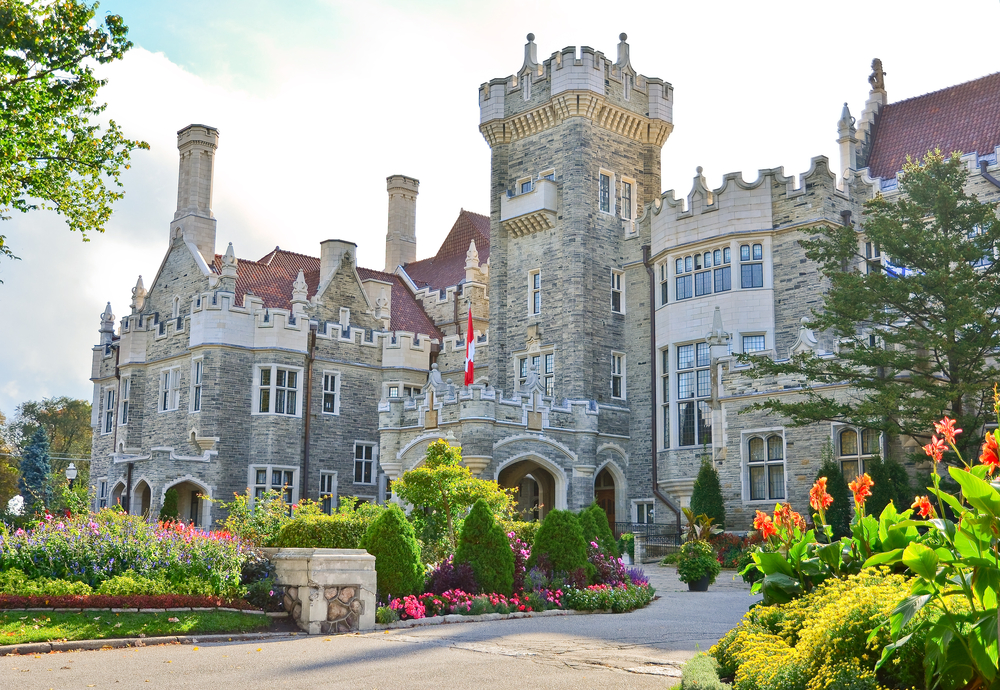
The United Kingdom has emerged as a leading European tourism destination for 2025, aligning with established powerhouses like Greece, Spain, and Turkey. This surge in popularity is fueled by a growing global demand for distinctive and immersive travel experiences. The UK’s appeal lies in its rich historical tapestry, dynamic cultural offerings, and a commitment to innovative hospitality and sustainable tourism practices, drawing millions of international visitors eager for novel adventures. Alongside other major European tourism hubs, the UK’s continuous investment in infrastructure further solidifies its position, catering to travelers seeking a blend of timeless charm and contemporary allure.


Athens Secures Top Tier Status Amidst Capacity Success and Pricing Challenges
Athens is projected to be among the top five most preferred tourist destinations in 2025, according to a recent report by the Athens–Attica & Argosaronic Hotel Association. This study, conducted in partnership with GBR Consulting, indicates that the Greek capital boasts a higher accommodation capacity than major European cities such as Madrid, Munich, Berlin, Vienna, and Istanbul. Only London surpasses Athens in terms of lodging capacity, with Athens itself reaching an impressive 80% occupancy rate. This robust performance underscores Athens’ growing significance in the European travel market, a trend that has seen its popularity steadily rise in recent years.
Despite its strong demand and high visitor numbers, Athens faces a notable challenge in its pricing strategy. The report highlights a discrepancy between the city’s accommodation capacity and its pricing growth, positioning Athens seventh among the top eleven European cities with an Average Daily Rate (ADR) of €177. This suggests that while the city is a sought-after destination, it has not yet translated this demand into comparable revenue generation seen in other major European capitals. A primary factor contributing to this pricing dynamic is the rapid expansion of accommodation options within the city. The increased supply of hotels, short-term rentals, and alternative lodging has intensified competition, helping to keep prices relatively stable despite the surge in demand. This saturation means that providers find it more challenging to implement significant price increases.
Infrastructure and Regulation: Key to Athens’ Tourism Future
To fully capitalize on its tourism potential and elevate its status to that of a premium European destination, Athens must prioritize infrastructure improvements and a refined visitor experience. Enhancements in transportation, public services, and cultural amenities are crucial. These investments are not only vital for accommodating the influx of tourists but also for maintaining the quality of life for residents. A balanced approach that supports tourism growth while safeguarding the well-being of the local population is essential.
The regulatory framework for short-term rentals, particularly in light of platforms like Airbnb, is another critical area. While these rentals help meet accommodation demand, they have also raised concerns about rising rents and community impact. Athens’ new regulatory framework aims to strike a balance between visitor needs and resident concerns. Continuous monitoring of the short-term rental market is advised to ensure a harmonious coexistence of various accommodation models without negatively impacting residents. Proactive adaptation to evolving market dynamics will be key for Athens to compete with global tourism giants like Paris, Rome, and London.
The UK’s entry into the top tier of European destinations for 2025, alongside established leaders like Greece, Spain, and Turkey, signals a broader trend towards unique and experiential travel. Athens’ strong performance in terms of accommodation capacity is a positive indicator, but addressing the pricing gap through strategic infrastructure investment and market management is imperative. With a continued focus on improving the overall visitor journey and implementing effective regulations, Athens is well-positioned to maximize its tourism potential and ensure a sustainable future for its thriving sector.