
Australia’s Mushroom House: Tragic Site Becomes Dark Tourism Hotspot
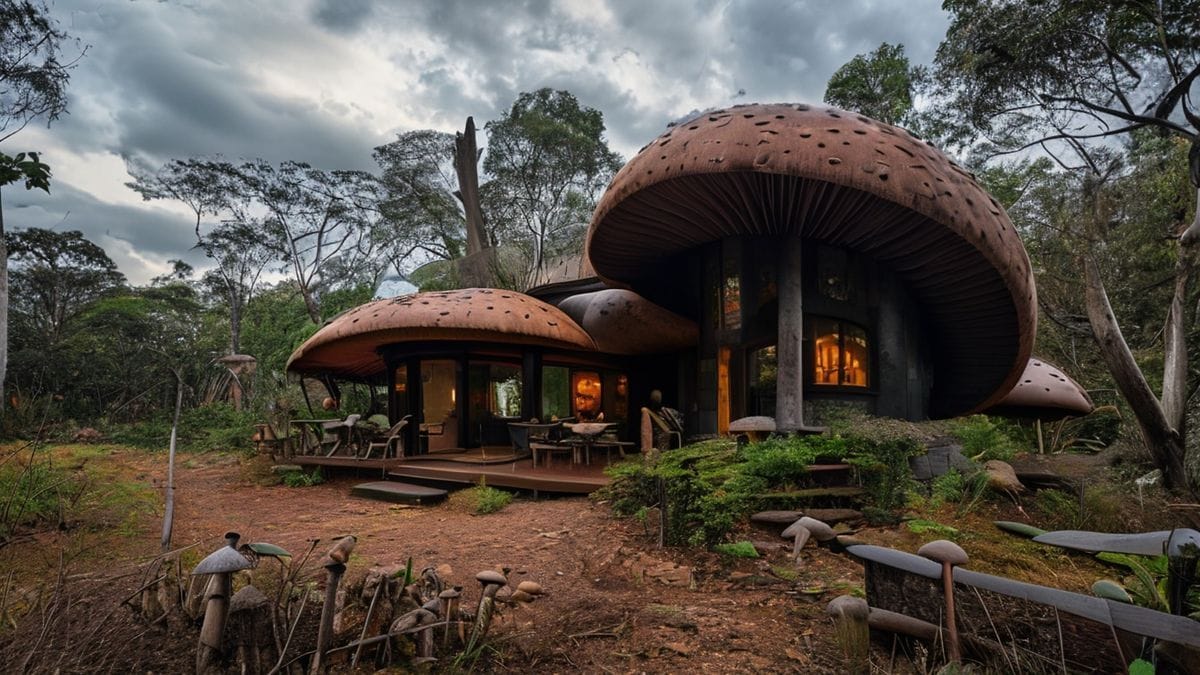
Leongatha, Victoria – In the quiet Victorian town of Leongatha, a suburban residence, infamously known as the “Mushroom House,” has rapidly ascended to prominence as a focal point for dark tourism and true crime aficionados. What was once an ordinary family home has transformed into a destination for those drawn to the macabre, a phenomenon fueled by digital media influence, local notoriety, and the inherent human fascination with significant, albeit tragic, historical events.
The Emergence of a Suburban Landmark
The unassuming streets of Leongatha were dramatically thrust into the national spotlight following a series of deaths linked to a meal served at the property. This domestic setting, now redefined by the gravity of the allegations, is no longer merely a structure of brick and mortar but has become a monument to a mystery that has captivated Australia. Visitors are frequently observed pausing outside the property, capturing photographs, and sharing their presence at the site on social media platforms, marking a distinct transition from private tragedy to public spectacle, a hallmark of modern dark tourism. The relatability of the setting – a standard family kitchen – is suggested to contribute to the intense level of public interest, offering a contemporary trauma that feels immediate and accessible compared to more distant historical tragedies.
Defining the Dark Tourism Phenomenon
Dark tourism, by definition, involves visiting sites associated with death, suffering, or the macabre. In the case of the Leongatha house, the attraction is deeply rooted in the “whodunnit” nature of the ongoing investigation. The property serves as a tangible link to a narrative that has been consumed through relentless news cycles and popular true crime podcasts. Sociologists argue that by visiting such locations, individuals seek to process the incomprehensible aspects of criminal events or experience a thrill associated with proximity to a “scene of the crime.” This psychological pull is immense, with the property treated as a stage for a real-life drama. This phenomenon is not unique to Australia; globally, sites like the Amityville house or locations associated with the Jack the Ripper murders have maintained public consciousness for decades. However, the speed at which the Leongatha residence has achieved this status is largely attributed to the rapid dissemination of information in the digital age.
The Role of Media and Digital Footprints
The narrative surrounding the poisoning incident was significantly amplified by intense media coverage, with every detail of the investigation, from the ingredients used to the disposal of equipment, being meticulously scrutinized. Consequently, the house became the visual shorthand for the entire investigation. The persistent presence of news cameras outside the home during the initial stages of the inquiry solidified its image as a landmark of public interest. Furthermore, the meteoric rise of true crime as a dominant entertainment genre cannot be overlooked. Enthusiasts who immerse themselves in hours of forensic analysis and criminal profiling are naturally drawn to these physical locations, viewing the house as a piece of “set dressing” for the podcasts and documentaries they consume. Visiting the site often represents the final step in their engagement with the story, allowing them to feel a sense of participation in unfolding history.
Impact on the Local Community and Ethical Considerations
For the residents of Leongatha and the surrounding Gippsland region, the influx of curious outsiders is often met with a mixture of discomfort and resignation. The town, traditionally known for its agricultural roots and tight-knit community, now finds itself on a macabre tour circuit. The presence of tourists at a site associated with the loss of respected community members is frequently viewed as a lack of sensitivity. While efforts are made by some to uphold the dignity of the victims, the momentum of public interest is difficult to curb, occasionally straining local infrastructure with lingering “rubberneckers.” The tension between private grief and public curiosity is a recurring theme in towns that host dark tourism sites, and the property remains a silent witness to this conflict, a stark reminder of the events that have irrevocably altered the town’s reputation. Serious ethical questions are raised by the commercialization and casual visitation of sites linked to active criminal cases. As the legal process is ongoing, the site remains highly sensitive, and the commodification of such a recent tragedy can border on voyeurism. However, for many travelers, the drive to witness the site of a significant event often outweighs ethical hesitation, with the house being treated with a reverence usually reserved for historical monuments, despite its fame being rooted in profound loss. Society often uses these sites to confront the reality of evil or misfortune from a perceived safe distance.
Future Outlook for the Leongatha Site
As the legal case progresses through the Australian court system, the notoriety of the Leongatha Mushroom House is expected to persist. In many instances of dark tourism, the passage of time does not diminish interest; instead, it allows the site to transition from a news item into a piece of local folklore. The future of the property itself, whether it remains a residence or eventually changes hands, will likely be dictated by its dark legacy. The Leongatha mushroom house stands as a potent symbol of how modern society processes crime and tragedy. As long as fascination with the unexplained and the morbid endures, locations like this will continue to draw crowds, ensuring its role in the Gippsland poisoning case is not forgotten.