

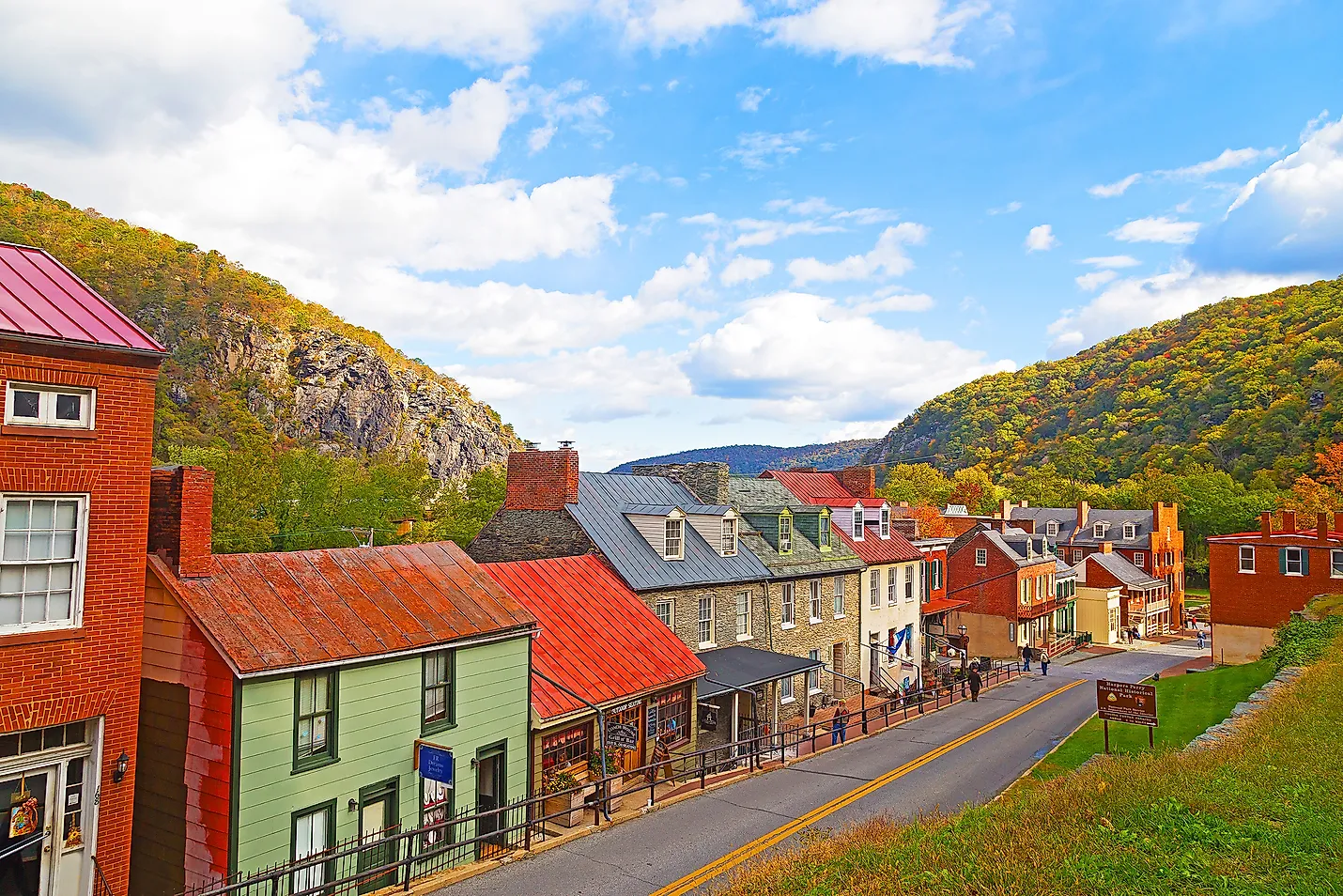
In a significant development for the preservation of cultural heritage, eight historical sites across West Virginia have been officially added to the prestigious National Register of Historic Places. The West Virginia Department of Tourism announced this milestone, which was approved by the West Virginia Archives and History Commission on November 21, 2025. This esteemed recognition highlights the diverse and enduring legacy of these locations, encompassing structures from the early 20th century and those deeply rooted in the state’s foundational history.
A Glimpse at the Newly Honored Sites
The latest additions to the National Register span a variety of historical significance, offering unique insights into West Virginia’s past. From economic pillars to architectural gems and remnants of widespread advertising campaigns, each site tells a compelling story.
Citizens National Bank of Belington | Barbour County
The Citizens National Bank of Belington, constructed in the early 20th century, stands as a vital piece of Barbour County’s economic narrative. Its architecture reflects the prosperity of an era characterized by robust commerce and industry, symbolizing the region’s historical commitment to financial services.
George McComas House | Cabell County
Located in Barboursville, the George McComas House is an exemplary specimen of Queen Anne architecture. Built in 1895, its distinctive asymmetrical design, gabled tin roof, and a striking tent-shaped turret contribute to its captivating, almost whimsical appearance. The wrap-around porch and detailed craftsmanship make it a prominent feature on Barboursville’s historic walking tours, drawing attention to the county’s architectural richness.
The Capon Bridge | Hampshire County
Spanning the Cacapon River, the Capon Bridge is more than just a crossing; it is an icon of regional history. Originally built in 1933, the bridge underwent substantial rehabilitation between 2021 and 2022, ensuring the preservation of its historical integrity. Its distinctive green hue, coupled with its engineering merit, solidifies its status as a cherished landmark for residents and visitors alike.
Hutchinson-Parsons-Fulk Mail Pouch Barn | Jackson County
Situated along Route 21 in Sandyville, the Hutchinson-Parsons-Fulk Mail Pouch Barn is a well-preserved example of the iconic Mail Pouch tobacco advertisements that once graced barns across the nation. This barn, featuring a prominent advertisement from the Bloch Brothers Tobacco Company, perpetuates a tradition that began in the late 1800s and continued until 1993, marking an essential chapter in regional marketing history.
Old Hill Cemetery | Lewis County
Dating back to 1820, the Old Hill Cemetery, also known as the Arnold Cemetery, is one of the oldest burial grounds in the vicinity. It serves as the final resting place for early settlers and Civil War veterans, imbuing the site with profound historical significance. The cemetery is further distinguished by a massive, ancient Yellow Poplar tree, estimated to be over 200 years old, underscoring its dual importance as a historical and natural treasure.
Wilson Mail Pouch Barn | Mason County
Positioned between Charleston and Point Pleasant, the Wilson Mail Pouch Barn represents another significant element of West Virginia’s Mail Pouch advertising heritage. Similar to other recognized barns, it serves as a tangible reminder of the Bloch Brothers Tobacco Company’s widespread influence, with its bold advertisement still visible to passersby in Mason County. Its preservation marks a key moment in the state’s rural history and advertising landscape.
Henrietta Dismukes Hospital Nurses’ Home | McDowell County
The Henrietta Dismukes Hospital Nurses’ Home in McDowell County was once part of the largest privately owned African American hospital in the United States. Serving African American coal miners and their families from 1929 to 1932, the hospital itself was tragically destroyed by fire in 2013. However, the nurses’ home remains a powerful testament to the healthcare services provided to marginalized communities during an era of segregation, honoring the hospital’s legacy and the resilience of the community it served.
See Mail Pouch Barn | Randolph County
Another significant barn recognized for its role in the extensive Mail Pouch tobacco advertising campaign is the See Mail Pouch Barn in Randolph County, located along West Virginia Route 55. This barn, much like its counterparts, provides a direct link to the past, illustrating the substantial impact of rural advertising and the enduring presence of Mail Pouch barns throughout the state. Its official recognition celebrates its cultural and historical importance as part of West Virginia’s ongoing preservation efforts.
Each of these eight newly designated sites contributes vividly to the rich tapestry of West Virginia’s history. They offer invaluable perspectives on the state’s social, cultural, and economic evolution. From historically significant homes to iconic advertising barns, West Virginia’s commitment to preserving its landmarks ensures that these legacies will be appreciated by future generations. Their induction into the National Register of Historic Places adds them to a distinguished collection of locations that deepen our understanding of the region’s past.