

Italy is rolling out the welcome mat for 2026, officially designating it a year for exceptional travel experiences. With the spotlight set to shine on the nation for the Milan-Cortina Winter Olympics and a calendar brimming with cultural events, the country is poised to draw travelers seeking to immerse themselves in its rich history, stunning landscapes, and world-renowned culinary scene. From the dramatic cliffs of the Amalfi Coast to the artistic heart of Florence, 2026 presents an unparalleled opportunity to explore Italy’s diverse offerings. This year, three distinct regions—Tuscany, Lake Garda, and the Amalfi Coast—emerge as a dream trio for an ultimate Italian adventure, promising unforgettable journeys through art, nature, and coastal splendor.
Tuscany: A Renaissance Masterpiece and Wine Country Gem
Often considered the cultural epicenter of Italy, Tuscany invites visitors on a five-day exploration that delves into its artistic heritage and picturesque vineyards. Official tourism bodies highlight a recommended itinerary encompassing Pisa, Lucca, Florence, Siena, and the Maremma region, balancing iconic landmarks with lesser-known treasures. This multifaceted region caters to families, couples, and solo travelers eager for cultural immersion.
Florence and Siena: The Beating Heart of the Renaissance
The journey commences in Florence, the undisputed birthplace of the Renaissance. This city functions as a living museum, housing masterpieces by artistic giants like Michelangelo, Botticelli, and Leonardo da Vinci. Key attractions include the Uffizi Galleries, the historic Ponte Vecchio, and Brunelleschi’s Dome atop the Duomo. A stroll through Piazza della Signoria transports visitors back in time, surrounded by a tableau of sculptures and significant historical buildings.
Venturing from Florence leads to Siena, a captivating medieval city nestled amidst rolling hills. Its Piazza del Campo, recognized as one of the world’s most beautiful squares, is adjacent to the imposing Palazzo Pubblico and the magnificent Siena Cathedral. The city’s labyrinthine streets and secluded courtyards offer an authentic glimpse into Tuscan life, providing opportunities to savor local delicacies and absorb its profound history.
Chianti and Fiesole: Vistas, Vineyards, and Tranquility
Following the cultural exploration of Florence and Siena, the itinerary guides travelers into the verdant countryside of Chianti. This renowned wine region is celebrated for its world-class wines, undulating landscapes, and charming villages, including Fiesole. Fiesole offers breathtaking panoramic views overlooking Florence, complemented by ancient Roman ruins and an atmosphere of serene tranquility.
Beyond the renowned wineries and idyllic hamlets, Tuscany extends its cultural reach to cities like Prato and Pistoia. Prato, with its imposing Castello dell’Imperatore, artfully blends historical significance with contemporary artistic expression. Pistoia, meanwhile, captivates with its array of Gothic churches and the San Zeno Baptistery, making it a compelling destination for history enthusiasts.
Pisa, Lucca, and Carrara: A Blend of History and Craftsmanship
No exploration of Tuscany would be complete without visits to Pisa and Lucca. Pisa’s globally recognized Leaning Tower and the Piazza dei Miracoli are essential stops, though the city also boasts attractions such as the San Marco Museum and the vibrant Keith Haring Mural, offering a modern counterpoint to its historical core. A short journey away lies Lucca, celebrated for its exceptionally preserved medieval walls and the picturesque San Martino Cathedral.
Traveling further north leads to Carrara, famed for its extensive marble quarries that have fueled artistic creation for centuries. The town’s cathedral and Ducal Palace stand as testaments to Tuscany’s industrial heritage, culminating this segment of the journey in a rich fusion of art, history, and innovation.
Arezzo, Grosseto, and Maremma: Discovering Tuscany’s Undiscovered Charms
For those eager to explore Tuscany’s less-trafficked regions, the southern areas unveil treasures such as Arezzo, a city rich in medieval architecture, and the Maremma region, dotted with coastal towns like Castiglione della Pescaia. Visitors can explore ancient Etruscan ruins near Grosseto or embark on mountain hikes around Monte Amiata for spectacular vistas. Tuscany’s appeal extends beyond its famed cities, inviting the discovery of hidden gems, local traditions, and some of Italy’s most peaceful locales.
Lake Garda and Lombardy: Italy’s Serene Northern Waters
Shifting north to Lombardy, the journey leads to the magnificent shores of Lake Garda, Italy’s largest lake. This expansive body of water is framed by dramatic mountains, gentle hills, and a collection of charming towns. The region is a harmonious blend of natural splendor and cultural richness, where ancient Roman ruins and medieval villages coexist with sophisticated resorts and lively local markets.
Sirmione and Desenzano: Lakeside Paradises
A quintessential highlight of any Lake Garda itinerary is Sirmione, a town strategically positioned at the tip of a narrow peninsula. Sirmione is renowned for its remarkably preserved medieval fortress, Rocca Scaligera, offering unparalleled views across the lake. Visitors can wander through the car-free old town, ideal for leisurely exploration, before indulging in the therapeutic waters of the Terme di Sirmione spa. At the peninsula’s extremity, the Grotte di Catullo reveals the extensive ruins of the largest Roman villa in northern Italy, featuring mosaics and sculptures dating back to the first century.
A short distance from Sirmione lies Desenzano del Garda, a vibrant lakeside town characterized by its bustling promenade, inviting cafés, and its own Roman villa adorned with exquisite mosaics. Desenzano serves as a key access point to the lake, with convenient ferry connections linking various towns along its extensive coastline.
Salò and the West Coast: Culture Meets Outdoor Adventure
Extending beyond Sirmione and Desenzano, the western shores of Lake Garda are home to picturesque towns such as Salò. This town boasts a broad lakeside promenade and significant historical sites, including its former role as the capital of the Magnifica Patria under Venetian dominion. Many of these lakeside communities feature accessible beaches, making them suitable for a diverse range of travelers.
Whether one chooses to sail across the expansive lake, hike the surrounding hills, or savor the local bounty of fresh lake fish paired with Lombardy wines, Lake Garda provides a balanced experience of cultural enrichment and outdoor adventure.
Amalfi Coast and Southern Italy: A Sun-Drenched Mediterranean Dream
Italy’s southern coastline stands as one of the planet’s most visually arresting stretches of land, with the Amalfi Coast serving as its undisputed crown jewel. From the iconic village of Positano to the elevated tranquility of Ravello, this UNESCO World Heritage site presents dramatic cliffside vistas, terraced lemon groves, and waters of breathtaking clarity. The region masterfully combines ancient history, sublime natural beauty, and a touch of modern glamour, drawing international acclaim and visitors from across the globe.
Positano and Amalfi: Vertical Villages and Maritime History
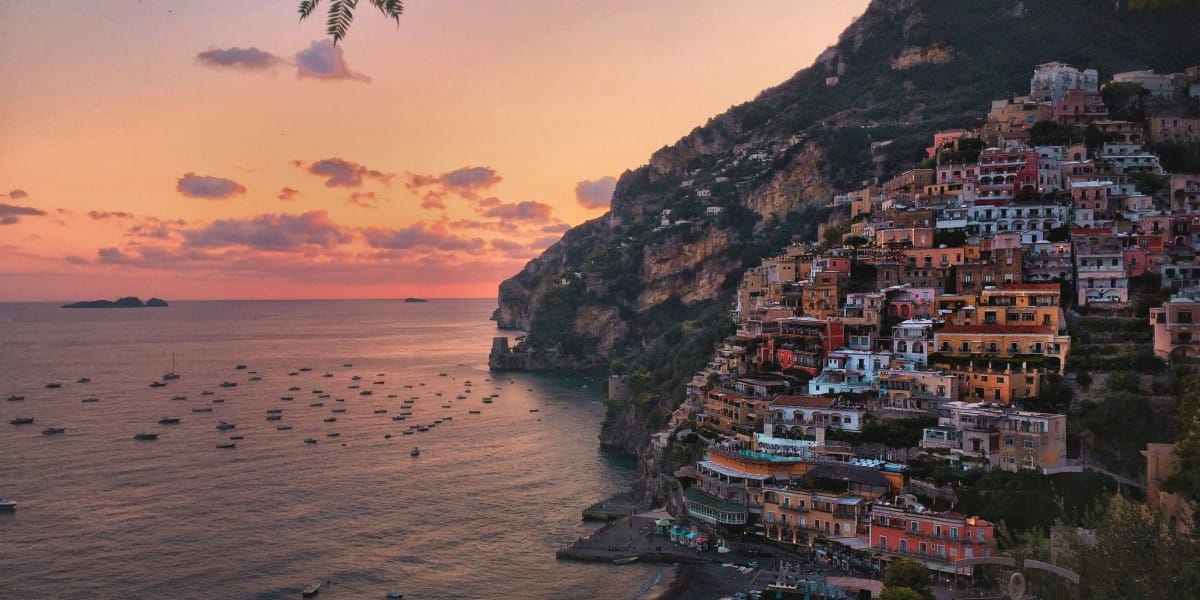
Positano epitomizes postcard perfection, with its narrow, winding streets and vibrantly colored houses cascading down towards the sea. Amalfi, once a formidable maritime republic, is distinguished by its magnificent cathedral and intricate network of alleyways. Exploring its old town offers captivating views and the chance to sample local sweet treats like sfogliatelle and delizie, both infused with the region’s famed lemons.
Ravello, Cetara, and Vietri sul Mare: Unveiling Coastal Treasures
Venture slightly off the most beaten paths to discover the more secluded towns of Ravello, Cetara, and Vietri sul Mare. Ravello, perched high in the hills, offers some of the Amalfi Coast’s most sublime panoramas from the gardens of Villa Cimbrone and its celebrated Terrazza dell’Infinito. Cetara, a traditional fishing village, is celebrated for its signature anchovy sauce, colatura di alici, while Vietri sul Mare is renowned for its vibrant ceramics and charmingly colorful architecture.
Naples: The Vibrant Soul of Southern Italy
A journey through southern Italy is incomplete without a visit to Naples. Nestled beneath the imposing presence of Mount Vesuvius, Naples proudly holds the distinction of being the birthplace of pizza and features a historic center recognized by UNESCO. Essential landmarks include Castel dell’Ovo and Piazza del Plebiscito, and no visit is complete without indulging in an authentic pizza margherita. Naples also serves as the principal gateway to the enchanting islands of Capri, Ischia, and Procida, each offering its own distinct allure.
Italy is extending a compelling invitation for 2026, urging travelers to experience its unparalleled history, breathtaking landscapes, and exquisite gastronomy. Whether drawn to the Renaissance wonders of Florence, the serene waters of Lake Garda, or the dramatic cliffs of the Amalfi Coast, these three distinct itineraries provide a comprehensive Italian experience. Each journey is thoughtfully curated to appeal to a wide spectrum of travelers, including art aficionados, culinary explorers, history buffs, and nature enthusiasts. The time to plan your unforgettable Italian adventure is now.