

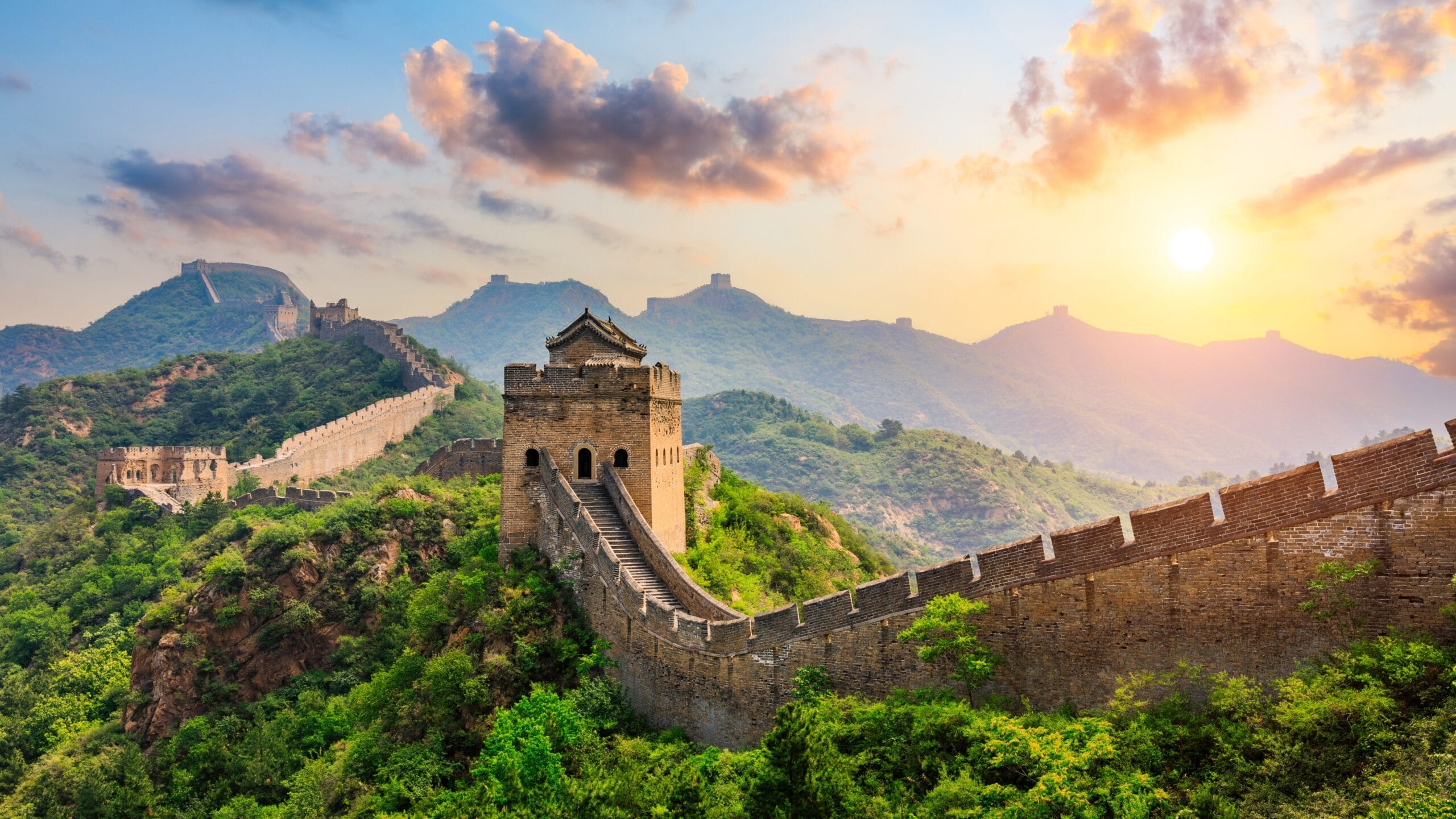
Few monuments command the imagination quite like the Great Wall. It winds across mountains and deserts, appears in poems and legends, and stands as one of humanity’s most audacious engineering achievements. Yet beyond the postcards and bucket-list dreams lies a deeper story—one stitched together by centuries of ambition, conflict, labor, and survival. This guide brings you essential Chinese Great Wall of China facts with precision, context, and a conversational lens—so you don’t just see the Wall, you understand it.
Whether you’re planning a visit, writing a report, or simply curious, these Chinese Great Wall of China facts will reshape how you think about this iconic structure.
This post includes affiliate links. If you book through one, a small commission may be earned at no extra cost to you. It helps keep this blog going—thank you for the support!
What Is the Great Wall, Really?
The Great Wall is not a single, continuous wall built at one time. It is a vast system of fortifications—walls, trenches, natural barriers, and watchtowers—constructed and rebuilt by multiple Chinese dynasties over more than 2,000 years. The earliest sections date to the 7th century BCE, while the most famous and best-preserved portions come from the Ming Dynasty (1368–1644).
One of the most misunderstood Chinese Great Wall of China facts is the idea of a single “Great Wall.” In reality, it’s a network—an evolving frontier defense system that adapted to geography, technology, and political threats.
Also Read – Rainbow Mountains – 7 Powerful Tips for Visiting Peru’s Most Colorful Wonder
How Long Is the Great Wall?
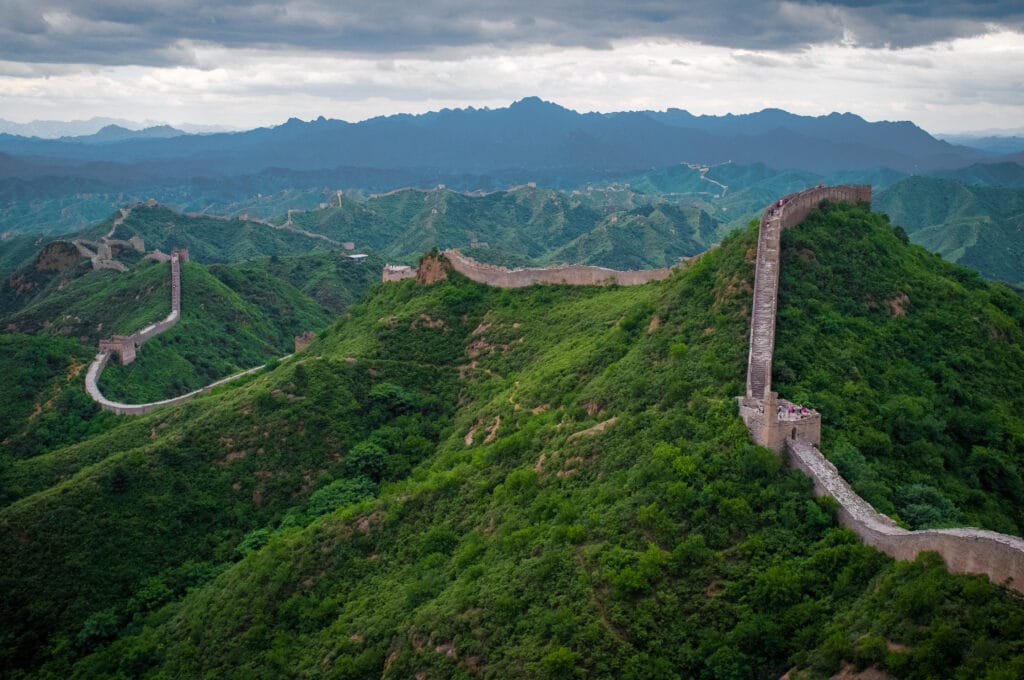
Among the most cited Chinese Great Wall of China facts is its staggering length. According to a comprehensive archaeological survey, the total length of all known sections is 21,196 kilometers (13,171 miles). This figure includes:
- Built walls
- Natural barriers (mountains, rivers)
- Trenches and defensive earthworks
It’s important to note that not all of this exists as standing walls today. Many sections have eroded, been buried, or dismantled over time.
Key Dimensions and Dates
| Feature | Verified Data |
|---|---|
| Total length (all sections) | 21,196 km |
| Main construction periods | 7th century BCE – 17th century CE |
| Most preserved sections | Ming Dynasty (1368–1644) |
| Typical height (Ming sections) | 6–8 meters |
| Typical width (top) | 4–5 meters |
| Primary materials | Stone, brick, tamped earth, wood |
These concrete numbers anchor many popular Chinese Great Wall of China facts in measurable reality.
Who Built It—and at What Cost?
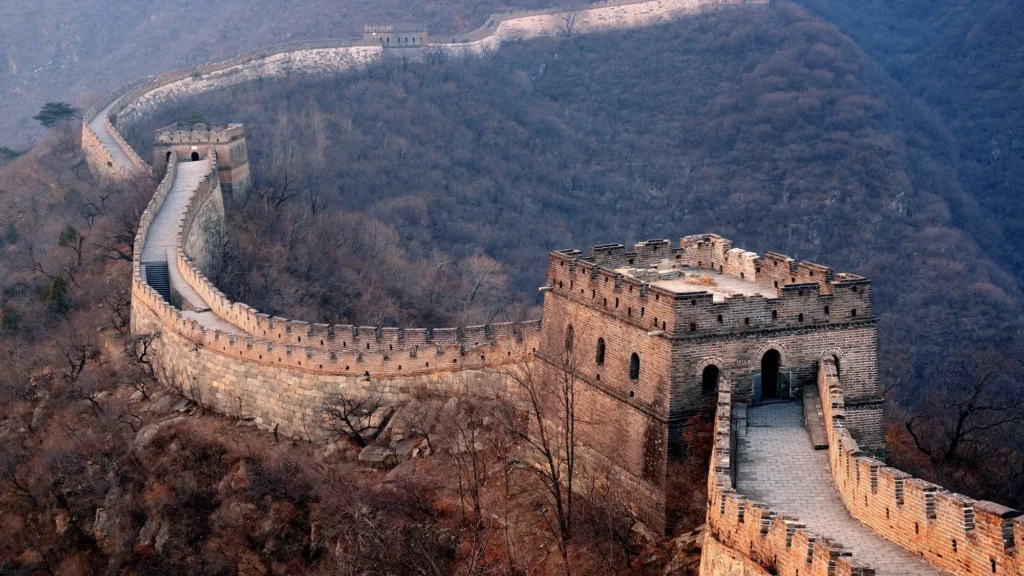
The Wall was built by soldiers, peasants, prisoners, and forced laborers. Dynasties such as Qin, Han, and Ming mobilized enormous workforces. Tools were simple; conditions were harsh. Historical records and archaeological evidence suggest that hundreds of thousands—possibly over a million—people died during construction across the centuries due to exhaustion, accidents, famine, and exposure.
This is one of the sobering Chinese Great Wall of China facts: the Wall is not only a symbol of strength, but also of human sacrifice. Folklore, like the legend of Meng Jiangnu (who wept until a section collapsed to reveal her husband’s bones), reflects how deeply this suffering is woven into cultural memory.
Was It Built to Keep Everyone Out?
The Wall’s primary purpose was defense—especially against nomadic groups from the north. But another essential Great Wall of China facts point is that it also served as:
- A border control system (regulating trade and migration)
- A signal network (using smoke by day, fire by night)
- A logistical corridor (with garrisons and supply depots)
In other words, it wasn’t just a barrier—it was a managed frontier.
Can You See It from Space?
This is one of the most persistent myths. A widely repeated claim says the Wall is visible from the Moon with the naked eye. In reality, it is not. From low Earth orbit, it can sometimes be seen under perfect conditions with aid, but it is not uniquely visible compared to other large human structures.
Debunking this myth is one of the most important Chinese Great Wall of China facts for separating romance from reality.
Which Sections Should You Visit?
Not all parts of the Wall are equal in preservation or accessibility. Here are some notable sections:
- Badaling (near Beijing): Restored, accessible, and popular—great for first-time visitors.
- Mutianyu: Also restored, less crowded, scenic with watchtowers and forested hills.
- Jinshanling & Simatai: Partially restored, ideal for hikers and photographers.
- Jiankou: Wild, steep, unrestored—spectacular but dangerous without experience.
A practical takeaway from these Chinese Great Wall of China facts is that “the Wall” offers many different experiences, from family-friendly walks to serious mountain treks.
What Was It Made Of?
Materials varied by region and era:
- Stone and brick in mountainous and resource-rich areas (especially during the Ming)
- Tamped earth in deserts and plains
- Wood and reeds in earlier or more remote sections
In some western sections, even sticky rice mortar was used in brick construction—a surprisingly durable ancient innovation. This is one of the more fascinating technical Chinese Great Wall of China facts that shows how advanced traditional engineering could be.
Is the Wall in Danger Today?
Yes—significantly. Natural erosion, tourism pressure, and human activity have damaged large portions. Estimates suggest over 30% of the Wall has disappeared or is in poor condition. Bricks have been removed for local building, and some sections have collapsed due to neglect.
Modern conservation efforts focus on:
- Stabilizing endangered sections
- Regulating tourism
- Documenting and surveying remaining structures
Protecting this heritage is now part of the living story behind these Chinese Great Wall of China facts.
Why the Ming Wall Gets All the Attention?
When people picture the Great Wall—tall stone walls, crenellations, dramatic ridgelines—they’re usually thinking of Ming Dynasty sections. The Ming rebuilt the Wall extensively using brick and stone, creating the most durable and visually striking segments.
Another key insight: much of what you see in photos is “only” about 400–600 years old, even though the Wall’s history spans over two millennia.
The Great Wall as a Cultural Symbol
Beyond military history, the Wall represents:
- Perseverance in the face of threat
- Unity and scale in state organization
- The tension between protection and openness
It appears in poetry, paintings, films, and modern national identity. Understanding these layers adds emotional depth to otherwise technical Chinese Great Wall of China facts.
Quick-Reference: 10 Essential Facts at a Glance
| Fact | Why It Matters |
|---|---|
| Total length: 21,196 km | Shows the true scale |
| Built over 2,000+ years | It’s a multi-dynasty project |
| Not visible from the Moon | Debunks a famous myth |
| Millions involved in construction | Highlights human cost |
| Ming sections are most preserved | Explains modern images |
| Used for defense and control | More than just a wall |
| Built with stone, brick, earth | Adapted to geography |
| Many sections are ruined | Conservation is urgent |
| Multiple visitable sections | Each offers a different experience |
| A UNESCO World Heritage Site | Global cultural significance |
Final Thoughts: More Than a Wall
The Great Wall is not merely a line of stone across hills. It is a chronicle written in earth, brick, and human effort. It tells stories of fear and ambition, of engineering brilliance and human endurance, of borders drawn and cultures defended. The most meaningful Chinese Great Wall of China facts are not just measurements and dates—they’re reminders that civilizations leave behind both monuments and memories.
If you ever stand on those ancient stones, feeling the wind roll across the ridges, remember: you’re not just looking at history—you’re standing inside it.