
Few monuments in the world evoke romance, innovation, and sheer architectural boldness like the Eiffel Tower. Rising dramatically above the Seine River, it is both a testament to human ingenuity and a cultural emblem of France. In this article, you’ll discover incredible Paris Eiffel Tower facts — including answers to “Eiffel Tower in which country?” and “Where is the Eiffel Tower located?” — while exploring its history, design, and enduring popularity. Whether you’re a curious traveler or planning your first visit, these facts bring the “Iron Lady” to life with context, depth, and verified details.
This post contains affiliate links, which means if you book through them, a small commission may be earned at no extra cost to you. Thanks so much for supporting the blog!
Where Is the Eiffel Tower Located?
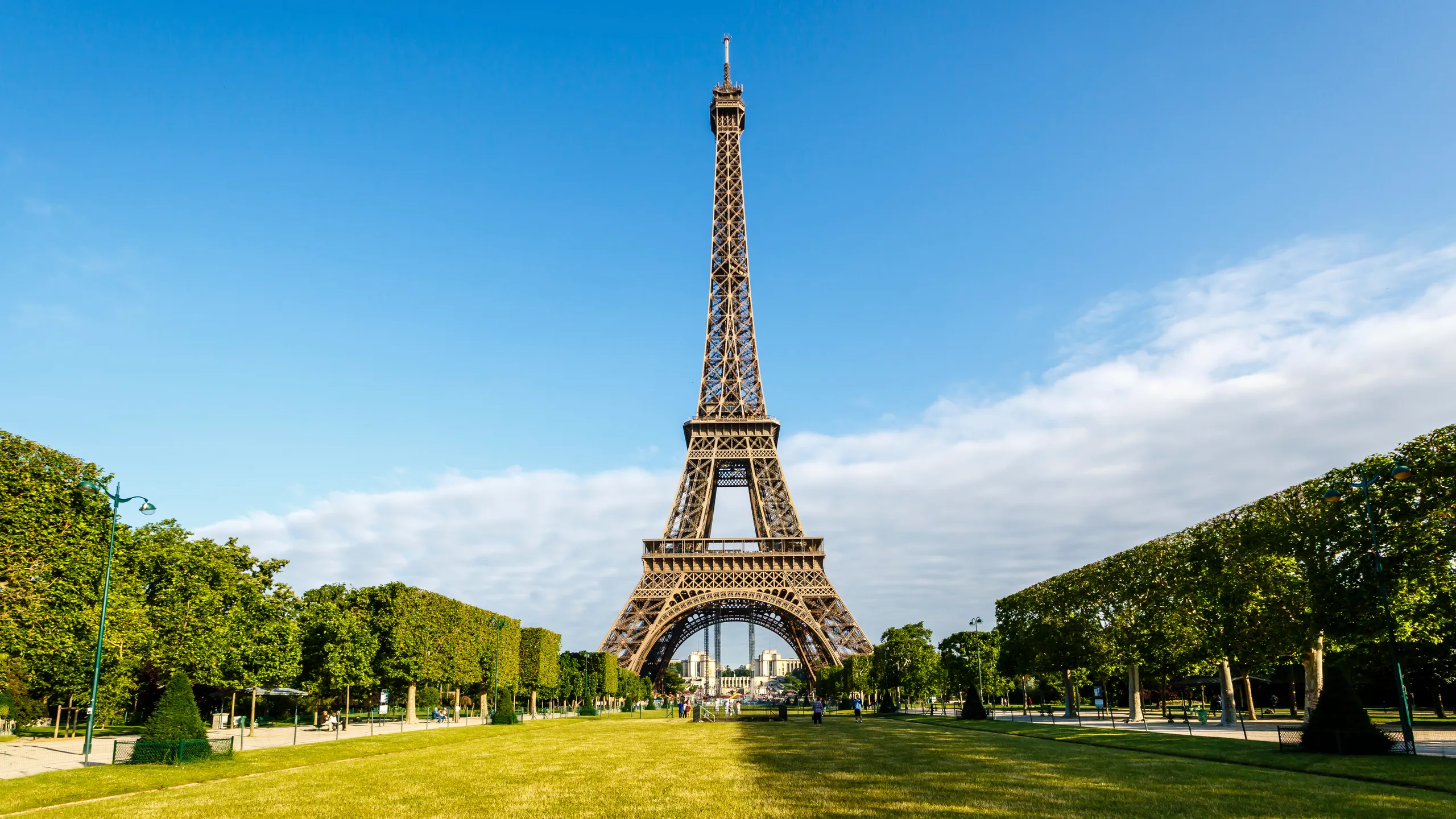
The Eiffel Tower is located in Paris, France, on the Champ de Mars in the city’s 7th arrondissement.
- Address: 5 Avenue Anatole France, 75007 Paris, France
- Nearest Metro: Bir-Hakeim (Line 6), RER C line
This central location places the tower in the heart of the French capital, just a short distance from other iconic landmarks like the Seine, Trocadéro Gardens, and Musée du Quai Branly.
Also Read – 10 Best Places to See in France for First-Time and Returning Visitors
Eiffel Tower is in Which Country?
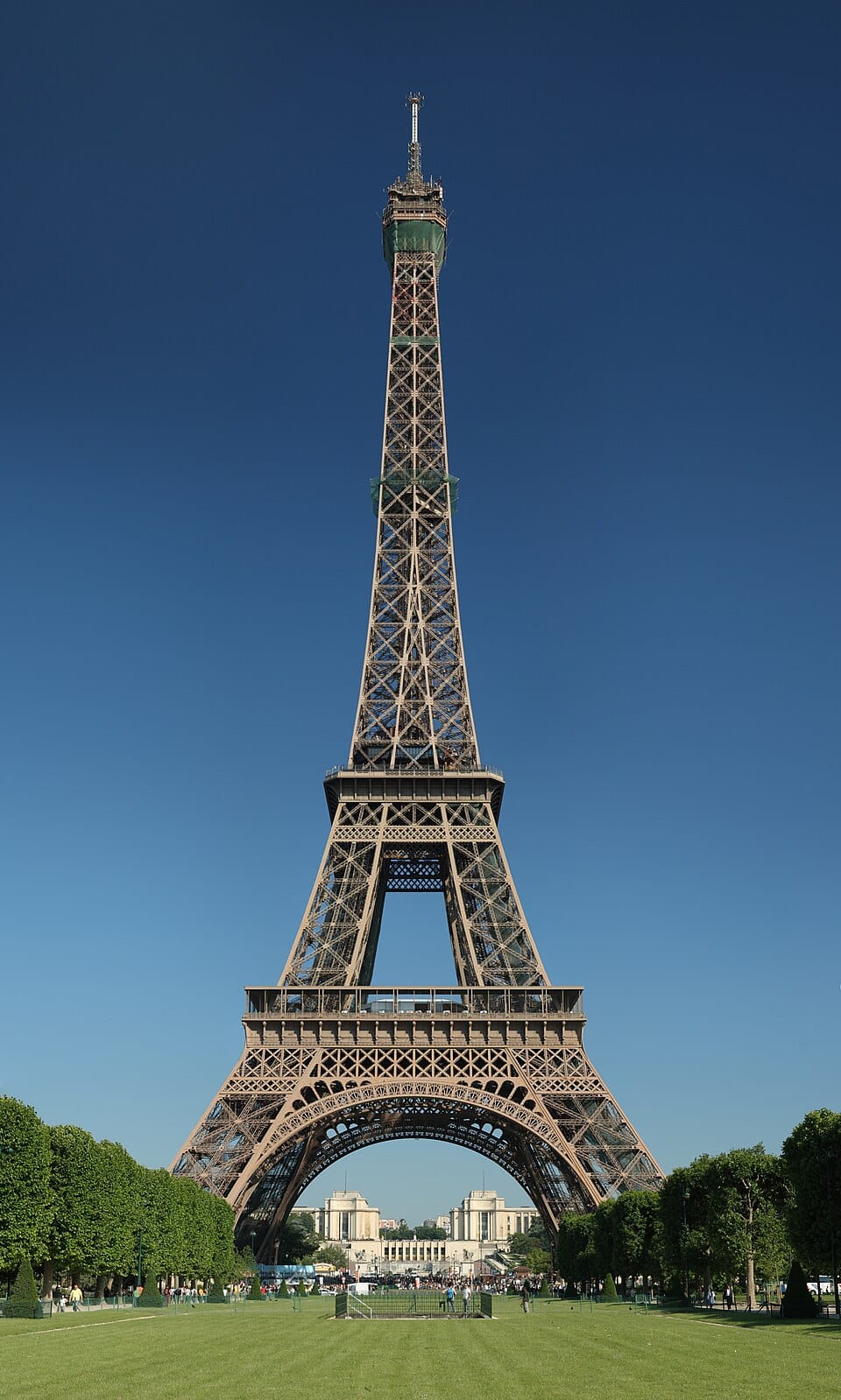
As one of the most recognizable structures globally, the Eiffel Tower is firmly rooted in France — standing not only as a national symbol but as a global cultural icon synonymous with French art, history, and identity.
A Short History: Why It Was Built
The Eiffel Tower was designed and built by Gustave Eiffel’s engineering company for the 1889 Exposition Universelle, the World’s Fair held in Paris to commemorate the 100th anniversary of the French Revolution.
Originally, many Parisians feared the tower’s radical iron lattice design, calling it an “eyesore.” Yet its grand unveil on March 31, 1889 marked the beginning of its transformation into an enduring symbol of Parisian ingenuity.
Table: Quick Eiffel Tower Facts
| Fact | Detail |
|---|---|
| Location | Paris, France — Champ de Mars |
| Country | France |
| Designer | Gustave Eiffel’s company |
| Construction | 1887–1889 |
| Official Opening | 1889 |
| Height | 330 m (1,083 ft) including antenna |
| Visitor Levels | 3 (with restaurants & observation decks) |
| Annual Visitors | ~7 million |
Also Read – 48 Hours in France: What to See and Where to Go
Stunning Height and Engineering
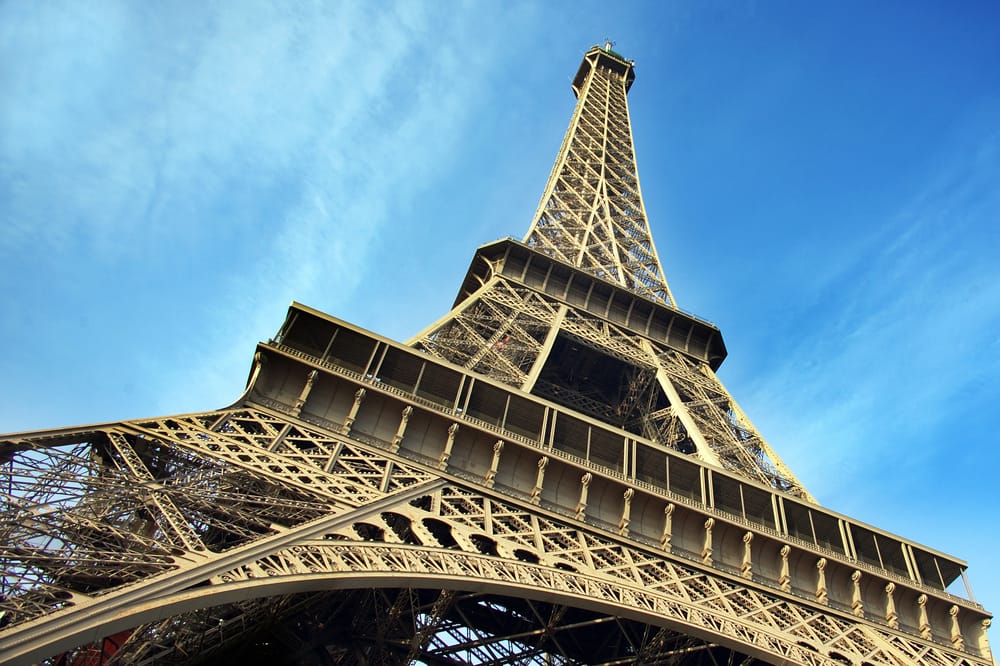
The Eiffel Tower soars to a height of 330 metres (1,083 feet), tall enough to have held the title of world’s tallest human-made structure from its completion in 1889 until the Chrysler Building was constructed in 1930.
Built from puddled iron and comprising over 18,000 pieces joined by 2.5 million rivets, its lattice-work design was an engineering marvel of the 19th century, showcasing innovative techniques to balance strength and elegance in metal.
Three Accessible Levels for Visitors
Visitors can explore three levels of the Eiffel Tower:
- First and Second Floors: Home to restaurants, cafés, and exhibits.
- Top Observation Deck: Reachable by elevator, offering breathtaking views across Paris and beyond.
These platforms provide panoramic perspectives of landmarks such as the Arc de Triomphe, Sacré-Cœur, and Seine River below.
Fun Yet Surprising Paris Eiffel Tower Facts
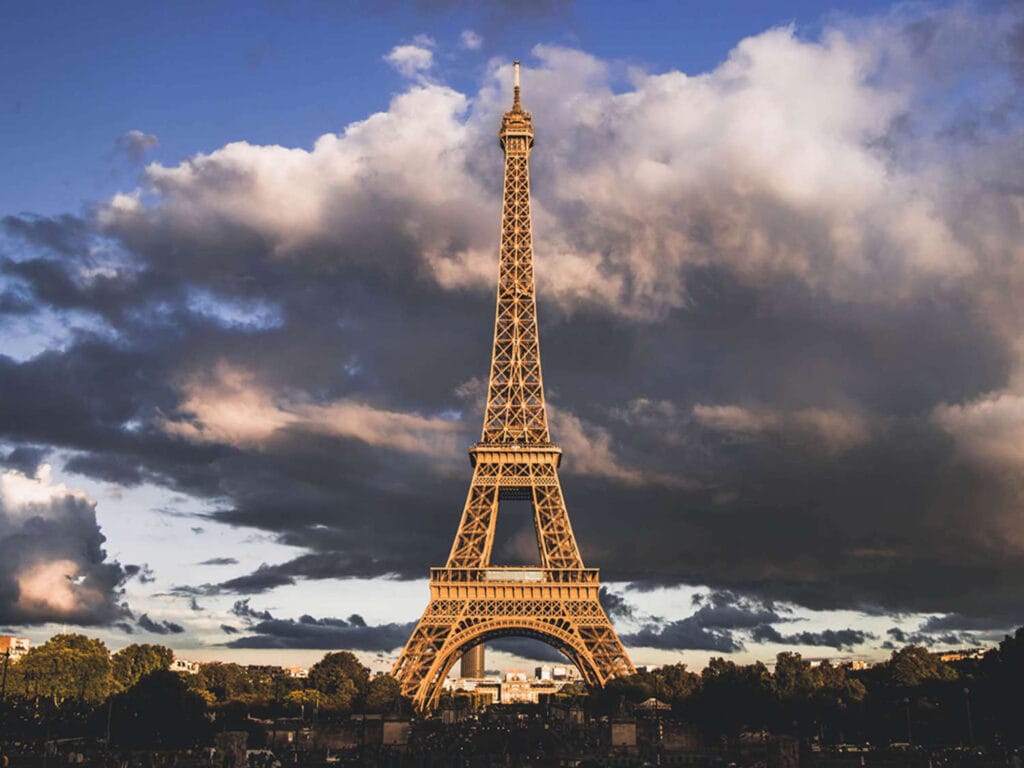
1. Temperature Affects Height
The tower may expand slightly — by up to 18 cm — on hot days due to thermal expansion of iron.
2. A Tiny Apartment at the Top
Gustave Eiffel built a private apartment near the summit, complete with furnishings and scientific equipment, once hosting notable guests including Thomas Edison.
3. Repainting Ritual
To prevent rust, the Eiffel Tower is repainted every seven years using about 60 tons of paint.
4. Visitor Magnet
Before the pandemic, the tower drew nearly 7 million visitors annually, making it the most-visited paid tourist monument worldwide.
Iconic Symbol of France and Paris
The Eiffel Tower is more than steel and rivets — it is a cultural emblem representing Paris’ identity as the “City of Light”. Its image graces postcards, films, and art worldwide, embodying romance, innovation, and French cultural heritage.
From the Champ de Mars, the tower presides over Paris like a silent guardian of history and modernity intertwined.
Visiting Today: Practical Tips
Visiting the Eiffel Tower today can be a smooth, memorable experience if you plan ahead and embrace a few savvy strategies. One of the most useful Paris Eiffel Tower facts is that tickets — especially for summit access — are often sold out long before your visit, so booking online well in advance is strongly recommended to avoid long queues and secure your preferred time slot.
Early mornings and late evenings are ideal for shorter lines and spectacular views, from soft morning light over Paris to the tower’s hourly glittering lights after dusk. Arriving about 15–20 minutes before your ticket time allows for security checks without stress. Once inside, allocate roughly 2–3 hours to explore multiple levels and take in panoramic cityscapes — a Paris experience that’s as efficient as it is unforgettable.
Final Thoughts
These Paris Eiffel Tower facts reveal both the monument’s historical significance and its enduring appeal. The answers to “Eiffel Tower in which country?” and “Where is the Eiffel Tower located?” root it firmly in the heart of France’s capital, while its architecture, history, and symbolism soar beyond national borders. Whether you’re planning a visit or simply marvel at its silhouette on the horizon, La Dame de Fer remains a testament to human creativity, resilience, and timeless allure.