
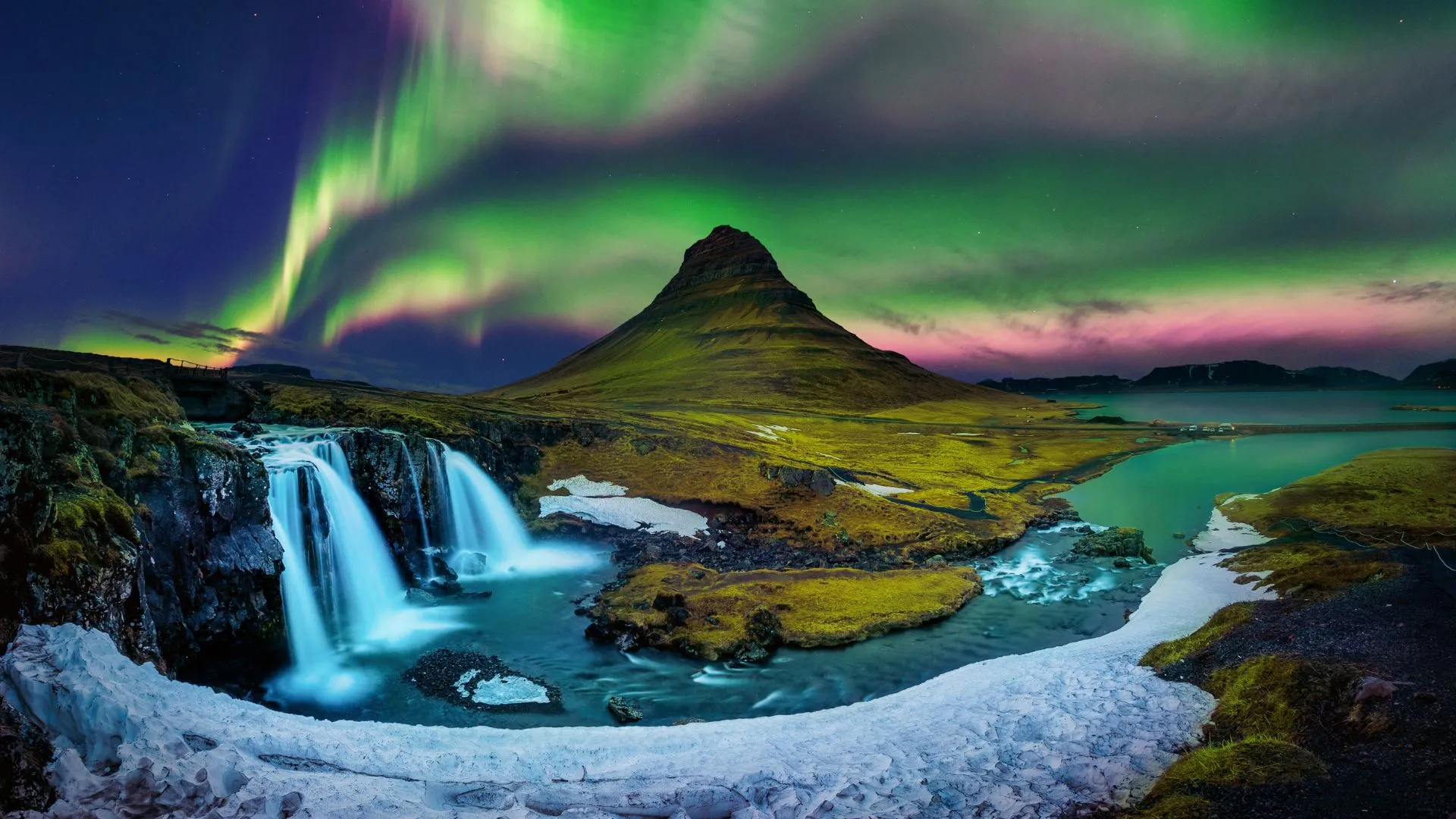
Iceland is not just a destination—it’s a dramatic performance staged by nature itself. Volcanoes breathe beneath glaciers, waterfalls crash with operatic force, and the sky occasionally erupts into ribbons of green and purple light. Choosing the best time to visit Iceland is less about picking a date on the calendar and more about deciding which version of this extraordinary country you want to experience.
Do you dream of chasing the Northern Lights across frozen plains? Or hiking beneath the Midnight Sun with endless daylight? Perhaps soaking in geothermal lagoons while snow falls quietly around you? Iceland offers all of this—but not all at once. Timing shapes everything: the light, the weather, the roads, and even the rhythm of daily life.
This guide breaks down Iceland’s seasons, lists monthly temperatures, explains what Iceland is famous for, and helps you decide the best time to visit Iceland for your personal travel style.
Why Iceland Is So Famous for Tourists?
Before diving into seasons, it’s worth understanding why Iceland has become one of the world’s most sought-after destinations:
- Northern Lights (Aurora Borealis)
- Volcanoes, geysers, and hot springs (like the Blue Lagoon)
- Glaciers and ice caves
- Waterfalls such as Gullfoss, Skógafoss, and Seljalandsfoss
- Black sand beaches at Reynisfjara
- Whale watching and puffin colonies
- The Ring Road—one of the most scenic drives on Earth
This blend of raw geology and cinematic landscapes is what makes the question of the best time to visit Iceland so important—each season reveals a different face of the island.
Also Read – 8 Best Hotels In Iceland That Will Exceed Your Expectations
Iceland by the Seasons — A Quick Overview
- Winter (Nov–Mar): Northern Lights, ice caves, snowy landscapes
- Spring (Apr–May): Fewer crowds, melting snow, shoulder season value
- Summer (Jun–Aug): Midnight Sun, hiking, road trips, festivals
- Autumn (Sep–Oct): Fall colours, early auroras, quieter travel
Month-Wise Weather in Iceland
| Month | Avg. Temperature | Daylight | Travel Highlights |
|---|---|---|---|
| January | -1°C to 3°C | 4–5 hrs | Ice caves, Northern Lights |
| February | -1°C to 4°C | 6–8 hrs | Snow landscapes, auroras |
| March | 0°C to 5°C | 10–13 hrs | Winter fading, auroras |
| April | 1°C to 7°C | 13–16 hrs | Spring thaw, fewer crowds |
| May | 4°C to 10°C | 16–20 hrs | Road trips begin, greenery |
| June | 8°C to 15°C | 20–24 hrs | Midnight Sun, hiking |
| July | 10°C to 17°C | 18–21 hrs | Peak summer, festivals |
| August | 9°C to 15°C | 16–18 hrs | Best for driving Ring Road |
| September | 6°C to 11°C | 12–14 hrs | Fall colours, auroras return |
| October | 2°C to 7°C | 8–10 hrs | Quieter, early winter feel |
| November | 0°C to 5°C | 5–7 hrs | Ice caves start, auroras |
| December | -1°C to 3°C | 4–5 hrs | Winter magic, festive season |
Summer (June to August) — The Season of Endless Light
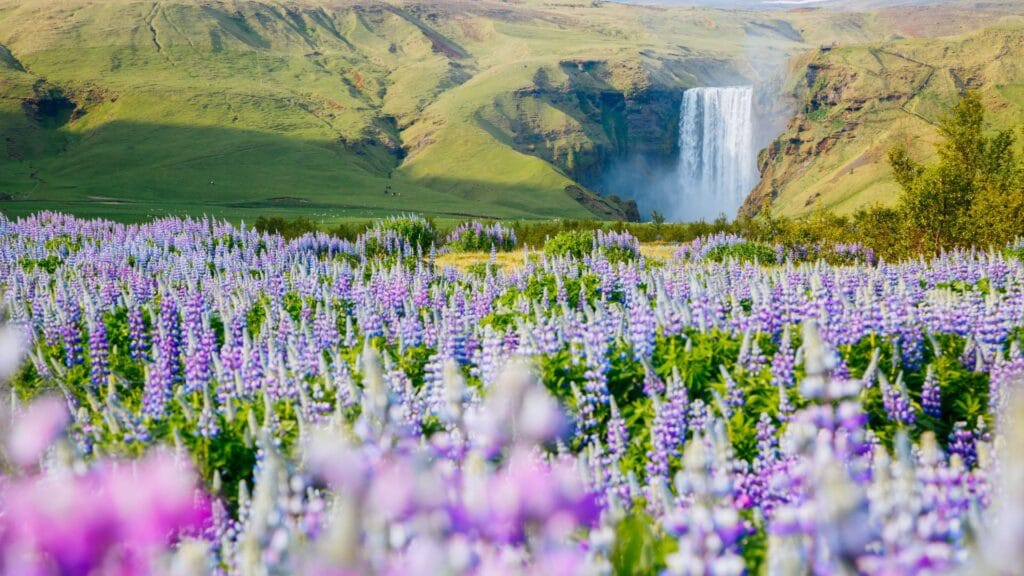
For many travelers, summer is the best time to visit Iceland—and it’s easy to see why. Temperatures range from 8°C to 17°C, roads are open, and the Midnight Sun means you can explore almost around the clock.
What Summer Is Famous For:
- Hiking in Landmannalaugar and Þórsmörk
- Driving the full Ring Road
- Puffin watching along coastal cliffs
- Festivals and lively Reykjavik nightlife
- Lush green landscapes and powerful waterfalls
Why Choose Summer:
- Best road conditions
- Maximum accessibility to highland regions
- Comfortable temperatures for outdoor activities
The trade-off? More crowds and higher prices. Still, for first-time visitors who want to see “everything,” summer is often considered the best time to visit Iceland.
Winter (November to March) — The Realm of Ice and Light
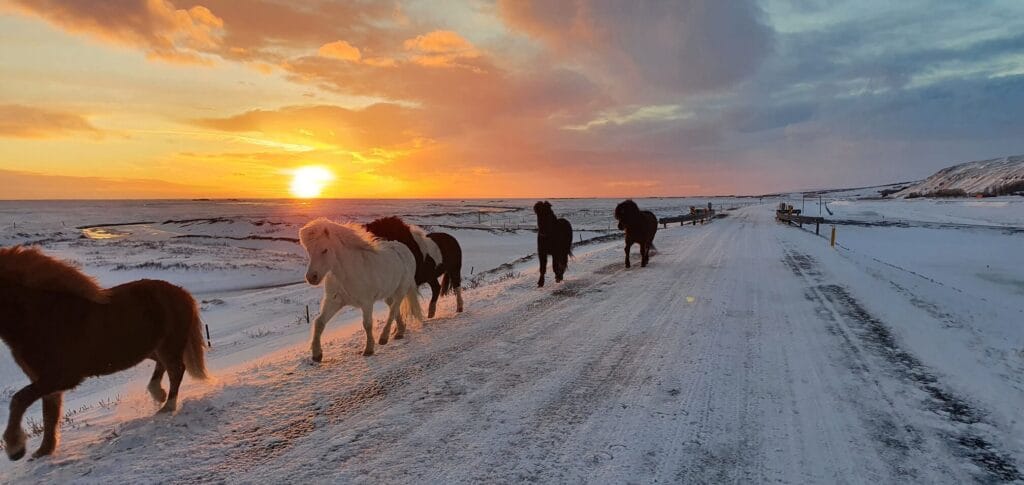
Winter is cold, yes—but it’s also magical. With temperatures typically between -1°C and 5°C, Iceland transforms into a snow-covered fantasy.
What Winter Is Famous For:
- Northern Lights dancing across dark skies
- Ice caves inside glaciers like Vatnajökull
- Frozen waterfalls and dramatic winter photography
- Cozy geothermal hot springs in snowy settings
Why Choose Winter:
- Best season for aurora hunting
- Fewer tourists
- Unique ice and snow landscapes
If the Northern Lights are your main goal, winter is undeniably the best time to visit Iceland for that once-in-a-lifetime experience.
Spring (April to May) — The Quiet Awakening
Spring is a shoulder season, with temperatures from 1°C to 10°C. Snow begins to melt, days grow longer, and the island slowly wakes up.
What Spring Is Famous For:
- Fewer tourists and better prices
- Waterfalls at their most powerful from snowmelt
- Early wildflowers and returning birdlife
Why Choose Spring:
- A balance between winter drama and summer accessibility
- Less crowded attractions
- Good for photographers and budget-conscious travellers
For those who want calm exploration, spring can feel like the best time to visit Iceland without the summer rush.
Autumn (September to October) — Gold, Red, and Aurora Green
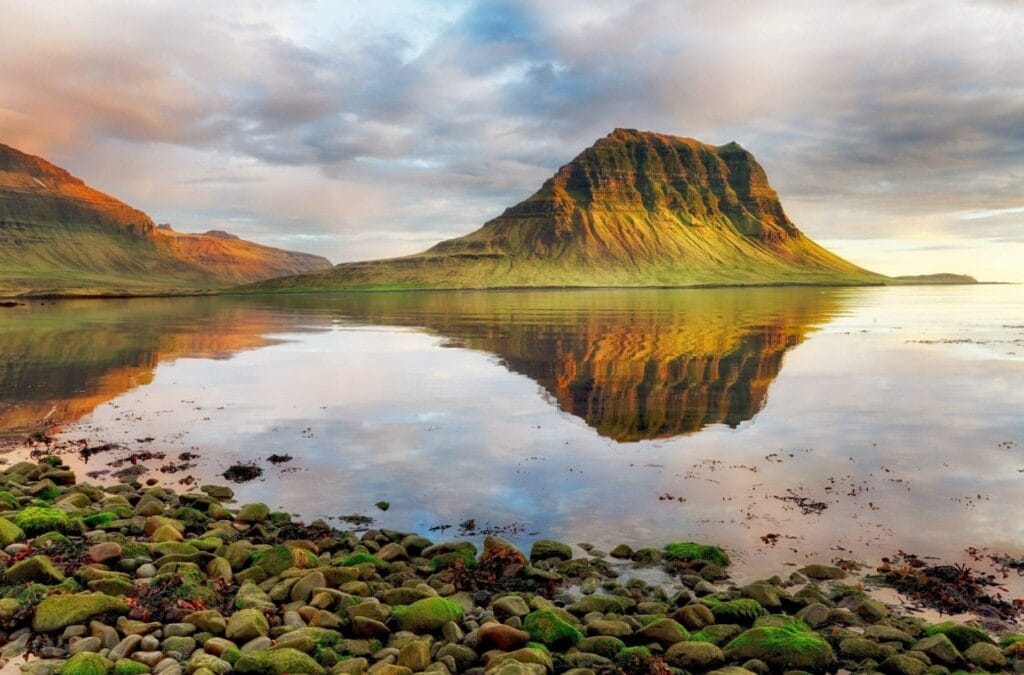
Autumn brings crisp air and moody skies, with temperatures around 2°C to 11°C. It’s a season of contrast: fading daylight, returning Northern Lights, and warm autumn colours.
What Autumn Is Famous For:
- Early Northern Lights sightings
- Fall colours in valleys and hills
- Fewer crowds than summer
- Dramatic, cinematic landscapes
Why Choose Autumn:
- A blend of summer access and winter atmosphere
- Better chances of seeing auroras without deep winter cold
For many photographers and repeat visitors, autumn feels like a secret best time to visit Iceland.
So, What Is the Best Time to Visit Iceland?
The honest answer depends on what you want most:
- For Northern Lights & ice caves: November to March
- For road trips & hiking: June to August
- For fewer crowds & good value: April–May and September–October
- For balance and variety: Late May or early September
In terms of overall accessibility and variety of experiences, June to August is most often recommended as the best time to visit Iceland—but winter holds a special magic that summer simply cannot offer.
Practical Travel Tips by Season
- Pack layers year-round: Icelandic weather changes fast.
- Check road conditions: Especially in winter and shoulder seasons.
- Book early for summer: Accommodation sells out quickly.
- Plan flexibly in winter: Weather can affect tours and drives.
Conclusion: Iceland Has No Bad Season—Only Different Stories
There is no single, universal best time to visit Iceland—there is only the season that best matches your dreams. Summer tells a story of endless light and open roads. Winter whispers in auroras and ice. Spring and autumn offer quieter, more introspective journeys through one of Earth’s most dramatic landscapes.
What remains constant is Iceland itself: a land of fire and ice, waterfalls and volcanoes, silence and spectacle. Choose your season, and Iceland will reward you with a journey that feels nothing short of legendary.