
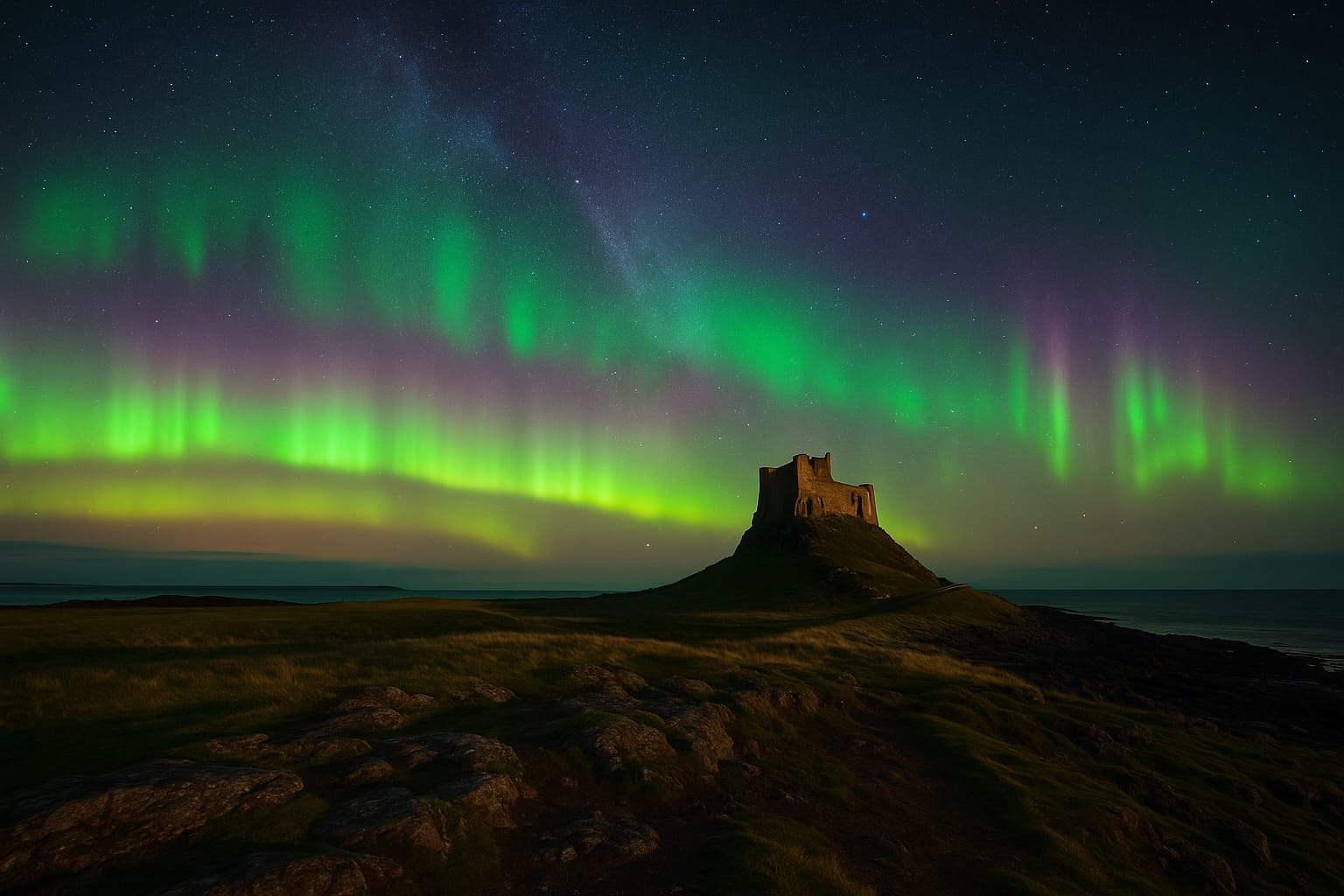
Few natural spectacles rival the ethereal beauty of the Aurora Borealis, more commonly known as the Northern Lights. These shimmering ribbons of green, violet, and pink dancing across the night sky have captivated travellers, scientists, and dreamers for centuries.
If the question “where to see northern lights?” has ever crossed your mind, the answer lies in a handful of remote, pristine regions near the Arctic Circle. These locations combine clear skies, minimal light pollution, and optimal geomagnetic conditions—making them some of the best places on Earth to witness this celestial phenomenon.
In this guide, discover nine extraordinary destinations where to see northern lights, along with practical travel tips, seasonal temperatures, and what makes each destination special for travellers seeking the ultimate aurora experience.
Understanding the Northern Lights
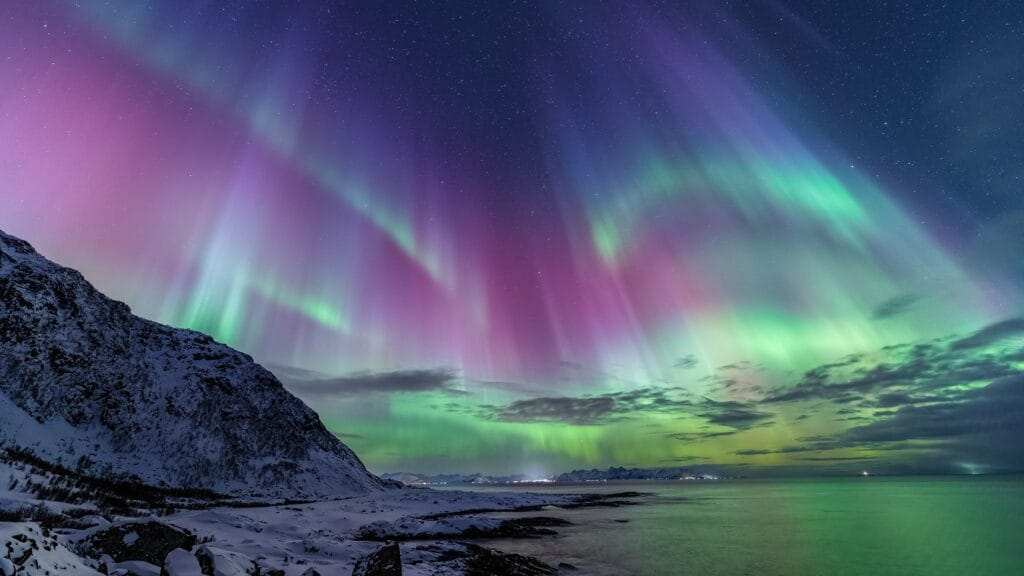
Before exploring where can we see northern lights, it helps to understand the science behind them.
The aurora borealis occurs when charged particles from the sun collide with gases in Earth’s upper atmosphere. These interactions produce glowing colours—typically green, but sometimes purple, red, or blue.
Best Time to See the Aurora Borealis
- Season: Late September to early April
- Best Hours: 9:00 PM – 2:00 AM
- Conditions: Clear skies and minimal moonlight
The closer you travel to the Arctic Circle, the greater the chances of witnessing this phenomenon.
This post contains affiliate links. If you choose to book through them, a small commission may be earned at no additional cost to you. Your support genuinely helps keep the blog running and allows continued creation of high-quality travel guides. Thank you for being here and supporting this journey.
1. Tromsø, Norway – The Arctic Capital of Aurora
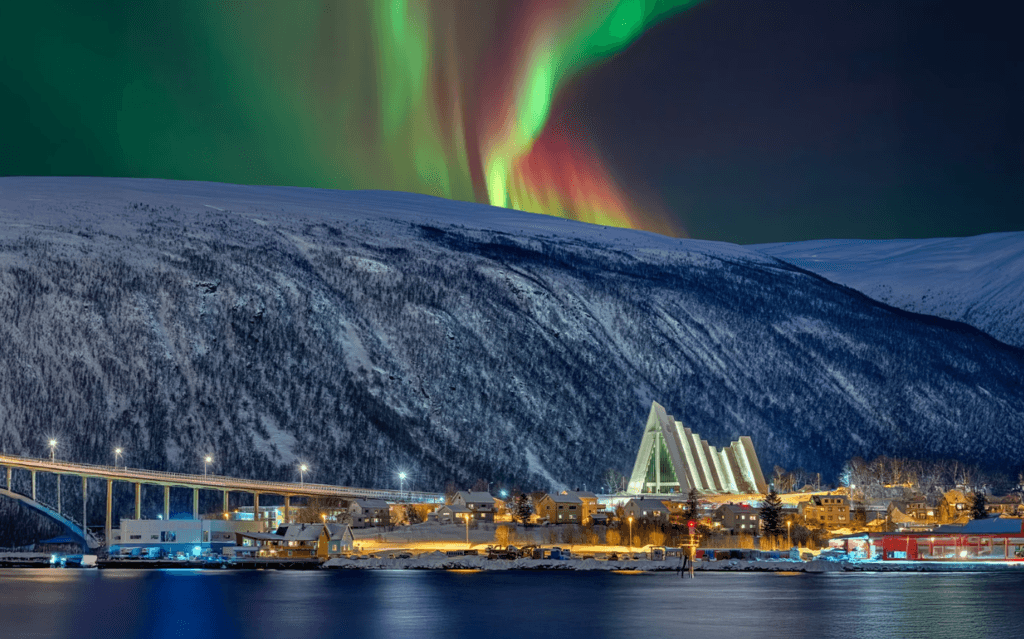
Tromsø is frequently ranked among the best places where to see northern lights in the world.
Why Tromsø is famous?
- Located above the Arctic Circle
- Surrounded by dramatic fjords and snow-covered mountains
- Excellent infrastructure for aurora tourism
Temperature (Winter)
- Average: -5°C to -10°C
Best Time to Visit
- October – March
Visitors can combine aurora hunting with dog sledding, Sami cultural experiences, whale watching, and Arctic cruises. Tromsø’s accessibility and professional aurora tours make it ideal for first-time travellers wondering where can we see northern lights safely and comfortably.
2. Abisko, Sweden – The World’s Clearest Aurora Skies
Abisko National Park in Swedish Lapland is legendary among aurora photographers.
Why Abisko is famous?
- Home to the Aurora Sky Station
- Unique “Blue Hole” weather phenomenon that keeps skies clear even when surrounding regions are cloudy
Temperature (Winter)
- -10°C to -15°C
Best Time to Visit
- November – March
Because of its stable climate and minimal light pollution, Abisko consistently ranks among the top answers to the question: where to see northern lights with the highest probability.
3. Reykjavik & Thingvellir, Iceland – Fire, Ice, and Aurora
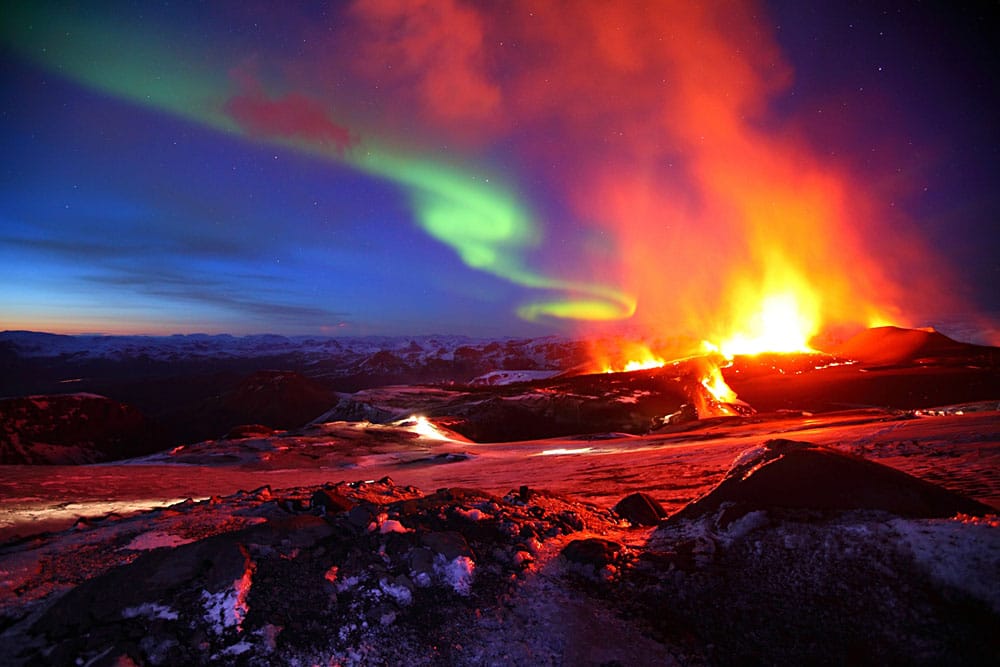
Iceland offers an extraordinary mix of volcanoes, glaciers, geysers, and auroras.
Why Iceland is famous?
- Northern lights visible within short drives from Reykjavik
- Dramatic landscapes perfect for photography
- Geothermal spas like the Blue Lagoon
Temperature (Winter)
- 0°C to -5°C
Best Time to Visit
- September – March
Travellers exploring where can we see northern lights combined with dramatic scenery will find Iceland unmatched. Many tours depart Reykjavik nightly during aurora season.
4. Rovaniemi, Finland – Santa’s Magical Aurora Home
Located in Finnish Lapland, Rovaniemi is famous as the official hometown of Santa Claus.
Why Rovaniemi is famous?
- Santa Claus Village
- Glass igloos designed for aurora viewing
- Winter activities like reindeer safaris
Temperature (Winter)
- -10°C to -20°C
Best Time to Visit
- December – March
Luxury glass igloo resorts allow travellers to watch the aurora from their beds, making Rovaniemi one of the most magical places where to see northern lights with comfort and romance.
5. Fairbanks, Alaska – America’s Aurora Capital
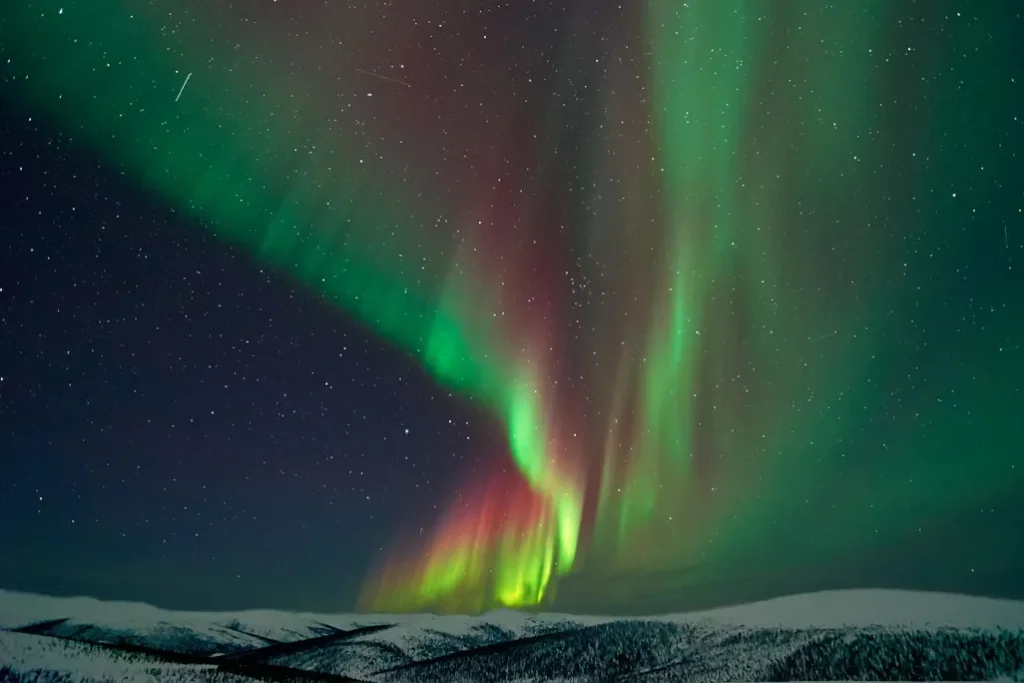
Fairbanks is widely regarded as the best place in the United States where to see northern lights.
Why Fairbanks is famous?
- Located directly under the auroral oval
- Extremely high aurora activity
Temperature (Winter)
- -20°C to -30°C
Best Time to Visit
- August – April
Aurora viewing lodges and remote wilderness tours offer incredible opportunities for travellers searching where can we see northern lights in North America.
6. Yellowknife, Canada – Aurora Capital of North America
Yellowknife in Canada’s Northwest Territories offers some of the most reliable aurora sightings in the world.
Why Yellowknife is famous?
- Over 240 aurora viewing nights per year
- Crystal-clear winter skies
Temperature (Winter)
- -25°C to -35°C
Best Time to Visit
- November – March
Because of its extremely dry climate, Yellowknife remains one of the most dependable answers to the question: where to see northern lights with near-guaranteed visibility.
7. Murmansk, Russia – Arctic Adventure
Murmansk is the largest city north of the Arctic Circle.
Why Murmansk is famous?
- Unique Soviet-era Arctic history
- Access to remote aurora viewing locations
Temperature (Winter)
- -10°C to -20°C
Best Time to Visit
- September – March
This destination appeals to travellers seeking less crowded locations where can we see northern lights in a truly Arctic setting.
8. Scottish Highlands – Europe’s Hidden Aurora Spot
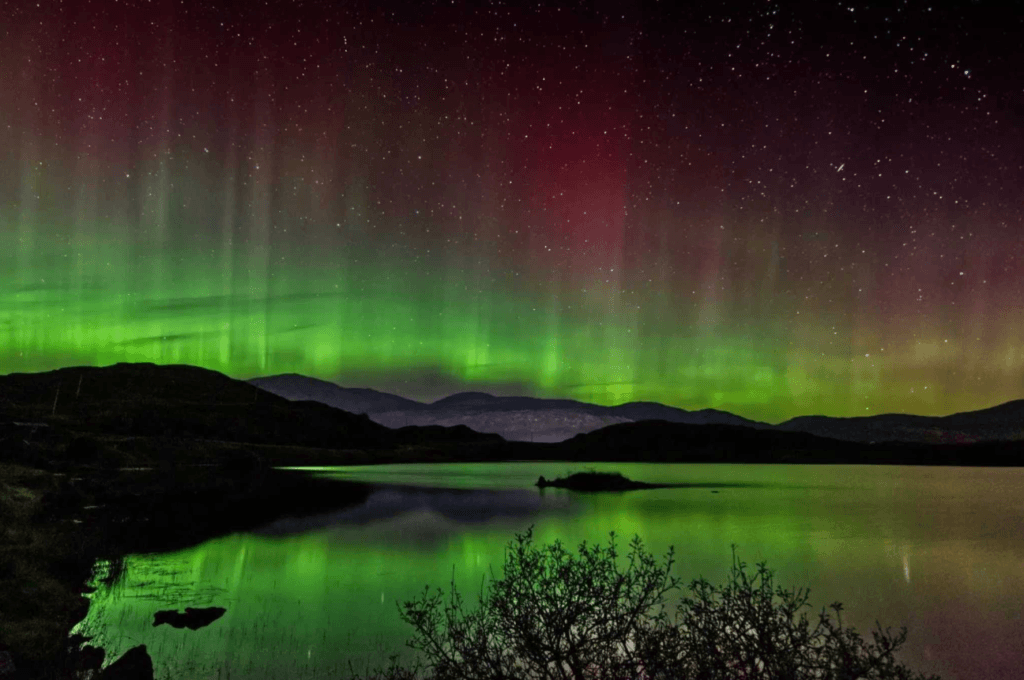
Many travellers are surprised to learn that the Northern Lights occasionally appear in Scotland.
Why the Highlands are famous?
- Dramatic landscapes
- Historic castles and rugged coastlines
Temperature (Winter)
- 0°C to 5°C
Best Time to Visit
- October – February
Though sightings are less frequent than in Scandinavia, Scotland remains an exciting option for travellers asking where to see northern lights without traveling deep into the Arctic.
9. Greenland – Untouched Arctic Wilderness
Greenland offers one of the most remote and pristine aurora viewing environments on Earth.
Why Greenland is famous?
- Vast glaciers and icebergs
- Extremely dark skies
- Authentic Inuit culture
Temperature (Winter)
- -15°C to -25°C
Best Time to Visit
- September – April
For adventurous travellers wondering where can we see northern lights away from crowds, Greenland delivers a truly unforgettable experience.
Best Months to See Northern Lights
| Month | Aurora Visibility | Temperature Range |
|---|---|---|
| September | Excellent | 0°C to 10°C |
| October | Excellent | -5°C to 5°C |
| November | Very High | -10°C to 0°C |
| December | High | -20°C to -5°C |
| January | High | -25°C to -10°C |
| February | Very High | -20°C to -10°C |
| March | Excellent | -15°C to 0°C |
These months provide the darkest skies and strongest solar activity, making them ideal periods when travellers search where to see northern lights across the Arctic regions.
Tips for Seeing the Northern Lights
Even in the best destinations where to see northern lights, patience and preparation are essential.
1. Escape Light Pollution
Travel away from cities and urban areas.
2. Monitor Aurora Forecasts
Use tools like:
- NOAA Aurora Forecast
- Aurora Alert apps
3. Stay Multiple Nights
Aurora sightings are unpredictable. Staying 3–5 nights increases your chances significantly.
4. Dress for Arctic Conditions
Temperatures can drop below -30°C, so thermal layers, insulated boots, and gloves are essential.
Why the Northern Lights Are One of Earth’s Greatest Experiences?
For centuries, cultures around the Arctic created myths to explain the aurora. Some believed they were spirits dancing across the sky, while others thought they were reflections from celestial oceans.
Today, scientists understand the physics behind them—but the emotional impact remains the same.
Standing beneath a sky illuminated with moving ribbons of light is more than a travel moment; it is a profound encounter with the universe itself.
For travellers asking where can we see northern lights, the destinations above offer the best chances to experience this magical phenomenon.
Final Thoughts
Finding the perfect place where to see northern lights is about more than geography—it is about timing, preparation, and choosing a destination that offers both clear skies and unforgettable surroundings.
Whether it is the fjords of Norway, the frozen wilderness of Canada, the volcanoes of Iceland, or the remote Arctic landscapes of Greenland, the aurora borealis transforms an ordinary winter night into something extraordinary.
For those who dream of witnessing nature’s most spectacular light show, the answer to where can we see northern lights lies in these remarkable corners of the planet—where the sky itself becomes a canvas of cosmic beauty.