

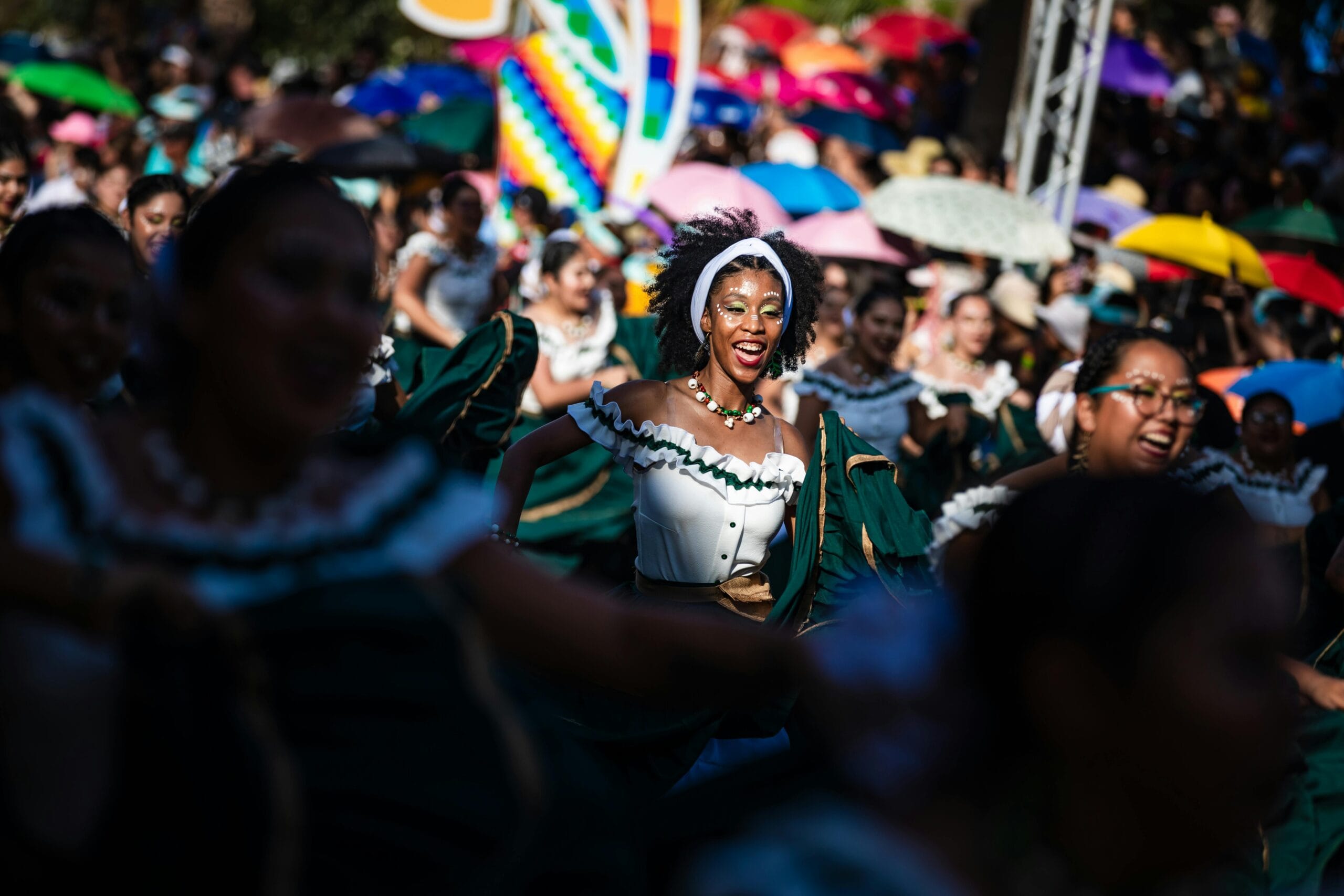
Brazil’s cultural identity is deeply rooted in rhythm, movement, and storytelling, and nowhere is this more visible than in its dance traditions. Brazilian traditional dance reflects a unique fusion of Indigenous roots, African heritage, and Portuguese influence, shaped over centuries of migration and cultural exchange. These dances are not merely performances—they are living expressions of history, resistance, and celebration.
The diversity within Brazilian dance is remarkable, ranging from high-energy carnival styles to intimate partner dances and ritualistic forms tied to spirituality. In particular, Afro Brazilian dance styles carry profound significance, preserving ancestral traditions through movement, music, and symbolism.
Across Brazil, dance connects communities, whether in street festivals, religious ceremonies, or social gatherings, offering travellers and culture enthusiasts an authentic glimpse into the nation’s vibrant soul.
7 Iconic Brazilian Dance Styles You Must Know
1. Samba – The Heartbeat of Brazil
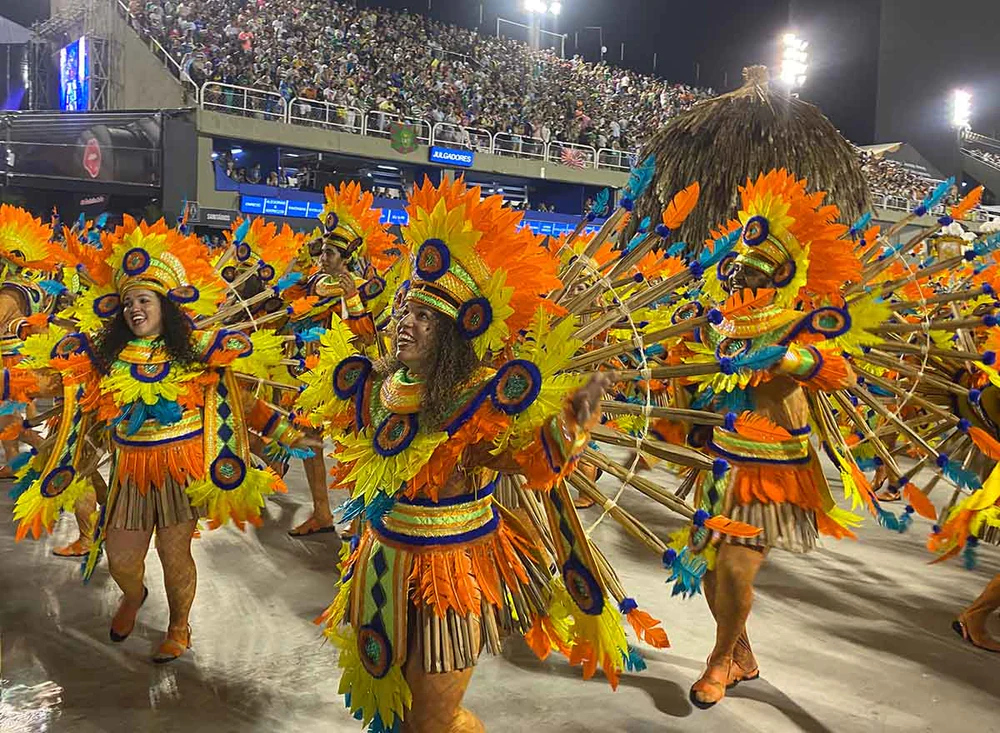
Samba is the most recognised Brazilian traditional dance, originating in the Afro-Brazilian communities of Bahia before evolving into the defining rhythm of Rio de Janeiro. It is deeply tied to Carnival, where samba schools compete in elaborate parades judged on choreography, music, and storytelling.
The dance is characterised by rapid footwork, fluid hip movements, and syncopated rhythms driven by percussion instruments like the surdo and tamborim. Each samba school represents a community, often telling historical or cultural narratives through performance.
Beyond Carnival, samba is a social dance found in everyday Brazilian life, from local clubs to street celebrations. Its ability to unite people through rhythm makes it a powerful cultural symbol.
Also Read – Best South American Countries to Visit: Top Destinations & Hidden Gems
2. Capoeira – Dance Meets Martial Art
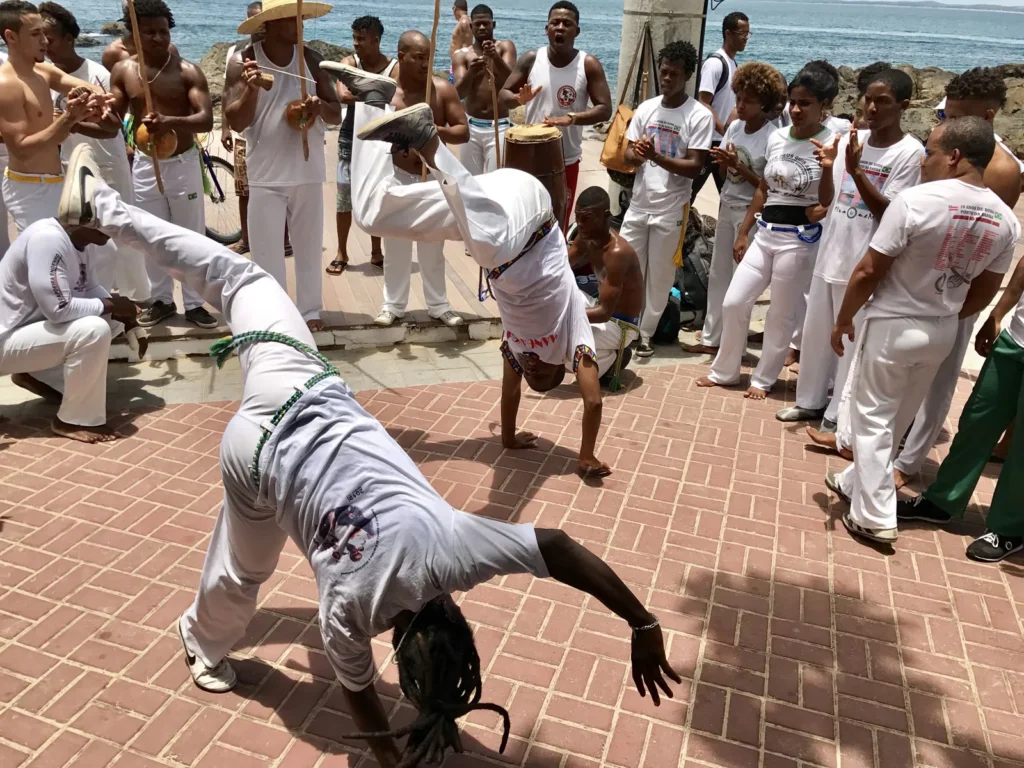
Capoeira is one of the most distinctive afro Brazilian dance styles, blending martial arts, music, and acrobatics. Developed by enslaved Africans, it was disguised as dance to avoid punishment while training for self-defence.
Performed in a circle called a roda, participants engage in a fluid exchange of kicks, spins, and evasive movements, guided by music played on traditional instruments like the berimbau. The rhythm dictates the speed and intensity of the interaction.
Capoeira is both a physical practice and a cultural ritual, emphasising discipline, strategy, and respect. Today, it is practiced worldwide, symbolising resilience, freedom, and cultural identity rooted in Afro-Brazilian heritage.
Also Read – Brazil Travel Destinations: 9 Incredible Places & Essential Brazil Facts
3. Forró – The Soul of Northeastern Brazil
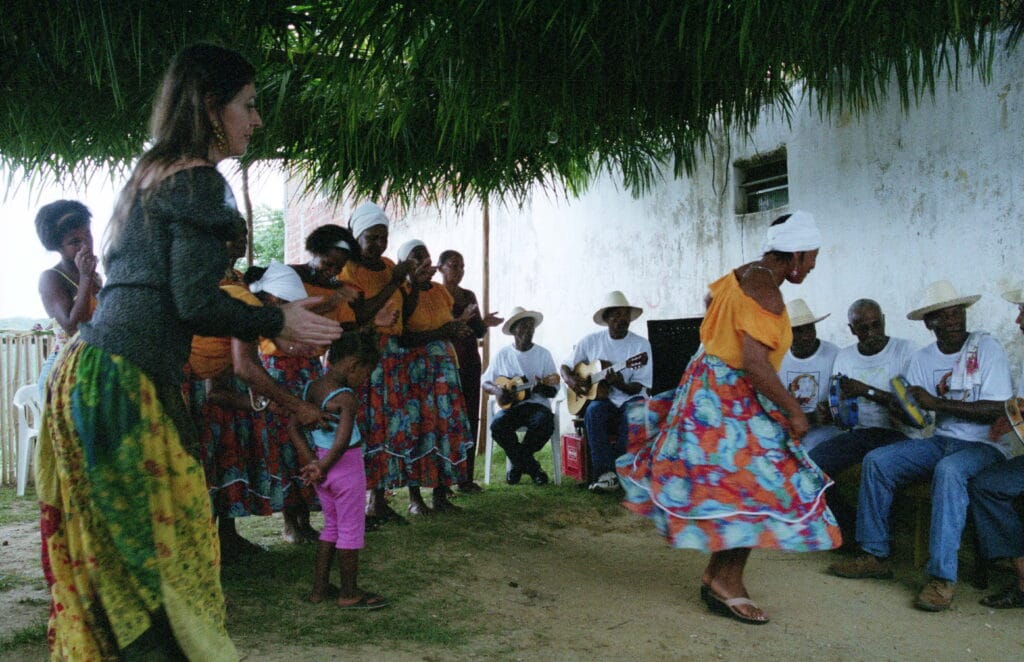
Forró is a popular dance that originated in the northeastern states, particularly Pernambuco and Ceará. It is closely associated with Festa Junina festivals, where communities celebrate rural traditions through music, dance, and food.
The dance is performed in pairs, with close body positioning and simple, rhythmic steps that follow the beat of accordion-driven music. Instruments such as the zabumba and triangle create a distinctive sound that defines the style.
Forró is accessible and social, making it one of the most widely practiced dances in Brazil. Its charm lies in its simplicity and emotional connection, often reflecting themes of love, migration, and everyday life.
Also Read – 6 Authentic Cultural Immersion Experiences in South America
4. Frevo – High-Energy Street Dance
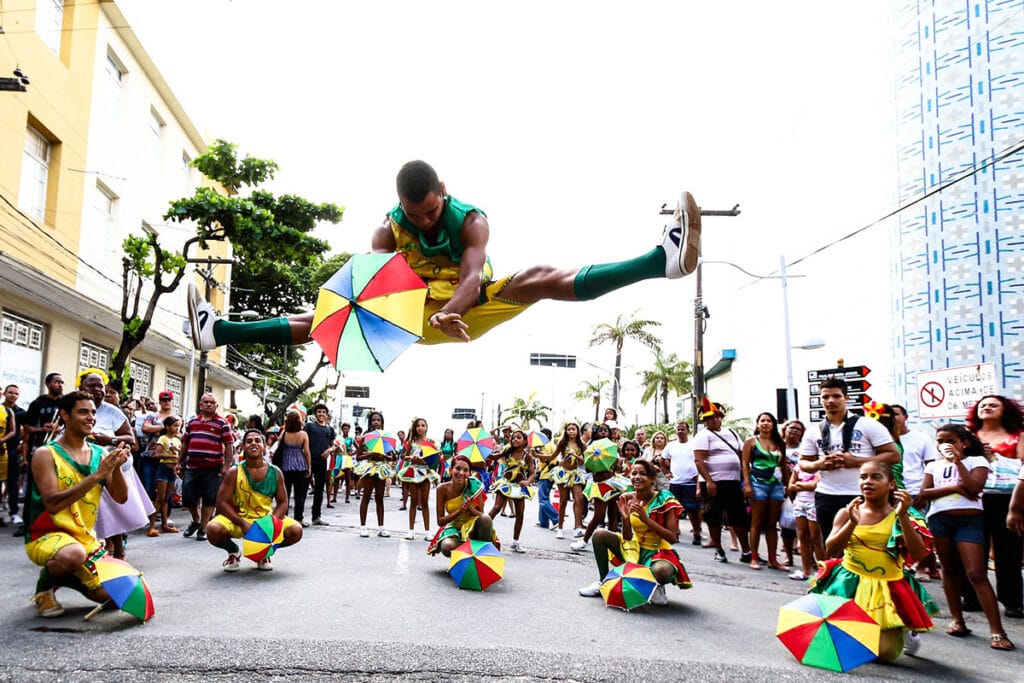
Frevo is an energetic Brazilian dance originating from Recife in Pernambuco. Known for its fast tempo and acrobatic movements, it is performed during Carnival with dancers carrying small, colorful umbrellas.
The dance requires agility and precision, incorporating jumps, spins, and complex footwork inspired by martial arts. The umbrellas, originally used for balance, have become a symbolic prop.
Frevo is recognised by UNESCO as an intangible cultural heritage, highlighting its cultural importance. It reflects the vibrant street culture of northeastern Brazil and showcases the creativity and athleticism of its performers.
5. Maracatu – Afro-Brazilian Royal Tradition
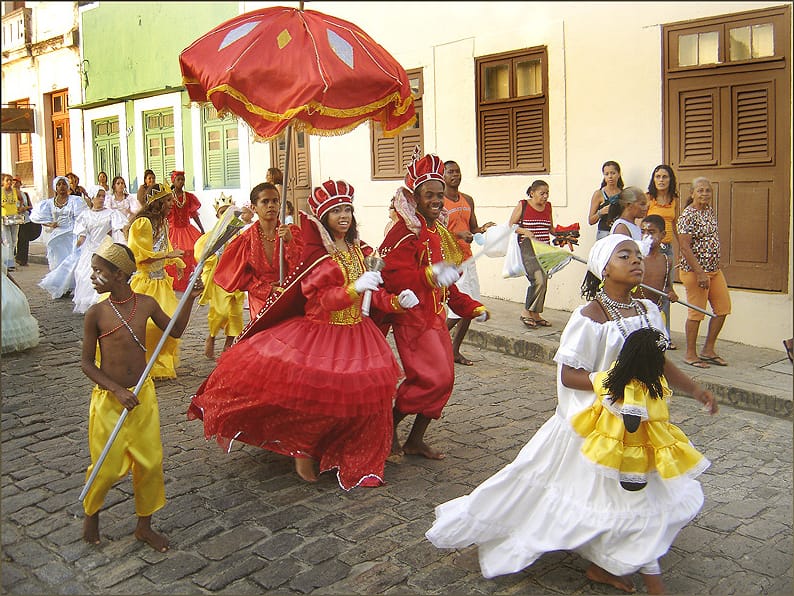
Maracatu is a ceremonial performance rooted in Afro Brazilian dance styles, particularly in Pernambuco. It originated from traditions honoring African kings and queens during colonial times.
The dance is performed in processions accompanied by powerful drumming, with participants dressed in elaborate royal costumes representing court figures. Each role carries symbolic meaning tied to Afro-Brazilian history.
Maracatu is more than entertainment—it is a cultural expression preserving ancestral memory and identity. It remains an important part of Carnival celebrations and local traditions, offering insight into Brazil’s African heritage.
6. Axé – Modern Carnival Energy
Axé is a contemporary Brazilian dance style that emerged in Salvador during the 1980s. It combines elements of samba, reggae, and Caribbean rhythms, creating an energetic and accessible dance form.
Often performed in large groups, Axé features simple, repetitive choreography that encourages participation, making it popular during Carnival and music festivals. The dance is closely linked to Axé music, which dominates celebrations in Bahia.
Its appeal lies in its inclusivity—anyone can join in, regardless of skill level. Axé reflects the evolving nature of Brazilian culture, blending traditional influences with modern creativity.
7. Samba de Roda – Traditional Roots
Samba de Roda is one of the oldest forms of traditional dance of Brazil, originating in Bahia and considered the foundation of modern samba. It is performed in a circle, with participants clapping, singing, and taking turns dancing in the centre.
The movements are expressive and often improvised, accompanied by percussion instruments and call-and-response singing. This style is deeply connected to Afro-Brazilian communities and cultural traditions.
Recognised by UNESCO, Samba de Roda represents a vital link between past and present, preserving the roots of Brazilian music and dance. It offers an authentic glimpse into the origins of Brazil’s most famous cultural expressions.
Why Brazilian Dance is Globally Influential?
Brazilian dance holds global influence because it combines accessibility with deep cultural richness. Its rhythms are built on strong, repetitive percussion patterns that are easy to follow, allowing people from different backgrounds to engage quickly, even without formal training. At the same time, these dances carry layered meanings—rooted in history, migration, and identity—which adds depth beyond simple movement.
Another key reason is adaptability. Many styles have evolved alongside modern music, making them relevant in clubs, studios, and global festivals. Their visual appeal—energetic footwork, expressive body movement, and vibrant costumes—translates well across media and performance spaces.
Additionally, the communal nature of these dances encourages participation rather than observation, helping them spread organically worldwide through social interaction, workshops, and cultural exchange.