
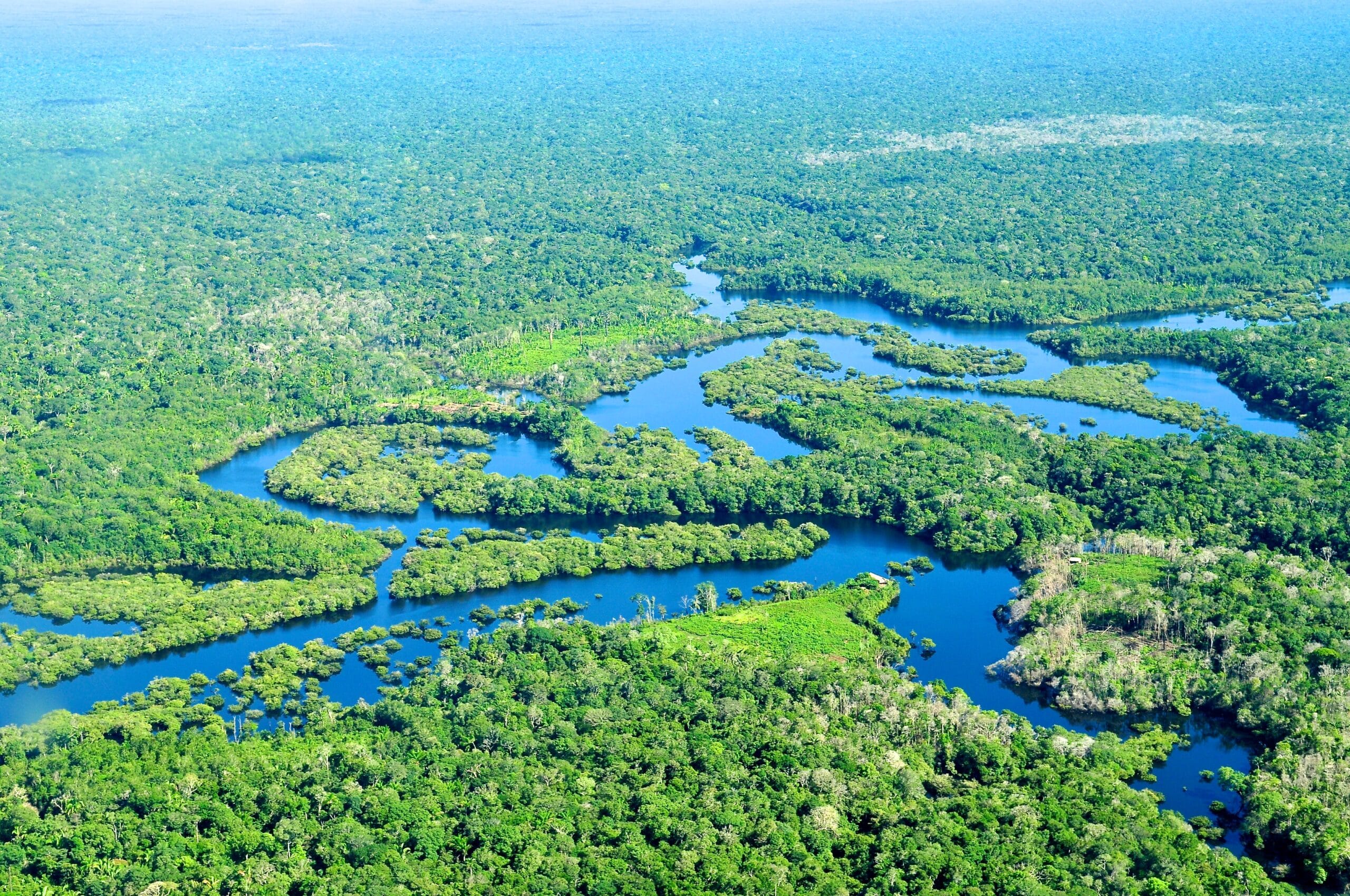
The Amazon is not just a forest—it is a vast, living ecosystem that shapes the planet’s climate, biodiversity, and environmental balance. Understanding key facts about the amazon rainforest reveals why it is often referred to as the “lungs of the Earth.” Spanning across nine countries, the south america rain forest is the largest tropical rainforest in the world, covering over 5.5 million square kilometres.
It is home to millions of species, many still undiscovered, and plays a crucial role in absorbing carbon dioxide while producing oxygen. Beyond its ecological importance, the Amazon supports indigenous communities, unique wildlife, and complex natural systems that are essential to global sustainability.
Also Read – Brazilian Animals in the Rainforest: Famous Wildlife & Species Guide
This post contains affiliate links, which means if you book through them, a small commission may be earned at no extra cost to you. Thanks so much for supporting the blog!
10 Fascinating Facts About the Amazon Rainforest
1. The Largest Rainforest on Earth
One of the most fundamental facts about the Amazon rainforest is its immense scale, covering approximately 5.5 million square kilometres across nine countries, with nearly 60% located in Brazil. The South America rain forest stretches across Peru, Colombia, Venezuela, Ecuador, Bolivia, Guyana, Suriname, and French Guiana.
This vast area plays a critical role in regulating global weather systems, influencing rainfall as far away as North America and Europe. The Amazon basin itself is even larger, spanning around 7 million square kilometres. Its size allows for diverse ecosystems, including flooded forests (várzea), upland forests (terra firme), and swamp forests, each supporting unique species and environmental conditions.
2. Home to 10% of the World’s Species
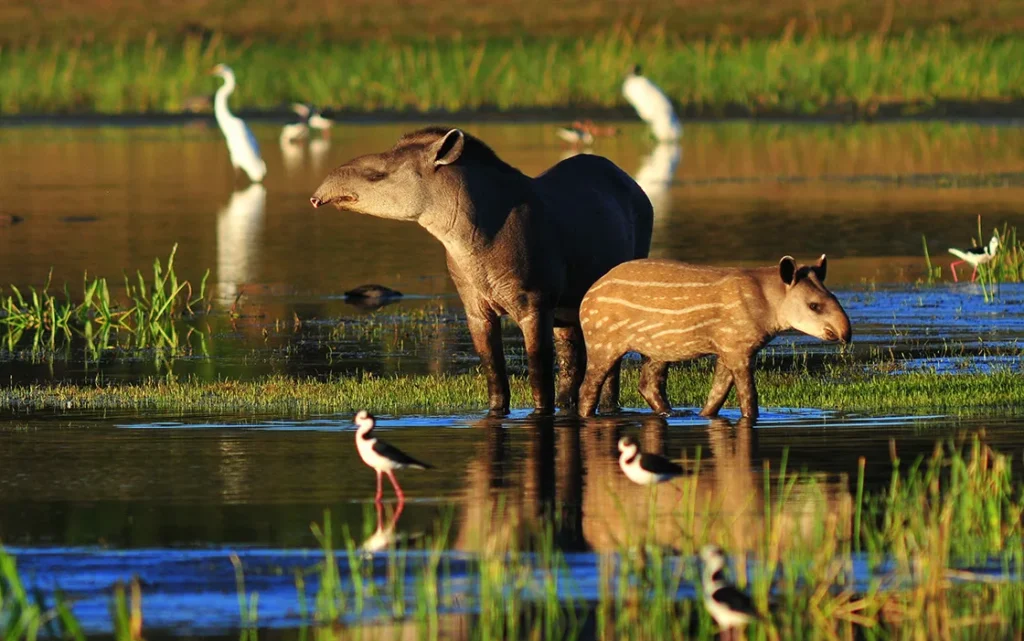
Among the most impressive facts about the Amazon rainforest is its unmatched biodiversity. Scientists estimate that the region contains around 390 billion individual trees representing over 16,000 species. The South America rain forest is home to more than 2.5 million insect species, many of which are still undocumented.
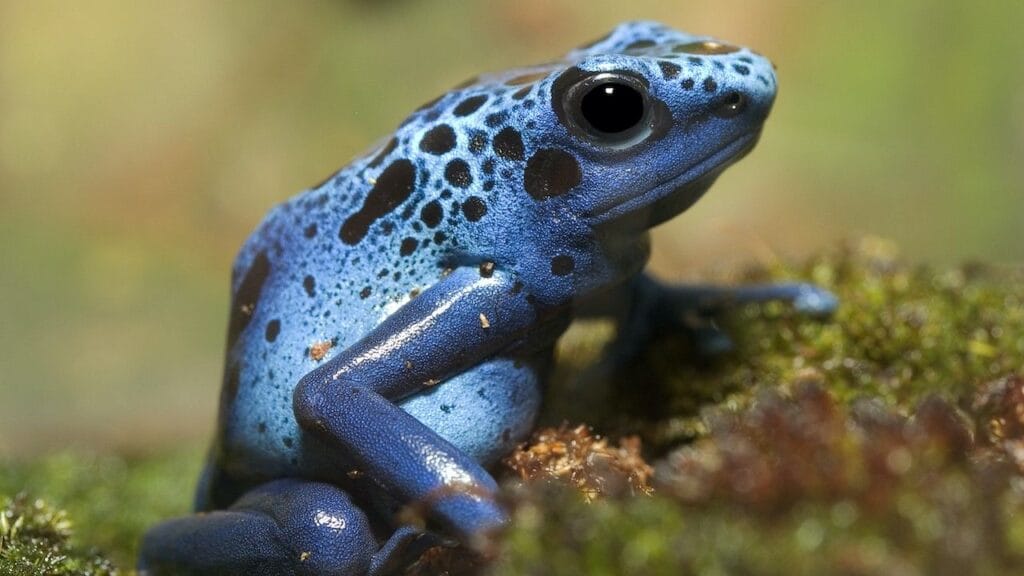
It also hosts approximately 1,300 bird species, including macaws and toucans, and over 400 mammal species, such as jaguars and sloths. Amphibians thrive in the humid environment, with hundreds of frog species, many highly sensitive to ecological changes.
Remarkably, a single hectare of rainforest can contain more tree species than all of North America combined, demonstrating its extraordinary ecological richness.
3. The Amazon River is the World’s Largest
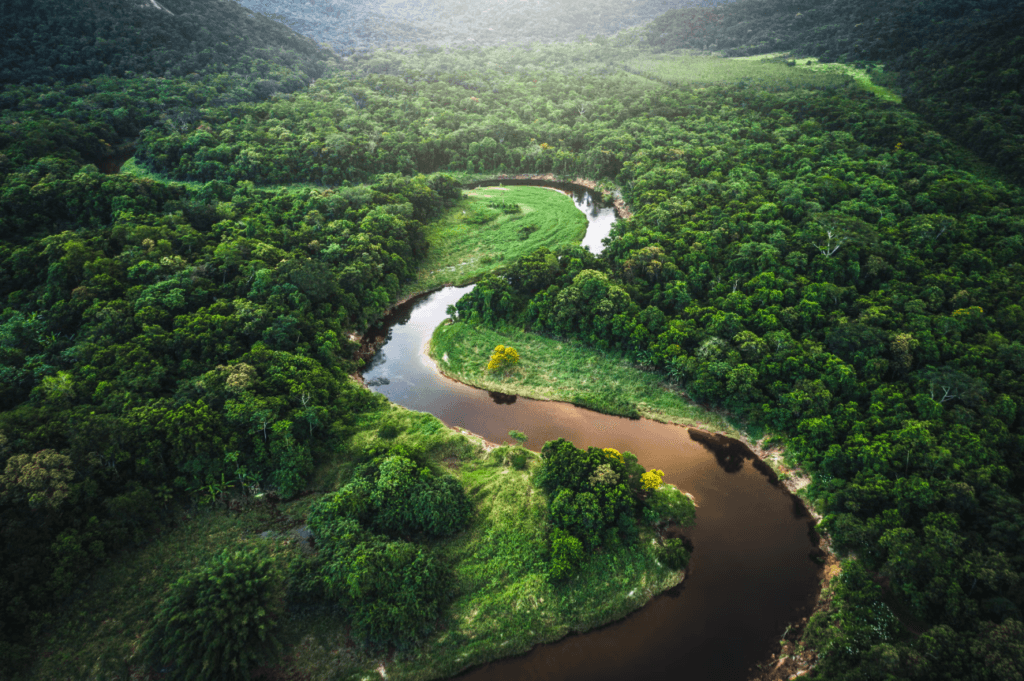
The Amazon River is the largest river in the world by discharge, releasing an estimated 209,000 cubic metres of water per second into the Atlantic Ocean—more than the Nile, Yangtze, and Mississippi combined. This is one of the most striking facts about the Amazon rainforest, highlighting its global hydrological importance.
Stretching over 6,400 kilometres, it flows from the Andes Mountains in Peru through Brazil before reaching the Atlantic. One of its most famous features is the “Meeting of Waters” near Manaus, where the dark Rio Negro and sandy-coloured Solimões flow side by side without mixing for several kilometres due to differences in temperature, speed, and density.
The river system is central to the South America rain forest, supporting over 1,100 tributaries, including major ones like the Madeira and Tapajós. It serves as a primary transport route for remote communities and sustains biodiversity, including over 3,000 fish species, river dolphins, giant otters, and freshwater turtles.
4. Produces Significant Global Oxygen
One of the most widely discussed facts about the Amazon rainforest is its role in the global oxygen and carbon cycle. While it produces large amounts of oxygen through photosynthesis, it also consumes a similar amount through respiration and decomposition.
Its greater importance lies in its ability to store carbon, holding approximately 150–200 billion tonnes of carbon in its vegetation and soil.
The South America rain forest acts as a massive carbon sink, helping regulate global temperatures. However, deforestation and fires reduce this capacity, turning parts of the forest into carbon sources instead of sinks, which contributes to climate change.
5. Indigenous Communities Call It Home
The Amazon is home to over 400 indigenous tribes, with around 100 groups living in voluntary isolation. This is one of the most culturally significant facts about the amazon rainforest.
These communities rely on the forest for food, medicine, and shelter, using sustainable practices developed over thousands of years. Many plants used in modern medicine were originally discovered through indigenous knowledge.
The South American rainforest is deeply tied to their identity and survival. Protecting indigenous territories has proven to be one of the most effective ways to conserve biodiversity and prevent deforestation.
6. Contains Millions of Plant Species
Among essential facts about the rainforest is its role as a natural pharmacy. Scientists estimate that 25% of modern medicines have origins in rainforest plants, yet only a small percentage has been studied.
The rain forest contains over 40,000 plant species, including rubber trees, cacao plants, and medicinal herbs. Its layered structure—emergent, canopy, understory, and forest floor—creates diverse growing conditions.
Many plants produce chemical compounds to defend against predators, which are now being researched for pharmaceutical use. This makes the Amazon invaluable not only ecologically but also medically.
7. Faces Rapid Deforestation
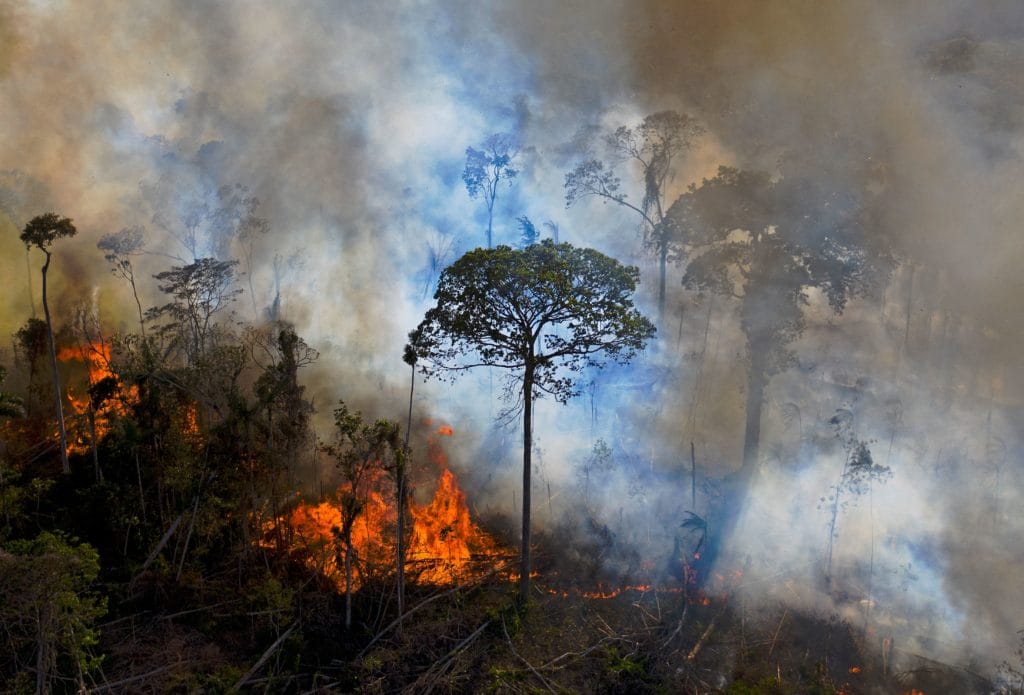
One of the most alarming facts is the rate of deforestation. Since the 1970s, approximately 17% of the forest has been lost, mainly due to cattle ranching, agriculture, and logging.
Satellite data shows thousands of square kilometres cleared annually. The rain forest is also affected by illegal mining and infrastructure development.
Deforestation disrupts ecosystems, threatens wildlife, and reduces the forest’s ability to regulate climate. If destruction reaches around 20–25%, scientists warn of a potential “tipping point” where the rainforest could transform into savannah.
8. Unique Climate Regulation System
The Amazon creates its own rainfall through evapotranspiration, releasing billions of litres of water vapour into the atmosphere daily. This is one of the most fascinating facts about the Amazon rainforest.
These “flying rivers” transport moisture across South America, influencing rainfall in countries like Argentina and even affecting global weather patterns.
The rainforest maintains a humid climate that supports its dense vegetation. Without this system, large parts of the continent could become significantly drier, impacting agriculture and ecosystems.
9. The Forest Has Multiple Layers
The Amazon is structured into four main layers: emergent, canopy, understory, and forest floor. Understanding this is key among facts about the Amazon rainforest.
The canopy, located about 30–40 metres above ground, houses most wildlife, including monkeys, birds, and insects. The forest floor receives less than 2% of sunlight, limiting plant growth.
This vertical structure allows the rainforest to support immense biodiversity within a limited space, with each layer acting as a separate habitat.
10. Still Largely Unexplored
Despite decades of research, large parts of the Amazon remain unexplored. This is one of the most intriguing facts.
Scientists continue to discover new species every year, including insects, plants, and even mammals. Some areas are so remote that they are accessible only by boat or air.
The vastness of the rainforest ensures that it remains one of the last great frontiers for scientific discovery, with untapped knowledge that could benefit medicine, ecology, and climate science.
Why the Amazon Rainforest Matters?
- Regulates global climate
- Supports biodiversity
- Provides medicinal resources
- Sustains indigenous cultures
Final Thoughts
The Amazon rainforest stands as one of the most vital and complex ecosystems on Earth, influencing climate, biodiversity, and human life on a global scale. Its immense size, ecological diversity, and cultural significance make it far more than just a natural landmark—it is a living system that sustains balance across continents.
However, increasing environmental pressures highlight the urgent need for conservation and responsible management. Protecting this ecosystem is not only about preserving wildlife but also about safeguarding the future of the planet.
For travellers, researchers, and global citizens alike, understanding its importance fosters a deeper appreciation and responsibility. The Amazon is not just a destination—it is a reminder of nature’s power, resilience, and the critical role it plays in sustaining life on Earth.