

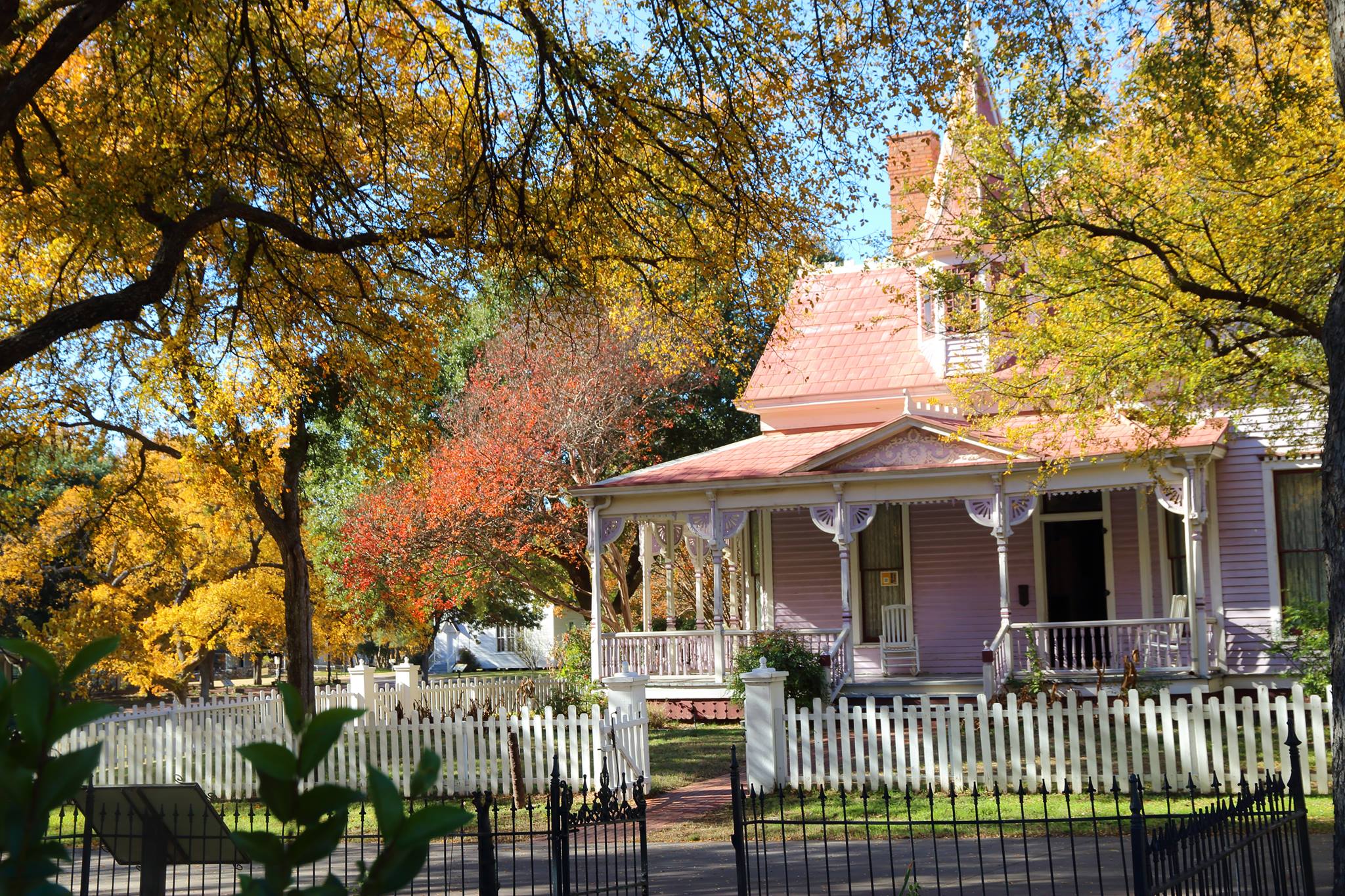
Exploring Dallas Heritage reveals a deeper story of the city—one rooted in resilience, culture, and transformation. At the heart of this legacy lies Dallas Heritage Village, set within the historic grounds of Old City Park, the first public park established in 1876.
This unique destination brings history to life through preserved pioneer homes, Victorian structures, and immersive exhibits that reflect everyday life in 19th-century Texas. Visitors are not just observing history—they are walking through it, experiencing how communities once lived, worked, and evolved.
From shaded pathways to carefully restored buildings, every corner of the site tells a story. It is a place where the past is not forgotten but thoughtfully preserved, offering an engaging and educational experience that connects modern Dallas to its rich historical roots.
What is Dallas Heritage?
Dallas Heritage represents the preserved historical identity of the city—its early settlements, cultural evolution, and architectural legacy that collectively shaped modern Dallas. It is deeply rooted in the 19th century, when Dallas transitioned from a frontier settlement into a developing urban centre, influenced by trade, transportation, and community growth.
A central example of this heritage is the historic site at Dallas Heritage Village within Old City Park, where buildings dating back to the 1840s have been carefully relocated and restored. These structures—ranging from homes and schools to banks and churches—offer a realistic portrayal of everyday life in early North Texas.
More than just preserved architecture, this heritage reflects how communities lived, worked, and interacted. It connects present-day Dallas to its origins, allowing visitors to experience history in a tangible, immersive way rather than simply reading about it.
Dallas Heritage Village: A Living History Museum
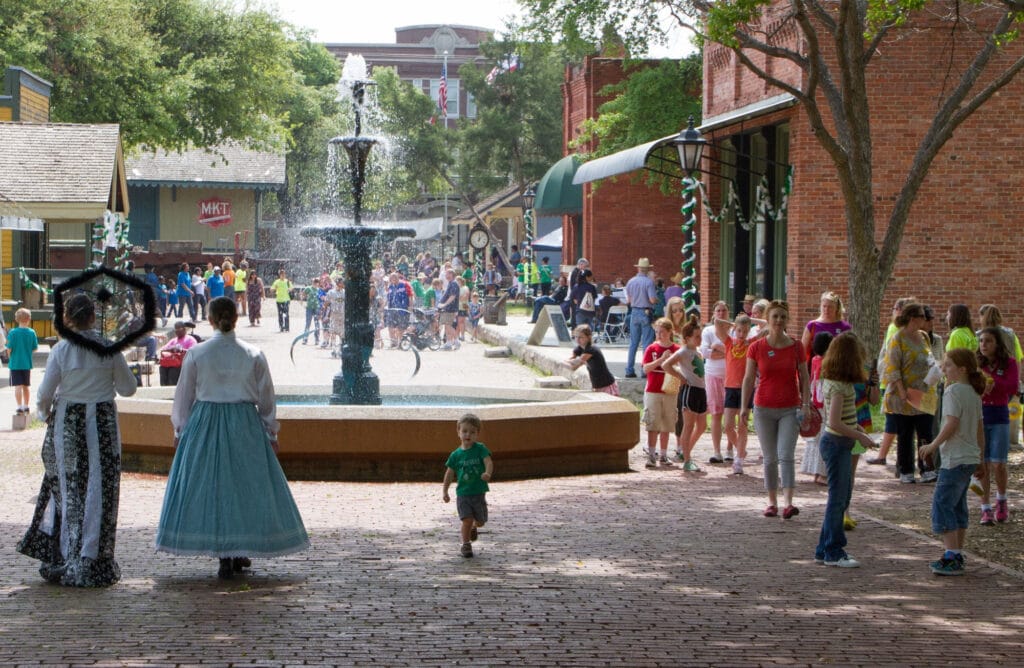
Set within a historic green space, this open-air museum preserves one of the most significant collections of 19th-century structures in Texas. Dozens of pioneer and Victorian buildings—carefully relocated from across North Central Texas—have been restored to reflect their original design and purpose, creating an authentic environment that mirrors life in earlier times.
Spread across roughly 20 acres, the site features a wide range of structures dating from the 1840s to the early 1900s, including residences, commercial establishments, and civic institutions. Visitors can walk through furnished homes that illustrate domestic life, step inside a general store and bank that reflect early trade, and explore a schoolhouse and church that highlight community values. A train depot and saloon further reveal how transportation and social life shaped the region.
The layout encourages a self-guided journey, where each building tells a distinct story. Together, these elements create an immersive setting that makes the past feel tangible, offering a deeper understanding of how everyday life unfolded more than a century ago.
Also Read – Things to Do in Dallas with Kids: Best Family Activities in Dallas & Fort Worth
Old City Park: The Foundation of Dallas History
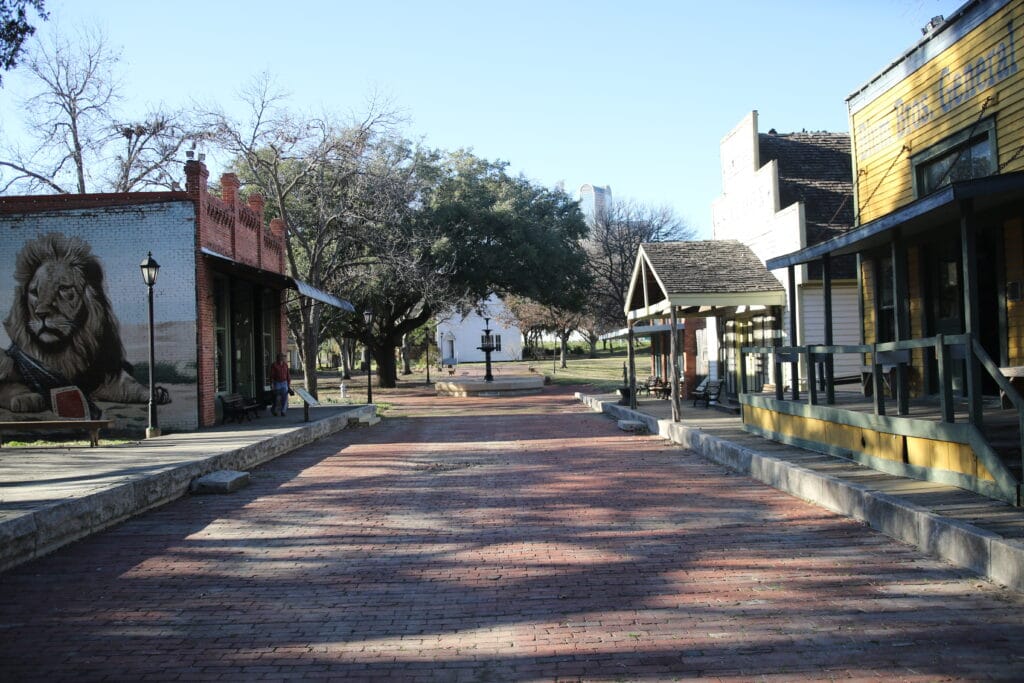
Established in 1876, this historic green space marked the beginning of Dallas’s public park system, becoming a central gathering point for early residents and visitors. Built around Browder Springs—an essential natural water source that once attracted settlers and even earlier Indigenous communities—the park quickly evolved into a social and recreational hub.
In its early years, the grounds featured landscaped gardens, walking paths, a bandstand for community events, fountains, and even a small zoo, reflecting the city’s ambition to create a vibrant civic space. These amenities made it a focal point for leisure, entertainment, and public gatherings during Dallas’s formative years.
By the late 1960s, the purpose of the site shifted significantly. Preservation efforts led to the relocation of historic structures from across North Texas, transforming the area into a living museum that celebrates regional history.
Today, the space functions as both a tranquil park and an educational heritage site, where natural surroundings blend seamlessly with preserved architecture, offering visitors a meaningful connection to the city’s early foundations.
Also Read – Best Dallas Attractions for Teenagers: 12 Fun & Engaging Spots
Historical Evolution of the Site
The transformation of Heritage Village, Dallas, is rooted in preservation efforts that began in the mid-20th century.
- 1876: Land acquired and established as Dallas’s first park
- 1967: Dallas County Heritage Society begins preservation efforts
- 1969: Millermore Mansion relocated and opened to the public
- 1976: Renamed Old City Park during the U.S. Bicentennial
- 2005: Officially named Dallas Heritage Village at Old City Park
- 2024: City of Dallas resumes full operational control
These changes reflect a continuous effort to preserve and reinterpret history for modern audiences.
Notable Historic Buildings
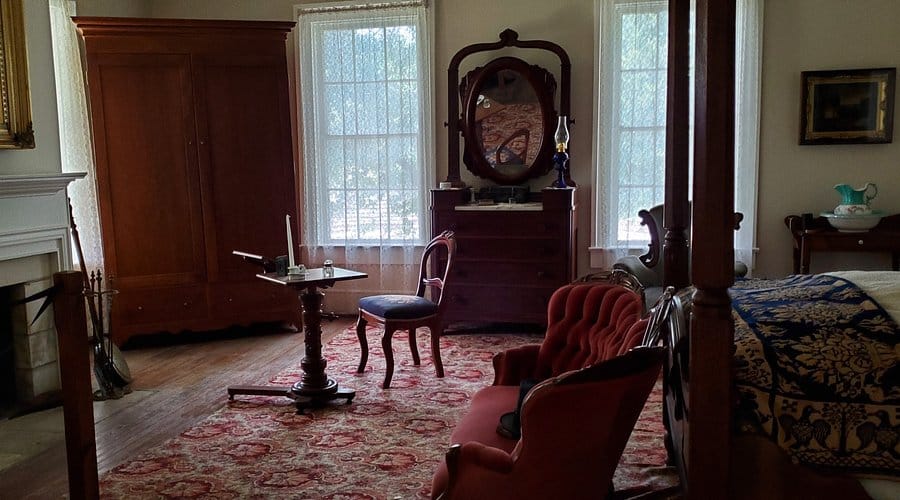
The site features approximately 37 restored structures representing life from 1840 to 1910. Some key highlights include:
- Millermore Mansion: A grand antebellum home
- Blum Brothers General Store: A representation of early retail
- Renner School: A glimpse into historic education
- Pilot Grove Church: A preserved religious structure
- Train Depot: Reflecting transportation history
Each building is carefully furnished to reflect its original era, providing an authentic experience of daily life.
Park Features & Visitor Experience
Visitors stepping into this historic space quickly notice how seamlessly heritage and leisure come together, offering a well-balanced experience that caters to both relaxation and discovery. Within Old City Park, tree-lined pathways provide shaded routes for walking, making it comfortable to explore even during warmer days. These paved trails connect open garden areas, benches, and quiet corners where visitors can pause and take in the surroundings.
The grounds are designed with accessibility in mind, featuring picnic spaces, free parking, and seating areas that encourage longer visits. Families often use the open lawns for casual outings, while students and history enthusiasts benefit from guided tours and educational programs that explain the significance of the preserved buildings.
Operational hours are consistent and convenient, with park grounds open daily from 7:00 AM to 7:00 PM, while the visitor center typically operates between late morning and evening hours depending on the day.
This combination of natural comfort and structured learning creates an environment where visitors can move at their own pace—whether enjoying a peaceful walk or engaging deeply with the stories embedded within the site.
Hours of Operation
Planning a visit becomes much easier when timings are clear, and this historic site maintains a structured yet flexible schedule for both casual visitors and those exploring its heritage features.
The park grounds and walking trails are open every day of the week from 7:00 AM to 7:00 PM, allowing visitors to enjoy early morning strolls, midday exploration, or a relaxed evening walk under shaded trees.
The Visitor Center, which serves as the main point for information, exhibits, and guided insights, operates on a slightly adjusted schedule:
- Sunday & Monday: 12:00 PM – 5:00 PM
- Tuesday to Saturday: 10:00 AM – 5:00 PM
Additionally, several historic buildings within the site follow the same opening hours as the visitor centre, although access may vary depending on maintenance or reservations.
This schedule ensures that visitors have ample time to explore both the outdoor landscapes and the indoor historical exhibits. Whether arriving early for a peaceful walk or later in the day for guided exploration, the timings are designed to accommodate a wide range of visitor preferences while maintaining a comfortable, unhurried experience.
Educational & Cultural Importance
Heritage village plays a significant role in education and cultural preservation. Guided tours, reenactments, and school field trips help visitors understand the historical significance of the site.
The village provides insight into:
- Early Texan lifestyles
- Economic and social structures
- Architectural evolution
- Community development
By preserving these elements, the site ensures that future generations can connect with the past in a meaningful way.
Why Dallas Heritage Matters Today?
Understanding Dallas Heritage is essential because it preserves the city’s identity in the face of rapid modern growth. While Dallas has evolved into a major economic and cultural hub, its historical foundations—rooted in early settlements, trade routes, and community life—continue to shape its character today.
The significance lies in preservation. Historic sites and restored buildings protect architectural styles and stories from the 19th and early 20th centuries, ensuring they are not lost to urban development. These spaces act as living classrooms, helping people understand how communities functioned, how economies developed, and how culture evolved over time.
More importantly, it builds a connection between generations. By experiencing history firsthand, visitors gain a deeper appreciation for the people and events that shaped the region, fostering cultural awareness, civic pride, and a stronger sense of belonging in an ever-changing city.