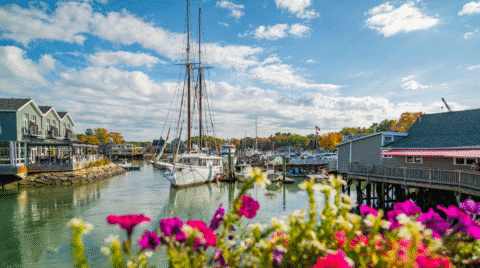


Planning a trip to Denmark is all about timing. The country offers a unique mix of coastal beauty, Nordic culture, and vibrant city life—but each season brings a completely different experience. Whether you’re exploring Copenhagen’s colourful Nyhavn, cycling through countryside landscapes, or attending summer festivals, choosing the best time to visit Denmark can significantly shape your journey.
Similarly, understanding the best time to go to Copenhagen ensures you experience the capital at its absolute best—from long sunny days filled with outdoor cafés to cosy winter nights embracing Danish “hygge.” This guide breaks down each season in detail so you can plan your perfect Danish escape.
Also Read – 10 Best Hotels in Copenhagen Denmark
Understanding Denmark’s Climate
Denmark has a temperate maritime climate, meaning weather conditions are relatively mild but can change quickly. Summers are pleasant rather than hot, while winters are cold but not extreme.
- Summer (June–August): Mild temperatures (15–22°C) with long daylight hours
- Spring (March–May): Gradually warming with blooming landscapes
- Autumn (September–November): Cooler temperatures and fewer crowds
- Winter (December–February): Cold, dark, and festive
The dramatic variation in daylight—from over 17 hours in summer to just 7 hours in winter—plays a major role in travel planning
This post contains affiliate links. If you choose to book through them, a small commission may be earned at no additional cost to you. Your support genuinely helps keep the blog running and allows continued creation of high-quality travel guides. Thank you for being here and supporting this journey.
Best Time to Visit Denmark for Ideal Weather
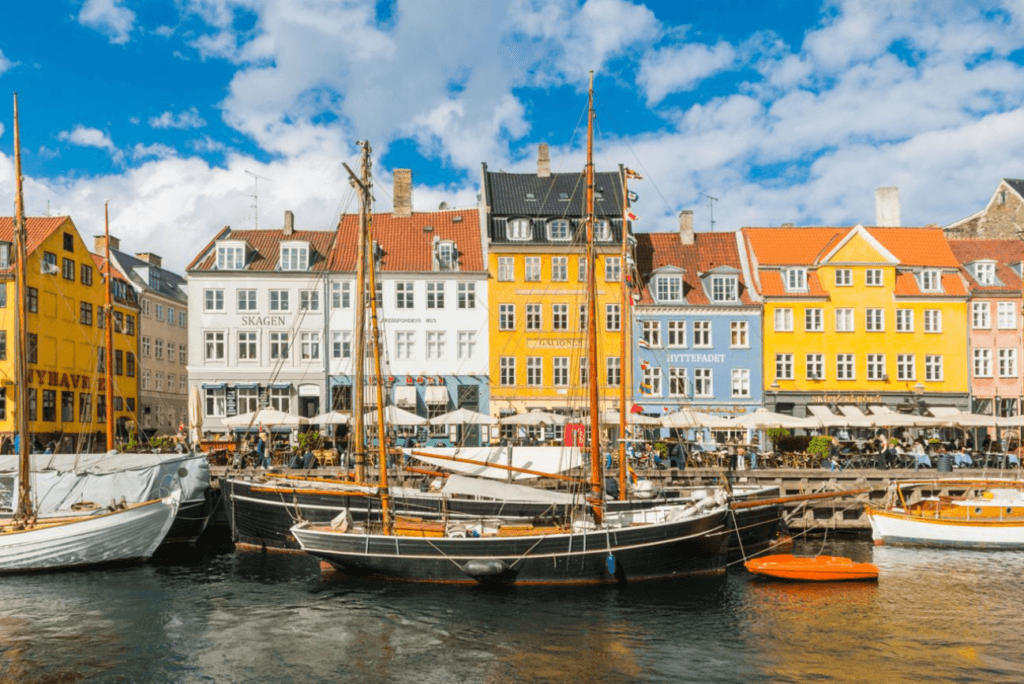
For most travellers, the best time to visit Denmark is undoubtedly during the summer months from June to August, when the country reaches its most vibrant and accessible phase. During this period, temperatures typically range between 15°C and 22°C, creating a comfortable climate for sightseeing, cycling, and outdoor exploration . What truly sets summer apart is the extended daylight—often stretching up to 17–19 hours—which allows you to experience more of the country in a single day, from early morning harbour walks to late evening dining by the waterfront .
This is also when Denmark’s landscapes are at their peak, with coastal beaches, green countryside, and city parks fully alive. Outdoor festivals, open-air markets, and harbour baths add to the lively atmosphere, making it the most dynamic season to explore. However, this popularity comes with trade-offs—higher accommodation costs and crowded attractions, particularly in Copenhagen. For travellers prioritising weather and energy, though, summer remains the most rewarding time.
Also Read – Which Of These 9 Hotels in Copenhagen Denmark Offers the Best Views?
Best Time to Go to Copenhagen
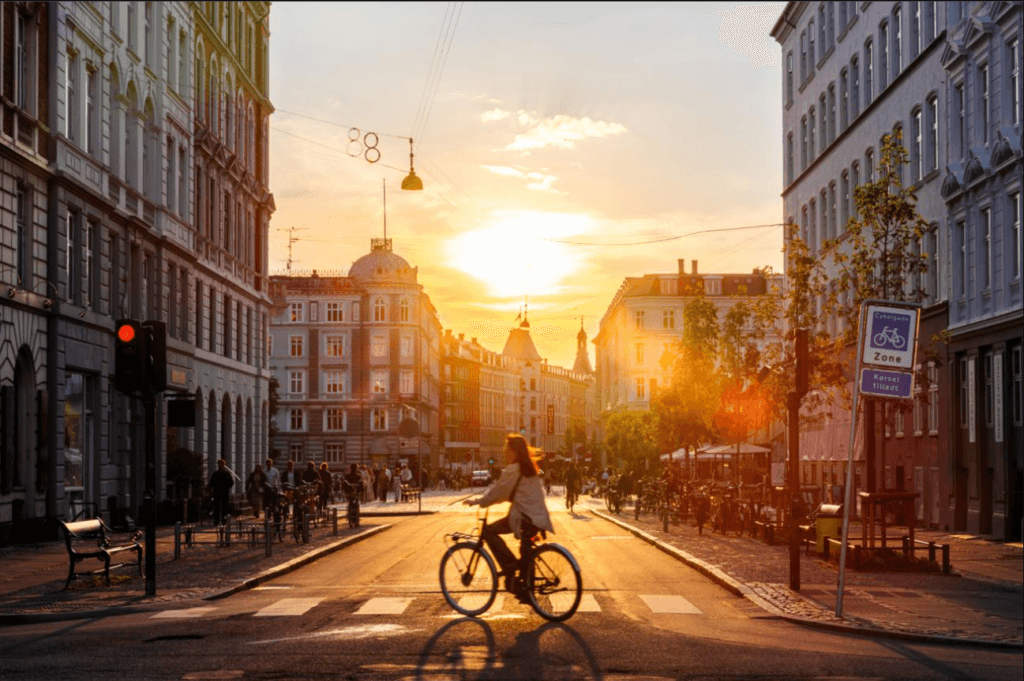
The best time to go to Copenhagen is from May to September, when the city transforms into a lively, open-air destination filled with energy, culture, and long daylight hours. During this period, temperatures remain pleasantly mild—typically between 18°C and 22°C—making it ideal for exploring on foot or by bike .
- Outdoor Lifestyle at Its Peak: Sidewalk cafés, harbour baths, and open-air dining become central to city life, with locals enjoying extended sunshine that can last until nearly 10 PM
- Festival Season: Events like Copenhagen Jazz Festival and Pride Week bring music, art, and vibrant crowds into the streets
- Perfect for Exploration: Canal tours, cycling routes, and waterfront parks are at their most enjoyable in warm, breezy conditions
July stands out as the sunniest and warmest month, offering peak summer experiences with bustling streets and lively nightlife . However, if you prefer a quieter trip, May and September provide a sweet spot—pleasant weather, fewer tourists, and more affordable accommodation—without missing out on the city’s charm.
Spring in Denmark (March–May)

Spring is often overlooked, yet it stands as a strong contender for the best time to visit Denmark, especially for travellers seeking a balance between pleasant weather and fewer crowds. As winter fades, the country gradually transforms—gardens in Copenhagen, such as King’s Garden and Tivoli Gardens, begin to bloom, and outdoor life slowly returns. Temperatures typically range from 6°C in early spring to around 15°C by May, creating comfortable conditions for walking tours, cycling, and sightseeing .
Why Visit in Spring?
- Blooming Landscapes: Parks, botanical gardens, and countryside fields come alive with flowers and greenery
- Fewer Tourists: Major attractions are less crowded compared to peak summer months
- Active City Life: By May, locals return to outdoor cafés, harbour walks, and cycling routes
What to Expect
- Daylight: Increasing daylight hours, reaching up to 15–17 hours by late spring
- Weather: Mild but slightly unpredictable, with occasional rain showers
- Atmosphere: A relaxed, local vibe with fewer queues and more space to explore
Spring is perfect for those who prefer a quieter, more authentic travel experience without compromising on beauty or accessibility.
Summer in Denmark (June–August)
Summer is widely regarded as the best time to visit Denmark, offering the most vibrant, complete, and immersive travel experience across the country. With temperatures typically ranging from 15°C to 22°C and daylight stretching up to 17–19 hours, the season creates ideal conditions for exploring both cities and coastal landscapes.
Highlights
- Extended Daylight: Long, golden evenings allow you to enjoy sightseeing, harbour walks, and outdoor dining well into the night
- Festival Energy: Events like Roskilde Festival, Copenhagen Jazz Festival, and Pride bring music, culture, and lively crowds
- Outdoor Lifestyle: Beaches, harbour baths, cycling routes, and open-air cafés become central to everyday life
- Nature at Its Peak: Parks, countryside, and coastal regions are lush, green, and at their most photogenic
Copenhagen becomes especially dynamic, with locals swimming in clean harbour waters, enjoying street food markets like Reffen, and gathering for open-air concerts.
Downsides
- Peak Tourist Season: Popular attractions can get crowded, especially in July
- Higher Costs: Accommodation and flights are at their most expensive
Despite this, summer remains unmatched for those seeking the fullest and most energetic Danish experience.
Autumn in Denmark (September–November)
Autumn is often considered a hidden gem and can still be the best time to visit Denmark for travellers seeking a quieter, more atmospheric experience. As summer fades, the landscapes transform into shades of gold, orange, and red, especially in parks and countryside areas. Temperatures gradually drop from around 18°C in September to near 5°C by November, creating a crisp yet comfortable climate for exploration .
Highlights
- Scenic Foliage: Forests and city parks turn vibrant, making it ideal for photography and peaceful walks
- Fewer Crowds: Major attractions become more accessible compared to peak summer
- Cosy Atmosphere: Cafés, museums, and cultural spaces take centre stage
Autumn can also be the best time to go to Copenhagen for travellers who enjoy a softer, more relaxed city vibe, with fewer queues and more local experiences.
Downsides
- Shorter Days: Daylight decreases significantly as the season progresses
- Unpredictable Weather: Wind and rain are common, especially in October
Still, autumn offers a perfect balance of beauty, calm, and cultural depth.
Winter in Denmark (December–February)
Winter presents a completely different charm and can surprisingly be the best time to visit Denmark for those who enjoy festive atmospheres and cosy experiences. Temperatures typically hover around 0°C to 5°C, with occasional snowfall and strong coastal winds . Daylight hours drop to as little as 7 hours, creating long evenings perfect for embracing Danish “hygge” .
Highlights
- Festive Magic: Christmas markets, decorations, and Tivoli Gardens create a fairy-tale setting
- Hygge Culture: Warm cafés, candlelit dinners, and cosy interiors define the season
- Lower Prices: Fewer tourists mean better deals on accommodation and flights
For many, winter can also be the best time to go to Copenhagen if you’re drawn to intimate, atmospheric city experiences rather than crowds.
Downsides
- Very Short Days: Limited daylight restricts sightseeing time
- Cold & Windy: Weather can feel harsher due to coastal winds
Despite this, winter offers a unique, intimate side of Denmark that feels both magical and deeply authentic.
Best Time for Festivals and Events
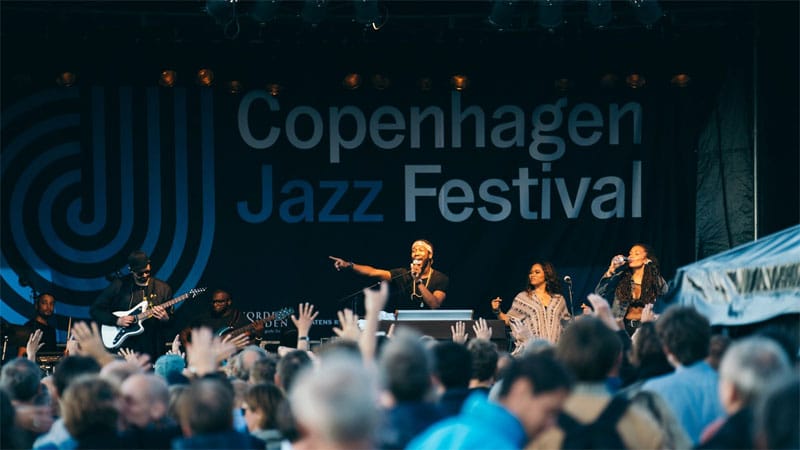
If you’re planning your trip around events, summer is the best time to visit Denmark.
Popular events include:
These events bring energy and excitement, making your visit even more memorable.
Best Time for Budget Travellers
Travelling on a budget? The most affordable period is during the off-season, especially winter months after the holiday rush, making it a smart alternative to the best time to visit Denmark. Demand drops significantly after December, which leads to noticeable savings across flights, hotels, and overall travel expenses
Why It’s Budget-Friendly
- Lower Hotel Prices: Accommodation rates drop sharply in January and February due to reduced demand
- Fewer Tourists: Attractions are quieter, allowing a more relaxed and less rushed experience
- Cheaper Flights: Airlines often offer discounted fares to fill empty seats during low season
- Better Deals Overall: Travel packages, tours, and even dining options can be more affordable
What to Keep in Mind
- Post-Holiday Sweet Spot: Prices are lowest after early January when demand declines
- Flexible Planning: Travelling mid-week or booking early can maximise savings
While it may not match peak-season energy, this period offers excellent value without compromising the overall experience.
Month-by-Month Quick Guide
| Month | Experience | Travel Recommendation |
|---|---|---|
| Jan–Feb | Cold, quiet | Budget travel |
| Mar–May | Blooming spring | Great balance |
| Jun–Aug | Warm, lively | Peak season |
| Sep–Oct | Cool, scenic | Ideal alternative |
| Nov–Dec | Festive winter | Cozy trips |
Best Time Based on Travel Style
- For sightseeing: May–September
- For festivals: June–August
- For budget travel: January–March
- For fewer crowds: April–May, September–October
Choosing the best time to go to Copenhagen ultimately depends on what kind of experience you want.
Final Thoughts
Denmark is a destination that transforms beautifully with the seasons, offering something unique all year round. The best time to visit Denmark largely depends on your travel goals—whether it’s enjoying long summer days, exploring cultural festivals, or embracing winter’s cosy charm.
For most travellers, late spring to early autumn strikes the perfect balance between weather, activities, and atmosphere. Meanwhile, the best time to go to Copenhagen aligns closely with this window, when the city feels most alive and welcoming.
Ultimately, there’s no wrong time to visit—only different experiences waiting to be discovered.