South America travel guide cover

South America Travel Guide

Explore South America
Advertisement

TraveliciousBites' South America Travel Guide covers the continent's biggest draws — Patagonia's glaciers, Peru's Machu Picchu, and Brazil's beaches — spanning a region far larger and more diverse than any single-country trip can capture. Whether you're planning a Peru-focused adventure or comparing destinations across the continent, this guide breaks down when to visit different regions, what to budget, and how to choose the right country for your trip style, based on the same research standards we apply across every destination we cover.

Best Time to Visit South America

South America's size spans both hemispheres' seasons and vastly different climates, so timing depends entirely on your destination. Peru and the Andes region favor the dry season, May through September, for trekking to Machu Picchu and through the Sacred Valley.

Patagonia, in southern Argentina and Chile, has its best weather during the Southern Hemisphere summer, November through March, opposite the US calendar. Brazil's Amazon region follows its own dry season, roughly June through November, for easier wildlife viewing along lower water levels.

TraveliciousBites recommends researching each specific country's climate separately, since the continent's north-south span creates dramatically different seasonal patterns.

South America weather and seasonal guidesTap to see articles matched to each season

Top Destinations

  • Peru

    — Machu Picchu and the Sacred Valley anchor South America's most popular single-country itinerary for first-time visitors.

  • Patagonia

    — glaciers and dramatic mountain scenery spanning southern Argentina and Chile, best visited during the Southern Hemisphere summer.

  • Brazil

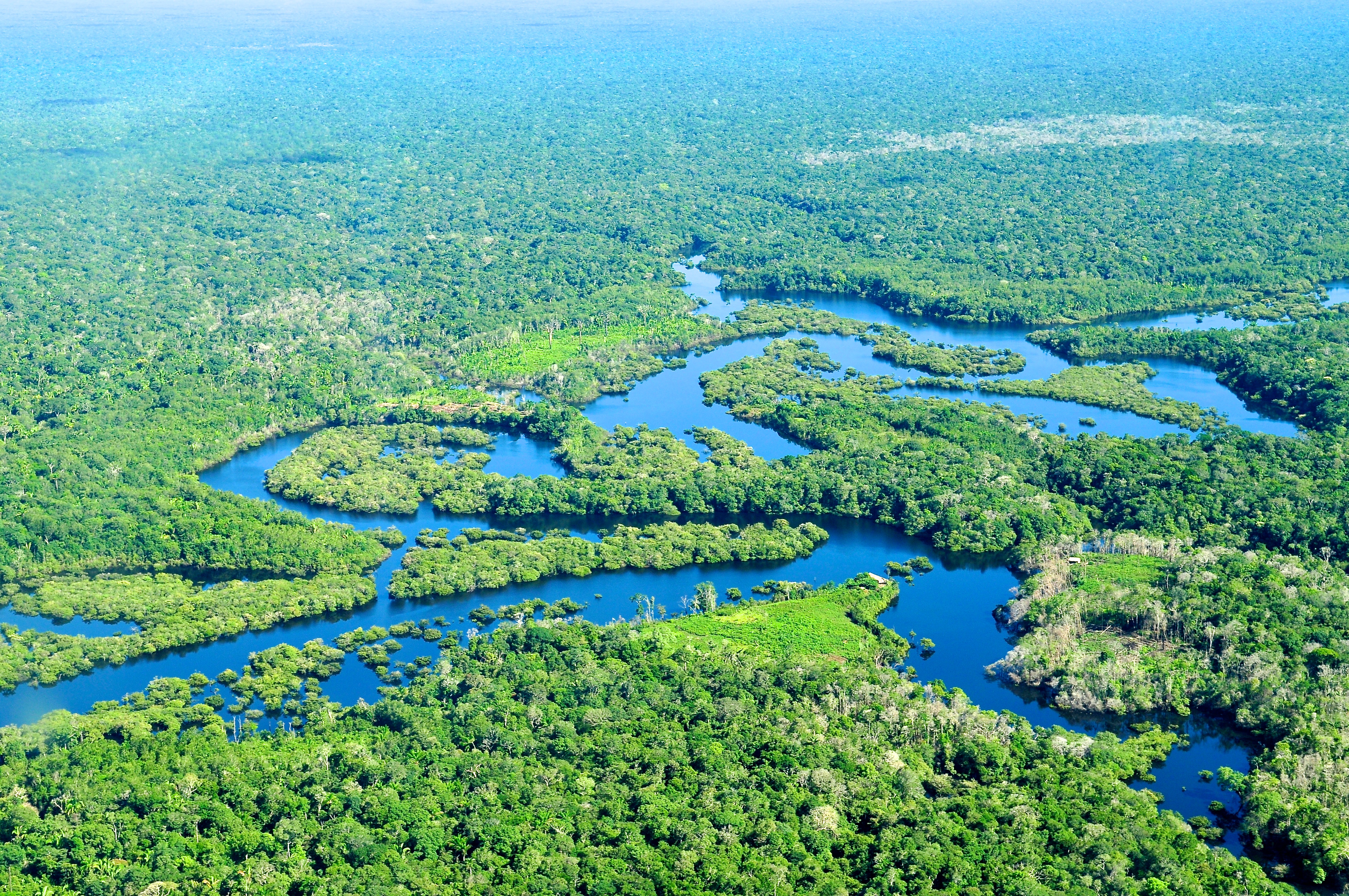
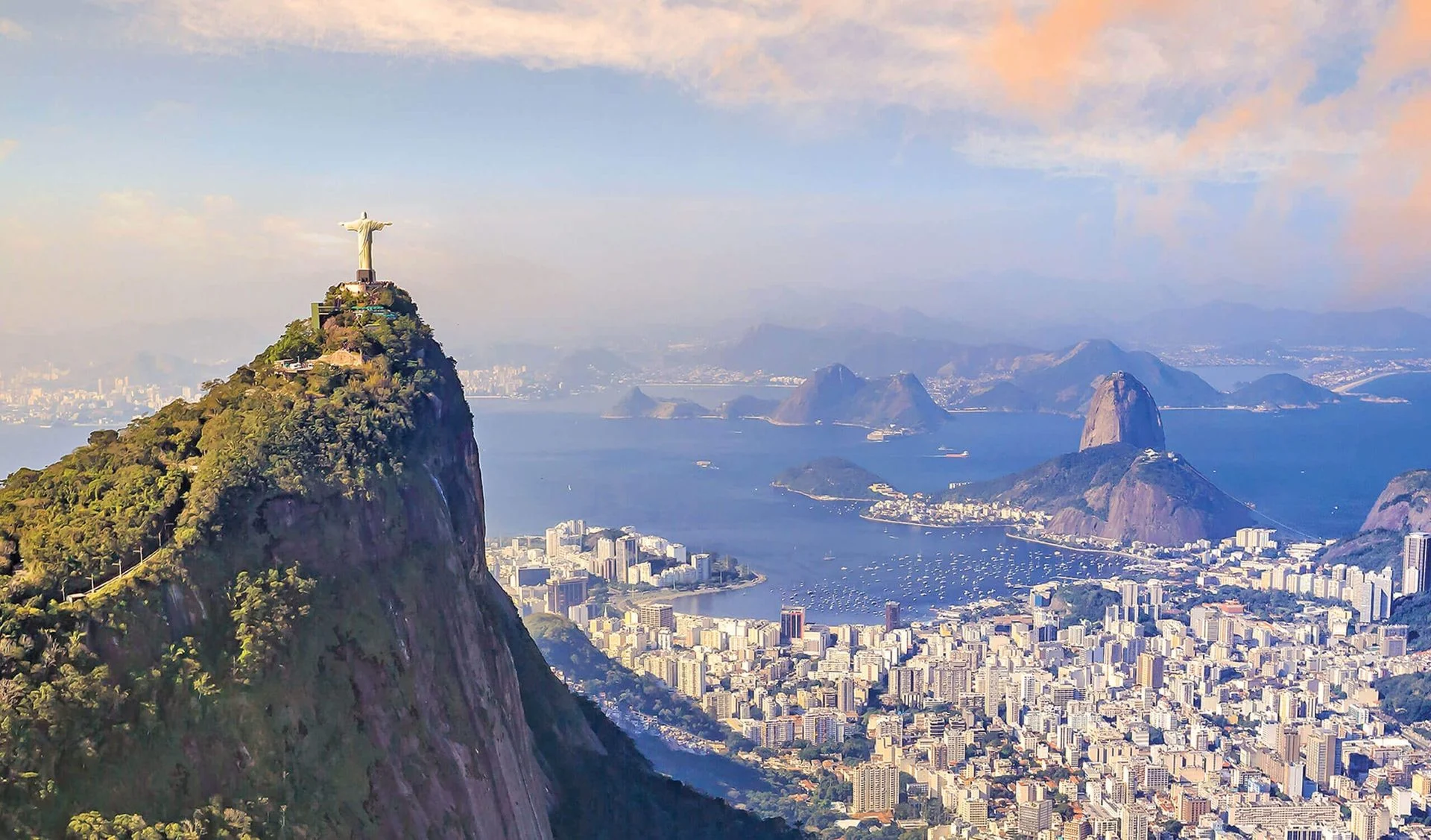
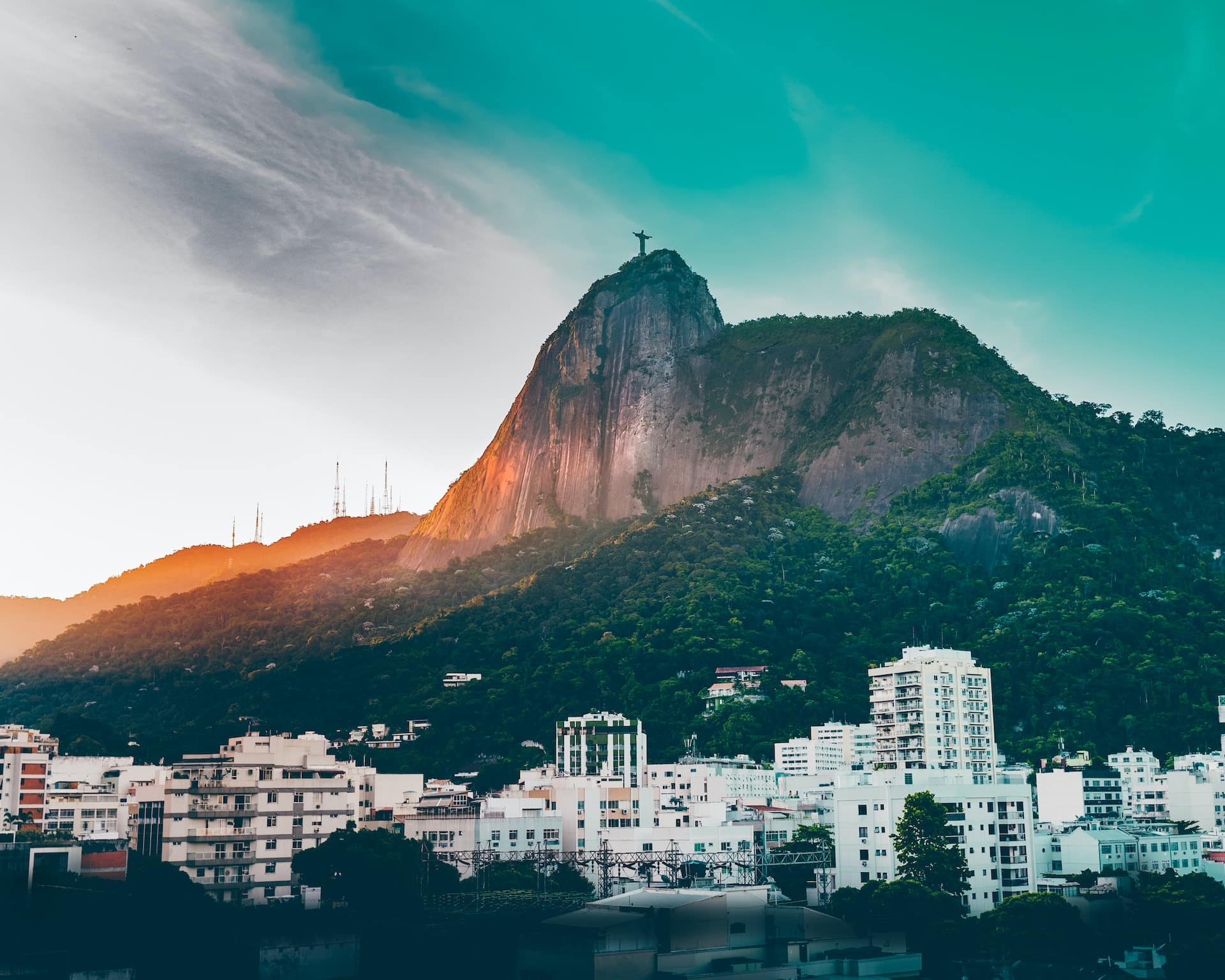
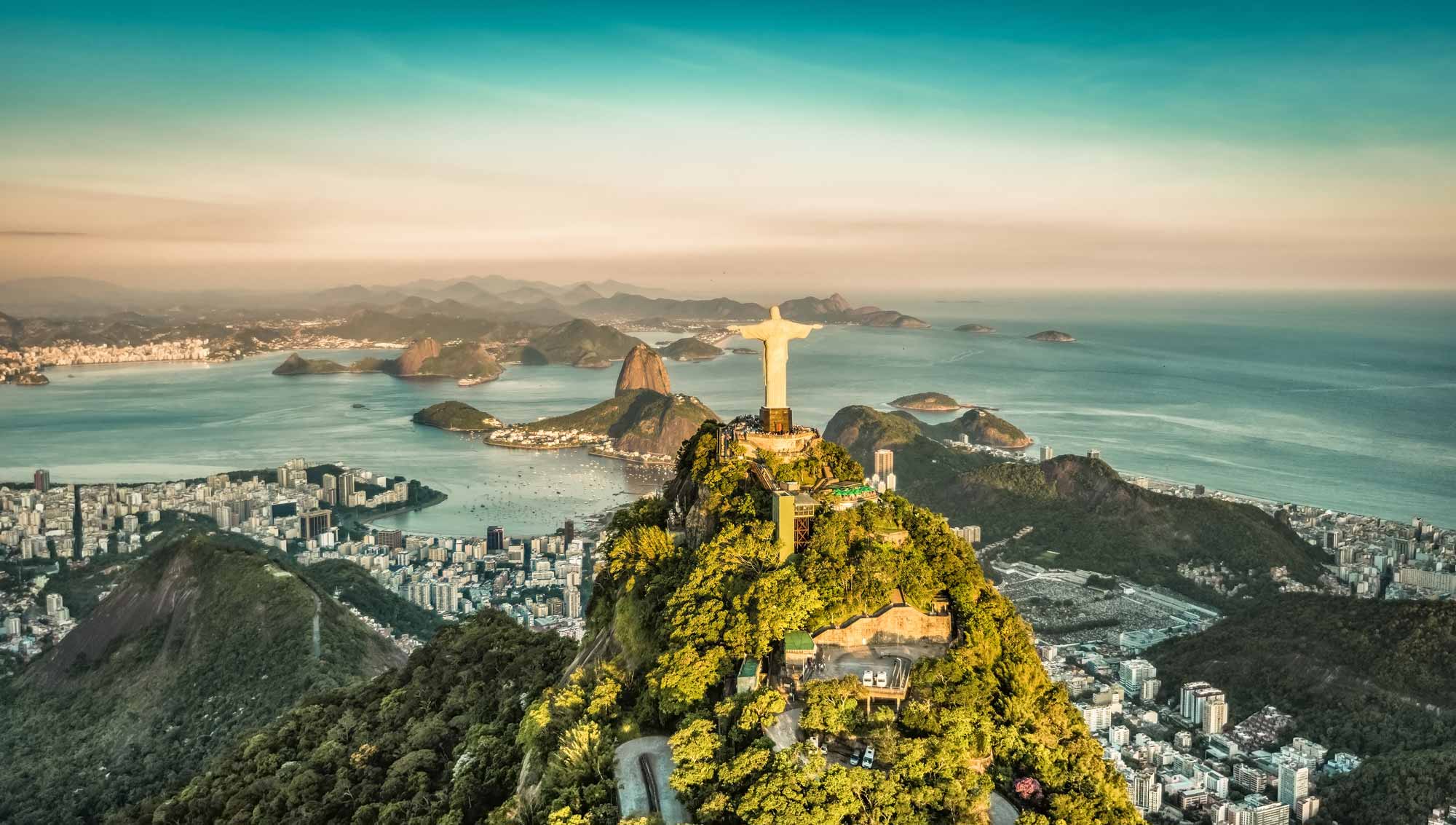
    — Rio de Janeiro's beaches and the Amazon rainforest; see our dedicated Brazil Travel Guide for full details.

  • Argentina

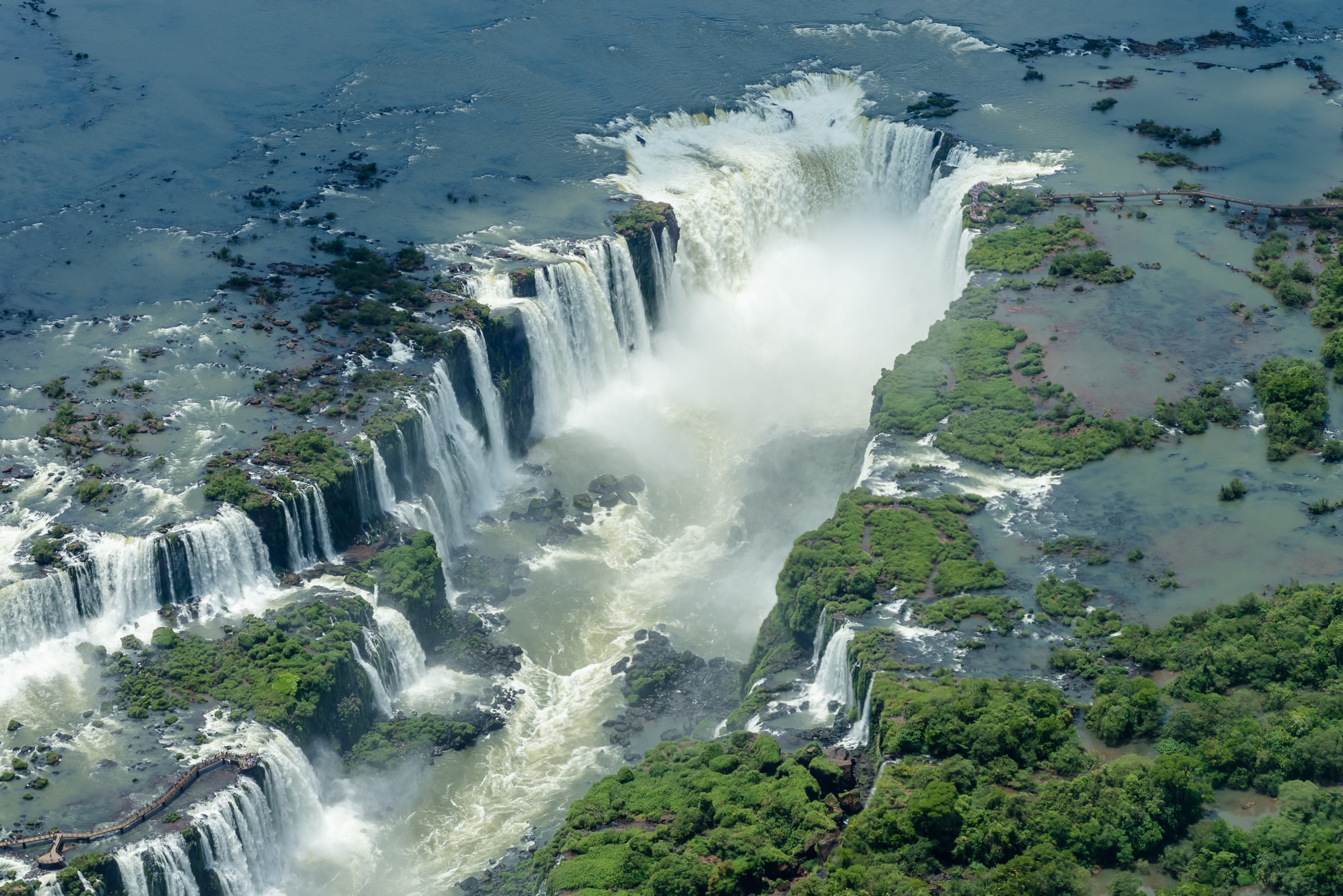
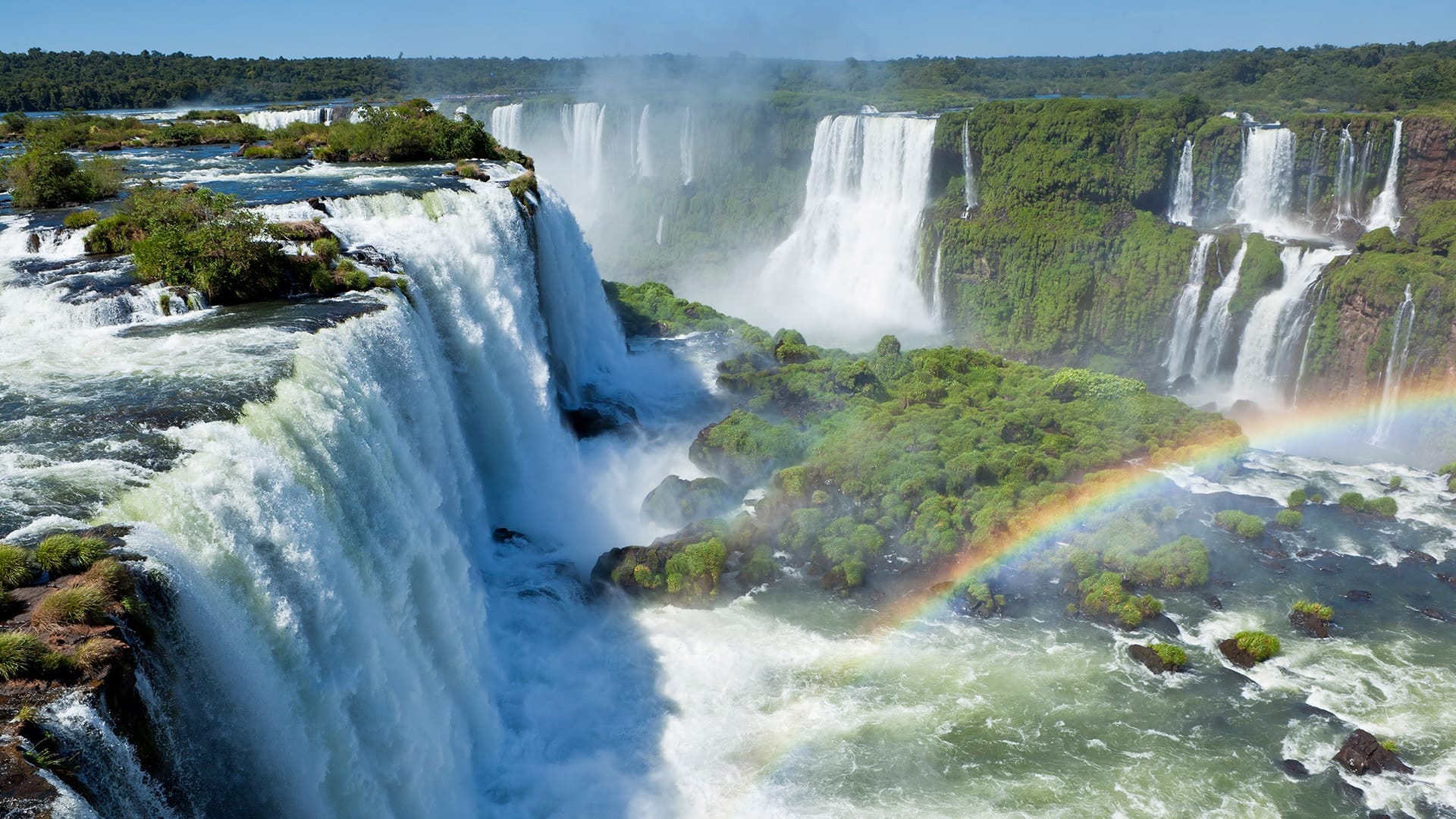
    — Buenos Aires' European-influenced culture and the Iguazu Falls anchor a strong multi-region itinerary.

  • The Galápagos Islands

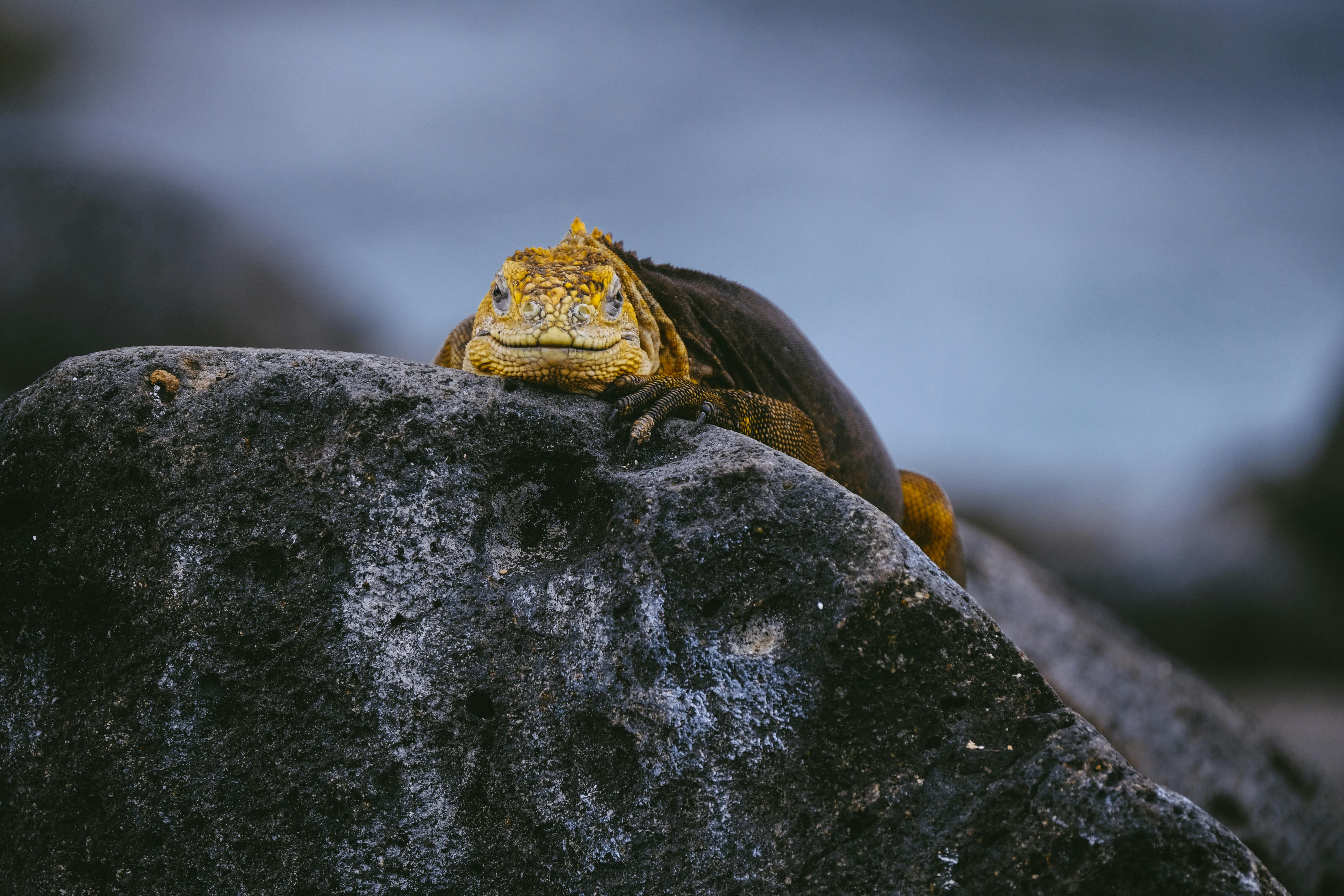
    — Ecuador's uniquely biodiverse archipelago, requiring advance planning and a dedicated cruise or land-based tour.

  • Colombia

    — Cartagena's colonial architecture and Bogotá's altitude-adjusted culture make it an increasingly popular addition to South America itineraries.

More South America destinationsTap to see related guides
South America accommodation

Where to Stay

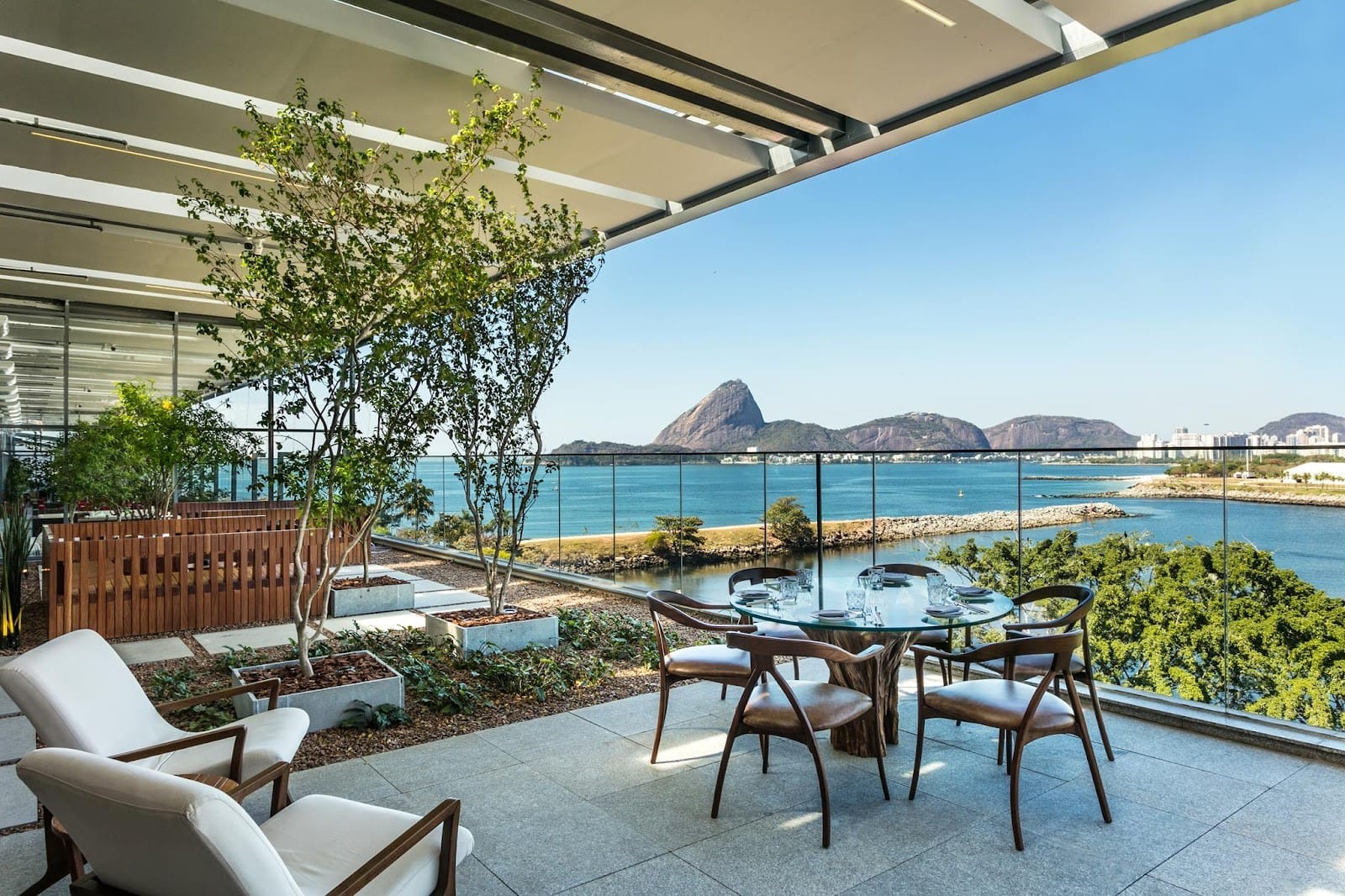
TraveliciousBites recommends focusing your accommodation strategy by region — Cusco as a base for Machu Picchu and the Sacred Valley, El Calafate or Puerto Natales for Patagonia's glaciers, and Rio de Janeiro or Buenos Aires for a city-focused stay.

Most South America itineraries benefit from a multi-city approach rather than a single base, given the continent's size and the distance between its major highlights.

South America hotels and places to stayTap to see related guides

Food and Dining

South American cuisine varies dramatically by country, from Peru's globally recognized fine dining scene and ceviche to Argentina's steak-focused parrilla culture and Brazil's churrasco and feijoada.

Coca leaf tea, common throughout the Andes, helps some travelers adjust to high-altitude destinations like Cusco and La Paz.

Each country's food scene reflects distinct indigenous, European, and African influences shaping the continent's culinary identity.

South America food and dining articlesTap to see related guides

Getting There and Around

Direct flights from the US reach major South American cities like Lima, Bogotá, and São Paulo in 9–14 hours depending on origin and destination. Entry requirements vary significantly by country and nationality, so research each destination separately before booking a multi-country itinerary.

Domestic flights connect major regions efficiently, given the substantial distances involved — reaching Patagonia from Peru, for example, requires a significant flight regardless of route. Altitude affects several popular destinations, including Cusco and La Paz, so build in acclimatization time before strenuous activity.

Local Tips

  • Build acclimatization days into any itinerary involving high-altitude destinations like Cusco or La Paz, since altitude sickness can affect even healthy travelers unaccustomed to elevation.
  • Research each country's specific entry requirements well before booking, since rules vary significantly across the continent.
  • Book Machu Picchu tickets and any Inca Trail permits months in advance, since both operate under strict daily visitor caps.

Practical Essentials for South America

  • Plug types vary by country, so a universal adapter covers the safest option across a multi-country itinerary.

  • Mobile data works reliably in major cities, with a local SIM card offering affordable coverage in most countries.

  • Tipping customs vary by country but generally run around 10% in restaurants where a service charge isn't already included.

  • Tap water safety varies significantly by country, so confirm local guidance and default to bottled water when uncertain.

Advertisement

Latest from South America

Frequently Asked Questions About South America

Answers below draw on the same research TraveliciousBites uses across every destination and category guide.

What is the best time of year to visit South America?

Timing depends on your destination: Peru favors May-September, Patagonia favors November-March, and each region follows its own seasonal pattern.

How many days do you need for a South America trip?

Plan 10-14 days for a focused single-country trip, since the continent's size makes covering multiple countries in one shorter trip impractical.

Do I need to worry about altitude in South America?

Yes, destinations like Cusco and La Paz sit at high altitude, so build in acclimatization time before strenuous activity.

Is it safe to travel in South America?

Safety varies significantly by specific country and city, so research current conditions for each destination on your itinerary before booking.

Should I book Machu Picchu tickets in advance?

Yes, book Machu Picchu tickets and any Inca Trail permits months in advance, since both operate under strict daily visitor caps.

Is tap water safe to drink in South America?

Tap water safety varies significantly by country, so confirm local guidance and default to bottled water when uncertain.

What is the best country for a first South America trip?

Peru suits many first-time visitors given Machu Picchu's fame and well-established tourism infrastructure, though Argentina and Brazil offer equally strong options.

Is South America expensive to visit?

Costs vary by country; Argentina and Chile run somewhat higher, while Colombia and Bolivia generally offer stronger value than Peru or Brazil.

What is Patagonia known for?

Patagonia is known for its glaciers and dramatic mountain scenery, spanning southern Argentina and Chile.

Should I combine multiple South American countries in one trip?

Given the continent's size, most travelers focus on one or two neighboring countries rather than attempting a broader multi-country route.

Are the Galápagos Islands worth visiting?

Yes, Ecuador's Galápagos Islands offer uniquely biodiverse wildlife viewing, though the trip requires advance planning and a dedicated cruise or land-based tour.

What is South American food known for?

South American food varies by country, from Peru's ceviche and fine dining to Argentina's steak-focused parrilla culture and Brazil's churrasco.

Should I visit South America or focus on Brazil specifically?

Brazil stands well on its own for a shorter trip, and our dedicated Brazil Travel Guide covers that country in full detail.

Advertisement