

Why “Hello” Matters When You Travel
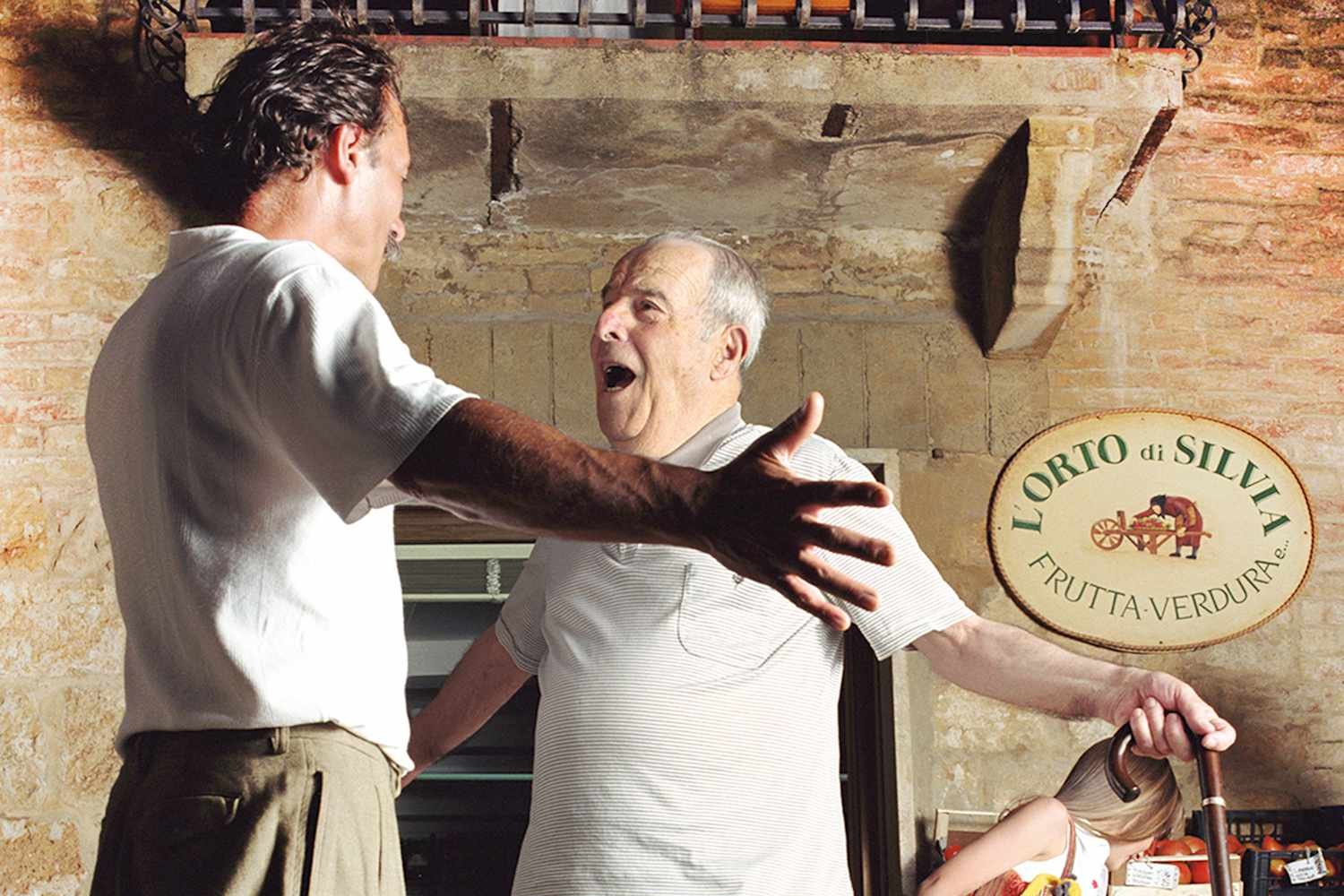
When you travel, that first “hello” can change everything. A friendly greeting in the local language can turn a simple question into a warm conversation, a normal check-in into an extra upgrade, and a street interaction into a small, beautiful memory.
For travelers, learning “hello in different languages” is one of the easiest ways to show respect, break the ice, and feel less like a tourist and more like a guest. Many language experts say that starting with simple greetings builds confidence and helps you connect faster in new countries.
Recommended – Unforgettable Culinary Adventures Await: A Passport to Global Flavors on Every Plate
Recommended – These Are The Best Wineries in Barcelona Spain – Sip in Style in 2026!
How to Use Hello in Real Travel Life

“Hello” is not only a word; it also includes your smile, body language, and tone. In many cultures, the same greeting can sound formal or casual depending on how you say it and to whom you say it.
As a traveller, think about three things:
- Who are you talking to (elder, stranger, hotel staff, friend)?
- Where are you (street, train, temple, office)?
- What time is it (morning, afternoon, evening)?
Even if your accent is not perfect, locals usually appreciate the effort when you try to say hello in their language.
Hello in 20 Popular Languages

| Language | How to Say Hello | Script / Native Form | When to Use (Simple) |
|---|---|---|---|
| English | Hello | – | Any time, neutral greeting |
| Spanish | Hola | Hola | Any time, friendly and common |
| French | Bonjour | Bonjour | Daytime, polite; works with strangers |
| Italian | Ciao | Ciao | Casual, friends; hello and bye |
| German | Guten Tag / Hallo | Guten Tag / Hallo | Guten Tag = polite; Hallo = casual |
| Portuguese | Olá | Olá | Any time, polite but friendly |
| Hindi | Namaste | नमस्ते | Respectful hello, especially to elders |
| Arabic | As-salaam alaikum | السلام عليكم | Very common polite greeting |
| Japanese | Konnichiwa | こんにちは | Daytime hello, neutral |
| Korean | Annyeong haseyo | 안녕하세요 | Polite, safe for most situations |
| Mandarin Chinese | Nǐ hǎo | 你好 | Standard, polite hello |
| Russian | Zdravstvuyte / Privet | Здравствуйте / Привет | First is formal; second is casual |
| Greek | Yassou / Yassas | Γεια σου / Γεια σας | Yassou = casual; Yassas = polite |
| Turkish | Merhaba | Merhaba | Any time, friendly and common |
| Swahili | Habari / Jambo | Habari / Jambo | Tourist areas often use “Jambo” |
| Thai | Sawasdee | สวัสดี | Add “krub” (men) or “ka” (women) politely |
| Indonesian | Halo | Halo | Easy, similar to English “hello” |
| Dutch | Hallo | Hallo | Casual, everyday greeting |
| Swedish | Hej | Hej | Simple, used all the time |
| Hebrew | Shalom | שלום | Hello, goodbye, and peace |
Hello in European Languages
Europe feels like a language playground for travellers. You can cross one border by train and suddenly “hello” changes completely. Saying hello in different languages like Spanish, French, Italian, and German makes your journey more fun and respectful.
- Spanish: “Hola” is used almost everywhere, any time of day, and is friendly but not rude.
- French: “Bonjour” is the standard daytime greeting; in the evening, people often use “bonsoir” (good evening) when you enter shops or restaurants.
- German: “Guten Tag” is polite, while “Hallo” is more casual and common among friends or younger people.
| Country | Language | Hello (Common Form) | Notes for Travellers |
|---|---|---|---|
| Spain | Spanish | Hola | Works with everyone; smile and nod |
| France | French | Bonjour | Use when entering shops; very important |
| Italy | Italian | Ciao / Salve | Ciao = casual; “Salve” is more polite |
| Germany | German | Guten Tag / Hallo | Guten Tag for formal; Hallo with friends |
| Portugal | Portuguese | Olá | Friendly and easy to remember |
| Greece | Greek | Yassou / Yassas | Use Yassas with older people and strangers |
| Netherlands | Dutch | Hallo | Casual, similar to English “hello” |
| Sweden | Swedish | Hej | Everyday greeting in shops and cafés |
Hello in Asian Languages
Asia is huge and incredibly diverse, and greetings reflect local culture, respect, and sometimes religion. When you say “hello in different languages” here, it often includes small gestures like a bow or a joined-hands sign.
- Hindi (India): “Namaste” is used with hands joined and a slight bow; it shows respect and is widely understood, especially in North India.
- Japanese: “Konnichiwa” is used mainly during the day; in the morning, you might hear “ohayou gozaimasu” (good morning), and in the evening “konbanwa” (good evening).
- Korean: “Annyeong haseyo” is the safe, polite form; with close friends, people may shorten it to “annyeong”.
| Country | Language | Hello (Common Form) | Cultural Tip |
|---|---|---|---|
| India | Hindi | Namaste | Join hands and smile; very respectful |
| Japan | Japanese | Konnichiwa | Slight bow shows politeness |
| South Korea | Korean | Annyeong haseyo | Use with shop staff, elders, strangers |
| China | Mandarin | Nǐ hǎo | Safe greeting in most situations |
| Thailand | Thai | Sawasdee | Add “ka” (women) or “krub” (men) politely |
| Indonesia | Indonesian | Halo | Very easy; used a lot with tourists |
| Vietnam | Vietnamese | Xin chào | Common neutral greeting |
| Turkey* | Turkish | Merhaba | Bridge between Europe and Asia, used widely |
Hello in Middle Eastern & African Languages

In the Middle East and many African countries, greetings are often linked with blessings and respect. Your “hello” can carry warmth and sometimes a prayer.
- Arabic: “As-salaam alaikum” means “peace be upon you” and is a very common, respectful greeting; the reply is “wa alaikum as-salaam”.
- Swahili (East Africa): Tourists often first learn “Jambo”, but locals also use “Habari” to ask how you are.
| Region | Language | Hello (Common Form) | Where You Might Use It |
|---|---|---|---|
| Middle East | Arabic | As-salaam alaikum | Markets, taxis, homestays |
| Israel | Hebrew | Shalom | Shops, cafés, friendly settings |
| East Africa | Swahili | Jambo / Habari | Safaris, coastal towns, local tours |
| North Africa | Arabic | As-salaam alaikum | Morocco, Egypt, Tunisia, etc. |
Pronunciation Tips for Travellers
Even if you cannot read scripts like Devanagari, Arabic, or Japanese, basic English-style pronunciation guides are enough to be understood. Many language-learning articles share simple phonetic hints so beginners can copy the sound.
- Hola (Spanish) – “OH-la”
- Bonjour (French) – “bon-ZHOOR”
- Nǐ hǎo (Mandarin) – “nee how”
- Konnichiwa (Japanese) – “kon-nee-chee-wah”
- Annyeong haseyo (Korean) – “ahn-yong ha-say-yo”
- As-salaam alaikum (Arabic) – “ass-a-lam ah-lay-kum”
You do not need a perfect accent. Language teachers often note that locals respond more to your effort and smile than to your exact pronunciation.
Formal vs Informal Hello
In many languages, there is a big difference between talking to a friend and talking to your boss or an elder. Saying the wrong level sometimes sounds rude or too cold. That is why a lot of “hello in different languages” guides give both formal and informal forms.
- French: “Bonjour” (neutral/polite) vs “Salut” (hi, casual).
- Russian: “Zdravstvuyte” (formal) vs “Privet” (hi, among friends).
- Japanese: “Konnichiwa” is fairly neutral, but very close friends might greet with shorter, more casual phrases or nicknames.
Cultural Tips
In some countries, hello is not complete without a gesture:
- India and Nepal: “Namaste” with palms pressed together near the chest.
- Thailand: “Sawasdee” with a “wai” (hands together and slight bow).
- Japan: “Konnichiwa” often comes with a small bow instead of a handshake.
Guides about greetings often explain that copying simple local gestures shows respect and helps you avoid awkward moments, for example, when a handshake is not common or not appropriate.
FAQs
What is the most common way to say hello worldwide?
“Hello” in English is globally understood, but local greetings create better connections.
Is it important to say hello in local language?
Yes. It shows respect and improves communication instantly.
Can wrong pronunciation offend people?
No. Effort matters more than accuracy.
Which greeting is the easiest to remember?
Hola, Ciao, and Hallo are very easy for beginners.