

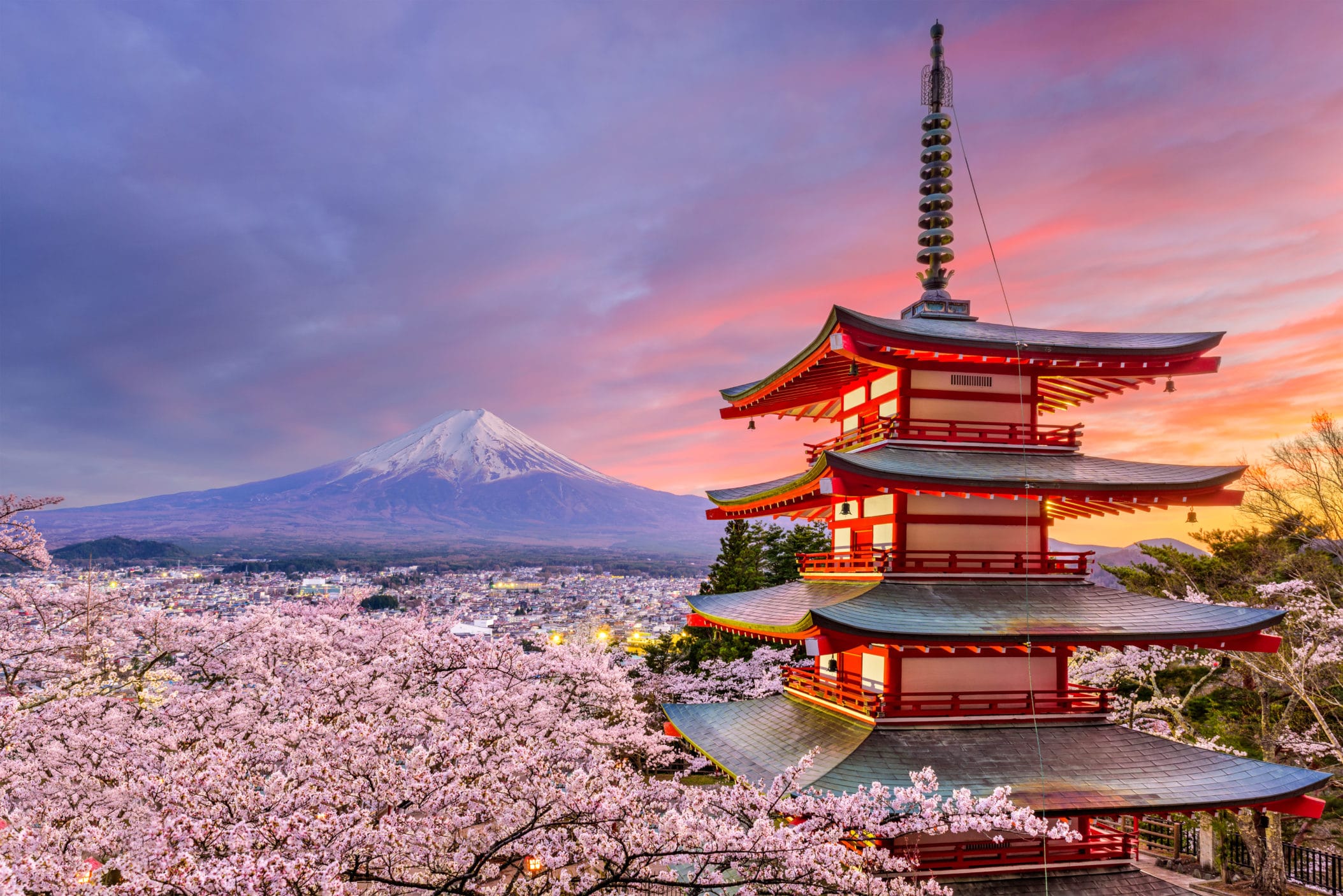
Japan is a country where ancient temples stand beside futuristic skylines, where cherry blossoms fall like poetry, and where every season paints the landscape in dramatic hues. But before you book your flight, one essential question arises: what is the best time to visit Japan?
The answer is beautifully layered. Japan experiences four distinct seasons, each offering a unique atmosphere, festivals, cuisine, and scenery. Whether you dream of pink sakura petals in Kyoto, snow-covered Mount Fuji, or neon-lit Tokyo nights, understanding the best time to visit Japan can transform your trip from memorable to extraordinary.
Let us explore month-wise weather, real temperature data, seasonal highlights, and what Japan is most famous for—so you can plan with confidence.
Understanding Japan’s Climate Zones
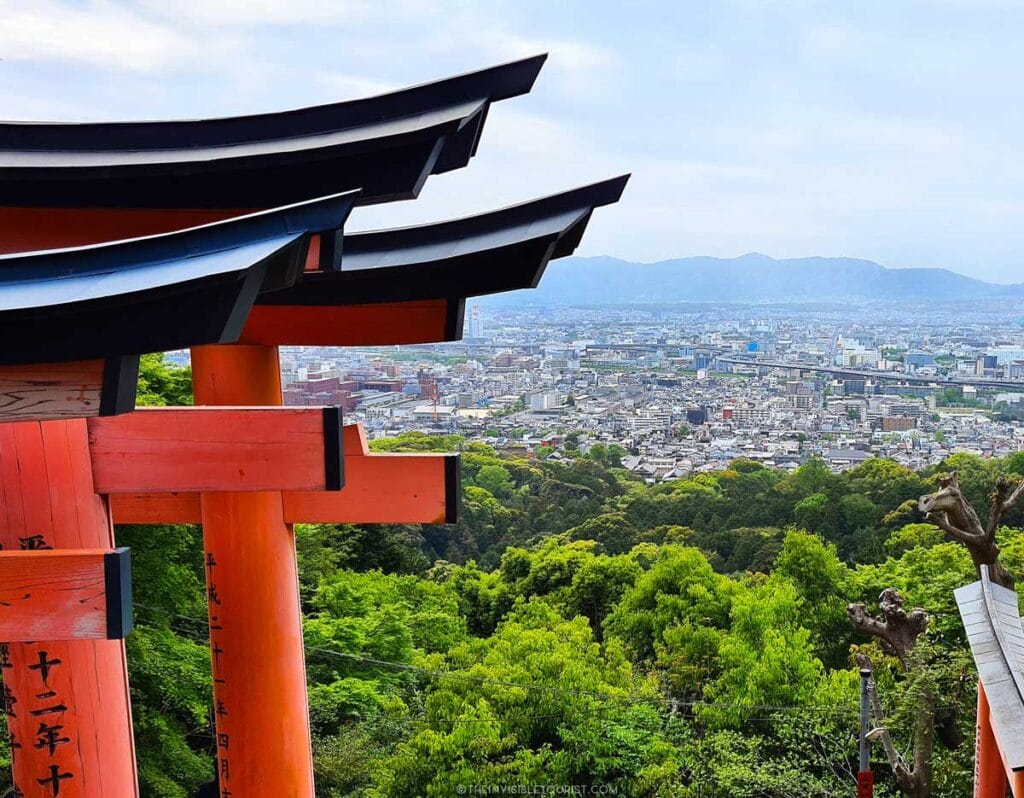
Japan stretches over 3,000 kilometers from north to south, creating varied climatic conditions:
- Hokkaido (North) – Cold winters, mild summers
- Honshu (Tokyo, Kyoto, Osaka) – Temperate climate
- Kyushu & Okinawa (South) – Subtropical climate
Because of this diversity, determining the best time to visit Japan depends on both region and travel goals.
Month-Wise Weather in Tokyo (Average °C)
| Month | Season | Avg. Min Temp | Avg. Max Temp | Travel Experience |
|---|---|---|---|---|
| January | Winter | 2°C | 10°C | Clear but cold |
| February | Winter | 3°C | 11°C | Plum blossoms begin |
| March | Spring | 6°C | 14°C | Cherry blossoms start |
| April | Spring | 10°C | 19°C | Peak sakura season |
| May | Spring | 15°C | 23°C | Comfortable & green |
| June | Early Summer | 19°C | 26°C | Rainy season begins |
| July | Summer | 23°C | 30°C | Hot & humid |
| August | Summer | 25°C | 32°C | Festival season |
| September | Autumn | 22°C | 28°C | Typhoon season |
| October | Autumn | 16°C | 22°C | Autumn foliage |
| November | Autumn | 10°C | 17°C | Crisp & scenic |
| December | Winter | 5°C | 12°C | Illuminations & quiet |
So, What Is the Best Time to Visit Japan?
For most travellers, March–May (spring) and October–November (autumn) are widely considered the best time to visit Japan.
These months provide comfortable temperatures, stunning natural scenery, and vibrant cultural festivals.
Let’s explore each season in depth.
Spring (March–May): Cherry Blossom Magic
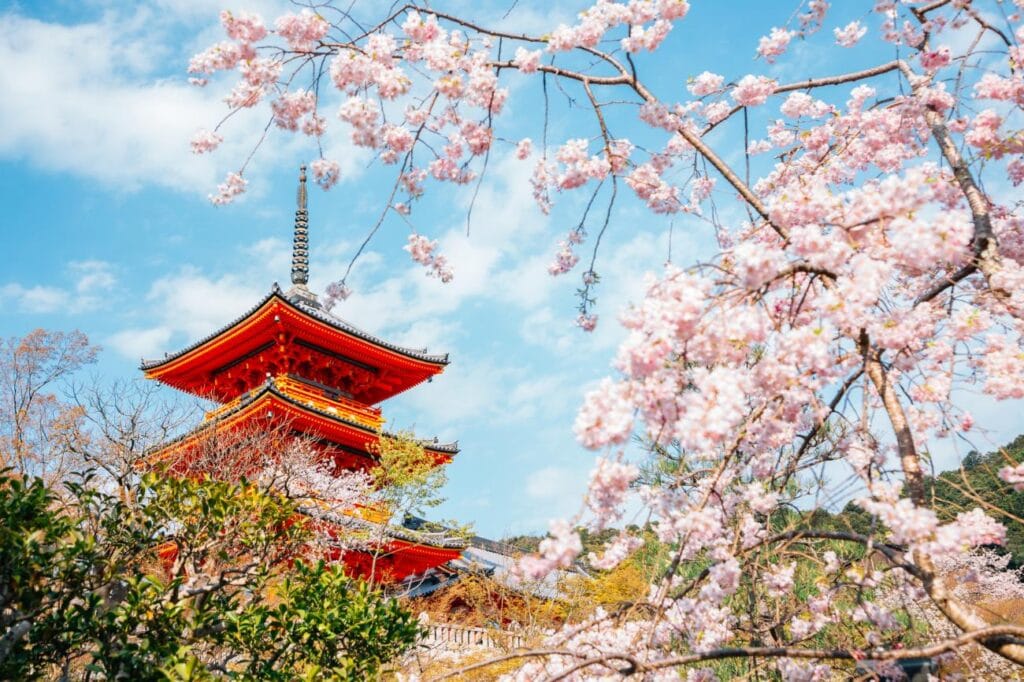
Spring is often regarded as the best time to travel Japan, particularly for first-time travelers.
Temperature Range: 10°C–23°C
What makes it extraordinary:
- Cherry blossom (sakura) season
- Hanami (flower-viewing) picnics
- Clear skies and moderate humidity
- Comfortable city exploration
Cities such as Kyoto and Tokyo transform into pastel dreamscapes. The Philosopher’s Path in Kyoto and Ueno Park in Tokyo become iconic photography spots.
April, in particular, is frequently cited as the best time to visit Japan due to peak blossom bloom.
Summer (June–August): Festivals & Energy
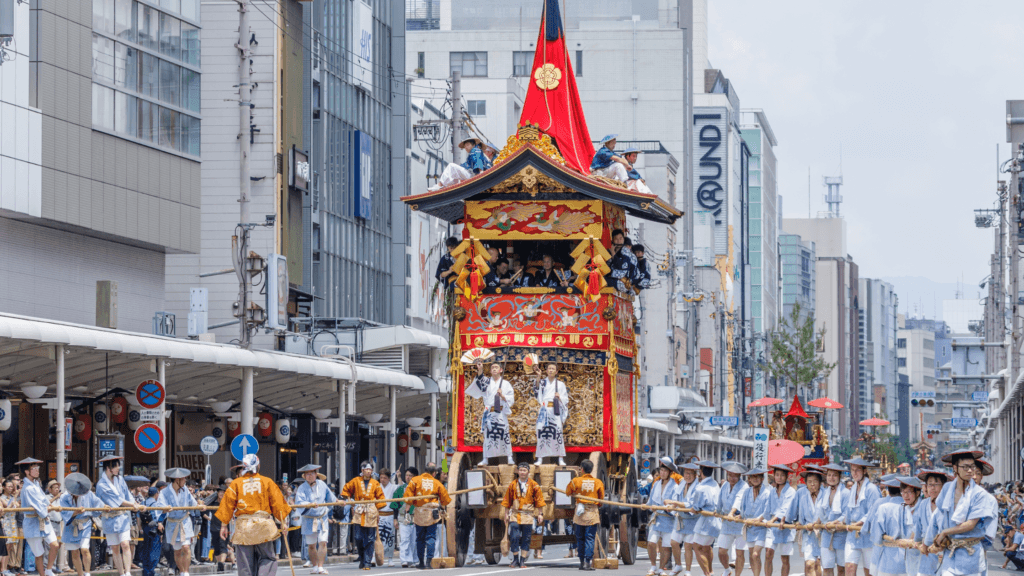
Summer brings vibrant cultural celebrations.
Temperature Range: 26°C–35°C (higher humidity)
What Japan is famous for in summer:
- Gion Matsuri (Kyoto)
- Fireworks festivals (Hanabi)
- Mount Fuji climbing season (July–September)
- Beach escapes in Okinawa
While summer offers cultural immersion, heat and humidity can be intense. Therefore, it may not always be the best time to visit Japan for those sensitive to warmer climates.
Autumn (October–November): Fiery Foliage
Autumn rivals spring as the best time to travel Japan.
Temperature Range: 10°C–22°C
Why autumn stands out:
- Brilliant red and gold maple leaves
- Fewer crowds than cherry blossom season
- Pleasant walking weather
- Clear views of Mount Fuji
Destinations such as Kyoto and Nikko become breathtaking with autumn colours.
October is often recommended as the best time to visit Japan for balanced weather and manageable tourism levels.
Winter (December–February): Snow & Serenity
Winter reveals a quieter side of Japan.
Temperature Range: 0°C–12°C (colder in northern regions)
Why visit in winter:
- Snow festivals in Sapporo
- Skiing in Hokkaido
- Illuminations in Tokyo
- Fewer tourists at temples
While winter may not be the typical best time to travel Japan for cherry blossoms, it offers excellent value and tranquil experiences.
Also Read – 7 Best Areas To Stay In Tokyo | Neighborhoods That Will Amaze You!
What Japan Is Most Famous For?
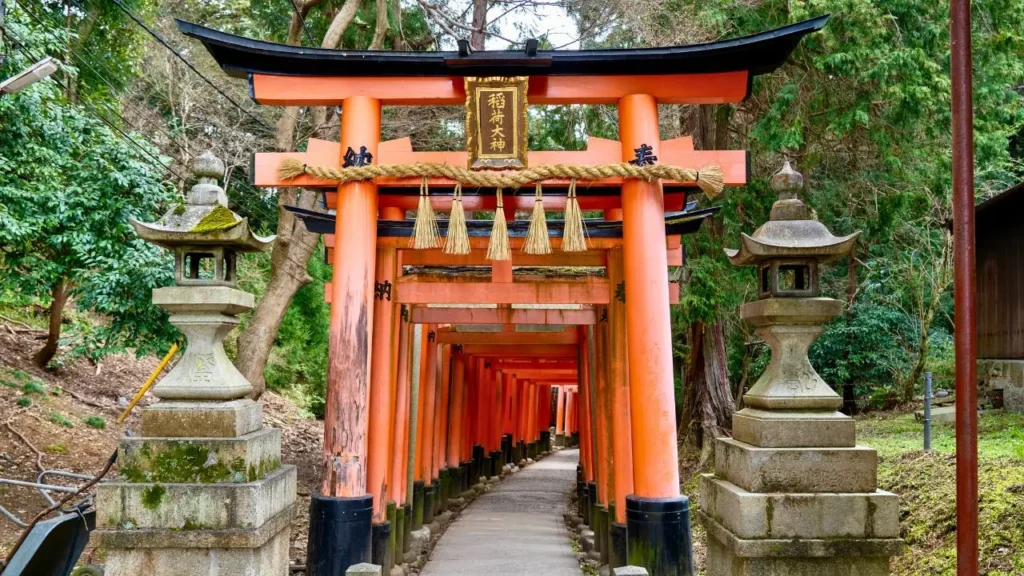
Japan’s global appeal rests on a harmonious blend of tradition and innovation:
- Fushimi Inari Taisha – Thousands of torii gates
- Mount Fuji – Iconic volcanic peak
- Tokyo – Futuristic metropolis
- Kyoto – Classical temples and gardens
- Osaka – Culinary capital
Each attraction performs best in specific seasons, reinforcing why selecting the best time to travel Japan depends on your travel focus.
Also Read – Solo Trip to Japan: A Journey of Freedom, Culture, and Self-Discovery
Regional Temperature Highlights
- Hokkaido: -5°C to 25°C annually
- Tokyo: 2°C to 32°C annually
- Kyoto: 1°C to 33°C annually
- Okinawa: 15°C to 33°C annually
If planning multi-city travel, spring or autumn is generally the best time to travel Japan for consistent comfort.
Expert Recommendation (EEAT Perspective)
Based on long-term meteorological data, tourism trends, and pricing patterns:
- Best Overall Balance: April & October
- Best for Cherry Blossoms: Late March to Early April
- Best for Autumn Foliage: November
- Best Budget Travel: January
For first-time travelers, April is often the best time to travel Japan, with moderate temperatures, scenic beauty, and a festival atmosphere.
Final Verdict: When Should You Visit?
The best time to visit Japan ultimately reflects your priorities.
Do you want to witness falling cherry blossoms, hike Mount Fuji under clear skies, savour street food at summer festivals, or wander snow-dusted temples?
For most travellers seeking optimal climate and scenic splendour, late spring and autumn offer unmatched harmony.
Japan dazzles in every season—but timing shapes the depth of your experience.
So, when will your Japanese adventure begin?