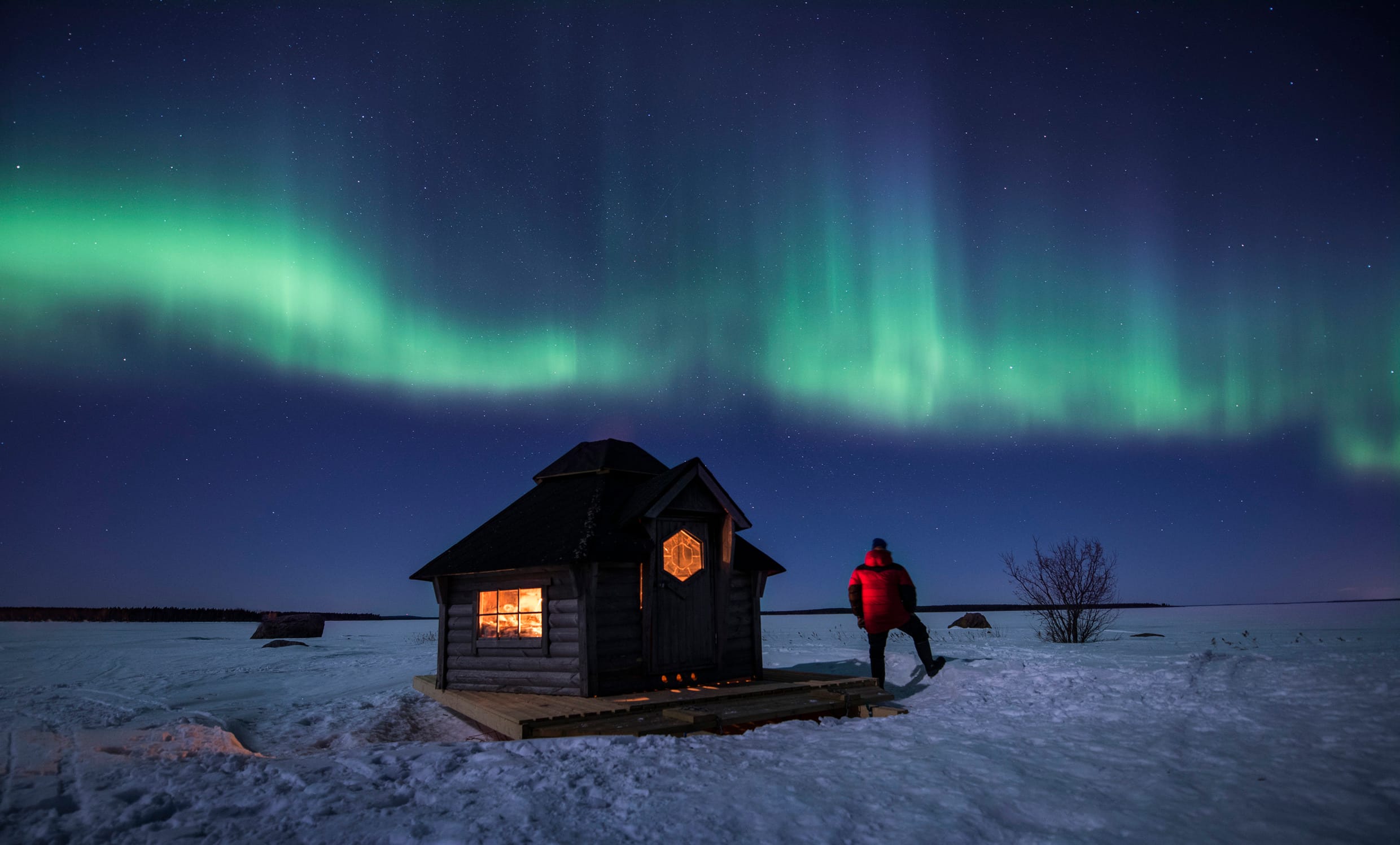
Witnessing the northern lights Sweden is one of the most extraordinary travel experiences in the world. The moment the sky transforms into waves of green, purple, and pink light, it feels almost unreal—like nature performing its own silent symphony. A journey to see the aurora borealis Sweden is not just about chasing a phenomenon, but about immersing in the Arctic wilderness, where silence, snow, and sky come together in perfect harmony.
From remote Lapland landscapes to iconic viewing spots like Abisko, Sweden offers some of the most reliable conditions on Earth to experience this magical display. Whether planned as a winter escape or a bucket-list adventure, understanding when and where to go is essential to make the most of the experience.
What Are the Northern Lights?
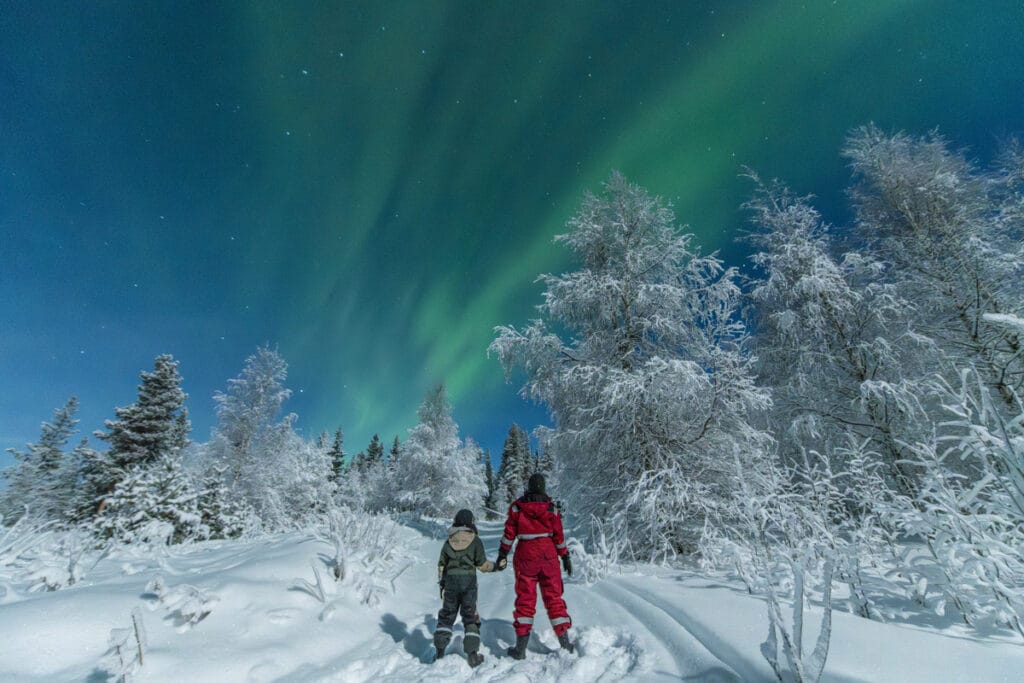
The northern lights, scientifically known as the aurora borealis, are one of Earth’s most captivating natural phenomena—appearing as dynamic waves of colour dancing across the night sky. The aurora borealis Sweden occurs when electrically charged particles released from the sun travel through space and interact with Earth’s magnetic field and upper atmosphere.
These solar particles are guided toward the polar regions by the planet’s magnetic field, where they collide with gases such as oxygen and nitrogen. This interaction excites the atoms, causing them to release energy in the form of visible light. The result is a mesmerising display that can appear as curtains, arcs, spirals, or shimmering ribbons moving across the sky.
The colours of the aurora depend on the type of gas and altitude involved. Oxygen typically produces green (the most common colour) and red tones, while nitrogen can create blue or purple hues. The intensity and movement of these lights vary depending on solar activity, particularly during geomagnetic storms caused by solar flares or coronal mass ejections.
Most commonly visible in high-latitude regions near the Arctic Circle, the northern lights are both unpredictable and awe-inspiring—making every sighting a unique and unforgettable experience shaped by the forces of space and Earth’s atmosphere.
Also Read - 9 Magical Destinations Where to See Northern Lights for an Unforgettable Aurora Experience
This post contains affiliate links. If you choose to book through them, a small commission may be earned at no additional cost to you. Your support genuinely helps keep the blog running and allows continued creation of high-quality travel guides. Thank you for being here and supporting this journey.
Best Time to See Northern Lights Sweden
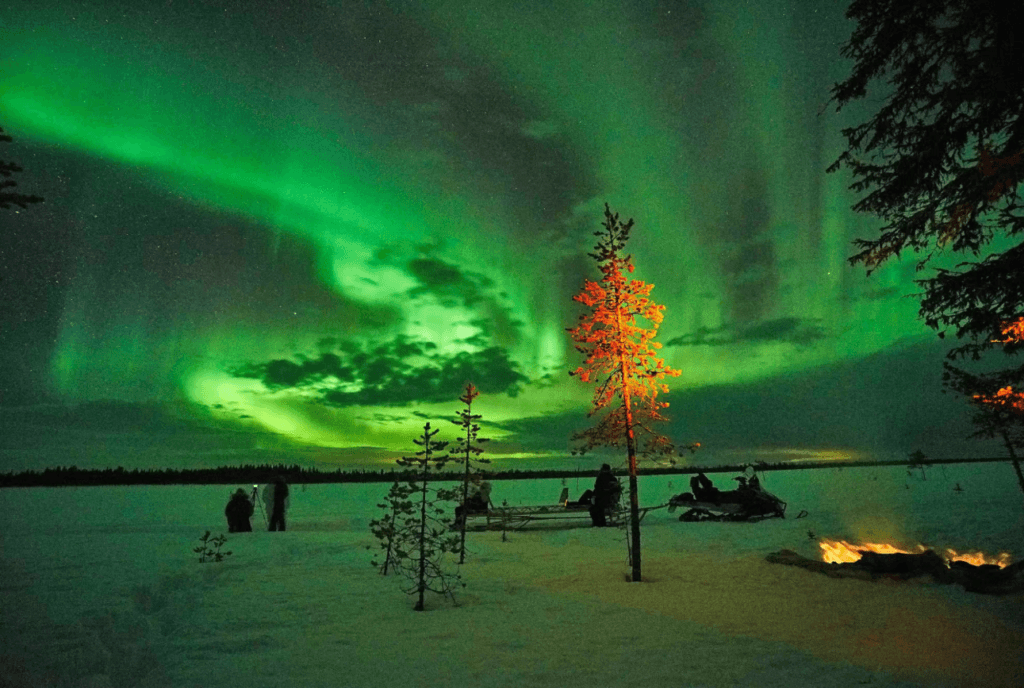
Timing plays a critical role in witnessing the Aurora Borealis Sweden. The best period is from September to March, when nights are long and dark enough for visibility.
- September to October: Milder temperatures (0°C to 10°C) and clearer skies
- November to February: Peak winter season (-5°C to -20°C), highest visibility
- March: Slightly warmer (-5°C to 5°C) with strong aurora activity
The most active viewing hours are typically between 6 PM and 2 AM, with peak intensity often around late evening.
While winter offers snowy landscapes and dramatic backdrops, early autumn provides a more comfortable climate with fewer crowds—both excellent choices for a northern lights in Sweden experience.
Best Places to See Aurora Borealis Sweden
Exploring the right locations is essential to experience the aurora borealis Sweden at its most vivid. Northern Sweden, particularly above the Arctic Circle, offers some of the most reliable conditions due to clear skies, minimal light pollution, and its position within the auroral zone.
Top Places to Experience the Northern Lights
- Abisko National Park
- Widely considered one of the best places in the world for aurora viewing
- Unique “blue hole” microclimate creates clearer skies than surrounding regions
- Aurora Sky Station provides elevated panoramic viewing with guided tours
- High success rate due to low cloud cover and minimal light pollution
- Kiruna
- Northernmost town in Sweden, located deep within Lapland
- Easy access to dark, remote viewing areas surrounded by mountains and forests
- Home to the famous Icehotel, combining luxury stays with aurora experiences
- Nearby Luossavaara mountain offers excellent viewing points
- Swedish Lapland (General Region)
- One of the most consistent regions for sightings, with auroras visible frequently during winter
- Vast open landscapes, frozen lakes, and wilderness enhance visibility
- Ideal for combining aurora chasing with Arctic activities like sledding and snowmobiling
- Jukkasjärvi
- Known for the iconic Icehotel and artistic Arctic stays
- Quiet surroundings and dark skies improve viewing chances
- Offers a mix of cultural and natural experiences
- Porjus & Jokkmokk
- Remote inland destinations with extremely low light pollution
- Provide uninterrupted sky views and fewer tourists
- Ideal for travellers seeking a more authentic and quiet aurora experience
- Luleå Archipelago
- Coastal location with frozen sea landscapes in winter
- Over 1,000 islands offering unique viewing settings
- Easily accessible yet still offers dark-sky conditions
Together, these destinations make the northern lights Sweden experience both diverse and unforgettable, ranging from accessible towns to remote Arctic wilderness.
Also Read - Northern Lights in Norway: Chasing the Aurora Above the Arctic Circle
How to Increase Your Chances of Seeing the Northern Lights
Seeing the aurora is never guaranteed, but following the right strategies can significantly improve your chances of witnessing the northern lights Sweden. The key lies in timing, location, and preparation.
1. Travel During the Right Months
Plan your visit between September and March, when nights are longest and darkest—essential conditions for visibility.
2. Go North of the Arctic Circle
Head to regions like Abisko or Kiruna, as higher latitudes fall directly under the auroral zone, increasing the probability of sightings.
3. Stay for Multiple Nights
Book at least 3–4 nights, as weather conditions change frequently. A longer stay significantly improves your chances, especially in clear-sky regions like Abisko.
4. Avoid Light Pollution
Move away from cities and artificial lights. Remote areas, frozen lakes, and open landscapes provide the best visibility.
5. Monitor Aurora Forecasts (KP Index)
Tracking solar activity is essential when planning to see the northern lights Sweden. Use reliable apps such as My Aurora Forecast & Alerts, Aurora Alerts, and Space Weather Live to monitor real-time KP index levels and geomagnetic activity. Weather platforms like Windy and YR.no are also useful for checking cloud cover. A higher KP index (typically 3 or above) increases visibility chances, especially in northern regions, helping you plan the perfect viewing time.
6. Check Weather Conditions
Clear skies are crucial—cloud cover can completely block the lights. Always monitor local forecasts before heading out.
7. Choose the Right Time of Night
The best viewing window is typically 6 PM to 2 AM, with peak activity around late evening.
8. Dress Warm and Be Patient
Temperatures can drop below -15°C, and waiting is often required. Layered clothing ensures comfort during long viewing periods.
9. Consider Guided Tours
Local guides understand weather patterns and optimal viewing spots, greatly improving your success rate.
10. Opt for Aurora-Friendly Stays
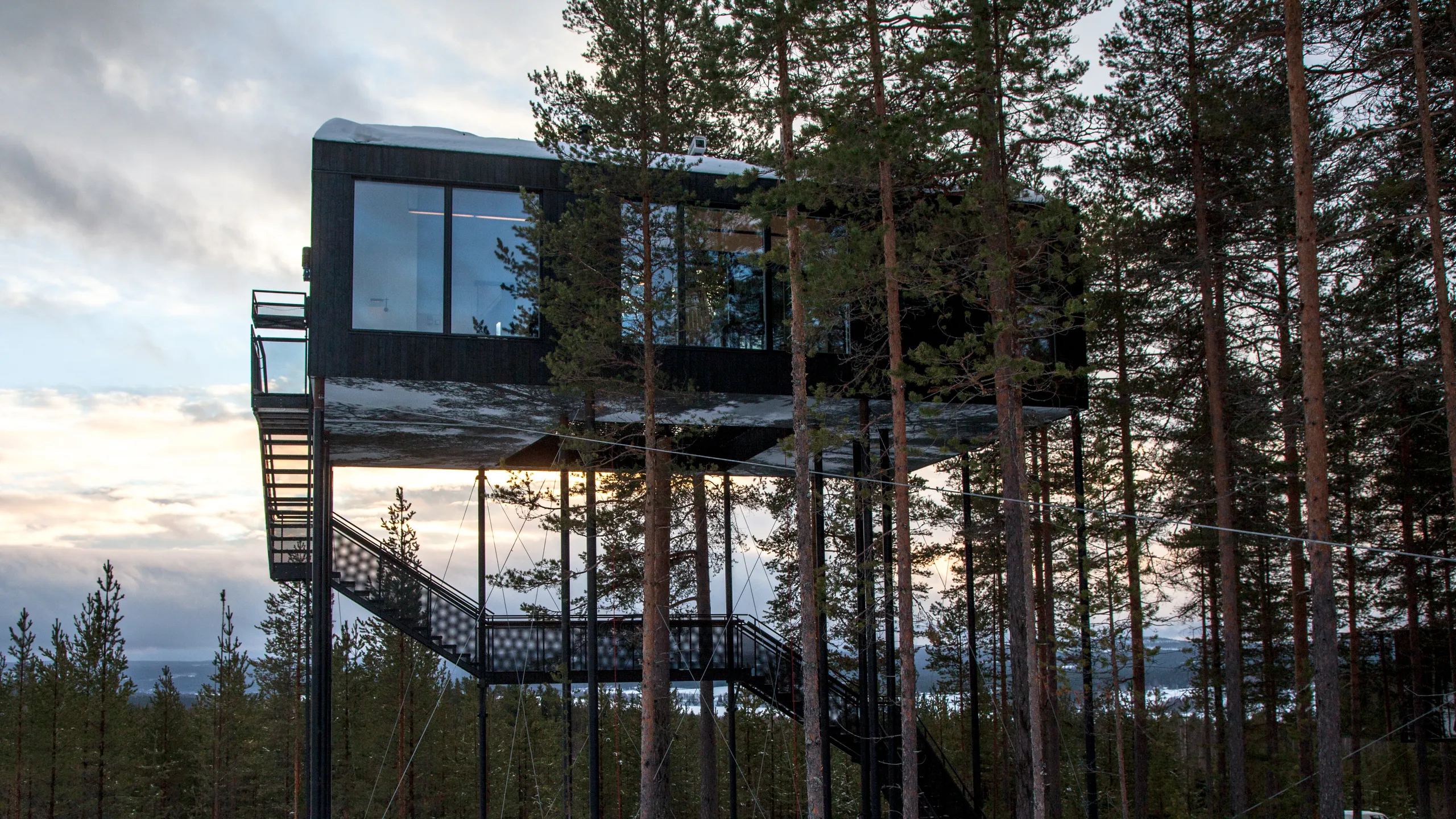
Choosing the right accommodation can significantly enhance your chances of witnessing the aurora borealis Sweden. Stay in remote, purpose-built locations such as the iconic Icehotel in Jukkasjärvi, where the surrounding darkness and Arctic setting provide excellent viewing conditions . Glass igloo stays near Kiruna, like Aurora dome camps or riverfront cabins, allow you to watch the sky from your room . In Abisko, lodges such as STF Abisko Turiststation and mountain lodges offer direct access to prime viewing spots near Aurora Sky Station.
By combining these strategies, the aurora borealis Sweden experience becomes far more achievable, turning a once-in-a-lifetime dream into a realistic and unforgettable encounter.
Experiences Beyond the Northern Lights
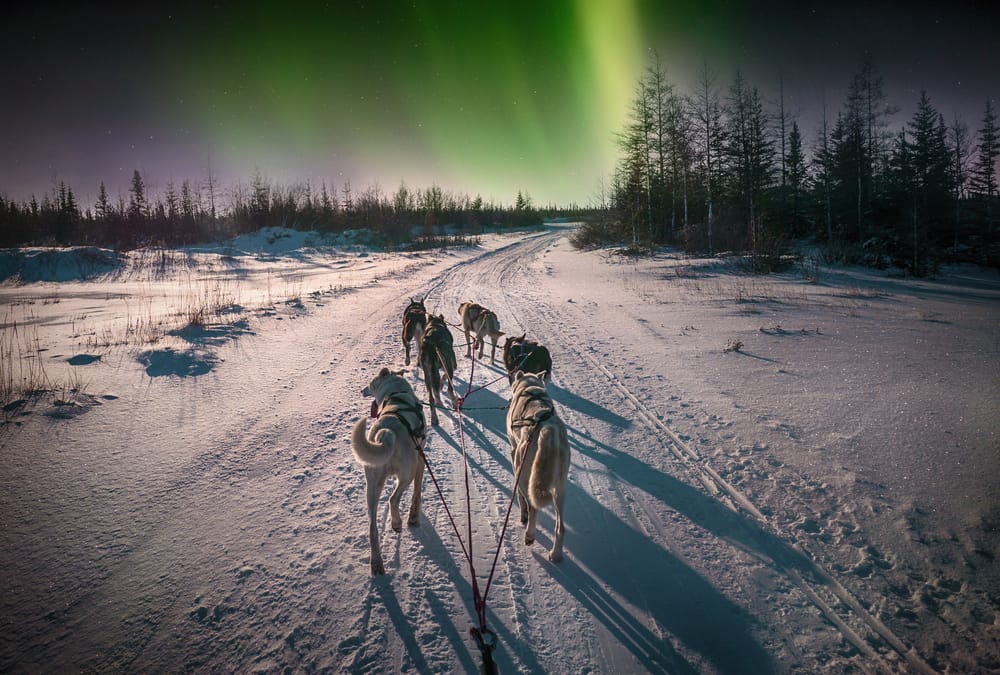
A trip focused on the northern lights in Sweden is also an opportunity to experience Arctic adventures:
- Dog sledding across frozen landscapes
- Snowmobiling under the aurora sky
- Reindeer sleigh rides with Sámi guides
- Staying in ice hotels or glass cabins
These experiences enhance the journey, making it far more than just a viewing trip—it becomes a complete Arctic immersion.
What to Pack for Aurora Borealis Sweden?
Packing smartly is essential for experiencing the northern lights Sweden, where temperatures can drop below -20°C. Instead of overloading, focus on layering and functionality for comfort and mobility.
1. Base Layer (Foundation)
Start with thermal or merino wool base layers that retain heat while keeping moisture away from the skin.
2. Insulation Layer (Warmth)
A fleece or wool sweater helps trap body heat and provides core insulation.
3. Outer Layer (Protection)
A windproof and waterproof jacket with insulated pants protects against Arctic winds and snow.
4. Footwear (Stability & Warmth)
Wear insulated, waterproof boots with strong grip—essential for icy terrain and long outdoor waits.
5. Extremities Protection
Use thermal gloves or mittens, a wool hat, and a neck gaiter to prevent heat loss from exposed areas.
6. Essential Gear
A tripod and camera are necessary for capturing the aurora borealis Sweden, along with spare batteries (kept warm).
7. Practical Add-ons
Carry hand warmers, a headlamp, and a small backpack for convenience during night viewing.
With the right balance of warmth and practicality, the entire experience becomes far more comfortable and enjoyable.
Photography Tips for Northern Lights
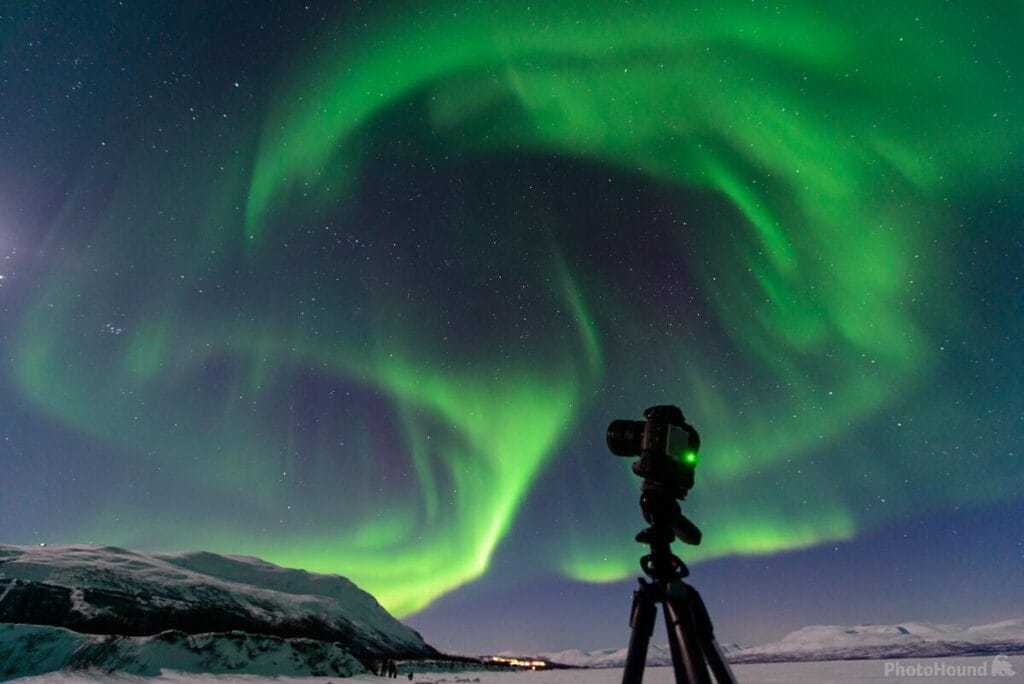
Capturing the aurora requires the right balance of settings, timing, and equipment. Follow these essential points to photograph the northern lights Sweden effectively:
- Use a Wide Aperture
Set your lens to f/2.8 or wider (f/1.8–f/2.0) to allow maximum light into the camera. - Adjust ISO Sensitivity
Start with ISO 1600–3200 and increase up to 6400 if the lights are faint. - Set the Right Shutter Speed
Use 2–10 seconds depending on aurora movement—shorter for fast lights, longer for faint ones. - Manual Focus is Essential
Switch to manual focus and set it to infinity, focusing on a distant star or light source. - Shoot in RAW Format
RAW files retain more detail, making post-processing for the aurora borealis Sweden much easier. - Use a Sturdy Tripod
Long exposures require complete stability to avoid blurry images. - Set White Balance Manually
Use around 3400–3500K to capture natural aurora colours. - Disable Image Stabilisation
Turn off stabilisation when using a tripod to prevent unwanted camera adjustments. - Carry Spare Batteries
Cold weather drains batteries quickly—keep extras warm in your pocket. - Include Foreground Elements
Add landscapes, trees, or cabins for depth and composition in your shots.
With these settings and techniques, photographing the aurora becomes far more controlled, allowing you to capture its movement, colour, and intensity with clarity.
Why Sweden is One of the Best Places for Aurora Viewing?
Sweden stands out among global destinations for aurora viewing due to several factors:
- Low light pollution in northern regions
- High latitude within the auroral zone
- Unique microclimate in places like Abisko
- Well-developed infrastructure for winter tourism
This combination makes the northern lights in Sweden experience both accessible and reliable compared to many other destinations.
Final Thoughts
A journey to witness the aurora borealis Sweden is not just about seeing lights in the sky—it’s about stepping into a different world. It’s the stillness of Arctic nights, the crunch of snow underfoot, and the anticipation of looking up at a sky that might suddenly come alive.
The northern lights Sweden offer a rare kind of travel experience—one that cannot be scheduled perfectly, only pursued with patience and wonder. With the right planning, location, and timing, it becomes a moment that stays etched in memory long after the journey ends.


Comments 0
Only approved comments are shown here.