
Dublin stands as one of Europe’s most culturally rich capitals, offering an exceptional blend of history, creativity, and artistic excellence. From world-renowned galleries housing masterpieces by Caravaggio and Vermeer to contemporary art spaces showcasing cutting-edge exhibitions, the city is a hub for both classical and modern creativity. The wide range of art museums in Ireland is particularly evident in Dublin, where national institutions and independent galleries coexist, creating a dynamic cultural landscape.
Exploring Dublin museums provides more than just visual enjoyment—it offers deep insights into Irish identity, heritage, and global artistic influence. Many museums are centrally located and free to enter, making them accessible for all visitors. Whether you’re passionate about fine art, history, literature, or immersive storytelling, Dublin offers an unmatched museum experience that caters to every interest.
1. National Gallery of Ireland
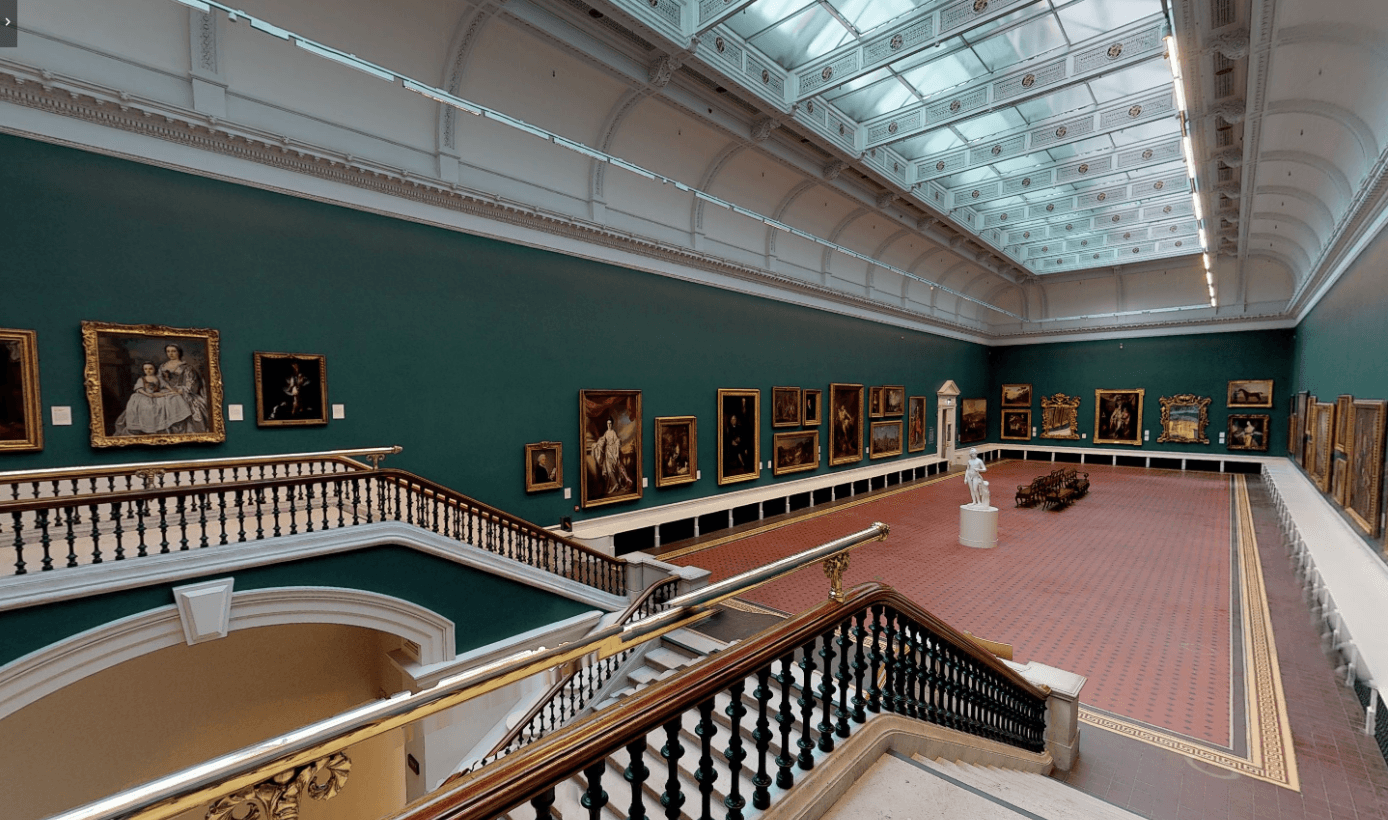
The National Gallery of Ireland, located on Merrion Square, is the country’s leading fine art institution and a cornerstone of art museums in Ireland. Established in 1854, it houses over 16,000 works, including masterpieces by Caravaggio, Vermeer, Rembrandt, and Irish artists like Jack B. Yeats. Visitors can explore both permanent and temporary exhibitions across beautifully restored historic and modern wings.
The Millennium Wing adds contemporary architectural flair while maintaining classical elegance. Free guided tours, audio guides, and family-friendly workshops enhance the visitor experience. The gallery café and shop offer a relaxing break after exploring. Early morning visits are recommended for a quieter experience. Its central location makes it easy to combine with nearby attractions, making it a must-visit destination for art lovers.
2. Irish Museum of Modern Art (IMMA)
The Irish Museum of Modern Art (IMMA) is housed in the historic Royal Hospital Kilmainham, a 17th-century building surrounded by formal gardens. As one of the most innovative Dublin museums, it focuses on contemporary and modern art, featuring works by both Irish and international artists. The museum’s spacious galleries allow for immersive installations, rotating exhibitions, and experimental displays.
Visitors can also explore outdoor sculptures and peaceful gardens, offering a unique blend of art and nature. Admission to the permanent collection is free, though special exhibitions may require tickets. The museum frequently hosts workshops, talks, and artist residencies, making it a dynamic cultural hub. Its location near Kilmainham Gaol makes it ideal to combine with a historical visit for a well-rounded itinerary.
3. Hugh Lane Gallery (Dublin City Gallery)
The Hugh Lane Gallery, located in Charlemont House on Parnell Square, is a pioneer among art museums in Ireland dedicated to modern art. Founded in 1908, it was one of the first galleries globally to focus on contemporary works. Its most famous feature is the reconstructed studio of Francis Bacon, relocated from London and preserved in remarkable detail.
The gallery also houses an impressive collection of Irish and international modern art, including works by Monet, Manet, and Renoir. Visitors can enjoy free admission and a rotating programme of exhibitions and cultural events. Its central location near O’Connell Street makes it easily accessible. The gallery’s intimate setting allows for a more personal viewing experience compared to larger institutions.
4. Chester Beatty Library
The Chester Beatty Library, situated within Dublin Castle, is one of the most unique Dublin museums, offering a global perspective on art and culture. It houses an extraordinary collection of manuscripts, rare books, and artworks from Asia, the Middle East, Europe, and North Africa. Highlights include illuminated Qur’ans, East Asian scrolls, and early biblical texts. The museum is known for its well-curated exhibitions that provide cultural context and storytelling. Entry is free, and guided tours are available for deeper insight. Its rooftop garden and café offer a peaceful retreat within the castle complex. The museum’s diverse collections make it ideal for visitors interested in cross-cultural artistic traditions and history.
5. National Museum of Ireland – Decorative Arts & History
Located in Collins Barracks, this branch of the National Museum is a highlight among art museums in Ireland, focusing on design, craftsmanship, and history. The museum features an extensive collection of furniture, ceramics, textiles, and weaponry, alongside exhibitions on Irish military history. Its spacious galleries allow visitors to explore a wide variety of artefacts in a relaxed setting.
Entry is free, and the museum is less crowded than central attractions, offering a more comfortable experience. Informative displays and interactive exhibits make it engaging for all ages. The building itself, a restored 18th-century barracks, adds architectural interest. It is ideal for visitors looking to explore Ireland’s decorative arts and historical evolution in depth.
6. National Museum of Ireland – Archaeology
The National Museum of Ireland – Archaeology is one of the most important Dublin museums for understanding the country’s ancient past. Located on Kildare Street, it showcases artefacts dating back over 7,000 years, including Celtic gold jewellery, Viking weapons, and medieval relics. One of its most fascinating exhibits is the collection of preserved bog bodies, offering insight into prehistoric rituals.
The museum’s layout is well-organised, guiding visitors through Ireland’s timeline from prehistoric to medieval periods. Entry is free, making it accessible for all travellers. Its central location near Trinity College makes it easy to include in a walking itinerary. Detailed descriptions and displays provide a rich educational experience.
7. National Museum of Ireland – Natural History
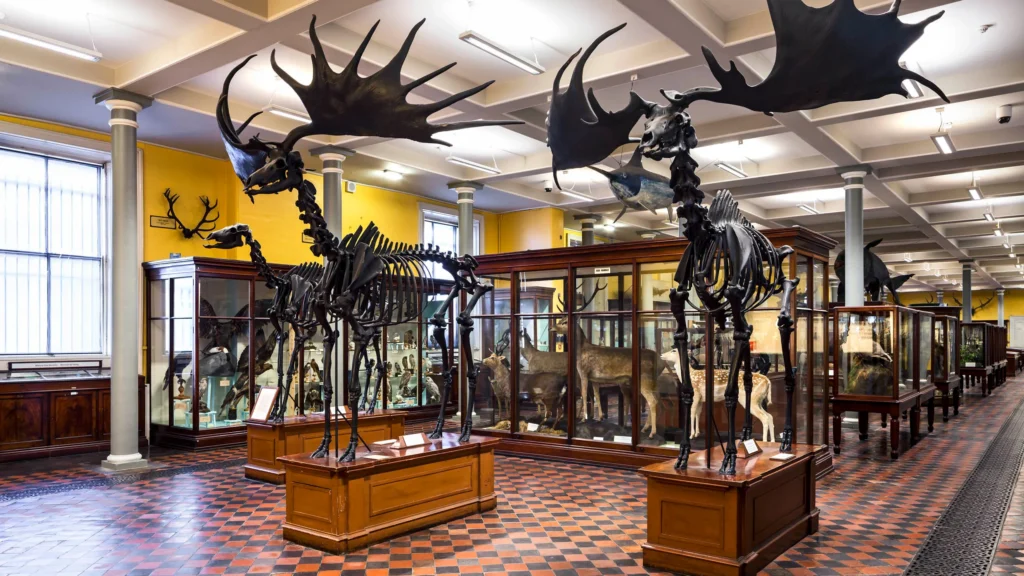
Known as the “Dead Zoo,” the Natural History Museum is one of the most distinctive art museums in Ireland due to its preserved Victorian display style. Located on Merrion Street, it houses extensive zoological collections, including skeletons, taxidermy animals, and marine specimens. The museum has remained largely unchanged since the 19th century, offering a unique glimpse into historical museum presentation. Visitors can explore Irish wildlife alongside exotic species from around the world. Entry is free, and the compact layout makes it ideal for a short visit. It is particularly popular with families and students. The museum’s nostalgic atmosphere and educational value make it a memorable stop in Dublin.
Also Read – 14 Best Dublin Pubs That Will Make You Wish You Had More Time!
8. EPIC The Irish Emigration Museum
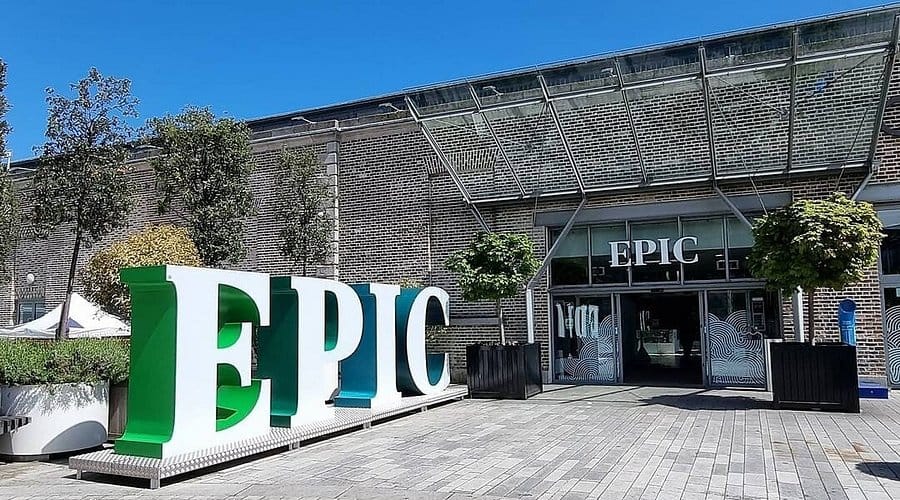
EPIC is one of the most technologically advanced Dublin museums, offering a fully digital and interactive experience. Located in the CHQ Building along the River Liffey, it tells the story of Irish emigration and its global impact. Visitors engage with touchscreens, videos, and immersive installations that highlight the achievements of Irish people worldwide.
The museum is divided into themed galleries covering culture, politics, and identity. It is particularly engaging for younger visitors due to its interactive format. Tickets are required, and pre-booking is recommended during peak seasons. Its modern approach sets it apart from traditional museums, making it a must-visit for those seeking a contemporary cultural experience.
9. The Little Museum of Dublin
The Little Museum of Dublin offers an intimate look at the city’s 20th-century history through artefacts donated by locals. As one of the most charming art museums in Ireland, it provides a personal and engaging storytelling experience. Located near St. Stephen’s Green, the museum features exhibits on Irish culture, politics, and music, including memorabilia from the band U2. Guided tours are highly recommended, as knowledgeable guides bring the exhibits to life with humour and insight. The museum is relatively small, making it easy to explore within an hour. It is ideal for visitors seeking a deeper connection to Dublin’s social and cultural evolution.
10. Dublinia
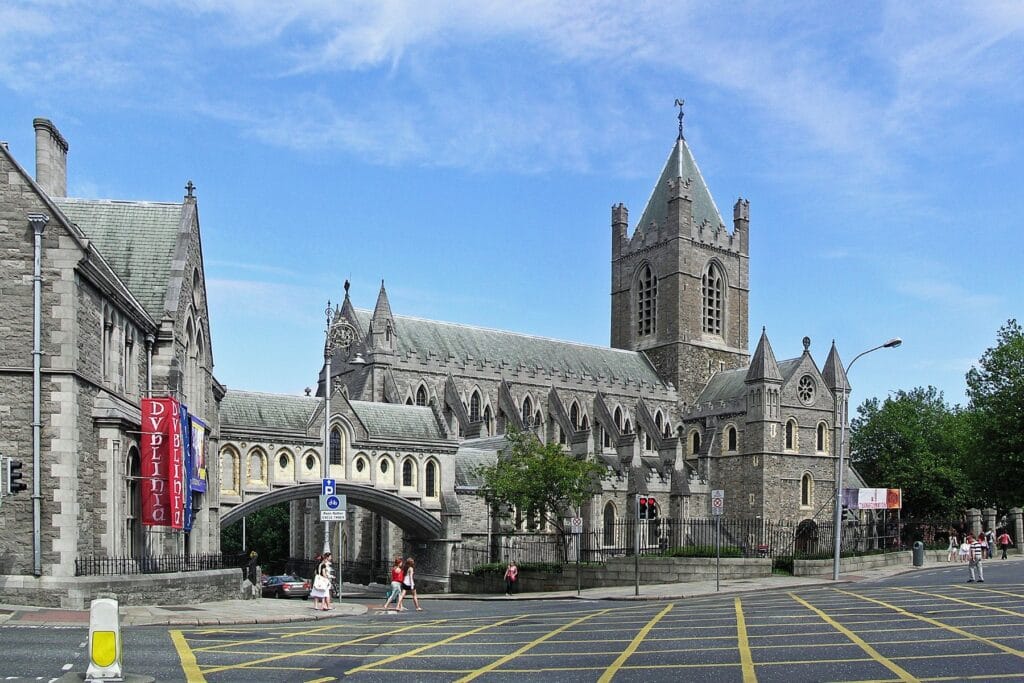
Dublinia is an interactive museum located beside Christ Church Cathedral, offering a journey into Viking and medieval Dublin. It is one of the most engaging Dublin museums, particularly for families and history enthusiasts. Visitors can explore reconstructed Viking houses, try on medieval costumes, and learn about daily life in ancient Dublin. The museum also includes a climb up a medieval tower, providing panoramic views of the city. Educational displays and hands-on exhibits make learning both fun and immersive. Tickets are required, and it is advisable to allow at least 1–2 hours for a full visit. Dublinia brings history to life in an accessible and entertaining way.
11. Irish Rock ‘n’ Roll Museum Experience
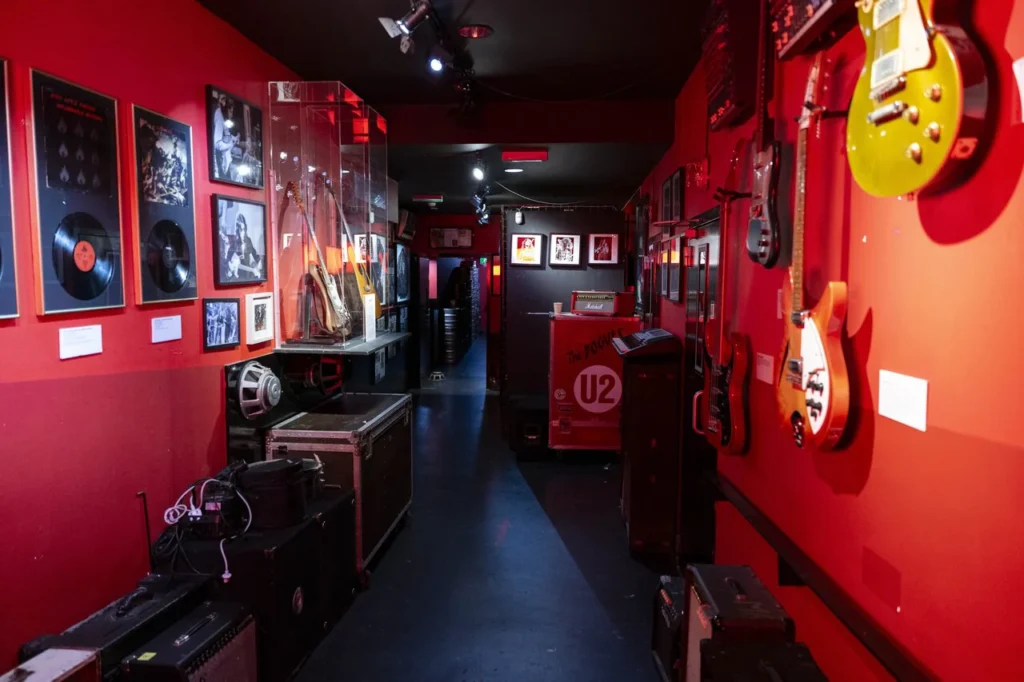
Located in Temple Bar, the Irish Rock ‘n’ Roll Museum Experience celebrates Ireland’s vibrant music scene. As one of the most energetic art museums in Ireland, it showcases memorabilia from iconic bands such as U2, Thin Lizzy, and The Cranberries. Visitors can explore recording studios, see instruments, and even participate in live music sessions. Guided tours provide behind-the-scenes insights into Ireland’s music industry. The interactive nature of the museum makes it especially appealing to younger audiences and music enthusiasts. Tickets are required, and tours run throughout the day. Its central location makes it easy to include in a cultural itinerary.
12. Museum of Literature Ireland (MoLI)
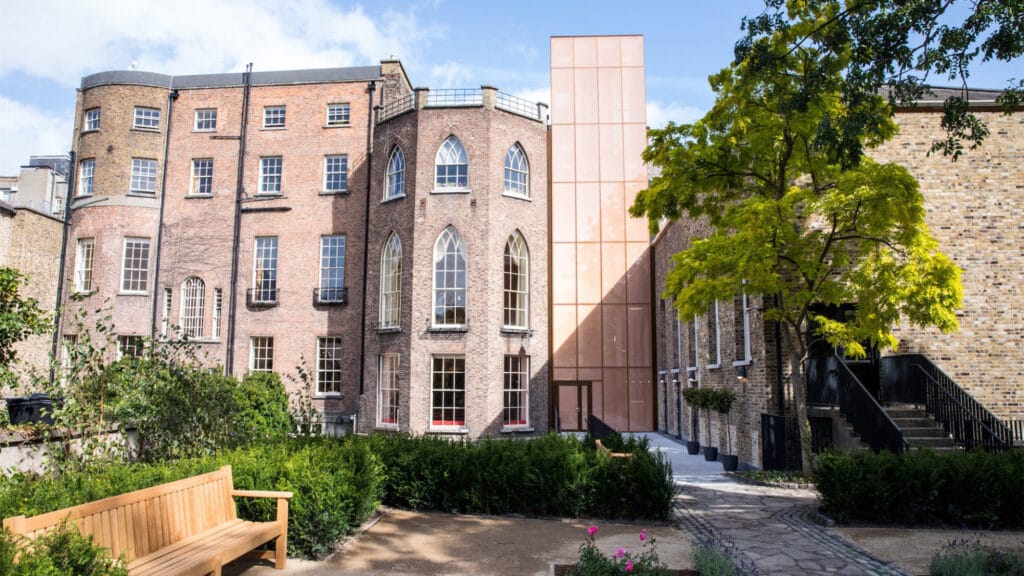
The Museum of Literature Ireland (MoLI), located at Newman House near St. Stephen’s Green, celebrates Ireland’s literary heritage. It stands out among Dublin museums for its immersive storytelling and modern design. The museum features exhibitions dedicated to writers such as James Joyce, with highlights including a rare first edition of Ulysses. Visitors can explore interactive displays, audio installations, and tranquil gardens. The museum also hosts literary events, readings, and workshops throughout the year. Entry is ticketed, and guided tours enhance the experience. Its blend of history, literature, and technology makes it a must-visit for book lovers and cultural enthusiasts.
Final Thoughts
Dublin offers an extraordinary cultural journey through its diverse museums, ranging from classical art galleries to innovative digital experiences. The city’s rich artistic heritage is reflected in the breadth of art museums in Ireland, with Dublin at its core as a cultural hub.
Whether you’re exploring historic collections, modern exhibitions, or immersive storytelling spaces, the variety of Dublin museums ensures there is something for every interest. From world-class masterpieces to unique local narratives, Dublin’s museums provide an unforgettable experience that highlights Ireland’s artistic and cultural legacy.