
Scandinavian monsters are mythical creatures found in Norse mythology and Nordic folklore, originating from countries like Sweden, Norway, Denmark, and Iceland. These creatures were deeply rooted in Viking beliefs and were used to explain natural disasters, fears, and the unknown forces of the world. Unlike modern fictional monsters, Scandinavian monsters often had symbolic meanings—representing chaos, death, fate, or even protection.
In Norse mythology, the world was believed to be filled with powerful beings beyond humans and gods, including giants, dragons, spirits, and undead creatures . Some monsters were enemies of the gods, while others coexisted with humans or acted as guardians.
These creatures were not always purely evil; many had complex roles. Some, like trolls, were dangerous yet tied to nature, while others, like spirits, could be helpful or harmful depending on circumstances .
Today, scandinavian monsters continue to inspire movies, books, and games, making them one of the most fascinating mythological traditions in the world.
1. Fenrir – The Giant Wolf of Destruction
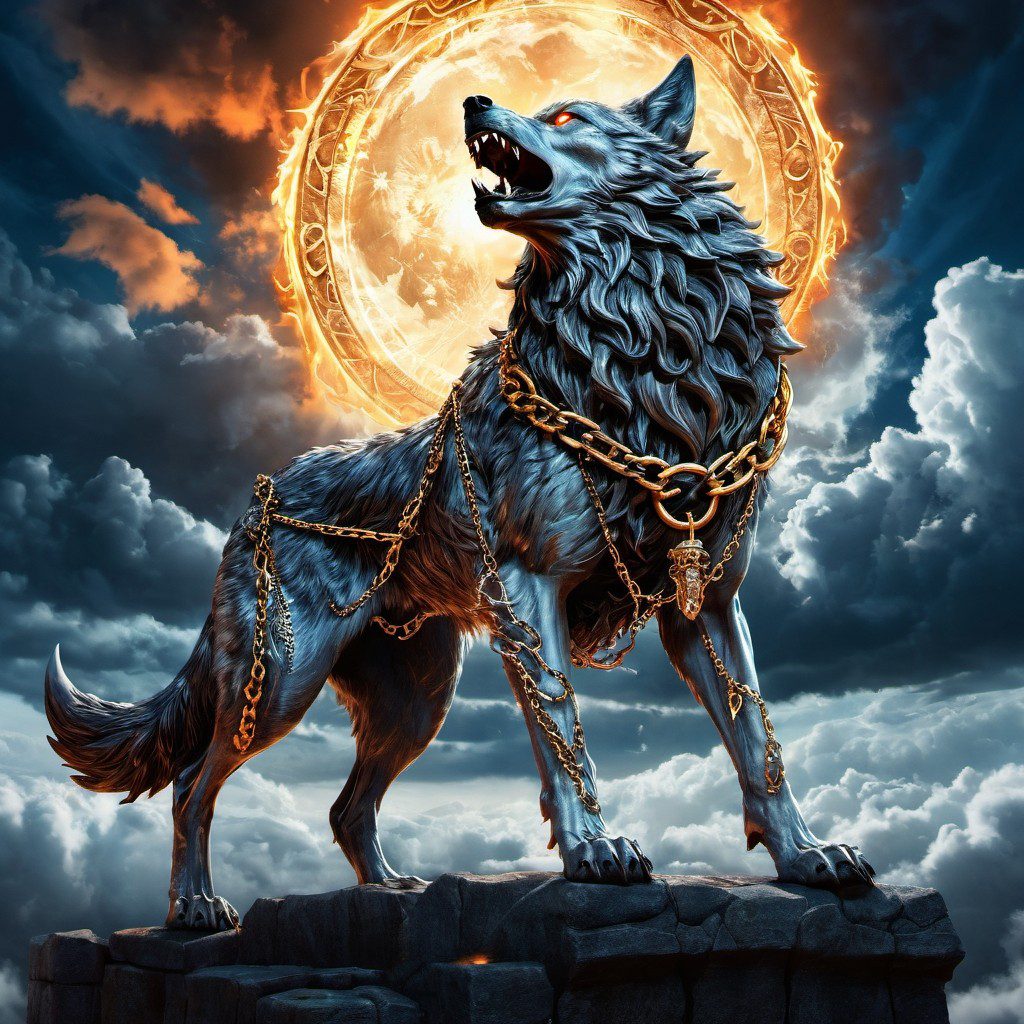
Fenrir is one of the most feared creatures in Norse mythology, a monstrous wolf born to Loki and the giantess Angrboda. From a young age, he grew at an unnatural rate, alarming the gods, who knew from prophecy that he would bring destruction. Eventually, they bound him using a magical chain, but only after the god Tyr sacrificed his hand. During Ragnarok, Fenrir breaks free and kills Odin before being slain by Odin’s son. He represents uncontrollable power, chaos, and the inevitability of fate, showing how even divine beings cannot escape destiny in Norse belief systems.
Also Read – Ultimate Guide to Things to Do in Stockholm Sweden: Best Stockholm Attractions & Experiences
2. Jörmungandr – The World Serpent
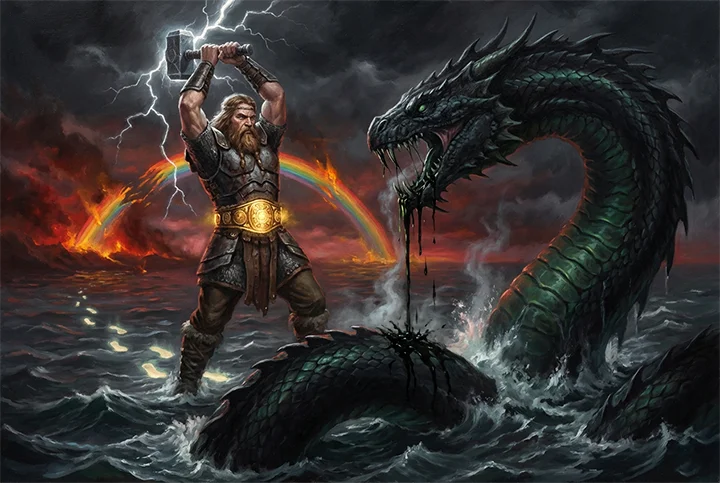
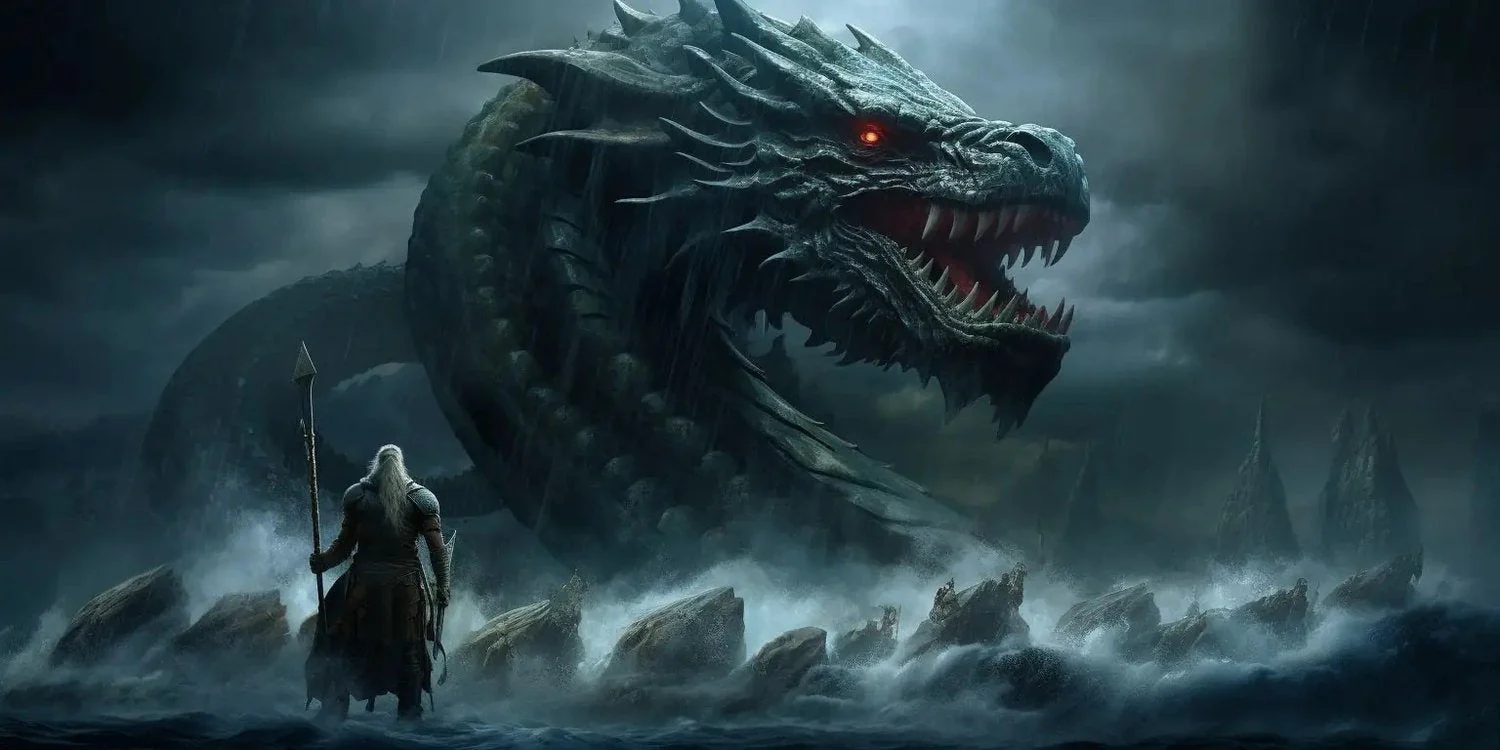
Jörmungandr is one of the most iconic Scandinavian monsters, known as the Midgard Serpent. This colossal sea creature encircles the entire world, gripping its own tail in a symbolic ouroboros form. Thrown into the ocean by Odin, it grew so large that it surrounds Midgard completely. Its presence was deeply feared by Vikings, as it was believed to cause storms and ocean disturbances. During Ragnarok, Jörmungandr emerges from the sea to battle Thor, resulting in both their deaths. This creature symbolises the cyclical nature of life and destruction, as well as humanity’s fear of the vast, unpredictable ocean.
3. Trolls – The Forest and Mountain Giants
Trolls are deeply embedded in Scandinavian folklore and are often associated with remote forests, caves, and mountains. These creatures vary in size and intelligence but are usually portrayed as large, slow, and dangerous beings. One of their most defining traits is their vulnerability to sunlight, which turns them into stone. Trolls represent the untamed forces of nature and were often used in stories to warn people about wandering into dangerous wilderness areas. While many tales depict them as hostile, some stories portray them as isolated beings living away from humans, reflecting a complex relationship between humans and the natural environment.
4. Draugr – The Undead Warriors
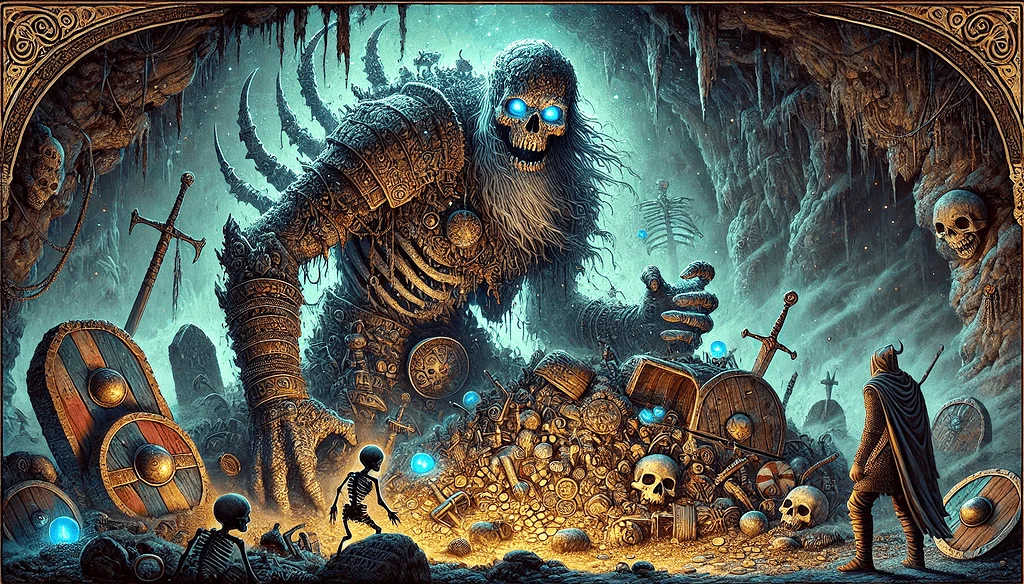
The Draugr are among the most terrifying Scandinavian monsters, known as undead warriors who guard their graves. Unlike traditional zombies, Draugr retain intelligence, strength, and supernatural abilities, including shape-shifting and controlling the weather. They were believed to rise from burial mounds to protect their treasures or seek revenge on the living. These creatures symbolised deep-rooted fears of death, burial, and the afterlife in Viking culture. Stories of Draugr often served as warnings about improper burial practices and moral wrongdoing, reinforcing cultural values while instilling fear of the unknown beyond death.
5. Níðhöggr – The Dragon of the Underworld
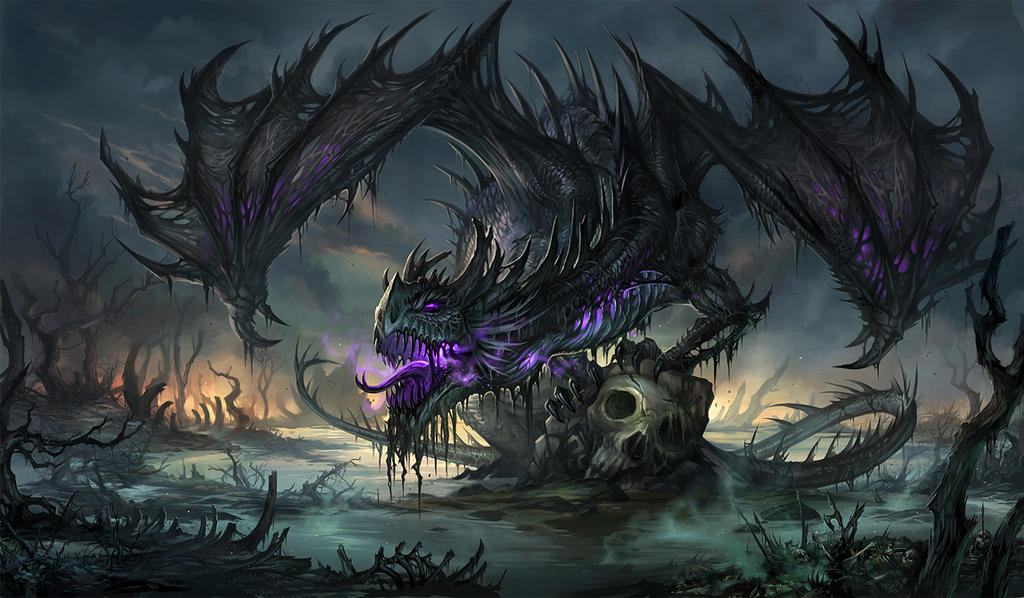
Níðhöggr is a dark and destructive dragon that resides beneath Yggdrasil, the World Tree. It constantly gnaws at the tree’s roots, symbolising decay and the slow destruction of life. Feeding on corpses in the underworld, Níðhöggr represents corruption and the inevitable decline of existence. Its actions threaten the stability of the cosmos, making it a key figure in Norse cosmology. This creature embodies the darker side of nature, reminding people of mortality and the fragility of life within the interconnected universe.
6. The Kraken – The Sea Terror
The Kraken is one of the most legendary scandinavian monsters, feared by sailors across Nordic seas. Often described as a gigantic octopus or squid, it was believed to rise from the depths and drag entire ships underwater. These stories likely originated from real encounters with giant sea creatures, exaggerated over time. The Kraken symbolised the dangers of ocean travel, especially during the Viking Age when seafaring was essential. It also represented humanity’s fear of the unknown, particularly the deep ocean, which remained largely unexplored and mysterious.
7. Jötnar – The Giants
The Jötnar, or giants, are powerful beings often depicted as adversaries of the gods. However, they are not purely evil; some interact peacefully or even intermarry with the gods. They represent chaos, nature, and primal forces beyond human control. Living in Jötunheim, they embody the wild, untamed aspects of the universe. Their presence in mythology reflects the constant tension between order (gods) and chaos (giants), a central theme in Norse belief systems.
8. Hel – The Ruler of the Dead
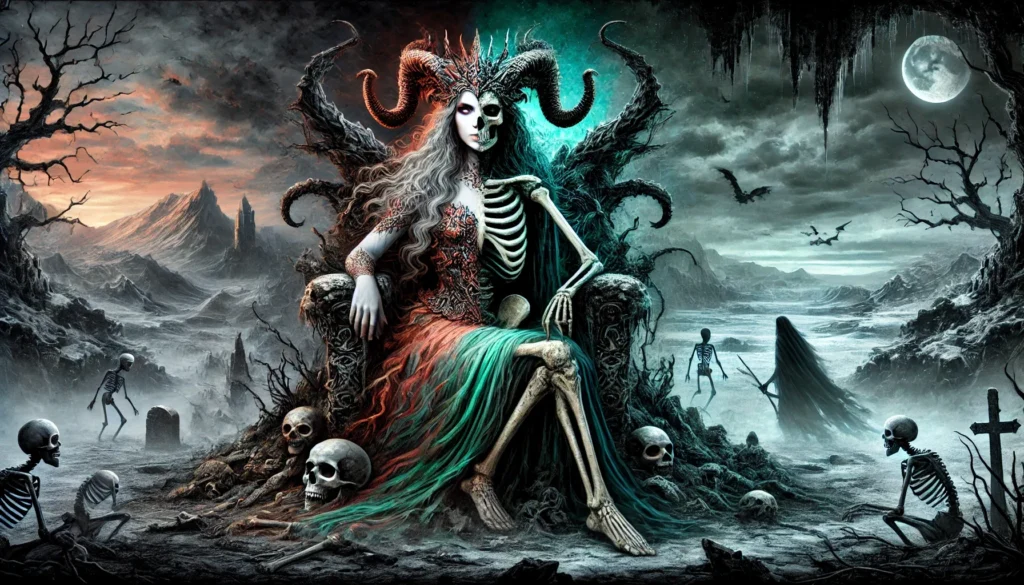
Hel is one of the most unique Scandinavian monsters, ruling over the realm of the dead. She is depicted as half alive and half corpse-like, symbolising the boundary between life and death. Unlike other mythological figures, Hel governs those who die from illness or old age rather than battle. Her domain is cold and shadowy, reflecting a neutral rather than purely evil afterlife. Hel’s role highlights the Norse understanding of death as a natural and inevitable part of existence.
9. Garm – The Guardian of Hel
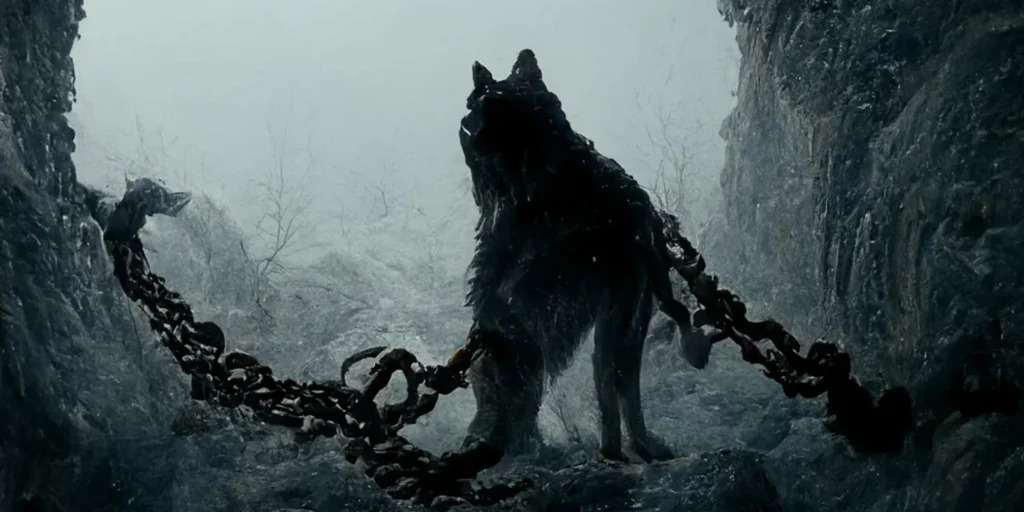
Garm is a monstrous wolf that guards the entrance to Hel’s realm. Often compared to Cerberus in Greek mythology, Garm ensures that the dead remain within the underworld. During Ragnarok, he breaks free and engages in battle, contributing to the chaos of the end times. Garm represents loyalty, protection, and the boundary between life and death, serving as both guardian and harbinger of destruction.
10. Sköll and Hati – The Sky Wolves
Sköll and Hati are celestial wolves and important scandinavian monsters in Norse cosmology. They chase the sun and moon across the sky, creating the cycle of day and night. According to myth, they will eventually catch and devour them during Ragnarok, plunging the world into darkness. These wolves symbolise time, inevitability, and cosmic balance, reflecting how natural cycles were understood in ancient Scandinavian belief systems.
11. The Mare – The Nightmare Spirit
The Mare is a supernatural being believed to sit on a person’s chest during sleep, causing terrifying dreams or paralysis. This creature is the origin of the word “nightmare.” It reflects ancient attempts to explain sleep disorders and the feeling of being unable to move during dreams. The Mare symbolises unseen fears and psychological distress, showing how mythology was used to interpret human experiences.
12. Lyngbakr – The Living Island
Lyngbakr is one of the most deceptive scandinavian monsters, appearing as a harmless island in the sea. Sailors would land on it, only to be dragged underwater when the creature submerged. This myth highlights the dangers of ocean travel and the unpredictability of nature. It also reflects how early explorers misunderstood natural phenomena, turning them into cautionary tales that warned against complacency.
13. Huldra – The Forest Spirit
The Huldra is a mysterious forest being in Nordic folklore, often described as a beautiful woman with a hidden animal tail or hollow back. Known as a “hidden” or secret spirit, she blends seamlessly into the wilderness and can either guide or mislead travellers depending on their behaviour . As one of the more complex scandinavian monsters, she represents the dual nature of forests—both nurturing and dangerous. Some legends portray her as kind to respectful humans, while others warn of her ability to lure people deep into the woods. Her stories emphasise respect for nature, moral behaviour, and awareness when entering unknown environments, reflecting how ancient Scandinavians viewed the wilderness as both a provider and a powerful, unpredictable force.
14. Fafnir – The Dragon of Greed
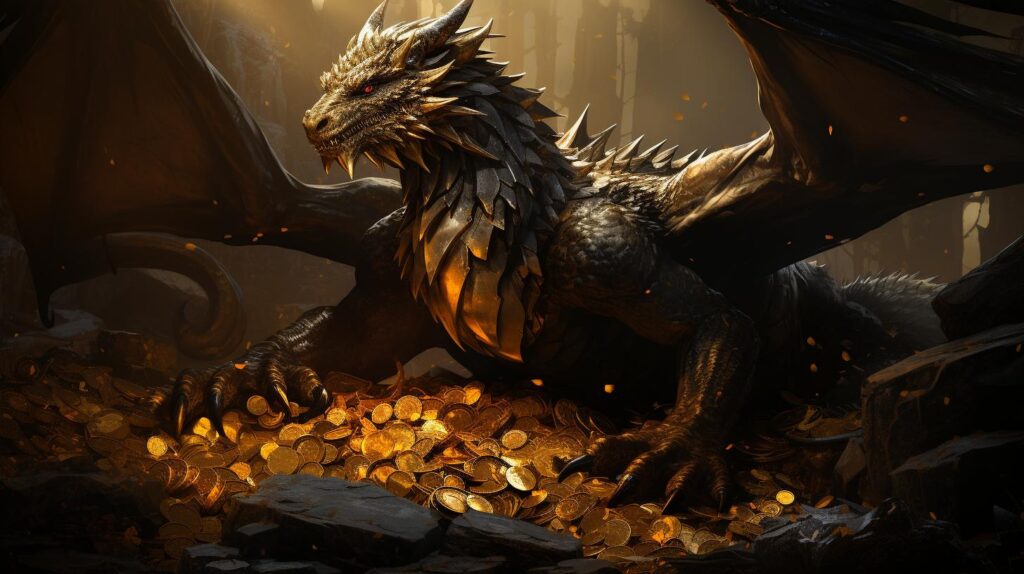
Fafnir is one of the most symbolic Scandinavian monsters, originally a man who transformed into a dragon due to greed. He guarded a cursed treasure, becoming increasingly monstrous over time. His story highlights the destructive power of wealth and obsession. Fafnir’s legend influenced later European dragon myths, showing how Norse stories shaped broader folklore traditions.
15. Hafgufa – The Hidden Sea Monster
Hafgufa is a massive sea creature from Norse mythology, first recorded in 13th-century texts such as the King’s Mirror. It was believed to resemble an island, lying motionless on the ocean surface while luring fish—and sometimes ships—into its open mouth before devouring them. As one of the most fascinating Scandinavian monsters, Hafgufa reflects Viking fears of the vast and unpredictable sea. Some scholars suggest the legend may have originated from whale feeding behaviour, later mythologised into a terrifying creature. Symbolically, Hafgufa represents the unknown depths of nature, the illusion of safety, and the dangers hidden beneath calm appearances in ancient seafaring traditions.
Final Thoughts
Scandinavian monsters are far more than mythical creatures—they are powerful symbols of nature, fear, and human imagination. Rooted in Viking culture and Norse mythology, they offer insight into how ancient societies understood the world around them.
From Fenrir’s unstoppable power to the eerie presence of Draugr, each creature tells a story about life, death, and destiny. Exploring Scandinavian monsters is not just about discovering myths, but about understanding a rich cultural heritage that continues to inspire the world today.