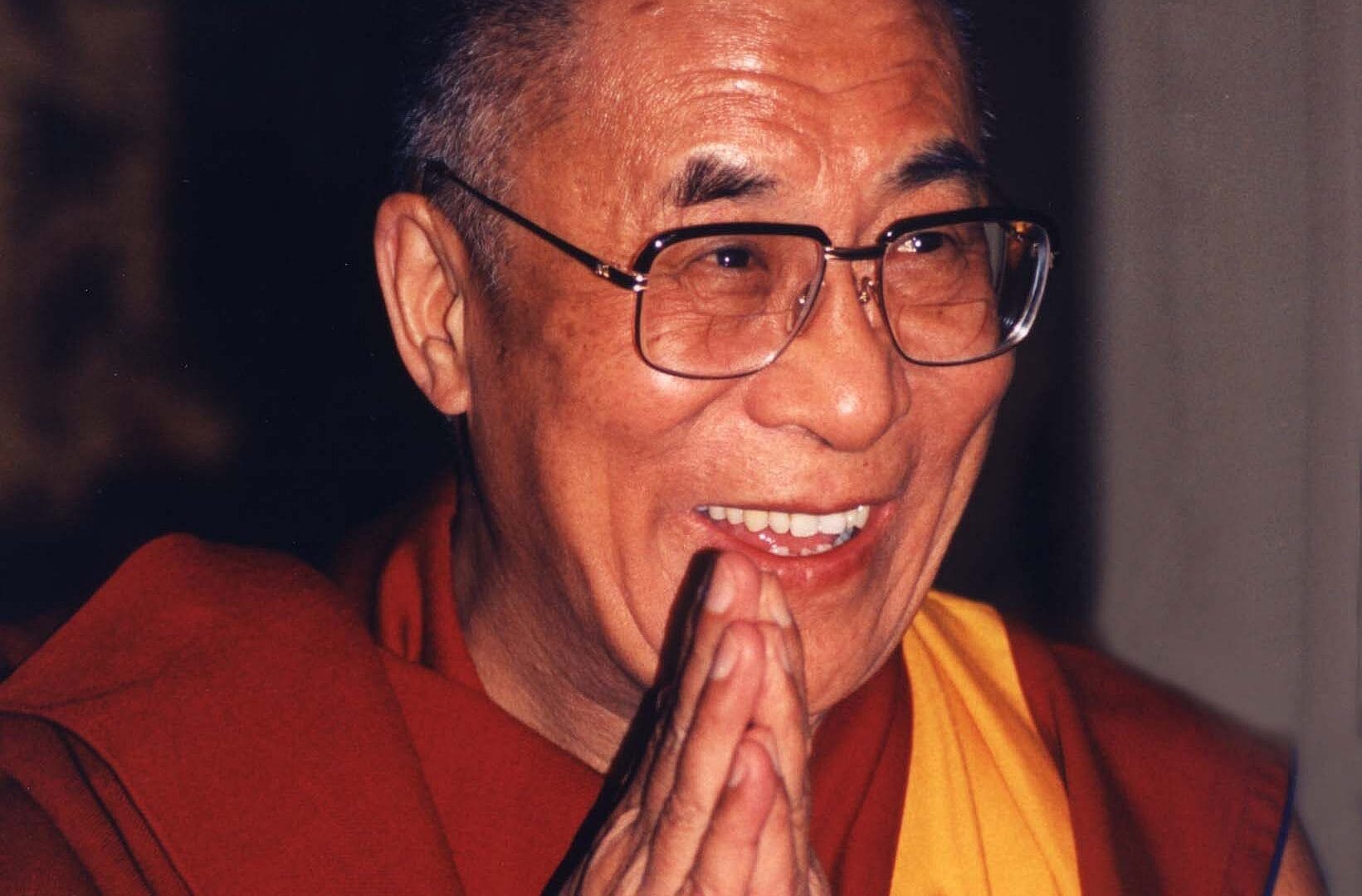
In a world often driven by urgency, ambition, and relentless noise, the wisdom of the Dalai Lama offers a rare sanctuary of calm. His words are not merely spiritual reflections; they are grounded, practical insights shaped by decades of leadership, exile, scholarship, and interfaith dialogue. Each Dalai lama quotation carries simplicity, yet beneath it lies extraordinary philosophical depth.
But why do the quotes of Dalai Lama resonate across cultures, religions, and generations? Because they speak to universal human concerns—compassion, happiness, resilience, and ethical responsibility.
Let us explore 15 powerful teachings, understand their real context, and reflect on how they can shape our modern lives.
Also Read - 25 Epic Captions for Trip with Friends: Make Every Memory Unforgettable
This post contains affiliate links. If you choose to book through them, a small commission may be earned at no additional cost to you. Your support genuinely helps keep the blog running and allows continued creation of high-quality travel guides. Thank you for being here and supporting this journey.
Who Is the Dalai Lama?
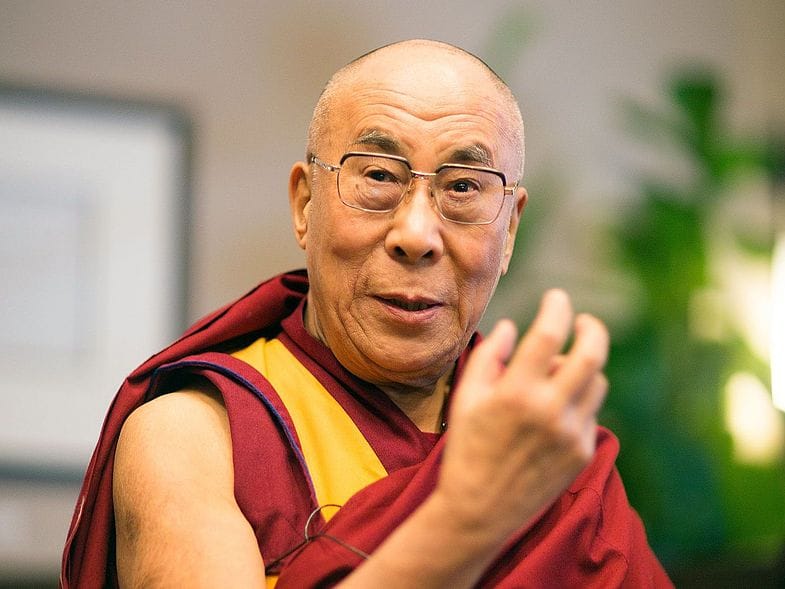
Dalai Lama, born Tenzin Gyatso in 1935, is the spiritual leader of Tibetan Buddhism and a Nobel Peace Prize laureate (1989). After fleeing Tibet in 1959, he established the Tibetan government-in-exile in Dharamshala, India. His global advocacy for non-violence and compassion has made his words influential far beyond religious circles.
Understanding this context adds credibility and depth to interpreting any Dalai Lama teachings.
1. “Happiness is not something ready made. It comes from your own actions.”
This is one of the most widely cited quotes of Dalai Lama.
What It Really Means:
Happiness is not passive. It requires intentional behaviour—kindness, gratitude, discipline, and awareness.
Practical Application:
- Cultivate daily gratitude.
- Engage in acts of service.
- Maintain emotional accountability.
This dalai lama quotation aligns with modern psychological research showing that happiness correlates strongly with intentional habits.
2. “Be kind whenever possible. It is always possible.”
At first glance, this appears simple. Yet its power lies in its universality.
Real-World Relevance:
Kindness does not require wealth, status, or authority. It is a conscious choice. Among the most shared quotes of Dalai Lama, this teaching emphasizes ethical responsibility in everyday interactions.
3. “Love and compassion are necessities, not luxuries.”
This dalai lama quotation reflects Buddhist philosophy and contemporary neuroscience alike. Compassion activates regions in the brain associated with positive emotion and social bonding.
In a polarised world, these quotes remind us that empathy is foundational—not optional.
4. “When you practice gratefulness, there is a sense of respect toward others.”
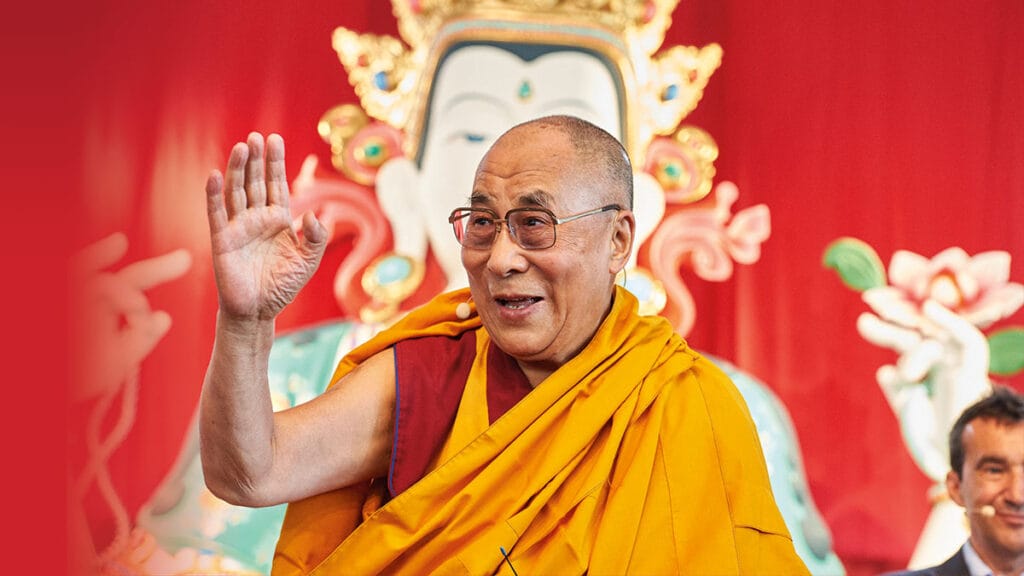
Gratitude fosters humility. It reduces entitlement and increases social harmony.
This is one of the more understated yet profound Dalai lama teachings that encourages relational mindfulness.
5. “Our prime purpose in this life is to help others.”
While deeply spiritual, this idea is also practical. Societies thrive when individuals act beyond self-interest.
Among the most powerful quotes of Dalai Lama, this teaching underscores ethical interdependence.
6. “Remember that sometimes not getting what you want is a wonderful stroke of luck.”
This dalai lama quotation speaks to resilience.
Modern Interpretation:
Rejection, failure, and disappointment can redirect life toward better outcomes. Many successful leaders attribute growth to initial setbacks.
7. “Calm mind brings inner strength and self-confidence.”
This aligns with mindfulness research demonstrating that meditation reduces anxiety and enhances cognitive clarity.
Numerous quotes of the Dalai Lama emphasise mental discipline as the foundation of confidence.
8. “If you want others to be happy, practice compassion.”
This teaching captures the profound simplicity of ethical reciprocity. Compassion is not merely an emotional response; it is an intentional stance toward others. When one acts with empathy, patience, and understanding, it creates a ripple effect that extends beyond a single interaction. Families become more harmonious, workplaces more collaborative, and communities more resilient.
The wisdom here also reflects a deeper philosophical truth: human beings are interconnected. Acts of kindness reduce hostility, ease tension, and foster trust. In a broader societal context, compassion becomes a stabilising force—bridging cultural divides and softening conflict. Ultimately, personal responsibility toward others’ well-being transforms collective happiness into a shared achievement rather than an isolated pursuit.
9. “Peace does not mean an absence of conflicts; differences will always be there.”
This teaching clarifies that peace is not the elimination of disagreement, but the presence of constructive dialogue. Conflict becomes destructive only when handled with ego and aggression. True harmony emerges from respectful engagement.
10. “My religion is very simple. My religion is kindness.”
This statement reflects his secular approach to ethics. Regardless of belief systems, kindness forms the foundation of moral life. It transcends doctrine and speaks directly to universal humanity.
11. “Choose to be optimistic, it feels better.”
Optimism here is not naïve positivity but a disciplined mindset. Research in positive psychology confirms that optimism improves resilience and problem-solving capacity.
12. “We can never obtain peace in the outer world until we make peace with ourselves.”
External harmony begins internally. Emotional regulation, forgiveness, and self-awareness are prerequisites for stable relationships and social peace.
13. “An open heart is an open mind.”
Intellectual growth requires emotional humility. When the heart is guarded by pride, learning stagnates. Openness allows wisdom to evolve.
14. “The purpose of our lives is to be happy.”
This is one of his most frequently cited teachings. However, happiness here refers to deep contentment grounded in ethical living — not fleeting pleasure.
15. “Remember that the best relationship is one in which your love for each other exceeds your need for each other.”
This profound reflection distinguishes love from dependency. Healthy relationships are built on mutual respect, not emotional possession.
Why Quotes of the Dalai Lama Matter Today?
In a digitally saturated era dominated by quick reactions and short attention spans, thoughtful reflection is rare. The enduring popularity of these quotes reflects a universal craving for moral clarity.
Search trends consistently show global interest in Dalai lama quotation content, especially during periods of uncertainty or conflict. This indicates that readers seek stability through wisdom.
Philosophical Foundations Behind the Teachings
The Dalai Lama’s reflections are rooted in:
- Tibetan Buddhist philosophy
- The concept of “interdependence”
- Non-violence (Ahimsa)
- Compassion as a rational choice
Importantly, his teachings are not dogmatic. Many quotes are presented in secular language, making them accessible to non-Buddhists.
Common Themes Across Dalai Lama Quotation Teachings
- Compassion over aggression
- Self-discipline over impulse
- Collective responsibility over isolation
- Inner peace over external validation
When examined collectively, these themes create a cohesive ethical framework.
Authenticity and Accuracy (EEAT Perspective)
It is important to note that misattribution is common online. Not every inspirational phrase circulating on social media originates from the Dalai Lama. Reliable sources such as official publications and verified interviews should be consulted before sharing a dalai lama quotation.
Maintaining accuracy preserves credibility and respects intellectual integrity.
How to Apply These Teachings Daily?
- Begin mornings with mindful breathing.
- Reflect on one quotation each day.
- Practice deliberate acts of compassion.
- Journal about gratitude.
- Engage respectfully in disagreements.
Small, consistent actions embody the spirit of these quotes of the Dalai Lama.
Final Reflection: Why His Words Endure
The power of a dalai lama quotation lies not in ornate language but in clarity. His teachings are accessible yet profound, spiritual yet practical.
Perhaps their timeless relevance arises from a simple truth: humanity continues to struggle with the same challenges—ego, fear, conflict, and desire. These quotes offer guidance without coercion and wisdom without complexity.
In the end, these reflections invite you not merely to read—but to practice.
Which of these teachings resonates most deeply with you today?




Comments 0
Only approved comments are shown here.