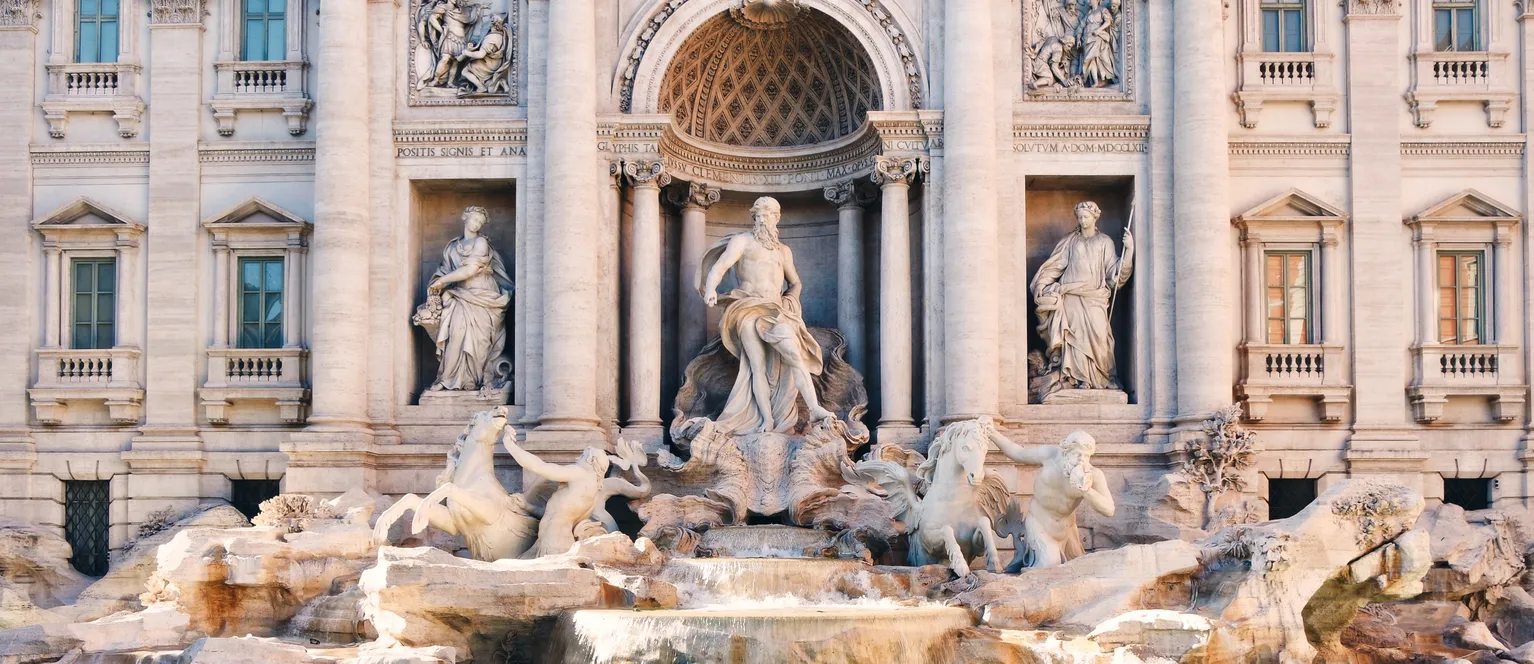
Rome is renowned for its Baroque architecture, and the Trevi Fountains stand as one of its most iconic masterpieces. As the largest fountain in the city, it represents the height of Baroque artistry, combining dramatic sculpture, flowing water, and mythological symbolism.
Designed by Nicola Salvi and completed in 1762, the fountain depicts Oceanus and reflects Rome’s long-standing relationship with water and engineering. Built at the endpoint of the ancient Aqua Virgo aqueduct, it connects modern Rome to its ancient past.
Today, the Trevi Fountains remain central to Roman culture, with the coin-tossing tradition symbolizing hope and return. Understanding the Trevi Fountains enhances appreciation of their historical, artistic, and cultural significance.
“This page includes affiliate links through which we may earn a commission at no extra cost to you.”
Why the Trevi Fountain Captivates Visitors Worldwide?
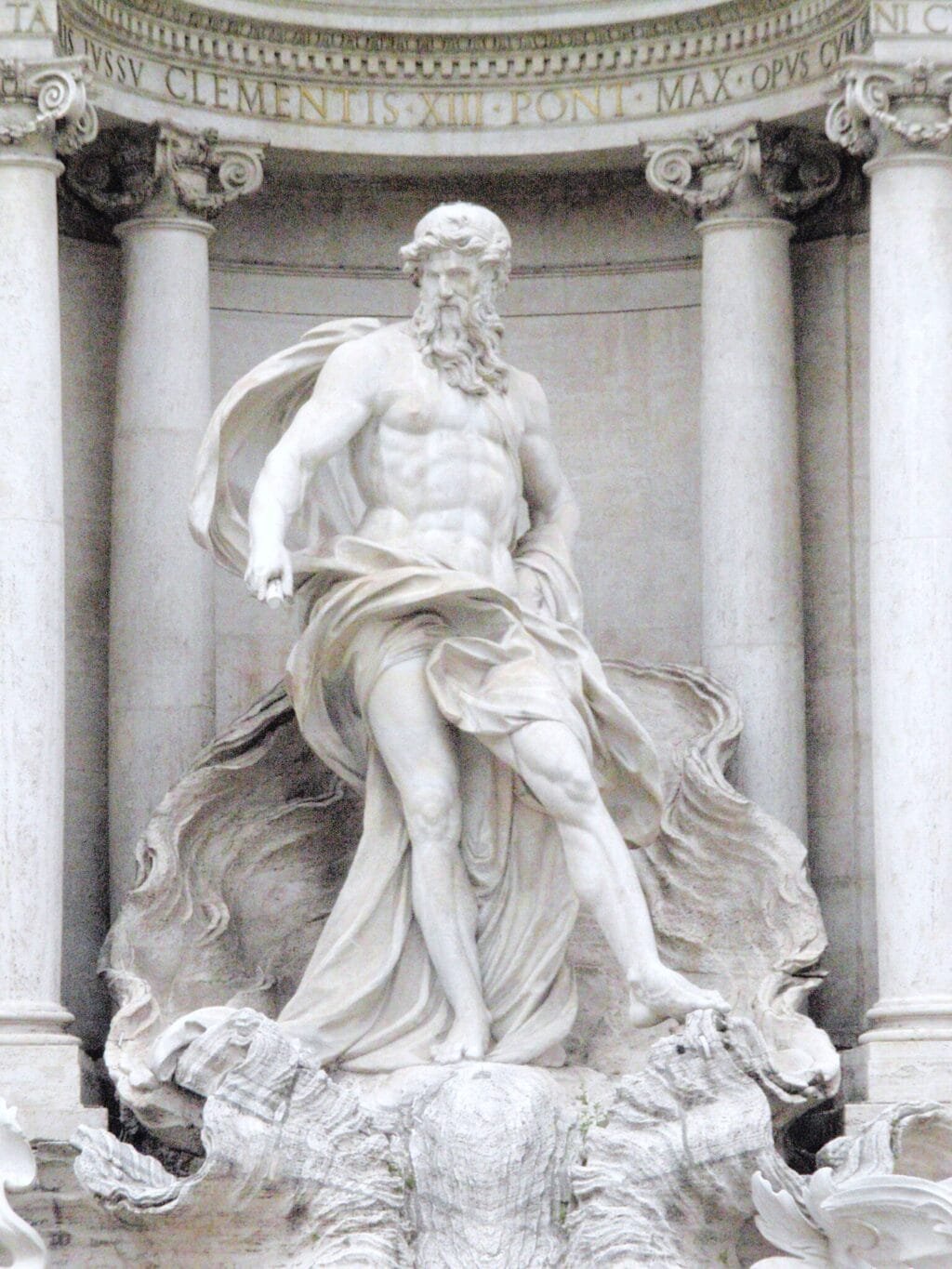
Image Source: Wikimedia Commons
The Trevi Fountain is special because it seamlessly blends monumental art, ancient engineering, and living tradition into one iconic landmark. As one of the largest Baroque fountains in the world, its grand scale and intricate sculptural detail reflect the artistic ambition of Baroque Rome. The commanding figure of Oceanus, framed by Tritons and untamed horses, symbolizes the dual nature of water—both calm and powerful—showcasing masterful storytelling through stone and movement.
Historically, the fountain marks the endpoint of the Aqua Virgo aqueduct, built in 19 BC, demonstrating the continuity of Roman engineering from antiquity to the modern era. Beyond history and art, the Trevi Fountains hold deep cultural meaning through the coin-tossing tradition, symbolizing hope, romance, and return. Together, these elements make the Trevi Fountains a living symbol of Rome’s enduring heritage, global influence, and timeless appeal.
Recommended - What to See in Florence Italy in 1 Day: Your Perfect Itinerary
An Iconic Baroque Landmark at the Heart of Rome
The Trevi Fountain is a monumental Baroque masterpiece set against Palazzo Poli in Piazza Trevi, within Rome’s historic Quirinale district. Towering approximately 85 feet high and 160 feet wide, its dramatic scale creates a striking contrast with the narrow streets that surround it, often astonishing first-time visitors.
Designed by architect Nicola Salvi in 1732 and completed in 1762 by Pietro Bracci, the fountain represents decades of artistic and architectural refinement. Its site marks the endpoint of the ancient Aqua Virgo aqueduct, built in 19 BC to supply fresh water to ancient Rome, highlighting the city’s advanced engineering heritage.
Constructed using travertine stone from Tivoli and adorned with finely carved Carrara marble sculptures, the fountain reflects the durability and elegance of Roman craftsmanship. Today, the Trevi fountains continue to symbolisze Rome’s ability to unite history, functionality, and artistic brilliance in a single enduring landmark.
Symbolism and Mythology of the Trevi Fountain Statues
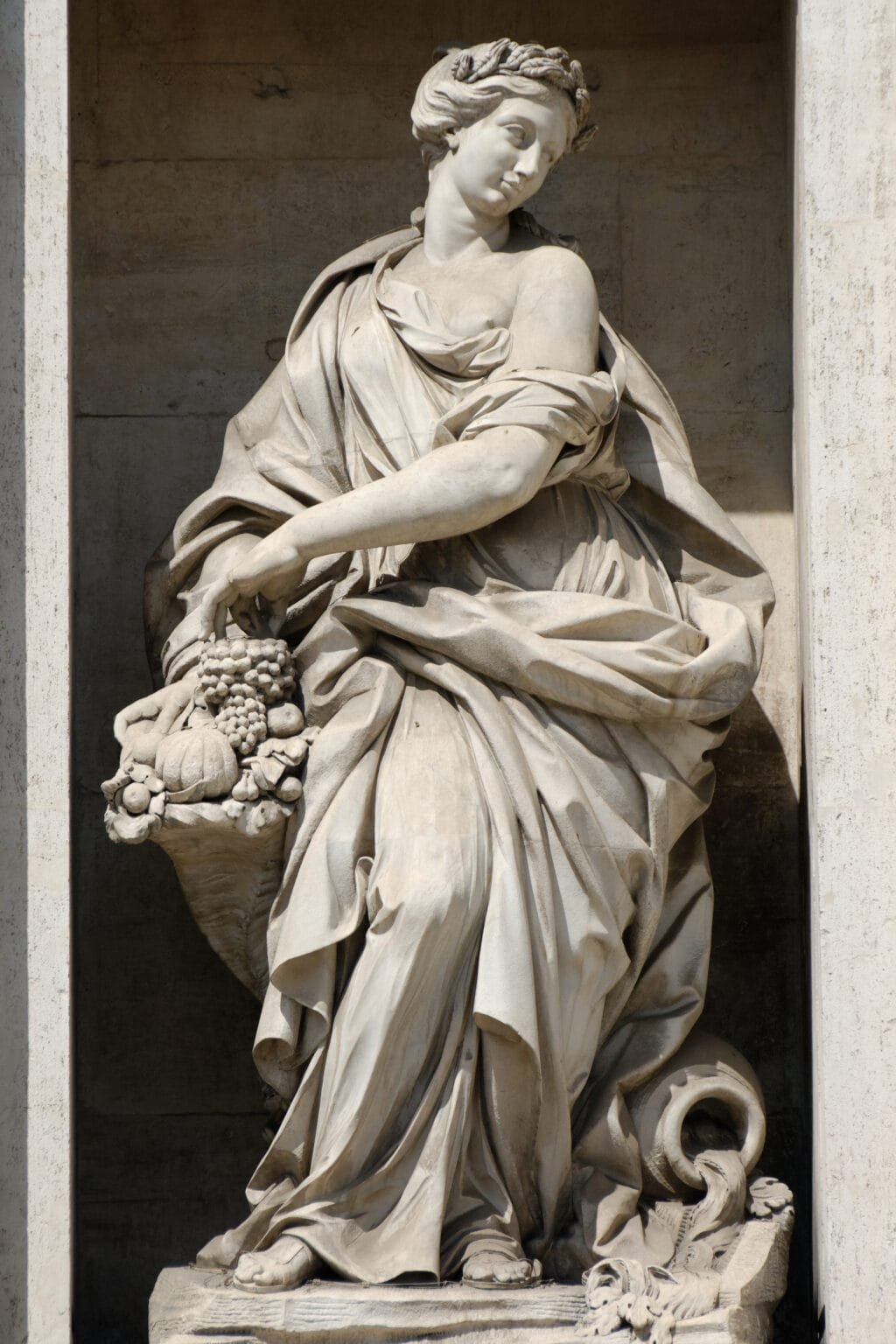
Image Source: Wikimedia Commons
The Trevi Fountain statues are celebrated not only for their Baroque artistry but also for the layered symbolism they convey. At the center stands Oceanus, often mistaken for Neptune, depicted riding a shell-shaped chariot pulled by two seahorses guided by Tritons. The contrasting calm and restless horses symbolize the changing nature of water and its unpredictable power. To his left is the goddess Abundance, holding a cornucopia that represents prosperity, while above her stands Agrippa, the Roman general honored for restoring the Aqua Virgo aqueduct that still supplies the fountain.
On the right, the figure of Salubritas, goddess of health, is shown with a snake drinking from a cup, symbolizing purification and healing. Above her, a virgin maiden represents the legend behind the aqueduct’s name, recalling the young girl who guided Roman soldiers to a vital water source. Architectural details, such as the urn designed to conceal nearby buildings, reveal artistic ingenuity. Additional statues, plants, and papal symbols reinforce themes of fertility, life, and Rome’s enduring relationship with water, making the Trevi Fountain a sculptural narrative of history and mythology.
Origins and Evolution of an Iconic Roman Landmark
The Trevi Fountain has a history shaped by artistic ambition, local pride, and innovation. Its construction was unusually funded through a Roman lottery initiated by Pope Clemens XII, alongside a public design competition. Although Alessandro Galilei initially won, controversy over his Florentine origins led to the commission being reassigned to Roman architect Nicola Salvi.
Work began in 1732, but Salvi died before completion, leaving Pietro Bracci to finish the project, including the central statue of Oceanus. The fountain was officially inaugurated in 1762 under Pope Clemens XIII. In 2015, a major restoration funded by the fashion house Fendi revitalized the structure and introduced modern LED lighting, ensuring the fountain’s continued prominence in Rome’s cultural landscape.
The Meaning and Tradition Behind the Coin-Tossing Ritual
Throwing a coin into the Trevi Fountain is far more than a casual tourist habit; it is a ritual rooted in centuries of belief, symbolism, and social impact. Popular culture, particularly the 1954 film Three Coins in the Fountain, helped globalise the tradition, but its origins trace back to ancient Roman customs linked to fortune, travel, and safe return.
Traditionally, the first coin is thrown to ensure a return to Rome, reflecting a deep emotional connection to the city. The second coin represents a wish for romance, while the third is associated with hopes of marriage or lasting love. To follow the custom correctly, visitors stand with their back to the fountain and toss the coin over the left shoulder using the right hand, adding ceremonial meaning to the act.
Historically, Romans believed that offering coins to water sources would bring good luck and divine favor. Today, the tradition carries a powerful charitable dimension. Coins are collected daily by local authorities and donated to Caritas, supporting food programmes and social services for those in need. With thousands of euros gathered each day, the ritual blends folklore, cultural heritage, and community support, reinforcing the fountain’s enduring relevance in modern Rome.
Legends of the Trevi Fountain’s Water
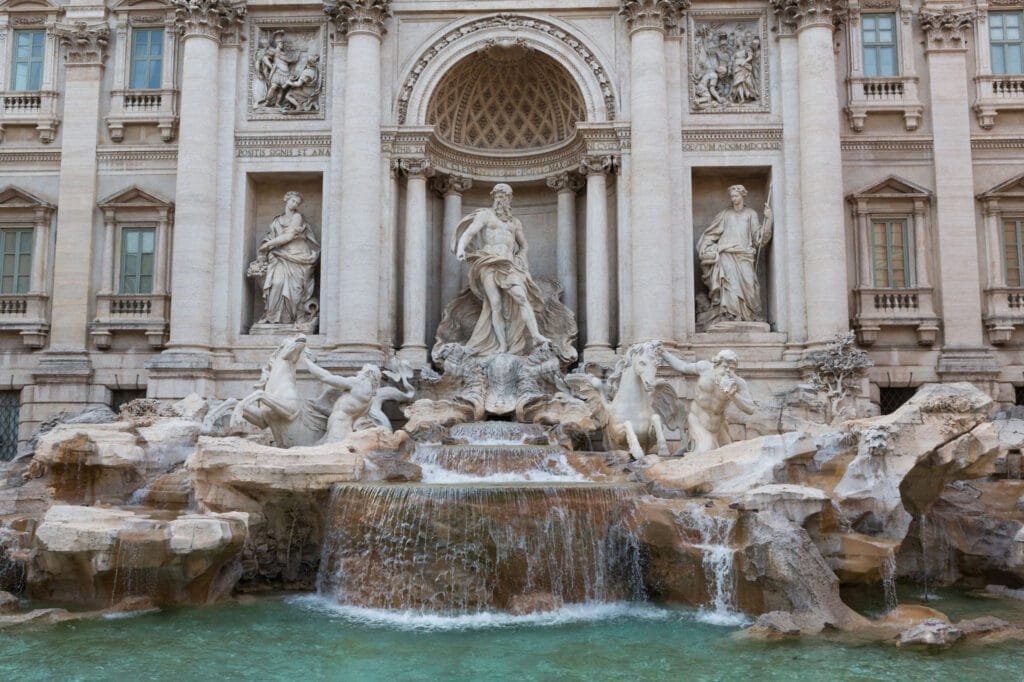
The water of the Trevi Fountain has long been associated with myth, romance, and deeply rooted tradition. Beyond its visual beauty, legends describe rituals in which lovers shared the fountain’s water to symbolize devotion and a promised return to Rome.
One tale tells of a maiden offering her beloved a cup of water before shattering it, thereby sealing loyalty and ensuring a safe reunion.
Another tradition involved newlyweds drinking from a smaller nearby fountain and breaking the shared cup to ensure fidelity and strengthen their marriage. Although these customs are rarely practiced today, they reveal how the fountain’s water once held emotional and symbolic power.
Flowing continuously from ancient aqueducts, the Trevi fountains embody centuries of belief, affection, and hope. For modern visitors, the cascading water remains a reminder of Rome’s mystical past and its enduring reputation as a city of love, tradition, and timeless romance.
Reaching Rome’s Most Iconic Fountain with Ease
The Trevi Fountain is located in the heart of Rome at the junction of Via de’ Crocicchi, Via Poli, and Via delle Muratte, an area rich in history and local legend. Although the surrounding streets are too narrow for buses, access is simple using public transport.
The nearest bus stop is on Via del Tritone, just a short walk away. Metro users can reach the fountain from either Spagna or Barberini stations, both offering convenient connections across the city. From Roma Termini, visitors can travel by bus, metro, or enjoy a scenic 20-minute walk through Rome’s charming streets. Reaching the Trevi fountains is part of the experience, allowing visitors to explore the city’s vibrant atmosphere along the way.
Practical Transport and Visitor Tips for Exploring Rome
Reaching the Trevi Fountain is straightforward thanks to Rome’s efficient and affordable public transport system. Bus and metro tickets can be purchased at Termini station vending machines, tobacconists, or bars displaying the “M” sign, and the same ticket is valid across both services. A single ticket costs €1.50 and allows 100 minutes of travel, while day and multi-day passes offer better value for extended sightseeing. The Roma Pass provides unlimited transport for three days and includes free museum entry, making it ideal for cultural visitors. Tickets must always be validated to avoid fines.
Visitors should note that swimming in the fountain is strictly prohibited and heavily fined. For drinking water, Rome’s “nasone” fountains offer free, fresh mineral water throughout the city. To enjoy the Trevi fountains comfortably, visit early in the morning or late at night, when crowds are smaller and the illuminated setting creates a memorable atmosphere.
Wrapping Up...
The Trevi Fountain stands as a powerful symbol of Rome’s artistic brilliance, engineering mastery, and enduring cultural traditions. From its Baroque sculptures and ancient aqueduct origins to its legends, rituals, and modern-day significance, the fountain represents a seamless connection between past and present.
Visiting it is not only about admiring its beauty but also understanding the stories, beliefs, and history that flow through its waters. Whether experienced at sunrise or under its evening lights, the Trevi fountains offer a timeless encounter that captures the spirit, romance, and legacy of the Eternal City.




Comments 0
Only approved comments are shown here.