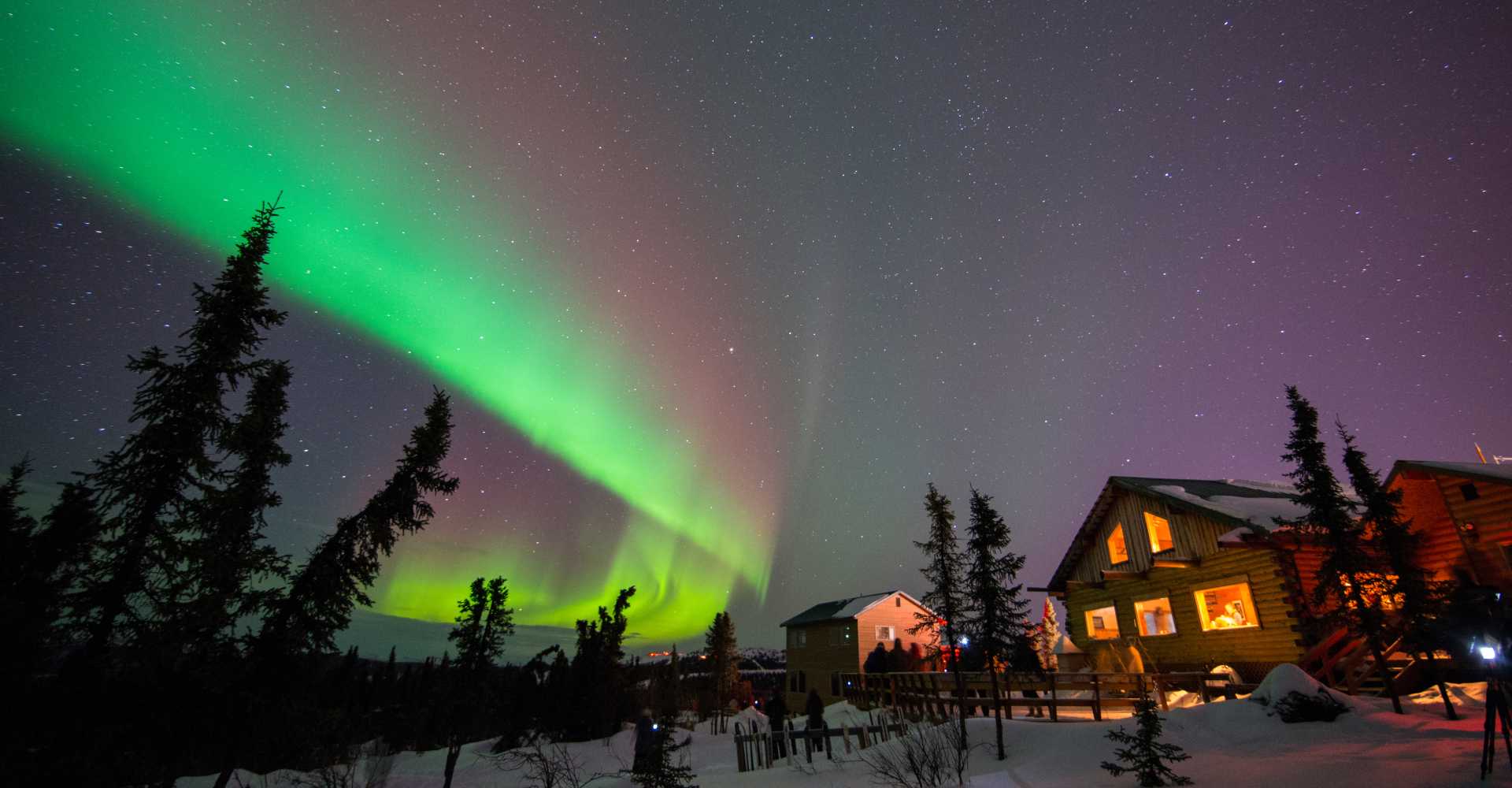
Alaska isn't simply a destination—it's an extraordinary wilderness where towering glaciers, snow-capped mountains, abundant wildlife, and endless summer daylight create unforgettable adventures. Deciding the best time to visit Alaska depends entirely on the experience you're seeking. Some travelers dream of cruising past massive glaciers beneath the Midnight Sun, while others hope to witness the magical Northern Lights dancing across Arctic skies.
Covering more than 663,000 square miles, Alaska's climate varies significantly between coastal regions, the Interior, and the Arctic. Understanding seasonal weather, daylight hours, wildlife activity, and travel costs is the key to choosing the best time to visit Alaska for your perfect vacation. Whether you're planning a family holiday, an Alaska cruise, or an off-the-beaten-path adventure, this guide will help you plan with confidence. Summer remains the busiest season thanks to long daylight hours and nearly all attractions being open, while May and September offer excellent value with fewer crowds.
This post contains affiliate links, which means if you book through them, a small commission may be earned at no extra cost to you. Thanks so much for supporting the blog!
Alaska at a Glance
| Category | Details |
|---|---|
| Best Time Overall | June–August |
| Budget-Friendly Months | May & September |
| Best for Northern Lights | November–March |
| Peak Cruise Season | May–September |
| Best Wildlife Viewing | June–August |
| Best Hiking | June–July |
| Warmest Month | July |
| Recommended Trip Length | 7–14 days |
Understanding Alaska’s Seasons
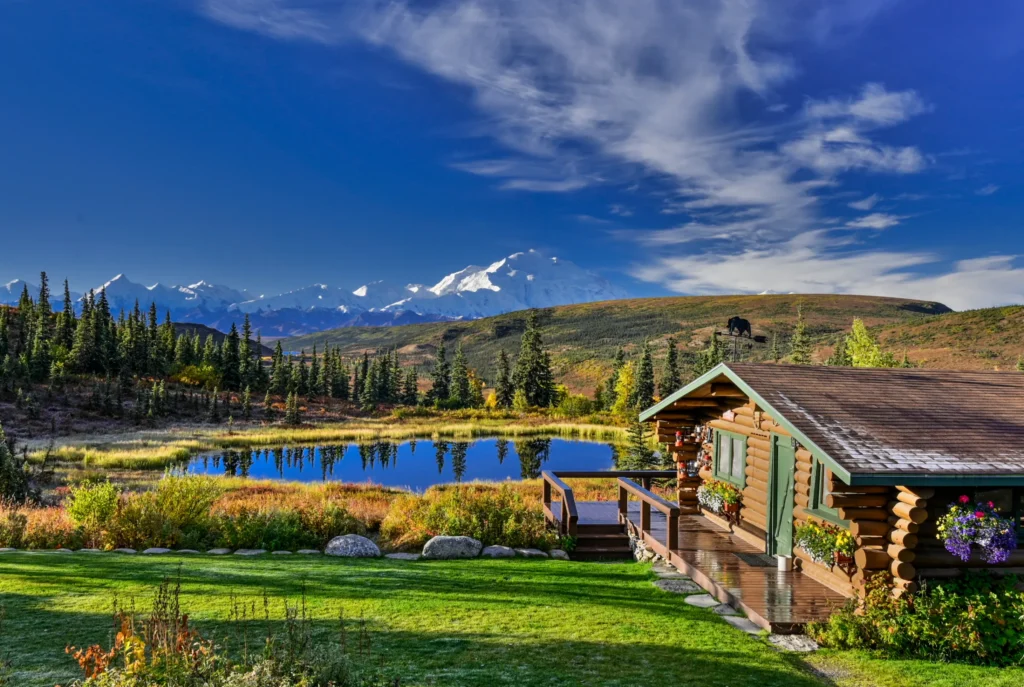
Unlike many destinations, Alaska offers four distinctly different travel seasons, each with unique attractions.
Summer (Mid-May to Mid-September)
The most popular season, featuring mild temperatures, nearly endless daylight, glacier cruises, wildlife viewing, hiking, fishing, and full access to national parks.
Fall (September–October)
A quieter shoulder season known for colorful autumn landscapes, active wildlife preparing for winter, and the return of darker skies that improve Northern Lights viewing.
Winter (November–March)
Ideal for aurora hunting, dog sledding, snowmobiling, skiing, and experiencing Alaska's spectacular snowy landscapes.
Spring (April–May)
A transitional season offering emerging wildlife, blooming landscapes, lower accommodation prices, and fewer visitors before the summer rush.
Also Read - Best Time to Visit Iceland: Weather, Seasons, Northern Lights & Travel Tips
Month-Wise Weather in Alaska
Temperatures vary by region, but the table below reflects average conditions in Anchorage (Southcentral Alaska), a common gateway city.
| Month | Avg High (°C) | Avg Low (°C) | Daylight Hours | Travel Highlights |
|---|---|---|---|---|
| January | -5°C | -12°C | 5–6 hrs | Northern Lights, snow sports |
| February | -3°C | -11°C | 7–9 hrs | Aurora viewing, winter festivals |
| March | 1°C | -7°C | 10–12 hrs | Dog sledding, late aurora |
| April | 7°C | -2°C | 14 hrs | Spring thaw, fewer tourists |
| May | 14°C | 4°C | 16–18 hrs | Wildlife emerging, shoulder season |
| June | 18°C | 8°C | 19–22 hrs | Midnight Sun, peak tourism |
| July | 19°C | 10°C | 18–20 hrs | Warmest month, cruises |
| August | 18°C | 9°C | 15–17 hrs | Salmon runs, hiking |
| September | 13°C | 5°C | 12–14 hrs | Fall colors, fewer crowds |
| October | 6°C | -1°C | 9–10 hrs | Quiet season begins |
| November | -1°C | -8°C | 6–7 hrs | Aurora returns |
| December | -4°C | -11°C | 4–5 hrs | Snowy landscapes |
Although weather differs across Alaska's vast regions, this overview helps travelers identify the best time to visit Alaska based on climate, crowd levels, and budget. May and September are particularly attractive for travelers looking to balance pleasant weather with lower prices, while June and July offer the widest range of tours and activities.
Alaska Festival & Seasonal Calendar
Planning your trip around local events adds another dimension to your Alaskan adventure.
| Season | Major Events |
|---|---|
| February | Fur Rendezvous Festival (Anchorage) |
| March | Iditarod Trail Sled Dog Race |
| May | Wildlife viewing season begins |
| June | Midnight Sun Festival |
| July | Salmon fishing season & Independence Day celebrations |
| August | Alaska State Fair begins |
| September | Fall colors & Northern Lights season |
| Winter | Aurora viewing and winter sports |
These seasonal events often coincide with excellent sightseeing opportunities, so booking accommodations well in advance is recommended during major festivals and peak summer travel.
Summer (June–August): The Most Popular Time
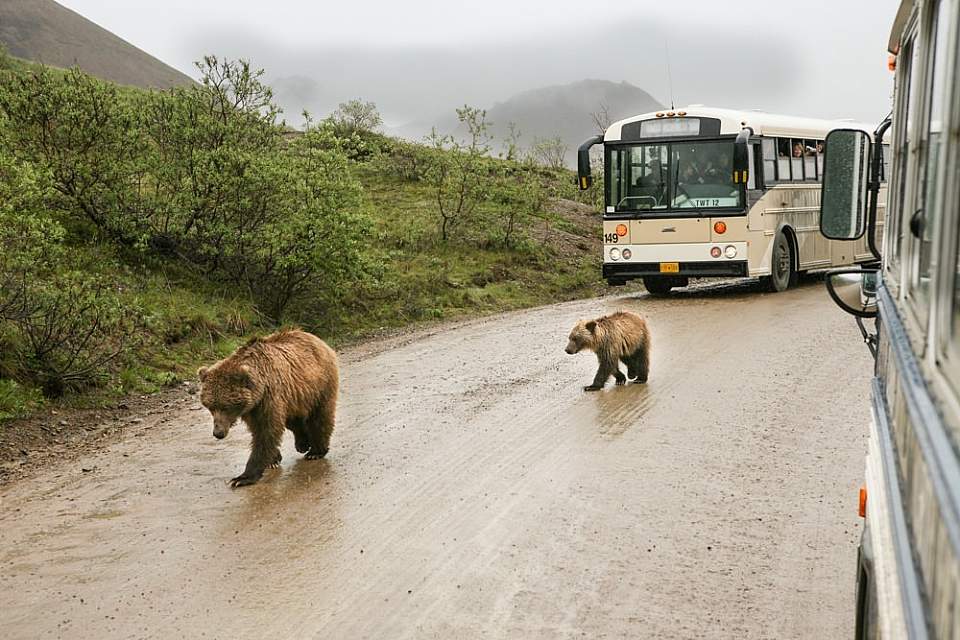
For most travelers, summer is unquestionably the best time to visit Alaska. Temperatures typically range between 15°C and 20°C, and daylight can stretch from 18 to over 22 hours depending on location. This extended daylight allows visitors to enjoy sightseeing well into the evening under the famous Midnight Sun.
Why Visit During Summer?
- Glacier cruises operate at full capacity.
- Denali National Park offers its widest range of visitor services.
- Hiking trails are generally snow-free.
- Wildlife viewing is at its peak.
- Whale-watching opportunities are excellent.
- Salmon runs attract bears and other wildlife.
- Scenic rail journeys and road trips are fully accessible.
Summer is also Alaska's busiest travel period. Hotels, cruises, rental cars, and popular tours often sell out months in advance, so booking four to six months ahead is strongly recommended. If you prioritize outdoor adventures, national parks, and long days for sightseeing, summer remains the best time to visit Alaska.
Winter (November–March): For Northern Lights Seekers
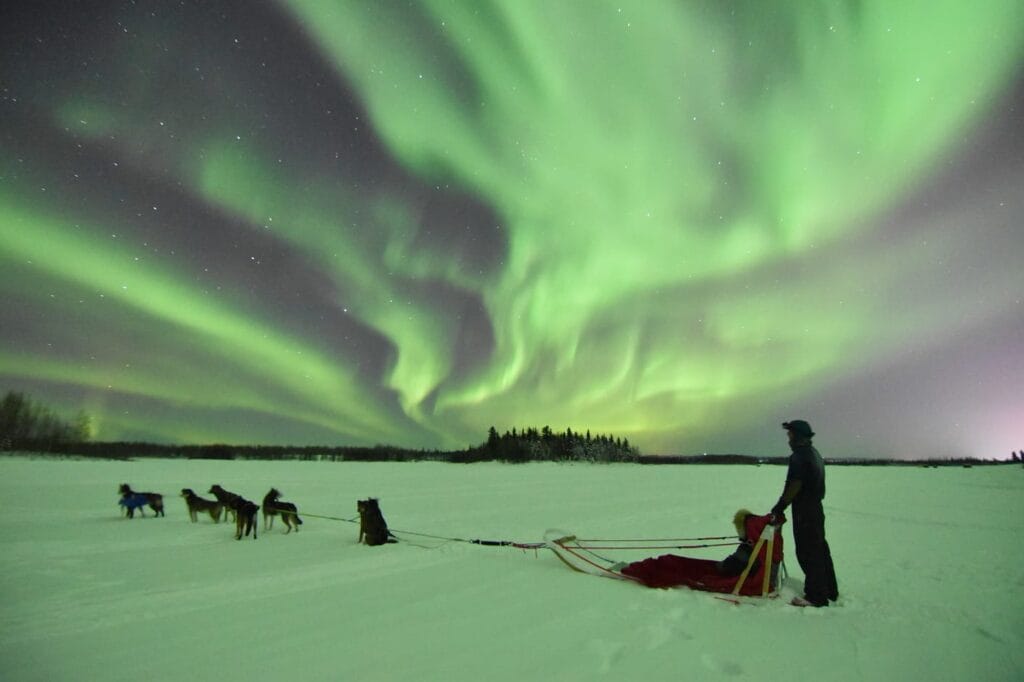
Travelers fascinated by snow-covered landscapes and the Aurora Borealis may find winter to be the best time to visit Alaska.
Typical Winter Temperatures
- Fairbanks: -15°C to -25°C
- Anchorage: -5°C to -12°C
Despite the colder weather, winter reveals an entirely different side of Alaska.
Winter Highlights
- Northern Lights viewing
- Dog sledding adventures
- Ice fishing
- Snowmobiling
- Cross-country skiing
- Ice sculpting festivals
- Hot springs surrounded by snow
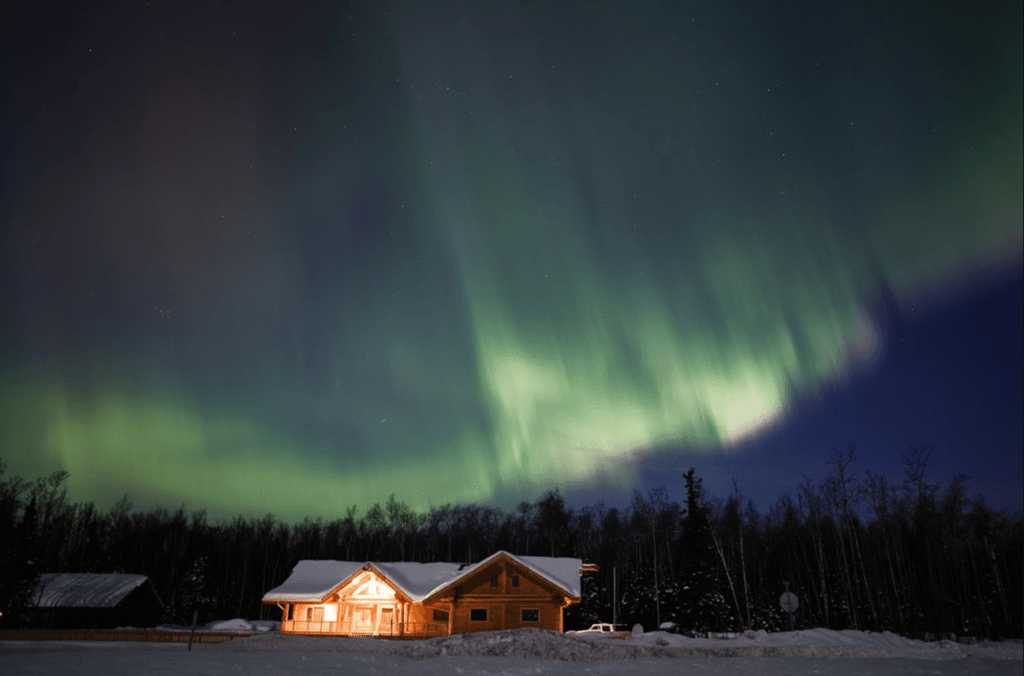
Fairbanks is widely regarded as one of the world's premier destinations for viewing the Aurora Borealis due to its location beneath the auroral oval. The longer nights from late autumn through early spring provide excellent opportunities to witness this spectacular natural phenomenon. Winter also offers a quieter, more peaceful travel experience with fewer tourists and often lower accommodation prices than summer.
Shoulder Seasons (May & September)
While summer receives most of the attention, experienced travelers often consider May and September the best time to visit Alaska. These shoulder-season months offer an excellent balance of pleasant weather, smaller crowds, and better value compared with the peak summer period.
Why Visit Alaska in May?
May marks the beginning of Alaska's tourism season. Snow begins melting across many lower-elevation areas, wildlife becomes increasingly active, and daylight extends to more than 17 hours in some regions. Hotels, tours, and rail services often offer lower prices than in June and July, making May an attractive option for budget-conscious travelers. Whale watching is excellent, spring wildflowers emerge, and hiking trails gradually reopen as temperatures rise.
Why September Is Worth Considering?
September transforms Alaska into a spectacular autumn destination. Vibrant fall foliage blankets the tundra, salmon spawning season attracts bears and eagles, and longer nights bring the return of the Northern Lights in many Interior locations. Visitors also benefit from fewer crowds and lower accommodation costs, although some seasonal attractions begin closing after mid-September.
Regional Climate Differences
Alaska's immense size means weather varies dramatically depending on where you travel, so choosing the best time to visit Alaska also depends on your itinerary.
Southcentral Alaska (Anchorage, Seward, Kenai)
This region enjoys the mildest climate in the state. Summer temperatures generally range from 15°C to 20°C, making it ideal for glacier cruises, wildlife viewing, fishing, and hiking.
Interior Alaska (Fairbanks, Denali)
The Interior experiences warm summers and extremely cold winters. Fairbanks is one of the world's premier destinations for viewing the Aurora Borealis between late August and early April.
Southeast Alaska (Juneau, Ketchikan)
Southeast Alaska has a maritime climate with cooler temperatures and higher rainfall throughout the year. Cruise passengers frequently visit this region for glacier viewing, whale watching, and rainforest hiking.
Arctic Alaska
Northern Alaska experiences some of the state's most dramatic seasonal contrasts, including the Midnight Sun during summer and Polar Night during winter, making it ideal for adventurous travelers seeking unique Arctic experiences.
What Is Alaska Most Famous For?
Visitors from around the world choose the best time to visit Alaska based on the incredible experiences available throughout the state.
Denali National Park
Home to Denali, North America's tallest mountain at 6,190 metres, the park offers unforgettable scenery, hiking opportunities, and wildlife viewing.
Glacier Bay National Park
This UNESCO World Heritage Site is renowned for its massive tidewater glaciers, dramatic fjords, and abundant marine wildlife.
Northern Lights
From late August through early April, Fairbanks and Interior Alaska provide some of the best aurora viewing conditions on Earth.
Incredible Wildlife
Grizzly bears, black bears, moose, caribou, wolves, bald eagles, humpback whales, orcas, sea otters, and Dall sheep are just some of the species visitors may encounter.
The Midnight Sun
During June and July, northern Alaska experiences nearly continuous daylight, allowing visitors to enjoy outdoor adventures late into the evening.
Each attraction may influence your decision about the best time to go Alaska, depending on what you wish to experience firsthand.
Which Season Is Best for You?
For Families
The best time to visit Alaska for families is June through August. Warm weather, long daylight hours, wildlife cruises, scenic rail journeys, and national parks provide activities suitable for all ages.
For Budget Travelers
May and September offer excellent value with reduced hotel prices, fewer visitors, and many of the same scenic experiences available during peak season.
For Couples
September is perfect for romantic getaways, featuring colorful autumn landscapes, quieter attractions, luxury lodges, and opportunities to see the Northern Lights.
For First-Time Visitors
Late June through mid-July provides the easiest introduction to Alaska, with virtually every major attraction, cruise route, hiking trail, and visitor centre fully operational.
Expert Travel Tips
To make the most of the best time to visit Alaska, keep these practical recommendations in mind:
- Book cruises, rental cars, and accommodation 4–6 months in advance for summer travel.
- Dress in layers regardless of season, as weather can change quickly.
- Carry waterproof clothing and sturdy hiking footwear.
- Check daylight hours before planning daily activities.
- Purchase comprehensive travel insurance for remote adventures.
- Reserve wildlife tours and Denali transportation well ahead during peak season.
- Always pack insect repellent for summer visits, particularly in June and July.
Each attraction may influence your decision about the best time to go Alaska, depending on what you wish to experience firsthand.
So, What Truly Is the Best Time to Visit Alaska?
The answer ultimately depends on your travel aspirations:
- For wildlife & cruises: June–August
- For Northern Lights: November–March
- For budget-friendly exploration: May & September
- For hiking & national parks: July
There isn’t a single universal answer to the best time to visit Alaska, but understanding seasonal patterns ensures your journey aligns perfectly with your expectations.
Frequently Asked Questions (FAQs)
What is the overall best time to visit Alaska?
For most travelers, June through August offers the best combination of mild weather, long daylight hours, open attractions, wildlife viewing, and cruise availability. May and September are excellent alternatives for fewer crowds and better value.
When can you see the Northern Lights in Alaska?
The Aurora Borealis is typically visible from late August through early April, with Fairbanks being one of the world's top viewing destinations because of its location beneath the auroral oval.
What is the cheapest month to visit Alaska?
May and September generally offer lower hotel rates, discounted tours, and more affordable airfare than the peak summer months while still providing excellent sightseeing opportunities.
How many days do you need in Alaska?
A trip of 7–10 days allows visitors to explore Anchorage, Denali National Park, Seward or Kenai Fjords, and enjoy wildlife viewing or an Inside Passage cruise. Travelers planning multiple regions often benefit from 10–14 days.
Is Alaska worth visiting in September?
Yes. September offers beautiful fall colors, active wildlife, reduced crowds, and the possibility of seeing the Northern Lights. However, some seasonal accommodations and tours begin closing after mid-September.
What should I pack for Alaska?
Bring layered clothing, a waterproof jacket, hiking boots, warm fleece, gloves for cooler evenings, sunglasses, sunscreen, insect repellent, and a camera with extra batteries for outdoor adventures.
Final Thoughts
Choosing the best time to visit Alaska ultimately depends on the experiences you value most. Summer delivers long days, spectacular wildlife, glacier cruises, and easy access to national parks, while winter rewards visitors with unforgettable Northern Lights displays and snow-covered wilderness. Travelers looking for the ideal balance of weather, affordability, and smaller crowds often find May and September especially rewarding. No matter when you visit, Alaska offers dramatic landscapes, remarkable wildlife, and authentic adventures that few destinations can match.
From standing before towering glaciers to watching whales breach offshore or witnessing the aurora illuminate the night sky, every season reveals a different side of the Last Frontier. With thoughtful planning, your journey will become an unforgettable exploration of one of the world's greatest natural destinations.

Comments 0
Only approved comments are shown here.