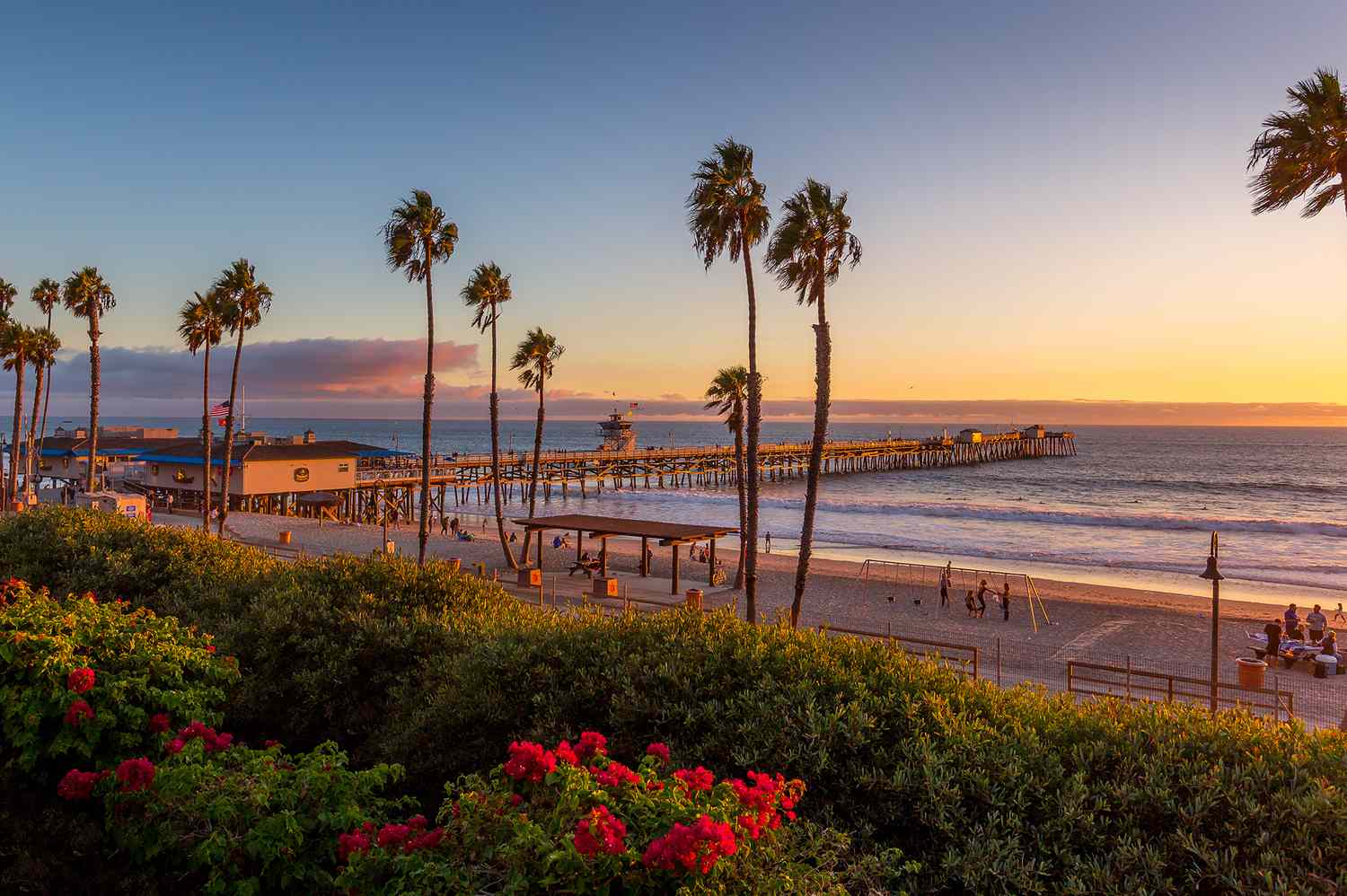
If you’ve ever wondered about the Southern California rainy season, you might be surprised to learn that it’s very different from most parts of the world. Unlike tropical regions with daily downpours, California follows a Mediterranean climate where rain is concentrated in specific months and almost disappears during summer. The broader rainy season in California typically begins in late autumn and continues through early spring, bringing much-needed water to reservoirs, rivers, and ecosystems.
For travelers and residents alike, understanding this seasonal pattern is essential. It affects everything—from travel plans and outdoor activities to agriculture and wildfire risks. Whether you’re planning a trip or simply curious about California’s weather, this guide breaks down when it rains, what to expect, and why this unique climate plays such a crucial role in the state’s environment.
“This page includes affiliate links through which we may earn a commission at no extra cost to you.”
Temperature & Weather During Rainy Season
The rainy season in california brings mild, comfortable weather rather than extreme cold or continuous rain.
Average Temperature
- Southern California:
- Day: 15°C – 22°C
- Night: 8°C – 12°C
- Northern California:
- Day: 10°C – 18°C
- Night: 5°C – 10°C
Rainfall (in mm)
- Southern California: 300–400 mm annually
- Northern California: 600–1000+ mm annually
- Peak monthly rainfall (Los Angeles):
- February: ~89 mm
Around 75% of California’s annual rainfall occurs between November and March, making winter the most important wet period.
Rain usually comes in short, intense bursts followed by clear skies, rather than continuous rainfall.
Southern California Rainy Season Overview
The southern california rainy season is shorter and less intense compared to the northern part of the state.
- Rainfall period: November to March
- Peak months: December – February
- Average seasonal rainfall: ~362 mm (Los Angeles)
Los Angeles receives about 14–18 inches (360–450 mm) of rain annually, mostly concentrated in winter.
Rainfall is highly variable—some years bring heavy storms, while others experience drought due to shifting jet streams and ocean patterns.
Despite limited rain, this season is crucial for water supply, agriculture, and wildfire prevention.
Why Rainy Season in California Unique?
The rainy season follows a Mediterranean pattern:
- Wet winters
- Dry summers
Unlike monsoon climates, rain is not daily. Instead, Pacific storm systems and “atmospheric rivers” deliver large amounts of rainfall in short periods.
Climate phenomena such as El Niño can increase rainfall, while La Niña may reduce it. This variability makes California’s weather dynamic and sometimes unpredictable.
The contrast between wet winters and long dry summers is what shapes California’s landscapes—from green hills in winter to golden fields in summer.
Best Places to Visit During Rainy Season
San Francisco

San Francisco becomes atmospheric and cinematic during the rainy season.
- Temperature: 10–16°C
- Rainfall: ~600 mm annually
Famous for: Golden Gate Bridge, Alcatraz, cable cars
Rain enhances the city’s iconic fog, creating stunning views and fewer tourist crowds.
Yosemite National Park
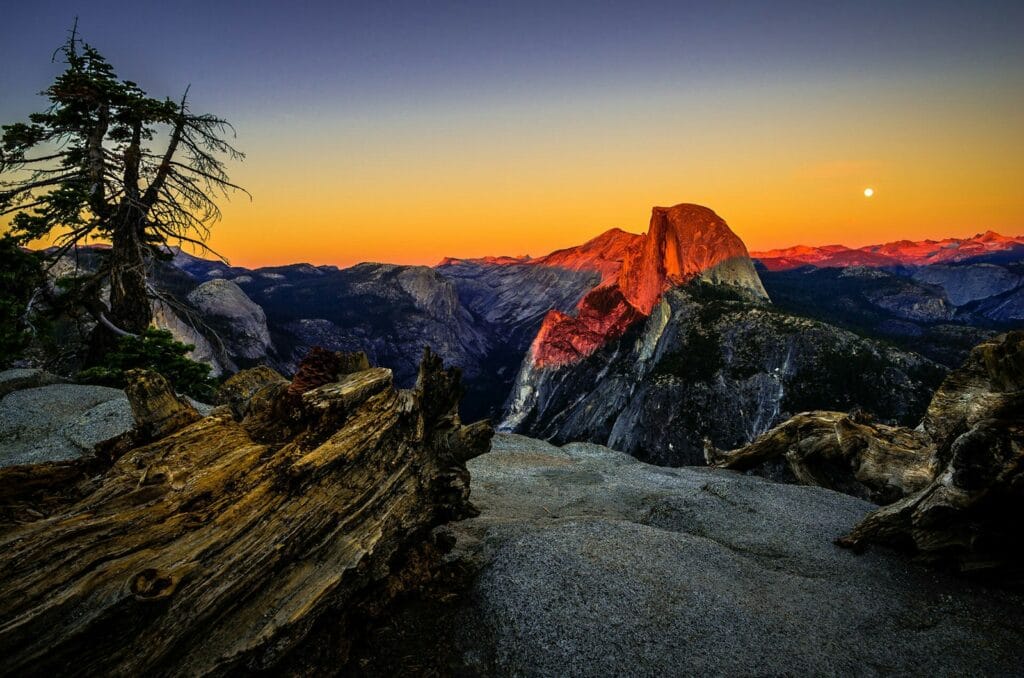
Rainfall transforms Yosemite into a lush paradise.
- Temperature: 5–15°C
- Rainfall: ~900–1000 mm
Famous for: Waterfalls, cliffs, scenic valleys
Waterfalls are at their strongest, making it one of the most beautiful times to visit.
Los Angeles
During the Southern California rainy season, Los Angeles becomes greener and clearer.
- Temperature: 15–20°C
- Rainfall: ~350 mm
Famous for: Hollywood, beaches, city views
Rain clears smog, offering rare crystal-clear views of mountains and skyline.
Big Sur
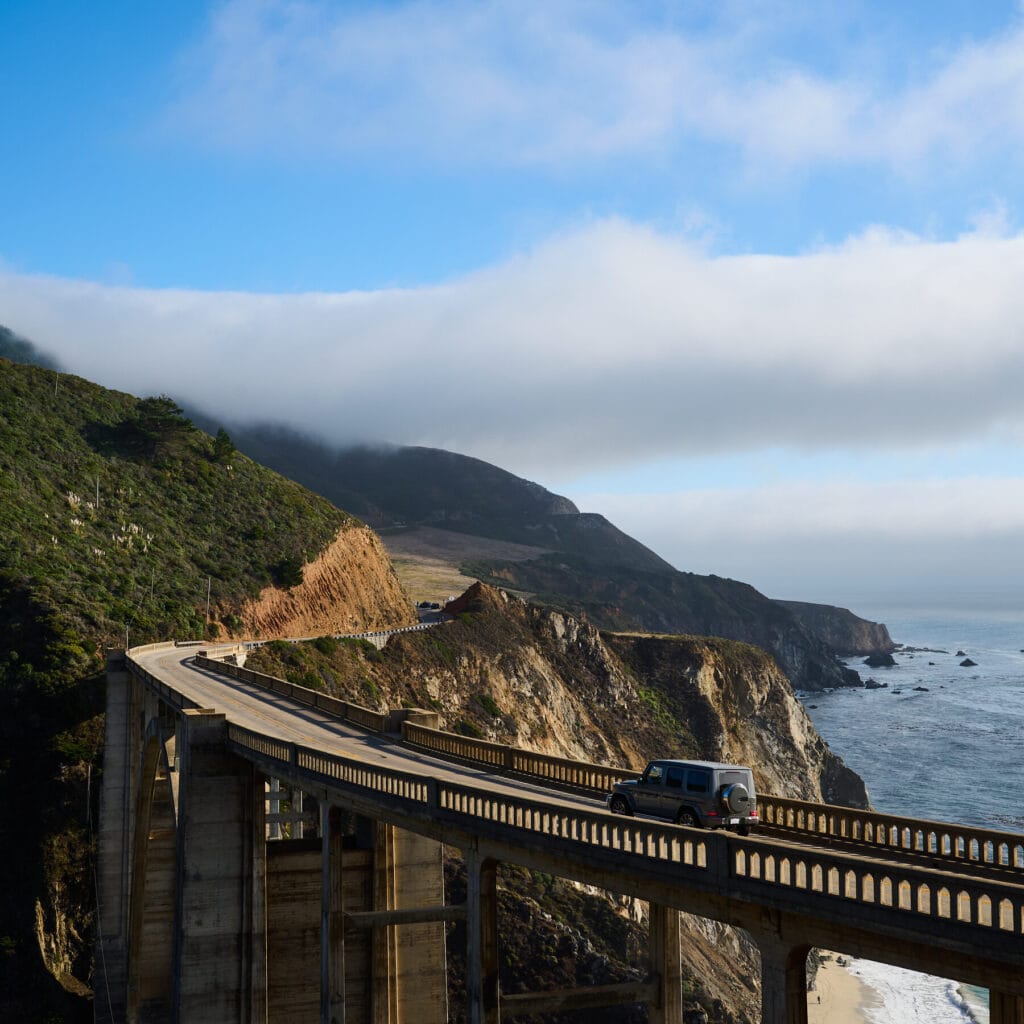
Big Sur becomes even more dramatic in rainy weather.
- Temperature: 10–18°C
- Rainfall: ~800 mm
Famous for: Coastal drives, cliffs, ocean views
Stormy seas and misty cliffs create a cinematic landscape.
Napa Valley

Rain brings Napa Valley to life with lush greenery.
- Temperature: 10–17°C
- Rainfall: ~600–700 mm
Famous for: Wine tasting, luxury stays
It’s a peaceful season for wine tours without crowds.
Lake Tahoe
Rain often turns into snow, making Tahoe a winter paradise.
- Temperature: 0–10°C
- Precipitation: Heavy snow + rain
Famous for: Skiing, snow scenery
Perfect for winter sports and scenic mountain views.
Benefits of Visiting During Rainy Season
The rainy season in California offers unique advantages:
- Fewer tourists and shorter queues
- Lower hotel prices
- Lush green landscapes
- Clearer air after rain
- Better photography opportunities
It’s ideal for travelers seeking a peaceful and scenic experience.
Challenges to Consider
The Southern California in rainy season also brings some challenges:
- Flash floods and landslides
- Traffic delays
- Road closures in mountainous areas
- Sudden heavy rainfall
However, these events are usually short-lived and manageable.
Travel Tips for Rainy Season
- Carry waterproof clothing
- Check forecasts regularly
- Plan indoor activities
- Avoid flood-prone areas
- Travel early during storm days
Conclusion
The rainy season in California is far more than just a weather phase—it’s a vital and fascinating transformation that reshapes the entire state. From replenishing water supplies to creating lush landscapes, this season plays a critical role in California’s ecosystem.
At the same time, the southern California offers a milder, more relaxed experience, where occasional rain enhances scenery without overwhelming travel plans.
For travelers, it’s an opportunity to explore iconic destinations in a quieter, greener, and more atmospheric setting. Whether you’re enjoying misty coastlines, vibrant cities, or snow-covered mountains, this season reveals a side of California that is both refreshing and unforgettable.




Comments 0
Only approved comments are shown here.