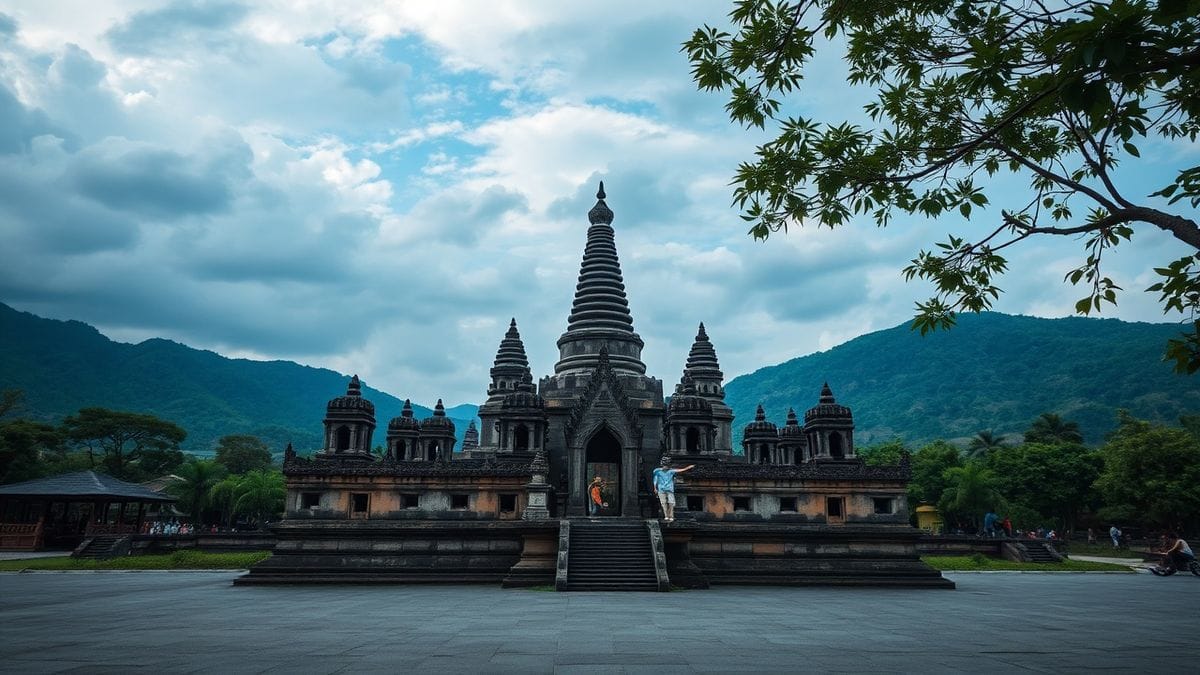
Indonesia is ushering in a new era of tourism, pivoting from sheer visitor volume to a focus on high-quality, experience-driven travel. This strategic shift, unveiled at the ASEAN Tourism Forum and TRAVEX 2026 in Cebu, Philippines, emphasizes enhanced visitor satisfaction, sustainability, and the seamless integration of modern technology. Investments in infrastructure, digital tools, and workforce development are central to delivering unique and immersive journeys for global travelers.
Tourism Sector Demonstrates Robust Recovery and Economic Impact
By the close of 2023, Indonesia's tourism sector had achieved a full recovery, welcoming nearly 14 million international visitors by November. This performance closely aligns with the government's target of 14 to 15 million international arrivals. The resurgence was further bolstered by a significant surge in domestic tourism, with over 1.1 billion domestic trips recorded, underscoring the sector's resilience and the effectiveness of recovery initiatives.
The economic contribution of tourism remained substantial, accounting for 3.96% of Indonesia's GDP by the third quarter of 2023 and supporting over 25.9 million jobs. Notably, the average stay for international tourists extended to 10.4 days, indicating a growing preference for more in-depth and value-oriented travel experiences.
2024 Targets: Elevating Value and Ensuring Long-Term Sustainability
The Indonesian Ministry of Tourism has set ambitious goals for 2024, aiming to attract 16 to 17 million international visitors and increase tourist spending to between USD 22 and 24 billion. Projections for domestic tourism also show continued growth, with over 1.18 billion trips anticipated, contributing to an estimated 26.53 million jobs in the sector. The tourism sector's projected GDP contribution is set to rise to 4.6%.
This strategic emphasis on attracting higher-spending tourists who engage more deeply with destinations aligns with global trends toward sustainable, high-quality tourism that benefits both visitors and local communities. This marks a significant pivot in the nation's tourism strategy.
Experience-Led Growth and Digital Innovation at the Forefront
Central to Indonesia's evolving tourism vision is a commitment to experience-led growth, prioritizing sustainable tourism practices that are both enriching for visitors and beneficial for local communities. The goal is to move beyond conventional tourism offerings and curate authentic, personalized, and memorable experiences.
A cornerstone of this digital integration is Maya, an AI-powered platform designed to serve as a virtual travel companion and provide personalized travel information. Since its launch, Maya has garnered over 600,000 users, demonstrating Indonesia's dedication to leveraging technology for a more efficient and engaging tourism experience. The platform aims to streamline travel planning and offer real-time support.
Further enhancing the visitor journey, the government has launched the All Indonesia digital platform. This unified system integrates customs, health, and immigration procedures, streamlining the arrival process and making travel to Indonesia smoother and more efficient for international visitors. This initiative is crucial for improving connectivity and accessibility.
Destination Development and Diversification
Investments are being channeled into both established tourism hubs and emerging regions to foster growth. Priority areas include Lake Toba, Belitung Island, and the Riau Islands, which are undergoing significant infrastructure upgrades. Iconic destinations such as Bali, Jakarta, Borobudur, and Mandalika will continue to be pivotal in driving tourism.
Simultaneously, the government is prioritizing sustainability, implementing waste management programs, environmental preservation projects, and initiatives to enhance local communities' capacity for responsible tourism management. This ensures that tourism expansion does not compromise the environment.
Highlighting Niche Tourism Sectors
Indonesia is capitalizing on its diverse offerings, with a strong emphasis on marine, cultural, and wellness tourism. Destinations like Raja Ampat and North Sulawesi are renowned for their marine tourism potential. New offerings, such as Finisi liveaboard experiences, are designed to attract travelers seeking adventurous and sustainable exploration.
The country's rich cultural tapestry, encompassing over 700 ethnic groups, provides a foundation for authentic cultural experiences, from traditional textile exhibitions to historical temple tours. Promoting gastronomy is also a key focus, with initiatives to highlight Indonesia's diverse culinary heritage, including promoting over 3,000 traditional recipes.
Recognizing the global demand, Muslim-friendly tourism is being expanded across 15 provinces, with enhanced halal services and prayer facilities, positioning Indonesia as a premier destination for travelers from Muslim-majority countries.
MICE and Event Tourism Poised for Growth
The Meetings, Incentives, Conferences, and Exhibitions (MICE) sector is a significant growth area for Indonesia. In 2023, the country hosted 99 major events, including international conferences and cultural festivals, which generated considerable economic impact. The MICE sector attracts business travelers who often extend their stays for leisure, further boosting demand for quality tourism experiences.
Addressing Connectivity Challenges
While progress is evident, challenges persist, particularly in air connectivity. The government is actively working to enhance air connectivity and optimize routes to meet the increasing demand, following pandemic-induced reductions in airline operations.
Indonesia's strategic embrace of digital platforms and a focus on experience-led, sustainable tourism signal a transformative phase for its travel industry. By investing in technology, infrastructure, and diverse tourism niches, the nation is poised to offer richer, more meaningful experiences, solidifying its position as a leading global destination for cultural enrichment and adventure.



Comments 0
Only approved comments are shown here.