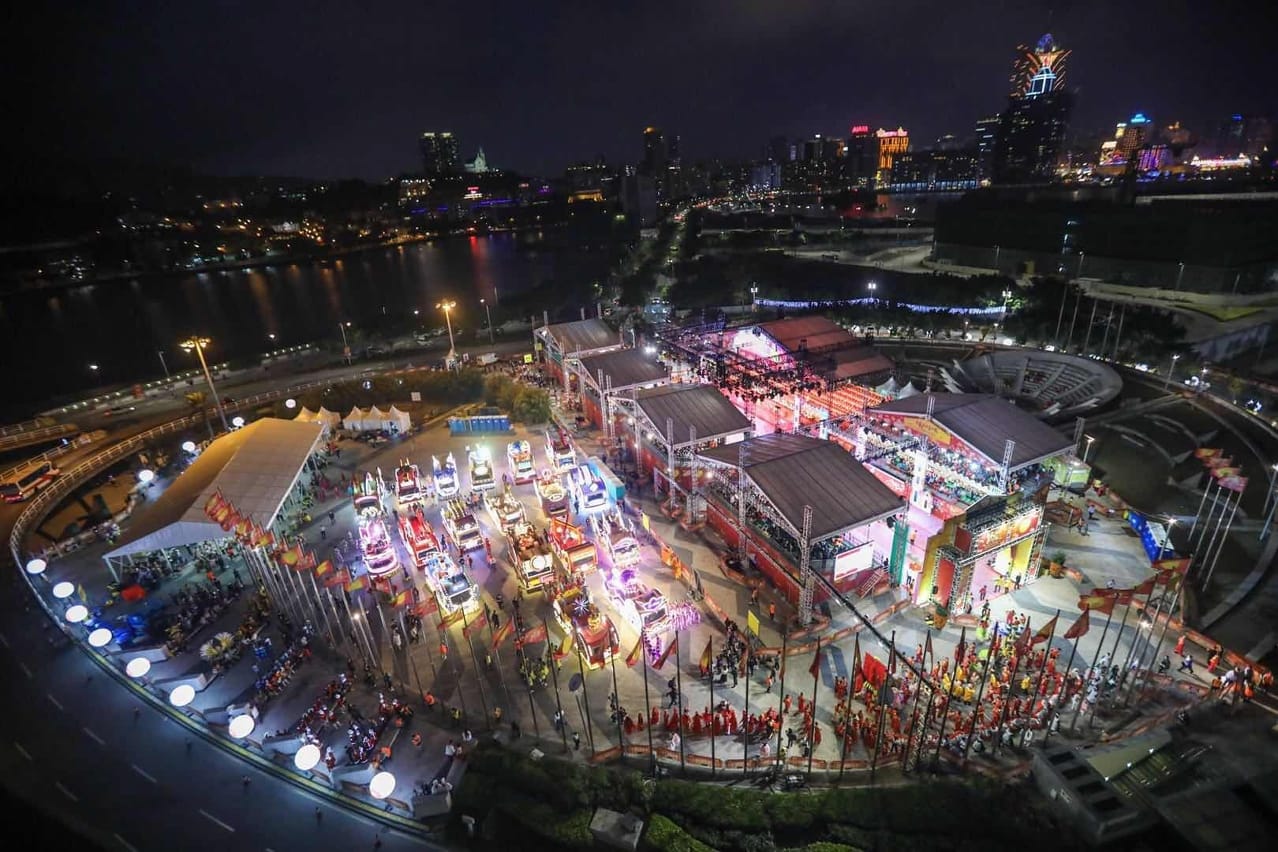
Macao Charts New Course as a Global Mega-Events Hub
Macao is undergoing a significant transformation, moving beyond its long-standing reputation as a gaming mecca to establish itself as a premier destination for mega-events, concerts, and international gatherings. This strategic pivot aims to diversify the city's economy and usher in a new era of cultural and entertainment tourism.
The "1+4" Strategy: Diversifying Macao's Economic Landscape
At the heart of this ambitious initiative is Macao's "1+4" development strategy. This forward-thinking plan designates the city's status as a Special Administrative Region of China as the "1," while the "4" represents four key pillars for economic diversification: tourism, convention and exhibition, culture and entertainment, and sports. This framework signals a deliberate move away from an overreliance on the gaming sector, with a clear objective to position Macao as a major player in the global events and entertainment industries.
A cornerstone of this vision is the burgeoning development of the Cotai district, which is rapidly becoming a central hub for international events. Notably, the upcoming Macao Outdoor Performance Venue is set to redefine the city's event capabilities. Spanning an impressive 94,000 square meters, this state-of-the-art facility will accommodate up to 50,000 spectators, making it a prime location for large-scale international concerts, sporting spectacles, and vibrant cultural festivals. With such a significant venue, Macao is poised to attract globally renowned artists and events, challenging established destinations like Las Vegas, London, and Singapore.
Navigating Infrastructure and Logistical Hurdles
While the new Cotai venue represents a significant step forward, Macao faces considerable challenges in managing the logistical demands of hosting mega-events. Despite welcoming nearly 35 million visitors in 2024, the city's compact size—just 33 square kilometers with a population of 688,300—and limited hotel capacity, currently around 43,000 rooms, present hurdles for accommodating the influx of event-goers.
The high population density and limited geographical footprint can strain resources, as evidenced by the New Year's Eve celebrations in 2025. Massive crowds overwhelmed the public transport system, leading to significant traffic congestion and crowd control issues. Despite extended operating hours for public transport, services struggled to adequately serve the thousands attending events, underscoring the urgent need for comprehensive solutions to manage future crowd surges.
Learning from International Best Practices
To address these operational challenges, Macao can draw inspiration from successful models employed by other leading event cities. In European cities like Milan and Rome, for instance, large-scale events are often efficiently managed through public-private partnerships, particularly in transportation. Event organizers frequently collaborate with private bus companies to establish dedicated "concert routes," transporting attendees directly from various points to the venue. This approach alleviates pressure on public transit, mitigates parking difficulties, and enhances the overall attendee experience.
A similar model could be effectively implemented in Macao, leveraging the proximity of Hengqin, a neighboring area with untapped hotel capacity. Hengqin could offer additional accommodation, easing the strain on Macao's existing hotel infrastructure. Introducing dedicated shuttle services between Hengqin and Cotai would not only help manage Macao's transport system but also provide visitors with opportunities to explore both regions. This cross-border collaboration offers an innovative solution to one of the city's most pressing logistical concerns.
Enhancing Workforce Flexibility and Policy Adaptation
Another critical aspect of Macao's evolution is the development of a flexible and adaptable workforce. The events industry is characterized by fluctuating demands, requiring a significantly larger workforce during peak periods. To effectively manage these fluctuations, Macao must consider implementing more agile labor policies that can rapidly address workforce shortages.
The European Union's "Blue Card" system, which facilitates the mobility of skilled workers across member states, offers a potential model. A comparable initiative in Macao could enable temporary worker transfers to high-demand event areas, ensuring adequate staffing during peak seasons. By simplifying the movement of workers between employers and sectors, Macao can cultivate a more agile labor force capable of supporting its growing events industry.
Macao's Evolving Vision for Global Tourism
Macao's ambition to become a global leader in mega-events and international concerts is now within tangible reach. Supported by the government's "1+4" strategy, substantial infrastructure investments, and policy innovations, the city is progressively solidifying its position on the global events stage. However, realizing this vision fully necessitates continuous refinement of logistical capabilities, enhanced crowd management strategies, and adaptive workforce policies.
The development of the Macao Outdoor Performance Venue is merely the commencement of this ambitious journey. As the city continues to invest in world-class infrastructure and streamline its policies to attract international events, it will inevitably strengthen its standing as a premier destination for entertainment and tourism. By aligning its development objectives with the practical demands of hosting large-scale events, Macao is well on its way to joining the ranks of top global event destinations such as London, New York, and Tokyo, attracting a diverse international audience.

Comments 0
Only approved comments are shown here.