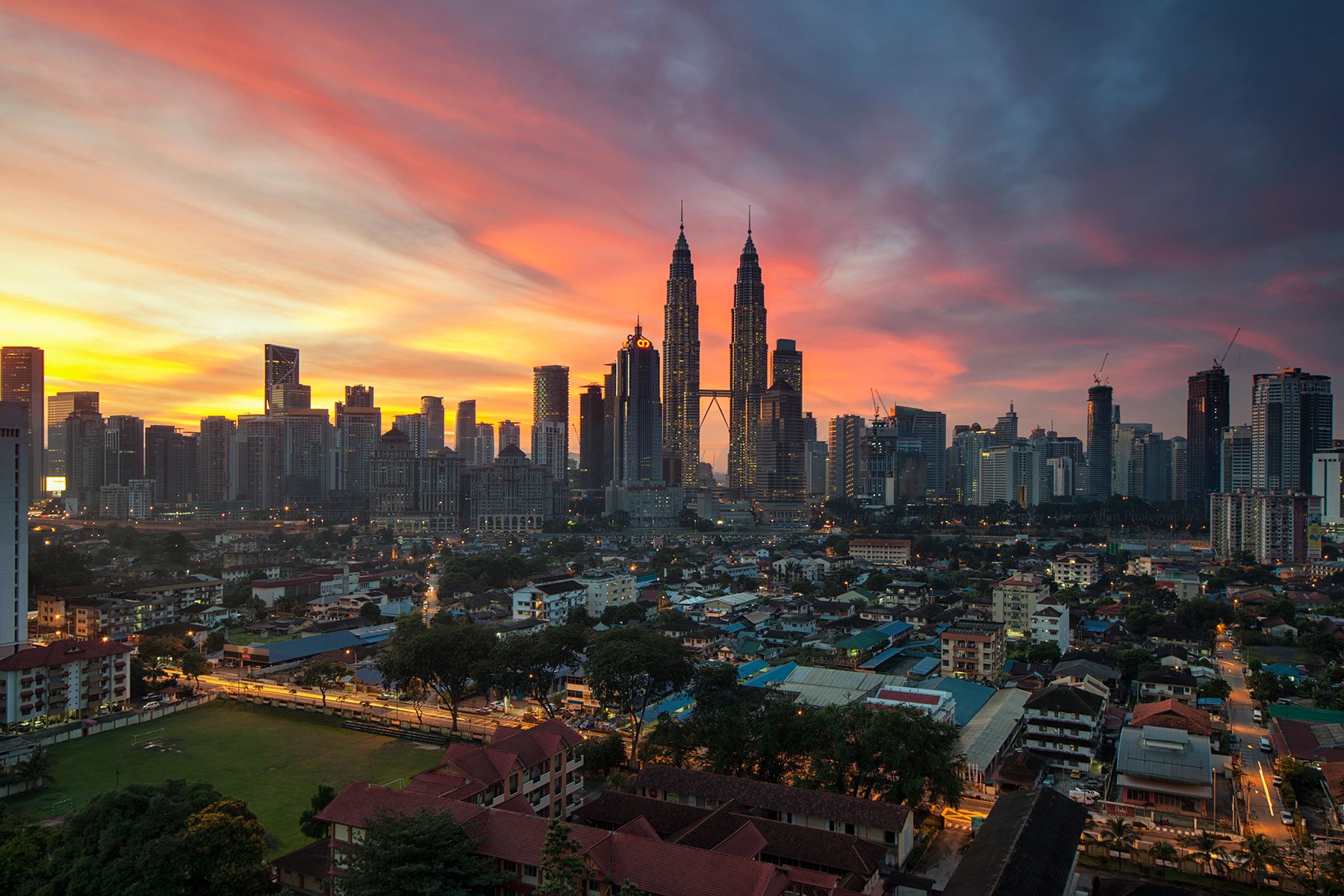
Malaysia has solidified its position as a premier year-end travel destination for Singapore residents, rivaling established favorites like South Korea, Japan, and Thailand. This surge in popularity is driven by its close geographical proximity, a diverse array of attractions, and the rich cultural tapestry that aligns perfectly with the festive season. From the bustling urban energy of Kuala Lumpur to the serene coastal beauty of Langkawi and the historical charm of Penang, Malaysia offers a compelling blend of adventure and relaxation, making it an ideal choice for short yet impactful holiday escapes.
Malaysia Leads the Pack in Year-End Travel Preferences
Visa's latest analysis of travel trends and Singapore residents' spending habits during the year-end period reveals a dynamic shift, with Malaysia maintaining its status as the top destination for the second consecutive year. The data, which focuses on face-to-face card spending up to the close of 2026, indicates a robust 18% year-on-year increase in spending within Malaysia. This substantial growth underscores the high volume of Singaporeans venturing across the border during the peak holiday season. The inherent ease of travel, coupled with a shared cultural understanding between the two nations, positions Malaysia as an accessible and appealing choice for both brief getaways and extended vacations.
Visa attributes this enhanced spending to a rise in overall travel-related costs, encompassing accommodation, transportation, dining, and shopping. The country's well-developed tourism infrastructure, featuring sought-after locales such as Kuala Lumpur, Penang, and Langkawi, alongside attractive year-end promotions, has significantly contributed to this upward trend in expenditure.
Japan's Enduring Appeal and Shifting Growth Trajectory
While Malaysia claims the top spot, Japan continues to hold a significant place in the travel plans of Singapore residents. Ranking as the second-most popular destination in 2026, Japan experienced a more modest 5% year-on-year growth in spending compared to previous periods. Despite this slower pace, Japan's allure persists, captivating visitors with its unique blend of traditional culture, historical landmarks, and world-class attractions. Cities like Tokyo, Osaka, Kyoto, and Hokkaido remain perennial favorites for Singaporean tourists. The comparatively moderate increase in spending may be influenced by factors such as the higher cost of travel to Japan during peak seasons, potentially prompting a more cautious approach to expenditure among some travelers.
Visa speculates that while Japan remains a highly desirable destination, a combination of price sensitivity and evolving travel preferences might be shaping its growth trajectory. Nevertheless, Japan continues to be a cornerstone of regional travel for Singaporeans.
Thailand and South Korea: Consistent Demand and Emerging Hotspots
Following closely in third and fourth positions are Thailand and South Korea, destinations that consistently attract a substantial number of Singaporean visitors due to their accessibility, affordability, and diverse offerings. Thailand, renowned for its tropical beaches, vibrant markets, and lively nightlife, maintains its status as a top choice. Notably, Visa's data indicates particularly strong spending growth in emerging Thai regions, such as Chiang Mai and Chonburi. This rise in popularity, especially among younger Singaporean travelers, points to a growing preference for less conventional, more immersive experiences.
In South Korea, cities like Busan and Jeju have seen a notable increase in appeal among Singaporeans. Visa's findings show significant spending growth in these areas, reflecting a heightened demand for cultural tourism and natural landscapes. South Korea's robust tourism infrastructure, coupled with its dynamic cultural and entertainment scene, continues to draw Singaporean visitors seeking engaging and enriching travel experiences.
China's Remarkable Resurgence
A particularly striking development highlighted in Visa's 2026 report is the significant increase in travel to China. Having not ranked among the top five destinations in the preceding year, China has now surged to the fifth position, with spending experiencing an impressive nearly 80% year-on-year growth. This dramatic rise signals a renewed and intensified interest from Singapore residents in exploring China's extensive history, rich culture, and modern attractions. Improved travel accessibility and increased economic exchanges are seen as key drivers of this trend, with major cities such as Beijing, Shanghai, and Chengdu attracting a growing number of Singaporean visitors. The allure of celebrating festivals like Chinese New Year in the country has also contributed to the tourism surge.
Regional Dynamics and the Rise of New Destinations
Visa's data further illuminates a broader trend towards emerging destinations across Asia. The substantial spending growth recorded in specific cities within Thailand, South Korea, and China aligns with a growing desire among Singapore residents for novel and varied travel experiences. While traditional favorites like Malaysia, Japan, and Thailand remain popular, the increasing interest in less-explored locales indicates a wider inclination towards discovering regional gems.
The year 2026's travel landscape, as illuminated by Visa's insights, showcases the dynamic nature of regional tourism. Malaysia's continued dominance, Japan's steady performance, and the accelerated growth of Thailand, South Korea, and China underscore a constantly evolving set of preferences among Singapore residents. As travel habits continue to adapt, Singaporeans are increasingly venturing to new horizons, diversifying their experiences, and fueling the burgeoning demand for regional travel.


Comments 0
Only approved comments are shown here.