
Few places on Earth have captured the human imagination quite like the Bermuda Triangle. Stories of vanishing ships, lost aircraft, and broken compasses have turned this stretch of ocean into a modern legend. If you have ever wondered what is Bermuda Triangle, Devil’s Triangle Bermuda, you are not alone—this question has fascinated explorers, writers, scientists, and travellers for decades.
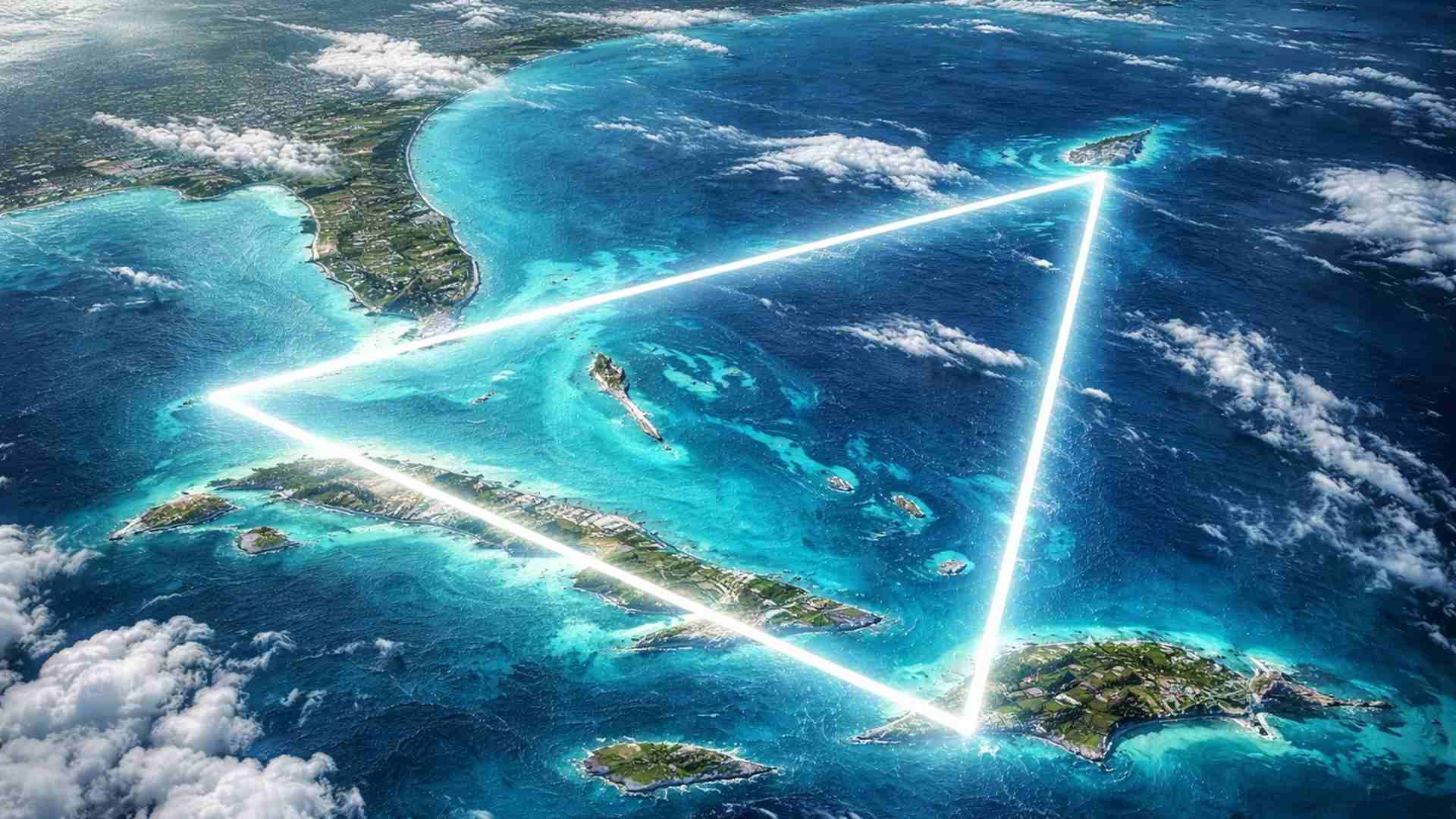
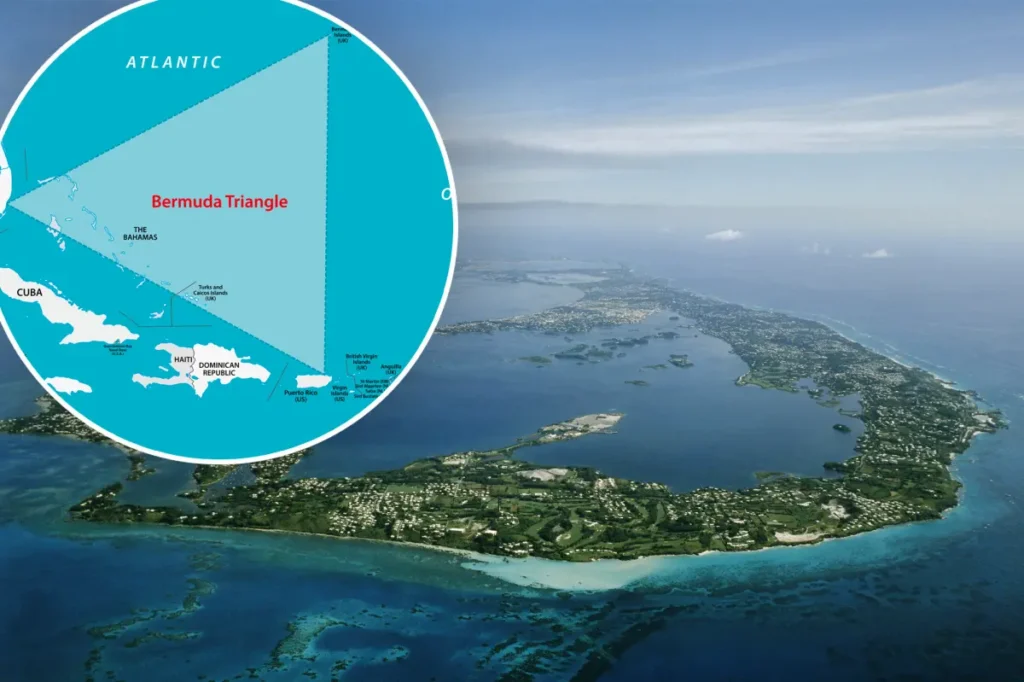
Located in the western part of the North Atlantic Ocean, this mysterious region is often described as a triangle formed by Miami (Florida), Bermuda, and San Juan (Puerto Rico). Over the years, it has earned the nickname “Devil’s Triangle” because of the number of reported maritime and aviation incidents associated with it. Yet, behind the dramatic stories lies a mix of history, geography, weather, and human imagination that deserves a closer, calmer look.
Today, the area is not just a subject of mystery—it is also a major travel corridor, a gateway to tropical islands, and a region of stunning ocean beauty.
Also Read – Air Balloon Festival Turkey: The Ultimate Guide to Cappadocia’s Sky-High Spectacle
Where Exactly Is the Bermuda Triangle?
The Bermuda Triangle is not officially recognised on nautical charts, but it is commonly said to cover an area of about 500,000 to 1,500,000 square miles of ocean in the North Atlantic.
The Three Common Points:
- Miami, Florida (USA)
- Bermuda (British Overseas Territory)
- San Juan, Puerto Rico
This area lies in a busy shipping and flight route between North America, the Caribbean, and Europe. Thousands of ships and planes pass through it every year without any trouble—an important fact often forgotten in the more dramatic retellings.
Also Read – Rainbow Mountains: The Ultimate Travel Guide to Peru’s Colorful Wonder
What Is the Climate and Temperature Like?
Because the region sits in the subtropical Atlantic, the climate is generally warm and oceanic.
Average Temperatures:
- Sea surface temperature: Around 24°C to 28°C through most of the year
- Air temperature: Typically 20°C to 30°C, depending on season and location
The area is also influenced by the Gulf Stream, a powerful warm ocean current that can create fast-moving waters and sudden weather changes. During hurricane season (June to November), storms can be intense, which has historically contributed to maritime accidents.
Why Is It Called the Devil’s Triangle?
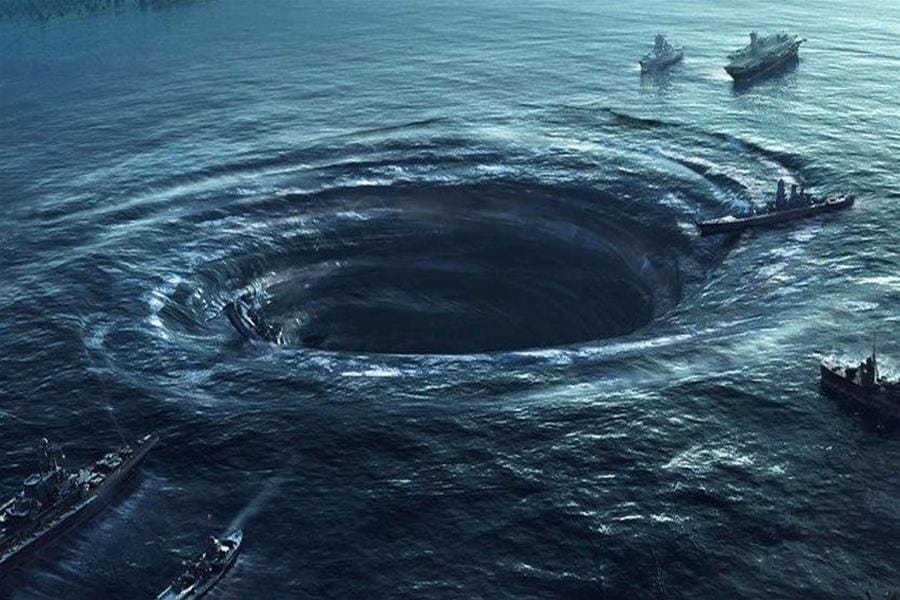
The name “Devil’s Triangle” comes from reports, especially in the mid-20th century, of ships and aircraft disappearing under unusual circumstances. This is why many people search for what is Bermuda Triangle, Devil’s Triangle Bermuda when trying to understand whether the mystery is real or exaggerated.
Some Famous Incidents:
- Flight 19 (1945): A group of US Navy training planes that vanished during a navigation exercise
- USS Cyclops (1918): A cargo ship that disappeared with 309 people on board
- Various merchant vessels: Reported lost or found abandoned
These stories were popularised by books and documentaries, which often suggested supernatural explanations—ranging from alien activity to time warps and lost civilizations.
Scientific Explanations vs. Myths
When asking what is Bermuda Triangle, Devil’s Triangle Bermuda, it’s important to separate legend from science.
Realistic Explanations Include:
- Severe weather: Sudden storms, rogue waves, and hurricanes
- Strong currents: The Gulf Stream can rapidly carry debris away, making wreckage hard to find
- Navigation errors: Human mistakes, especially before modern GPS systems
- Heavy traffic: More ships and planes mean statistically more accidents
Modern scientists and maritime authorities generally agree that the Bermuda Triangle does not have a higher rate of disappearances than other busy ocean regions. The mystery persists largely because of selective reporting and dramatic storytelling.
Why Is the Area Famous for Tourists?
Despite its reputation, the region associated with the Bermuda Triangle is actually one of the most beautiful and popular travel zones in the Atlantic.
What It’s Famous For:
- Bermuda’s pink-sand beaches and coral reefs
- The Caribbean islands’ crystal-clear waters and marine life
- World-class sailing, diving, and cruising routes
- Historic ports, shipwreck dives, and coastal cities like Miami
Bermuda itself is a major tourist destination, known for luxury resorts, pastel-coloured houses, and warm turquoise seas. Far from being avoided, the region is actively explored and enjoyed by millions of travellers every year.
So, What Is Bermuda Triangle, Devil’s Triangle Bermuda in Reality?
In simple terms, the Bermuda Triangle is a cultural and historical mystery rather than a proven scientific anomaly. The phrase what is Bermuda Triangle, Devil’s Triangle Bermuda continues to trend because people are drawn to stories that mix danger, the unknown, and the vast power of the ocean.
The reality is more grounded:
- The area is heavily travelled and commercially important
- Modern navigation has made travel safer than ever
- Most incidents can be explained by weather, currents, or human error
Yet, the legend remains powerful because the sea itself is unpredictable, and human imagination fills the gaps where information is missing.
The Role of Media and Pop Culture
Books, films, and TV documentaries in the 1950s–1970s played a huge role in shaping the myth. Sensational headlines and selective case studies made the region seem far more dangerous than it statistically is.
This is why the question what is Bermuda Triangle often leads to two very different answers: one rooted in mystery and one grounded in science.
Both perspectives coexist today—one feeds curiosity and adventure, the other provides reassurance and context.
Is It Safe to Travel Through the Bermuda Triangle Today?
Yes. Absolutely.
Modern aircraft, cruise ships, and cargo vessels cross this region daily using advanced GPS, satellite weather tracking, and strict safety protocols. Tourism in Bermuda, Florida, and the Caribbean continues to grow, and the region is considered no more dangerous than other major ocean routes.
In fact, many cruise itineraries and transatlantic flights pass through or near the so-called triangle without passengers even realising it.
Conclusion: Mystery, Ocean, and Human Imagination
So, what is Bermuda Triangle really about? It is a powerful blend of geography, history, natural forces, and storytelling. The region itself is warm, beautiful, and vital to global travel and trade, with average temperatures ranging from 20°C to 30°C and seas rich in life and color.
What makes it famous is not danger alone—but the way humans respond to the unknown. The ocean has always inspired awe and fear in equal measure, and the Bermuda Triangle is simply one of the most enduring symbols of that relationship.
Whether you approach it as a scientific puzzle, a cultural legend, or a fascinating chapter in maritime history, one thing is certain: the story of the Bermuda Triangle continues to sail through our collective imagination, just as countless ships and planes safely sail through its waters every single day.