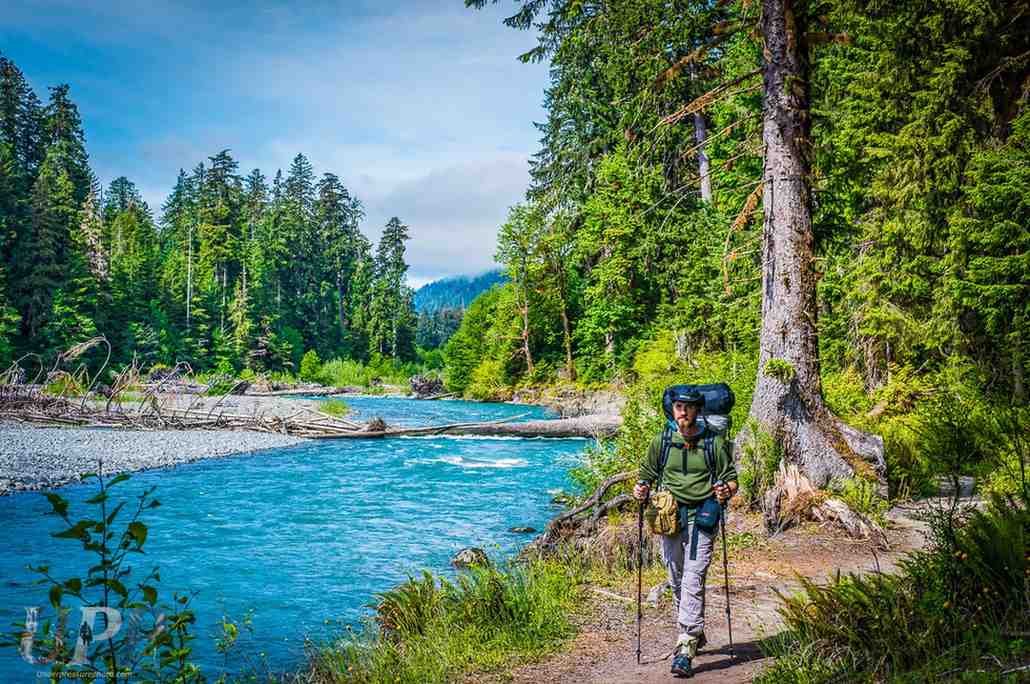
Hoh Rainforest activities include hiking, wildlife viewing, and ecosystem studies within Olympic National Park in Washington, located in the peninsula region.
This Hoh Rainforest guide covers Hall of Mosses trails, elk sightings, river corridors, and year-round access for first-time visitors planning.
2026 Hoh Rainforest At-A-Glance
- Entrance Fee: $30 per private vehicle (Valid for 7 days). Important for 2026: Olympic National Park is exempt from the new $100-per-person international surcharge. While non-U.S. residents must pay $250 for an Annual Pass (America the Beautiful), the standard 7-day entry fee at the Hoh Rainforest remains $30 for everyone, regardless of citizenship.
- Payment: Strictly Cashless. Only credit/debit cards or prepaid digital passes are accepted at the entrance.
- Best Arrival Time: Before 10:00 AM to avoid 2-hour entrance gate delays.
- Cell Service: None. Offline maps are mandatory for 2026 travellers.
- Top 3 Animals: Roosevelt Elk, Banana Slugs, and Black Bears.
Top Things to Do in the Hoh Rainforest
Things to do in Hoh Rainforest mostly revolve around short hikes, quiet walks, and slowing down to notice the details. Most visitors explore on foot, moving between well-marked trails that pass mossy trees, rivers, and old-growth forest. You don’t need special skills or gear, just good shoes and time. Each trail offers a different feel, even though they start close together.
Read More : Olympic Peninsula 3 Day Itinerary
Hike the Hall of Mosses Trail
This is the most well-known trail and a great place to start Hoh Rainforest hiking. The loop winds through towering bigleaf maples covered in thick green moss, especially impressive after rain. The path is flat and well-maintained, making it easy for most visitors.
Quick Stats:
- Distance: 0.8 miles (loop)
- Difficulty: Easy
- Time Needed: 30–45 minutes
- Best Time: Early morning for fewer crowds
Walk the Spruce Nature Trail
This trail shows a different side of the rainforest, blending forest and river views. You’ll walk past massive Sitka spruce trees and reach spots along the Hoh River. It’s quieter than Hall of Mosses and great for spotting details like nurse logs.
Highlights:
- Trail Length: 1.2 miles
- Key Feature: Hoh River access
- What You’ll See: Ferns, fallen logs, riverbanks
Explore the Hoh River Trail
For a deeper experience, this is the longest of the Hoh Rainforest trails. It follows the river far into the valley and feels more remote with every mile. Many day hikers turn around at Five Mile Island.
Trail Facts:
- Length: Up to 17+ miles one way
- Recommended Turnaround: Five Mile Island
- Ideal For: Day hikers and backpackers
What Lives in the Hoh Rainforest?
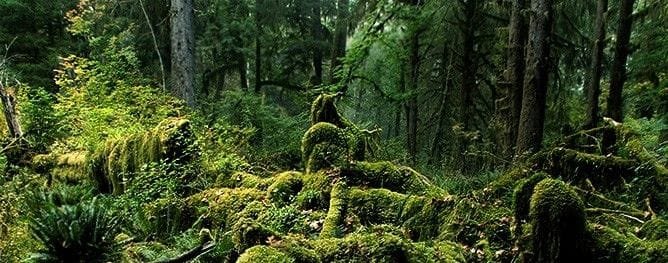
Hoh rainforest animals thrive here because this valley holds one of the highest biomass levels in North America, fueled by constant rain and mild temperatures.
Wildlife in the Hoh Rainforest
| Animal | Where You’ll See It | Best Time |
| Roosevelt Elk | Riverbanks & meadows | Dawn, dusk |
| Black Bear | Deeper forest areas | Late spring–summer |
| Banana Slug | Trail edges, nurse logs | After rainfall |
| River Otter | Along the Hoh River | Morning |
Common Animals You Can Spot
Most visitors notice the Hoh Rainforest wildlife that sticks close to open spaces and water. Elk often graze near the river early in the day, especially where fog still hangs low. Black bears are less predictable but leave clear signs like tracks and torn logs. Banana slugs are everywhere after rain, slowly crossing trails and clinging to moss.
Birds and Smaller Species
Birdlife and small creatures do well in the damp, shaded forest. Owls and woodpeckers rely on old trees for nesting, while amphibians stay active year-round due to moisture. Insects are constant, especially near decaying wood and streams.
- Northern Spotted Owl (rare, nocturnal)
- Pacific Tree Frog
- Varied Thrush
Unique Experiences You Can Only Have Here
Unique Hoh Rainforest experiences aren’t about checklists or landmarks. They’re about moments that slow you down without trying. I’ve walked many forests, but this place feels like it asks you to listen first, then look. Every step feels quieter, softer, and more personal.
The One Square Inch of Silence
This small marked spot was created to protect natural sound, not attract crowds. When you stand there, you notice how rare true quiet is. No engines, no voices, just wind, water, and your own breathing. It’s one of the few places where the Hoh Rainforest silence feels intentional, not accidental.
Rainforest Photography and Soundscapes
Hoh rainforest photography rewards patience more than gear. The forest changes by the minute, especially when moisture moves through.
- Low light requires steady shots
- Mist enhances moss colour
- Best conditions occur during light rain
Deep Search Activities: Hidden Gems in the Hoh Rainforest
The Hoh Rainforest is famous for its moss-draped trees, but its hidden corners offer rare experiences few visitors find. Exploring beyond the main trails reveals quiet zones, unusual geological features, and unique wildlife moments that make your trip truly memorable.
Rare Experiences: Beyond the Hall of Mosses
Glacial Flour Study
The Hoh River’s milky turquoise hue comes from glacial flour—fine silt from Mount Olympus. Pause along the riverbanks to watch this natural phenomenon shift with sunlight and water flow. Photography enthusiasts love capturing its ethereal glow.
Night Sky Viewing
With virtually zero light pollution, the Hoh Rainforest offers perfect conditions for stargazing. Rare clear nights reveal the Milky Way in striking detail, making it a top spot for astrophotography. Bring a tripod and head to the Elkhorn Ranger Station area for unobstructed views.
Practical Planning Tips for Visiting the Hoh Rainforest
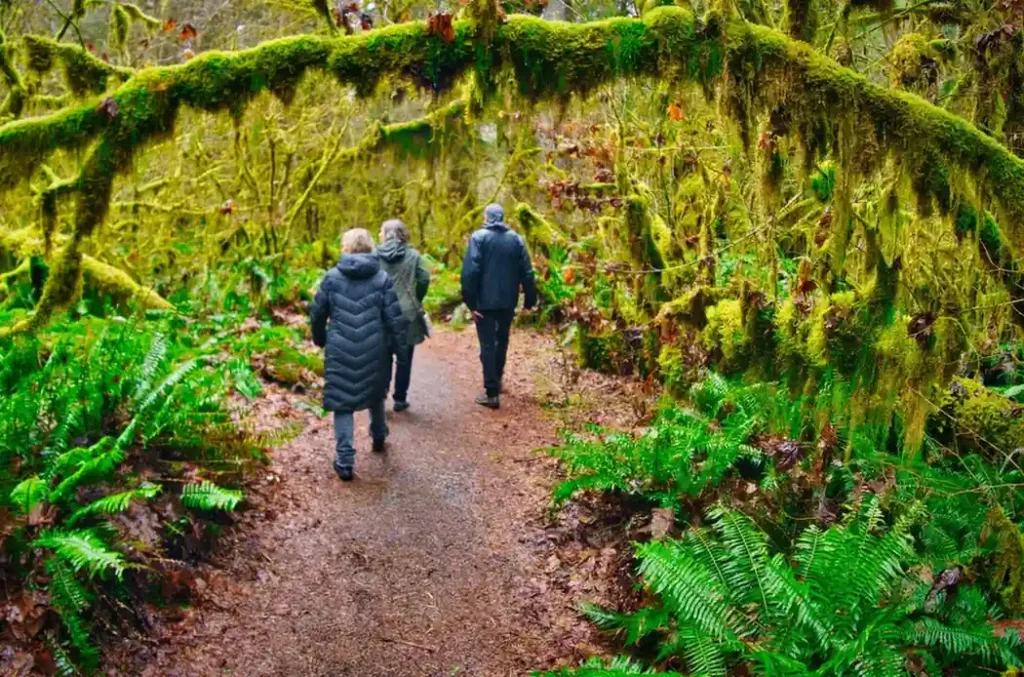
Visiting the Hoh Rainforest can be an unforgettable experience if you plan carefully. Knowing the best time to go, what to pack, and what to expect helps you make the most of your trip without surprises. Here are actionable tips from experience that make your visit smoother.
Best Time to Visit
- Peak Season: June–August – expect larger crowds and busy trails.
- Shoulder Months: May & September – fewer visitors and milder weather.
- Annual Rainfall: Around 140 inches – plan for wet conditions anytime.
What to Pack
- Waterproof jacket: Essential for frequent rain and mist.
- Non-slip hiking shoes: Trails can be muddy and slippery.
- Offline maps: Cell signal is limited, so offline navigation is a must.
- Snacks & water: Few options inside the park; energy bars keep you going.
Using these hoh rainforest travel tips ensures a stress-free visit. With the right gear and timing, you can fully enjoy the lush greenery without unexpected setbacks.
As of 2026, the Hoh Rainforest entrance station has transitioned to 100% cashless operations. You cannot pay with cash at the gate. While you can purchase a digital pass on Recreation.gov, the lack of cell service in the valley means you must print a physical copy before leaving home. Park rangers require a physical pass on your dashboard to verify entry and avoid citations, as your phone likely won't load the digital QR code once you enter the rainforest canopy.
Read More: unreal places on earth
2026 Seasonal Planning Guide
Timing is everything when visiting the Hoh Rainforest. Knowing what each season offers helps you plan for wildlife sightings, photography, and avoiding crowds.
| Season | What You’ll See | Crowd Level | 2026 Expert Tip |
| Spring | Neon green moss & elk calves | Moderate | Early mornings capture misty trails before crowds arrive |
| Summer | Sunbeams through old-growth trees & dry trails | High | Arrive by 8:00 AM for parking and clear shots |
| Fall | Salmon spawning & elk rut | Moderate | Bring binoculars to watch wildlife from the riverbanks |
| Winter | Deep mist & quiet forest | Low | Check for road closures and pack waterproof gear |
This Hoh Rainforest seasonal guide ensures you match your visit to what you most want to experience. Each season has its charm—planning ahead makes your trip smoother and more memorable.
Read More: most expensive places in the world
Quick FAQs About the Hoh Rainforest
How much time do you need in the Hoh Rainforest?
Most visitors spend 3–5 hours exploring the main trails and river viewpoints. You can adjust your visit depending on whether you want a short walk or a full trail experience.
Can you visit without hiking?
Yes, short walks near the visitor centre still provide rainforest views. The accessible trails are well-marked and perfect for a relaxed visit.
Is the Hoh Rainforest suitable for kids?
Yes, especially the Hall of Mosses and Spruce Nature Trail. Kids enjoy the giant trees and unique moss-covered landscapes up close.
What should I bring when visiting the Hoh Rainforest?
Bring rain gear, sturdy shoes, and a water bottle. Even short walks can be muddy, and layers help with changing weather.
Are there guided tours in the Hoh Rainforest?
Yes, ranger-led walks and seasonal tours provide insights into wildlife and plant life. Booking early is recommended during peak season.
Do I need a reservation for the Hoh Rainforest in 2026?
While day-use access doesn’t require a reservation, the Hoh Campground uses a strict staggered booking system on Recreation.gov for the summer season (June 12 – Sept 6). Reservations are released in three blocks based on the campground loops:
- Loop A: Released 6 months in advance.
- Loop C: Released 2 weeks in advance.
- Loop B: Released 4 days in advance. Outside of these windows, the campground is first-come, first-served. Note that parking often fills by 10:00 AM, so early arrival is essential even with a reservation.
Are there international visitor fees in 2026?
Yes, non-US residents now pay $250 for an annual “America the Beautiful” pass. Standard 7-day vehicle entry is $30 for all visitors (US and International). Olympic National Park is currently exempt from the $100-per-person international surcharge required at parks like Yellowstone or Zion.
Read More: TraveliciousBites


Comments 0
Only approved comments are shown here.