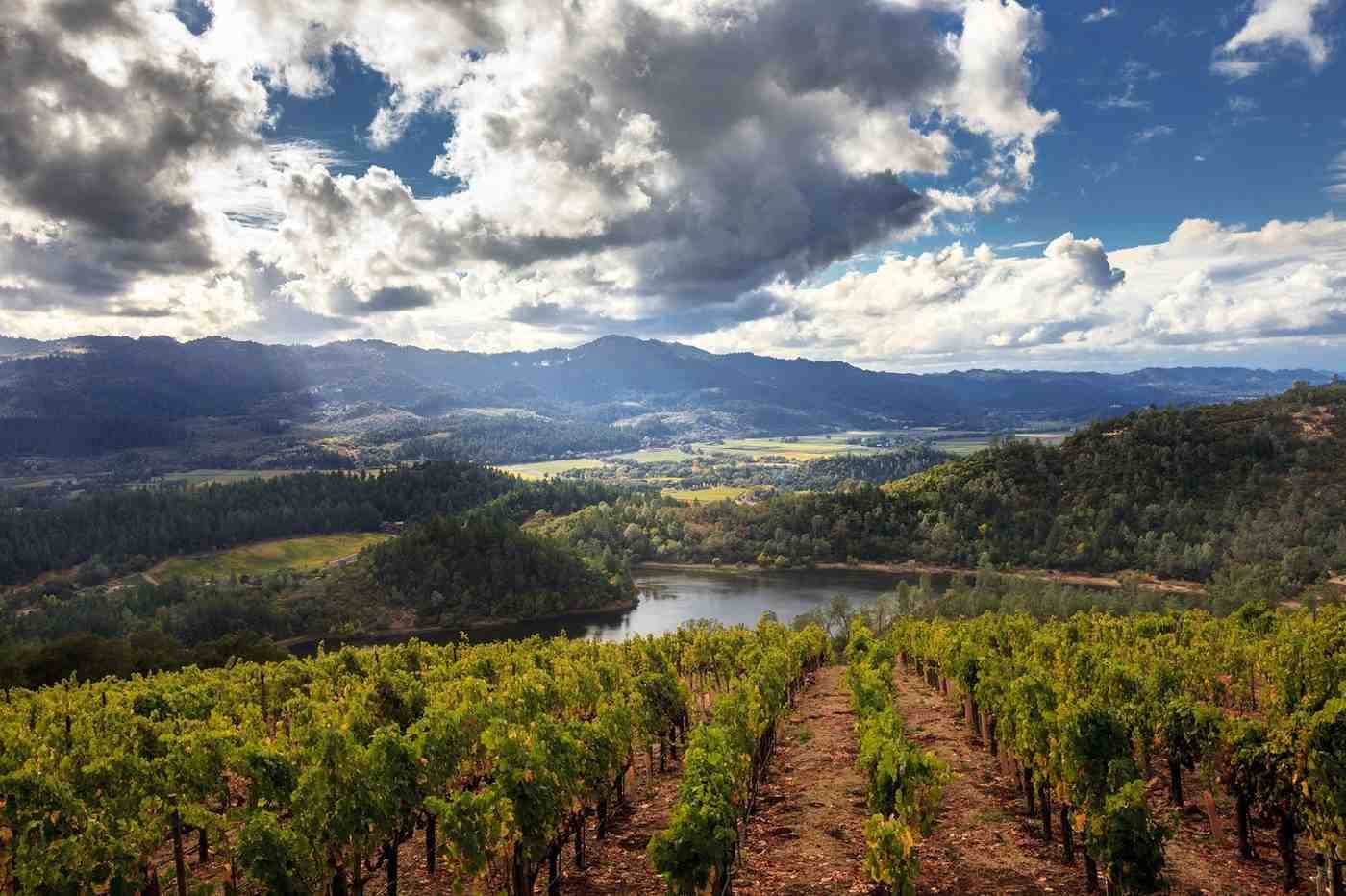
Wineries in Napa Valley are famous for Cabernet Sauvignon and other great wines. The region has over 400 Napa Valley wineries, many family-owned, with beautiful views and different styles. It became world-renowned after beating French wines in a 1976 tasting.
This practical guide helps with wine tasting in Napa Valley, tours at wineries, and the top experiences. You learn real tips for planning visits, what to expect at tastings, and how to pick Napa Valley wine tours. It is for first-time visitors or people coming back (winter is quieter, good for fewer crowds). Book ahead, go slow, and enjoy.
Why is Napa Valley One of the World’s Most Recognized Wine Regions?
The Napa Valley wine region stands out big time in California wine country. People know it everywhere for top wines, especially from Napa Valley wineries. It got famous quickly after some Napa wines beat French ones in a blind tasting back in 1976. Now, Napa Valley wine tasting draws visitors who want quality and that special feel.
Climate and Geography That Shape Napa Wines
Napa has a Mediterranean climate. Warm, dry days in summer, cool nights, and fog from the bay. This helps grapes ripen slowly and keep good acid.
The valley is narrow, with mountains on both sides. So many microclimates here. The south gets cooler from bay breezes, and the north gets hotter.
Valley floor vineyards give rich, full wines. Hillside ones are more concentrated, structured – like grapes work harder in rocky soil. (All this mix makes consistent high quality year after year.)
Signature Grape Varieties of Napa Valley
Cabernet Sauvignon rules here. It's the main grape, making bold, rich reds with black fruit and firm tannins.
Then Chardonnay for whites, often creamy and balanced. Merlot is softer and adds to blends. Pinot Noir in cooler spots.
Some emerging ones, too, like Syrah or Petite Verdot. But Cab is the star who built the reputation.
Read More- Fall in Love with These 10 Napa Valley Wineries
Types of Wineries You’ll Find in Napa Valley
Napa Valley wineries come in different styles. Over 400 places to taste wine here. Some are big and famous, others are small and quiet. The best wineries in Napa Valley fit what you want – history, personal feel, or new experiences. Knowing the types helps you pick the right one.
Historic and Legacy Wineries
These old estates go back to the 1800s. Many survived hard times like Prohibition.
- Long-established estates. Places like Beringer or Charles Krug started long ago and still run strong.
- Architectural landmarks. Stone buildings, old mansions, caves dug by hand.
- Educational tastings. Tours show real Napa history and how wine changed over the years.
Boutique and Family-Owned Wineries
Smaller production here. Often family runs everything. Boutique wineries, Napa style, mean limited bottles, more care.
- Smaller production. Not mass-made, so wines feel unique.
- Intimate tasting experiences. Sit close, talk directly to owners or winemakers.
- Appointment-focused visits. I need to book ahead (most Napa does now), but it feels personal.
Modern and Experiential Wineries
Newer builds with fresh ideas. Focus on fun beyond just drinking.
- Contemporary design. Sleek buildings, big views, art around.
- Food pairings and caves. Many have chef meals or underground tours.
- Curated tasting formats. Special setups, like pairings or themed events.
Pick what matches your trip. All make great wine, just in different ways to enjoy.
Wine Tasting in Napa Valley: What Visitors Should Expect
Wine tasting in Napa Valley is popular now. But things changed a lot. Most wineries want you to book ahead for the wine tasting experience in Napa. No more just walk in like old times.
Tasting formats commonly offered
Wineries have different ways to taste.
- Seated tastings: You sit at a table. Someone pours 4-6 wines and talks about them. It lasts 60-90 minutes. Feels relaxed.
- Private tastings: Just your group. More personal. Often it costs more. Good if you want quiet time.
- Educational or vertical tastings: They show the same wine from different years. Or explain how they make it. You learn more about Napa wines.
Some add food pairs or cave tours. But the basics are set now.
Reservation and pricing basics
Plan early.
- Reservations are a must for most places. Book weeks ahead. Especially weekends or busy seasons. Popular spots fill fast. (Check the winery site directly.)
- Typical fees run $50 to $100 per person now. Basic around $50-70. Fancy ones higher. Some waive if you buy bottles.
- Cancellation rules are strict. Many charge full if they cancel late. Like 24-48 hours' notice needed. Or no refund. Read the fine print when reading a book.
- Napa wine tasting tours can help if you want a driver. But expect a real visit like this. Not cheap or quick stops. Enjoy slow.
Napa Valley Wine Tours: Ways to Explore Multiple Wineries
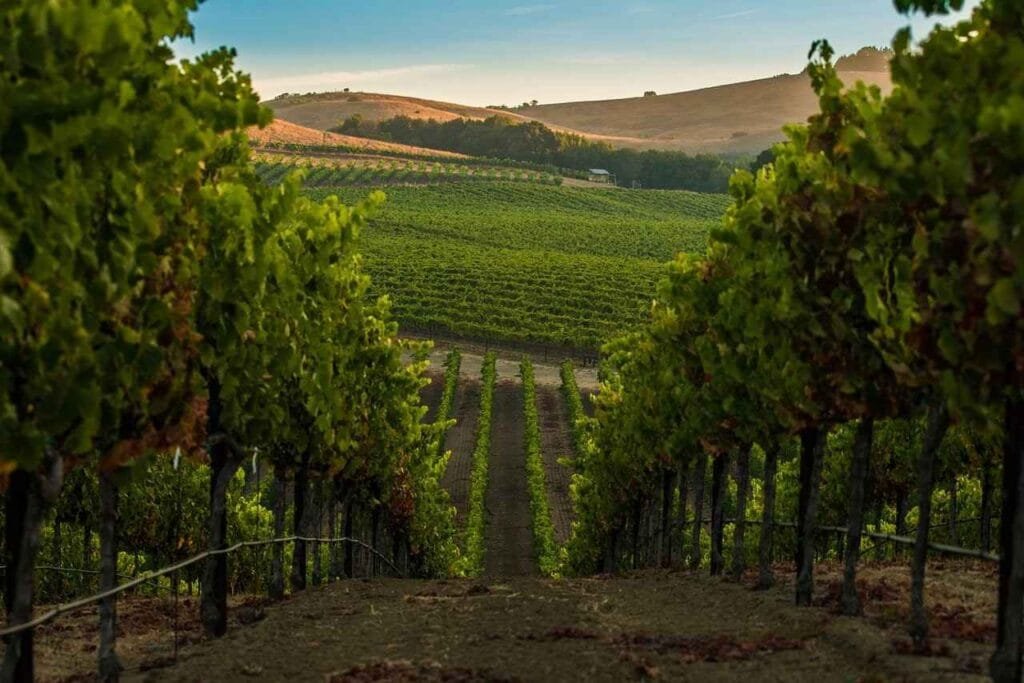
Napa Valley wine tours make it easy to visit several wineries in one day. You get transportation and no worry about driving after tasting. Most Napa Valley wine tasting tours go to 3 or 4 places. That keeps things relaxed. Reservations are needed almost everywhere now. And tours handle that for you.
Guided Group Wine Tours
These are join-in tours with other people. Small groups usually, like 8 to 12. Fixed itinerary set by the guide. They pick a good mix of wineries, often smaller ones. Transportation included, van or bus. The driver knows the roads. Ideal for first-time visitors. You learn from the guide about wines and the area. Meet new people, too. Cheaper than private.
Private Wine Tours Napa Valley
Private tours just for your group. You choose the wineries, or the guide helps pick. Personalised schedule. More flexible time at each stop. Higher cost, yes. But you get more control. Often, luxury vehicles and exclusive access are available. Good if you have specific tastes or want a quiet day. (Like avoiding big crowds.)
So, pick a group for easy fun or private for custom. Both ways let you taste many wines safely. Napa has over 400 wineries as of 2026. Tours help see the best.
The Napa Valley Wine Train Experience Explained
The Napa Valley wine train gives you a different way to see the wine country. Old restored cars from the early 1900s. You sit inside, eat good food made fresh on board, drink Napa wines, and look at vineyards passing by. It's like a moving restaurant with nice views. Many people call it the Napa wine train experience because it mixes dining and scenery on rails.
Here's what to know in short.
| Aspect | What to Know |
| Duration | 3 hours for basic lunch or dinner. Up to 6 hours for full-day packages |
| Route | Napa to St. Helena round trip. 36 miles through vineyards |
| Experience | Gourmet meals, wine service on board, and beautiful Napa Valley scenic train views |
| Winery Stops | Available on select packages (like the Legacy tour with visits to places such as Charles Krug or Grgich Hills) |
This Napa Valley scenic train suits the best people who want to relax without driving. Good for couples or groups that like food and views together. (Not for quick winery hopping, though.) And it feels special, like old-time travel but in wine country now.
Read More- Best Places to Travel in February in the USA (2026 Updated)
Napa Valley Towns and Areas Known for Wineries
Napa Valley wineries are spread across different towns and areas. Each spot has its own feel. You pick based on what wines you like and how you want to spend the day. Highway 29 runs through most of them. Easy to drive from one to the next.
Yountville and Oakville
These sit in the central part. Close to everything. Oakville is famous for big Cabernet names, like Opus One or Groth. Soils here give rich, structured reds. Yountville is a bit cooler, good for Chardonnay too. And dining here is top – many great restaurants right in town (think French Laundry if you can get in).
Rutherford and St. Helena
Up a little north. Classic for Cabernet Sauvignon. Rutherford has that "dust" taste – earthy, powerful. Historic estates like Inglenook or Beaulieu. St. Helena town is walkable. Tasting rooms on Main Street. Easy to park and hop between spots. Some old family wineries are still around.
Calistoga and Carneros
Calistoga at the top end. Warmer, high up vineyards. Bold reds, some Zinfandel. Hot springs everywhere – soak after tasting. Carneros down south, cooler from bay winds. Best for sparkling wine, like Domaine Carneros or Domaine Chandon. Also, Pinot Noir. Scenic hills, rolling views. Good start or end to the valley trip.
Plan around these Napa Valley wine towns. Drive slow, enjoy the views.
Planning a Winery Visit in Napa Valley
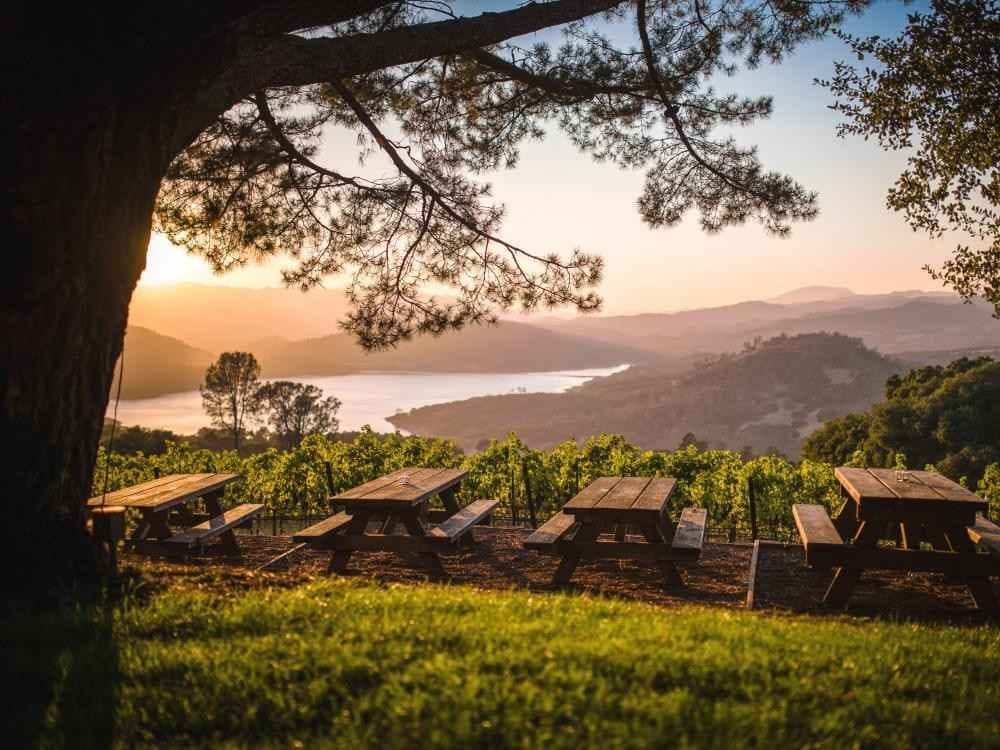
Planning a trip to visit wineries in Napa Valley is exciting. It takes some practical thinking for a good time.
Best time of year to visit
- Spring (March to May) has nice, mild weather. Vines start budding, and wildflowers bloom everywhere. Crowds are smaller. You get easier bookings at wineries.
- Harvest season runs from August to October. It feels busy and full of energy. Wineries pick grapes then. Leaves turn colors and the air smells like crushed leaves. But crowds get big, especially in September and October. Places fill up fast.
- The weather stays warm and dry in summer. It can hit hot days. Winter brings rain but fewer people (good for quiet tastings).
Transportation and logistics
- Driving yourself works if someone stays sober. Roads are simple, but tasting wine makes it risky. Police check often.
- Book a tour or private driver instead. They handle the car and plan stops. You relax and taste freely. Many options exist, like trolleys, limos or just a driver in your rental.
- Plan 3-4 wineries max per day (each visit takes 1-2 hours with travel). Appointments are needed at most places now. Start early and pace yourself with water and food.
Napa Valley wine trip planning feels straightforward when you pick the right season and safe rides. Enjoy the views and wines. (I've seen first-timers rush too much and miss the calm parts.)
Read More- Napa Valley Winery Vineyard: A 2025 Journey Through California’s Wine Country
Common Questions About Wineries in Napa Valley
How many wineries are in Napa Valley?
Over 400 wineries open for tastings. Some sources say around 500 with buildings. However, the main number for visitors exceeds 400. (That's physical ones you can go to.)
Do all Napa wineries require reservations?
No. Most do require reservations these days. County rules limit guests. So many need bookings ahead. But some allow walk-ins, like bigger ones or in town. Always check the website first.
How many wineries can you visit in one day?
Three or four max. That way, you enjoy each one without rushing. Taste slowly, eat lunch, drive safely. More than that, and it feels too much. Napa Valley wine tours often plan 3-4 stops.
Is Napa Valley suitable for beginners?
Yes. Totally good for beginners. Staff explain wines simply. No need to know everything. Start with easy places. Or try the Napa wine train – ride an old train, eat a meal, see vineyards without driving. Fun way to start Napa Valley wine tasting.
Final Thoughts on Visiting Wineries in Napa Valley
Visiting wineries in Napa Valley gives you a real Napa Valley wine experience that feels different from other places. The soils here are so varied – half the world's types in one small valley – and the climate helps make bold Cabernets and elegant wines that taste of the land. Many spots are family-owned, quiet and personal. Planning matters a lot. Book ahead (most need reservations now), pick just 2-3 a day so you relax and enjoy the Napa Valley wine tasting without rush. Go slow, ask questions, breathe in the views. It's about feeling the place, not checking boxes. Worth the trip every time.
Follou to us : TraveliciousBites

Comments 0
Only approved comments are shown here.