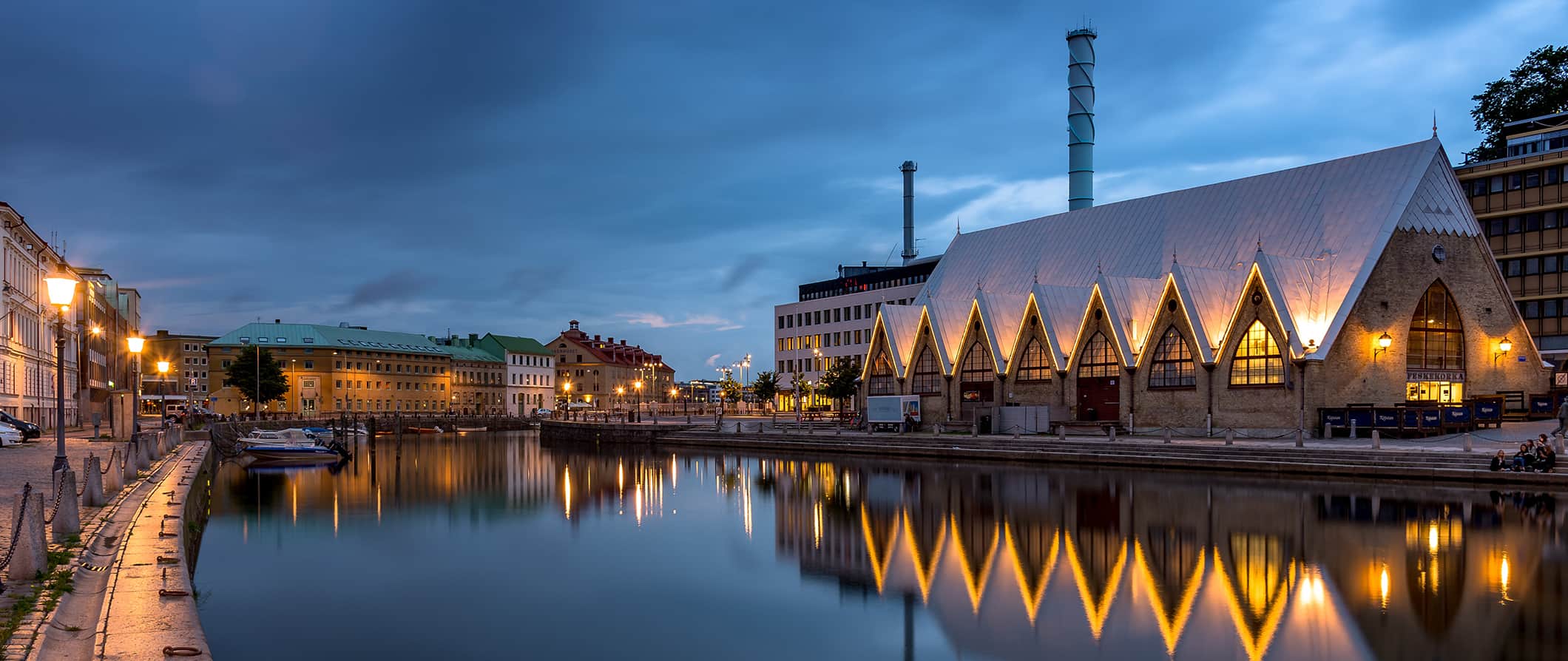
The second biggest city in Sweden, Gothenburg (Göteborg), is a dynamic coastal destination that perfectly balances industrial strength, cultural richness, and natural beauty. Located on Sweden’s west coast, this vibrant city has evolved from a historic trading hub into a modern global centre for innovation, sustainability, and tourism. With a population of approximately 649,847 in 2026, Gothenburg continues to grow steadily, attracting both residents and visitors worldwide.
Unlike Stockholm’s fast-paced capital environment, the second biggest city in Sweden offers a more relaxed yet equally engaging atmosphere. From world-class museums and culinary experiences to scenic canals and archipelagos, Gothenburg provides a wide range of experiences. This article explores 17 compelling reasons why the second biggest city in Sweden stands out as one of Scandinavia’s most exciting urban destinations.
This post contains affiliate links. If you choose to book through them, a small commission may be earned at no additional cost to you. Your support genuinely helps keep the blog running and allows continued creation of high-quality travel guides. Thank you for being here and supporting this journey.
1. A Major Urban Hub
Gothenburg serves as Sweden’s second-largest urban centre with over 600,000 residents in the city and around 1.1 million in the metro region, making it a key population hub.
It plays a crucial role in balancing Sweden’s urban development alongside Stockholm. The city functions as a major centre for business, education, and culture. Its steady expansion and infrastructure development highlight its importance in national planning, making it one of the most strategically significant cities in Scandinavia today.
2. Scandinavia’s Largest Port
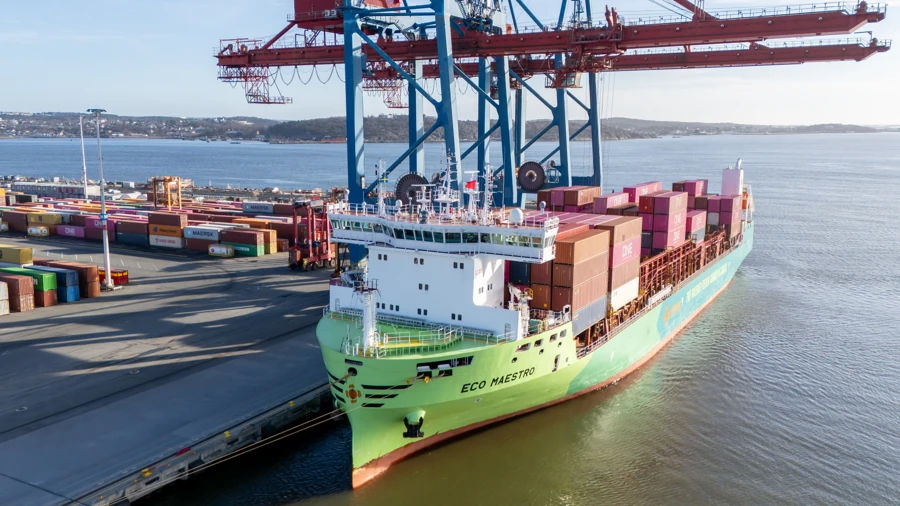
The second biggest city in Sweden hosts the Port of Gothenburg, the largest in Scandinavia, handling nearly 40 million tonnes of goods annually.
It manages around 30% of Sweden’s foreign trade, making it essential for imports and exports. The port connects to over 140 global destinations and supports thousands of jobs. Its strategic location near major European routes strengthens Gothenburg’s position as a logistics powerhouse and a vital gateway for Nordic trade and economic activity.
3. Strong Economic Powerhouse
Gothenburg has a metropolitan GDP of approximately €79 billion, reflecting its strong economic position in Sweden.
Major corporations such as Volvo, SKF, and Ericsson operate here, driving innovation and employment. The city’s economy is diversified across manufacturing, automotive, and technology sectors. This industrial strength makes Gothenburg a vital contributor to Sweden’s national economy and a competitive player in the global market.
4. A Leader in Sustainability
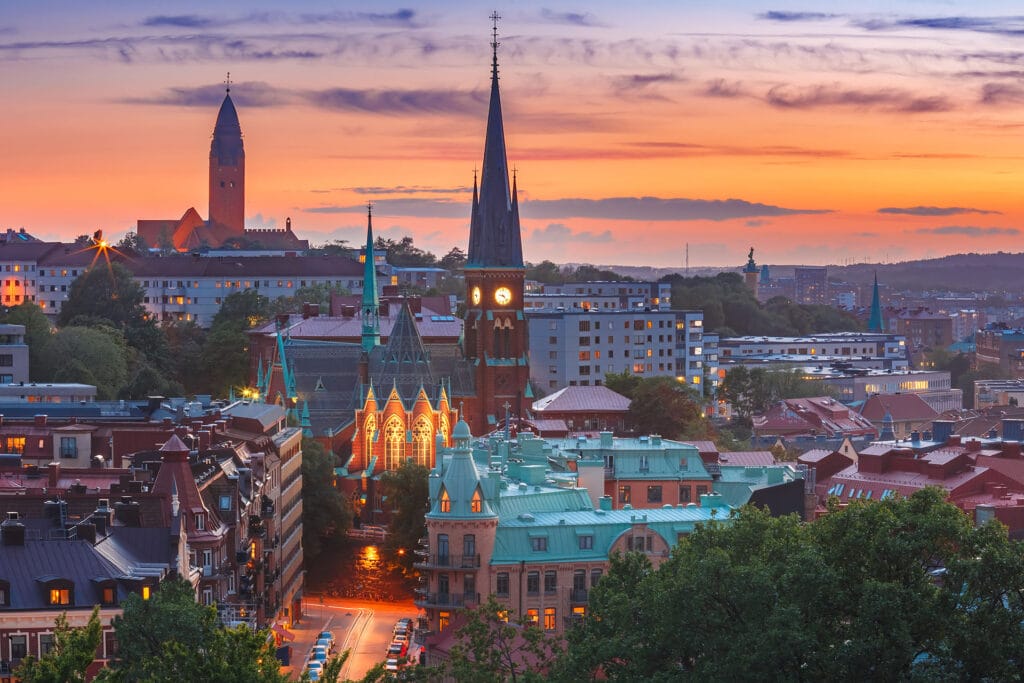
The second biggest city in Sweden has been ranked among the world’s most sustainable destinations for several consecutive years.
It has consistently scored above 90% in sustainability indices, focusing on renewable energy, green transport, and waste reduction. Gothenburg was also among the first cities to issue green bonds. These initiatives position it as a global leader in sustainable urban development and a model for environmentally conscious city planning.
5. Rapid Population Growth
Gothenburg continues to grow steadily, with projections indicating an increase of over 150,000 residents in the coming years.
This growth reflects its attractiveness as a place to live and work. Migration, education opportunities, and job availability contribute to this rise. The city’s infrastructure is continuously evolving to accommodate this expansion, ensuring a balance between urban development and quality of life for its residents.
6. A Thriving Job Market
The second biggest city in Sweden offers a strong labour market with high employment across industries such as logistics, engineering, and IT.
It is home to over 2,300 foreign-owned companies and thousands of startups.
The presence of multinational firms and research institutions creates diverse job opportunities. This economic diversity ensures stability and growth, making Gothenburg an attractive destination for professionals and international talent.
7. A Global Logistics Hub
Gothenburg’s location between Oslo and Copenhagen makes it a strategic logistics centre. Around 70% of Scandinavia’s industrial capacity lies within a 500 km radius.
Its connectivity through sea, rail, and road networks enhances efficiency in trade and transport. The city’s infrastructure supports large-scale cargo movement, reinforcing its importance in European logistics and making it a central node in global supply chains.
8. Rich Maritime Heritage
The second biggest city in Sweden has a long history in shipbuilding and maritime trade.
It was once home to one of the world’s largest shipbuilding industries.
Today, this legacy continues through advanced marine technology and sustainable shipping initiatives. Maritime heritage remains a key part of Gothenburg’s identity, influencing its economy and cultural landscape while shaping its role as a global port city.
9. A Cultural Powerhouse
Gothenburg hosts major cultural events like the Gothenburg Film Festival, the largest in Scandinavia.
The city offers theatres, music venues, and museums that attract international audiences. Its cultural diversity reflects its global connections. Festivals, art exhibitions, and live performances contribute to a vibrant cultural scene, making it a hub for creativity and artistic expression in Northern Europe.
10. Green Spaces and Liveability
The second biggest city in Sweden is known for its high quality of life, with extensive parks and waterfront areas.
It consistently ranks among Europe’s most liveable cities.
Residents enjoy access to nature, clean air, and recreational spaces. This balance between urban life and greenery enhances wellbeing, making Gothenburg an attractive destination for both residents and tourists seeking a relaxed yet modern lifestyle.
11. A Centre for Education
Gothenburg is home to top institutions like the University of Gothenburg and Chalmers University of Technology.
Together, they host tens of thousands of students and contribute to research and innovation.
The city’s academic environment supports global talent and collaboration, making it a leading educational hub in Scandinavia and a key driver of knowledge-based industries.
12. A Diverse International Community
The second biggest city in Sweden has a multicultural population, with around one in five residents born abroad.
This diversity enriches its culture, cuisine, and social environment. International communities contribute to innovation and economic growth. Gothenburg’s inclusive atmosphere makes it welcoming for expatriates and students, enhancing its global appeal and cultural vibrancy.
13. Tourism and Hospitality Growth
Gothenburg records over 5 million commercial guest nights annually, highlighting its growing tourism sector.
Visitors are attracted by its museums, archipelago, and culinary scene. The city’s focus on sustainable tourism further boosts its reputation. This steady growth reflects its increasing popularity as a travel destination in Scandinavia.
14. Innovation and Technology Hub
The second biggest city in Sweden is recognised as a leading innovation region in Europe.
It excels in automotive technology, AI, and green energy solutions. Collaboration between universities and industries drives research and development. This innovation ecosystem strengthens Gothenburg’s global competitiveness and positions it as a future-ready city.
15. A Strong Entrepreneurial Ecosystem
Gothenburg has a thriving startup culture supported by incubators and funding initiatives.
Thousands of new businesses are established annually, contributing to economic growth.
Entrepreneurs benefit from strong networks and government support, making the city a hotspot for innovation and business development in Sweden.
16. High Quality of Life
The second biggest city in Sweden consistently ranks high for lifestyle and human capital.
It offers excellent healthcare, education, and public services. Combined with safety and work-life balance, these factors make it attractive for residents. The city’s commitment to sustainability and inclusivity further enhances its living standards.
17. A Gateway to Nature
Gothenburg provides easy access to stunning coastal landscapes and the archipelago.
Residents can enjoy activities like sailing, hiking, and island hopping within minutes of the city.
This proximity to nature enhances its appeal, offering a perfect balance between urban living and outdoor adventure, making it one of Scandinavia’s most unique destinations.
Final Thoughts
The second biggest city in Sweden is far more than just a secondary urban centre—it is a thriving, forward-thinking city that competes globally in sustainability, innovation, and quality of life. With its strong economy, rich cultural heritage, and exceptional liveability, Gothenburg continues to attract attention as one of Scandinavia’s most dynamic destinations.
From its bustling port and industrial legacy to its modern tech scene and green initiatives, the second biggest city in Sweden offers a well-rounded urban experience. Whether for travel, study, or business, Gothenburg stands as a powerful example of how cities can grow sustainably while maintaining a high quality of life.

Comments 0
Only approved comments are shown here.