
Dublin doesn’t just have music—it lives and breathes it, from centuries-old trad sessions in pubs like The Cobblestone and O’Donoghue’s Pub to world-class performances in venues such as 3Arena and the Olympia Theatre. The city’s musical identity is deeply rooted in history—U2 famously began their journey in a Dublin school in 1976, later shaping the global rock scene . Temple Bar, once a bohemian quarter
filled with artists and galleries, evolved into a vibrant cultural hub where live music fills the streets daily .
Whether it’s intimate acoustic sessions or large-scale performances, music in Dublin Ireland offers a raw, immersive experience. At the same time, concerts in Dublin draw global audiences, with international artists regularly performing across the city. This dynamic mix of tradition and modern sound makes Dublin one of Europe’s most compelling music destinations.
Also Read – Art Museums in Ireland – 12 Best Dublin Museums to Visit
1. Traditional Irish Music in Dublin Pubs
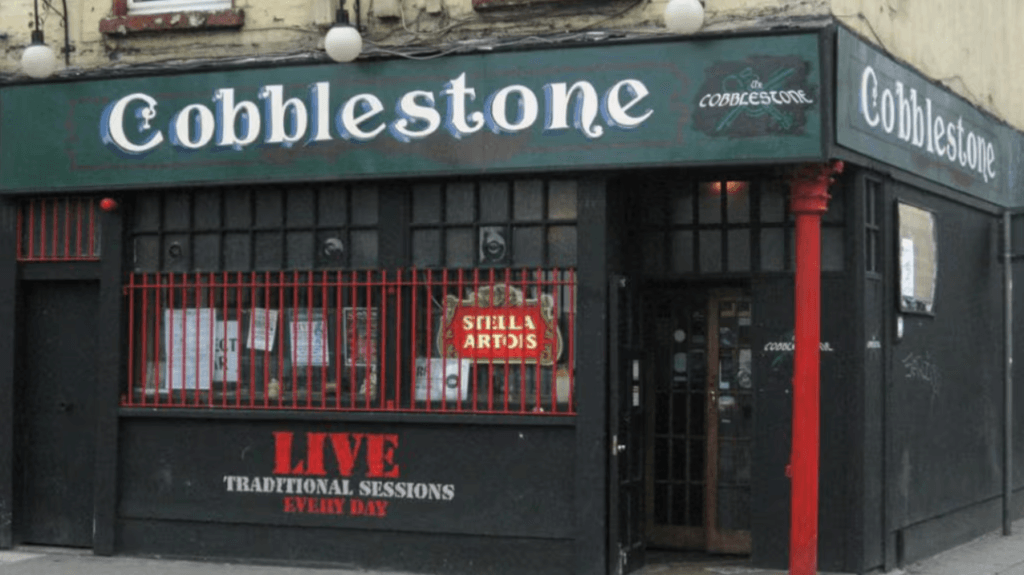
The soul of music in Dublin, Ireland, is found inside its traditional pubs, where “trad sessions” happen organically rather than as staged performances. Venues like The Cobblestone in Smithfield are known for preserving authentic sessions where musicians gather in circles, playing fiddle, bodhrán, and uilleann pipes without amplification.
O’Donoghue’s on Merrion Row is legendary—this is where The Dubliners first performed regularly, shaping Irish folk music history. Devitt’s Pub offers a slightly more curated but still intimate experience, ideal for visitors.
What makes it special:
- No fixed setlist—music flows naturally
- Musicians often rotate mid-session
- Audience participation is encouraged
These sessions are not performances—they are shared cultural moments, making them one of the most authentic experiences in Dublin.
Also Read – 14 Best Dublin Pubs That Will Make You Wish You Had More Time!
2. Iconic Live Music Venues in Dublin
Dublin’s mid-sized venues define the energy of concerts in Dublin, offering close-up performances that feel personal and immersive. Whelan’s on Wexford Street is perhaps the most iconic, hosting global artists like Ed Sheeran and Arctic Monkeys early in their careers .
The Olympia Theatre on Dame Street, opened in 1879, blends historic architecture with modern performances and has hosted legends like David Bowie and Adele .
The Workman’s Club near the Ha’penny Bridge offers a more indie vibe, while The Grand Social is known for its strong sound system and eclectic lineup.
Why these venues stand out:
- Intimate crowd sizes
- Strong connection between artist and audience
- Mix of local and international acts
These spaces are where Dublin’s modern music identity truly thrives.
Also Read – 10 Top Music Festivals in California You Must Experience (2026 Guide)
3. Major Concert Arenas & Stadium Shows
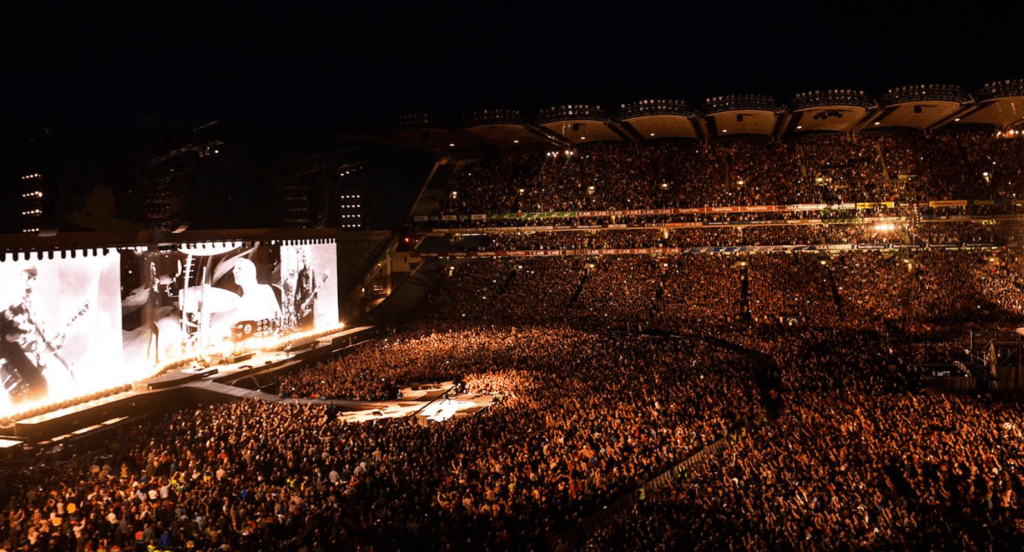
For large-scale performances, Dublin hosts some of Europe’s biggest concerts in Dublin, attracting global artists and massive audiences. The 3Arena, located in the Docklands, is the city’s premier indoor venue, known for hosting international tours.
Croke Park, primarily a Gaelic sports stadium, transforms into a concert venue for artists like U2 and Coldplay, with crowds exceeding 80,000.
The Aviva Stadium offers a more modern setting for major events, combining sport and music.
What to expect:
- World-class sound and lighting production
- Large crowds with electric energy
- International headline acts
These venues showcase Dublin’s global music appeal while maintaining its vibrant atmosphere.
4. The National Concert Hall Experience
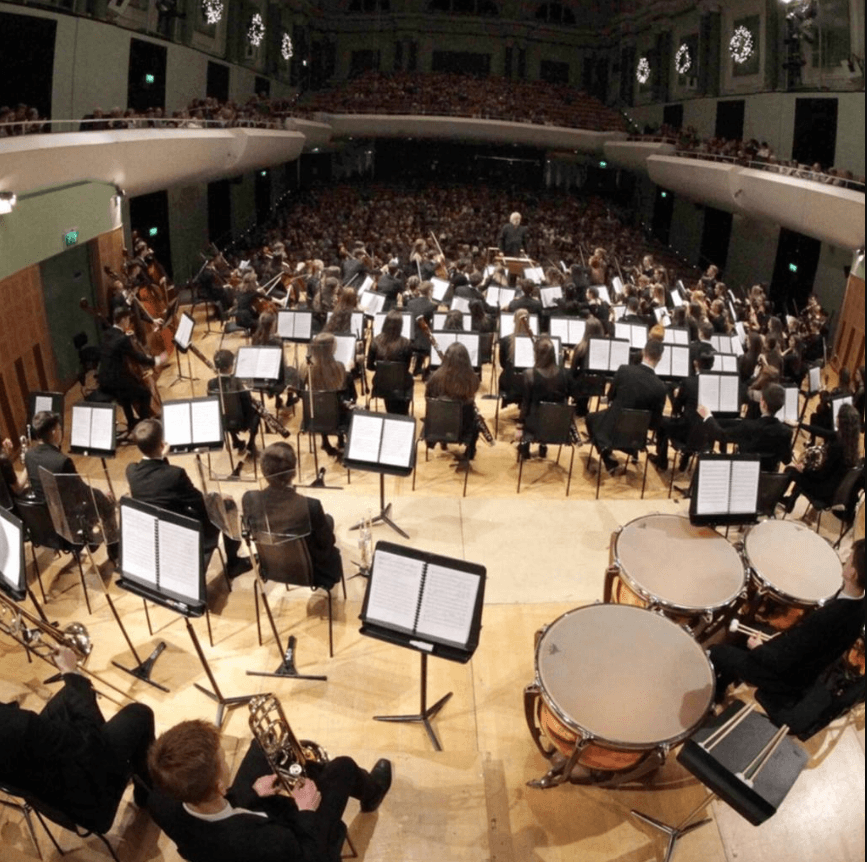
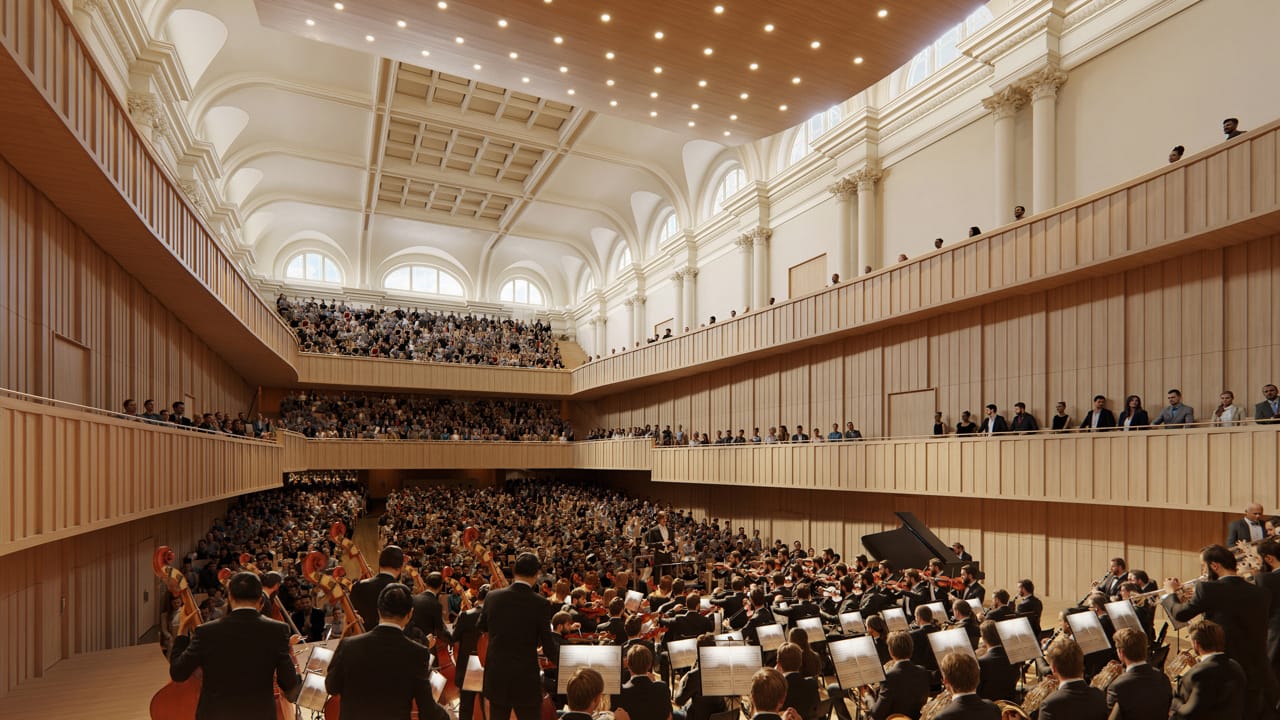
For a refined experience, the National Concert Hall reveals a sophisticated side of music in Dublin Ireland, far removed from pub sessions and nightlife. Located on Earlsfort Terrace beside the Iveagh Gardens, it is officially recognised as Ireland’s “home of music,” hosting over 1,000 events annually across multiple performance spaces.
The Main Auditorium seats around 1,200 guests and is designed for acoustic precision, allowing orchestral sound to remain clear and balanced from front row to balcony. It is home to the National Symphony Orchestra Ireland, one of the country’s leading classical ensembles.
What makes it special:
- Intimate recital rooms like the Kevin Barry Room for chamber music
- International concert series featuring global soloists and conductors
- Modern sound engineering enhancing clarity without overpowering natural acoustics
This venue offers a deeply immersive, almost cinematic listening experience—perfect for those who appreciate detail, atmosphere, and musical depth.
5. Street Music & Busking Culture
Street performances are a defining part of music in Dublin Ireland, especially along Grafton Street. This pedestrian area has launched the careers of artists like Glen Hansard and Damien Rice.
Buskers perform everything from acoustic covers to original compositions, often drawing crowds that turn sidewalks into mini concert spaces.
Where to go:
- Grafton Street (main hotspot)
- Temple Bar streets
- Henry Street
What makes it unique:
- Performances change daily
- Direct interaction with artists
- Free and accessible music
It’s one of the most spontaneous ways to experience Dublin’s musical creativity.
6. Indie & Alternative Music Scene
Dublin’s indie and alternative circuit is a driving force behind concerts in Dublin, offering a space where new sounds are tested and future stars emerge. The Workman’s Club on Wellington Quay is a multi-level venue with a rooftop terrace and multiple rooms, hosting everything from indie rock gigs to late-night DJ sets in a creative, open environment .
Nearby, The Grand Social on Liffey Street stands out for its strong acoustics and diverse programming, regularly featuring rising Irish acts alongside international performers in its ballroom and loft spaces . The Sound House offers a more intimate, boutique setting with a capacity of around 300, making it ideal for discovering underground talent up close .
What defines this scene:
- Close interaction between artists and audience
- Constant rotation of emerging Irish talent
- A mix of genres from alt-rock to experimental electronic
This scene keeps Dublin’s musical identity fresh, raw, and constantly evolving.
7. Temple Bar Live Music Nights
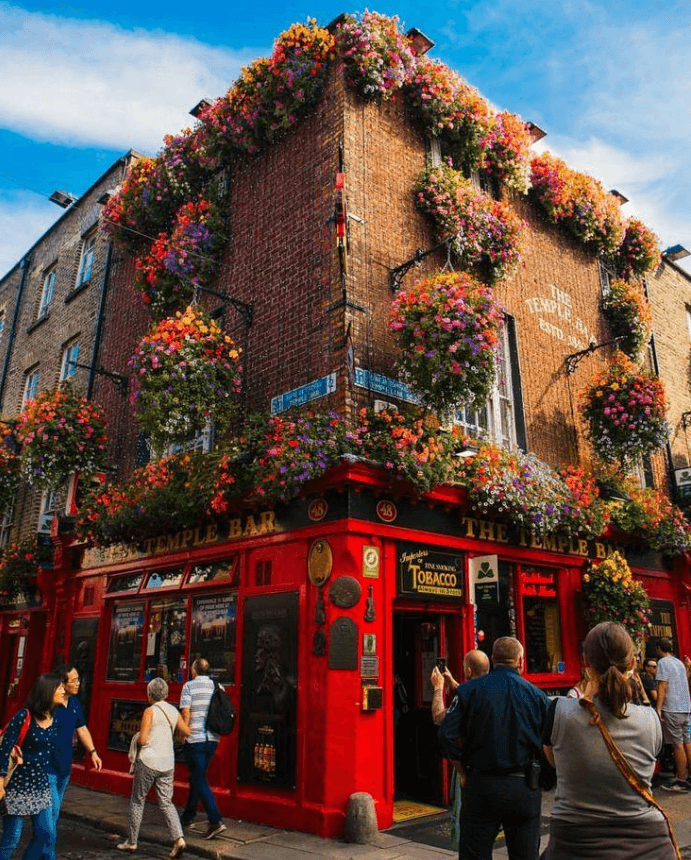
Temple Bar transforms every evening into a vibrant showcase of music in Dublin Ireland, where nearly every pub hosts live performances from early evening until late night. Venues like Oliver St. John Gogarty’s are famous for multi-level stages where traditional Irish bands perform continuously, often rotating musicians throughout the night.
The Auld Dubliner offers a slightly more relaxed vibe, blending folk tunes with contemporary covers, while The Temple Bar Pub itself delivers high-energy performances with professional bands.
What makes it special:
- Live music starts as early as 2 PM in some venues
- Multiple genres—from trad to rock covers
- Musicians often interact directly with the crowd
The streets outside are equally alive, with buskers adding to the atmosphere. Despite its popularity, the energy here feels authentic—loud, joyful, and deeply rooted in Irish culture.
Also Read – Things to Do in Dublin – 15 Best Dublin Ireland Attractions & Activities
8. Music Festivals in Dublin
Dublin’s festival calendar plays a major role in shaping concerts in Dublin, bringing together global artists and local talent across multiple genres. Longitude Festival, held in Marlay Park, attracts major international acts in hip-hop, pop, and electronic music, drawing thousands each summer.
TradFest, hosted across venues like Dublin Castle and St. Patrick’s Cathedral, celebrates Irish folk traditions with performances in historic settings. Forbidden Fruit Festival, located at the Royal Hospital Kilmainham, blends indie, electronic, and experimental sounds in a creative outdoor environment.
Why festivals stand out:
- Multi-stage performances in unique locations
- Mix of emerging and established artists
- Strong community atmosphere
These festivals transform Dublin into a city-wide celebration of music, offering immersive experiences beyond standard concerts.
9. Jazz & Blues Scene
The jazz and blues scene adds a refined layer to music in Dublin Ireland, offering intimate performances that feel worlds apart from the city’s louder venues. Arthur’s Blues & Jazz Club on Thomas Street is one of the most respected spaces, hosting nightly sessions where musicians perform everything from classic standards to modern improvisations.
Unlike large concerts in Dublin, these venues focus on closeness and clarity—audiences sit just metres from performers, creating a deeply personal connection. The candlelit setting and compact layout enhance the atmosphere, allowing every note to resonate fully.
What defines the experience:
- Small, attentive audiences
- Live improvisation and technical mastery
- A mix of Irish and international talent
This scene offers a slower, more immersive way to experience Dublin’s musical depth.
10. Late-Night Music & DJ Culture
Dublin’s electronic scene represents the modern evolution of music in Dublin Ireland, where late-night venues transform into high-energy spaces driven by DJs and immersive sound. Clubs like Index Dublin are internationally recognised for their industrial-style interiors and powerful sound systems, attracting top techno and house artists.
Unlike traditional gigs or concerts in Dublin, these events focus on atmosphere—lighting, visuals, and rhythm combine to create a fully sensory experience. Wigwam offers a more eclectic mix, blending live sets with DJ performances in a creative, underground setting.
What to expect:
- Events running into early morning hours
- Genres like techno, house, and electronic
- Strong emphasis on sound quality and visuals
This scene highlights Dublin’s ability to evolve while staying rooted in its musical identity.
11. Music-Themed Walking Tours
Music walking tours offer a deeper understanding of music in Dublin Ireland, connecting the city’s streets with its legendary artists and cultural evolution. Guided routes often include Windmill Lane Studios, where U2 recorded iconic albums, and the Phil Lynott statue on Harry Street, honouring Thin Lizzy’s frontman.
These tours differ from standard concerts in Dublin by focusing on storytelling—guides share personal anecdotes, industry insights, and the historical context behind Dublin’s global music influence.
Highlights include:
- Visiting key recording studios and performance sites
- Learning about artists like U2, Hozier, and Sinéad O’Connor
- Understanding how Dublin shaped modern music
This experience turns the city itself into a stage, offering a narrative journey through its musical legacy.
12. Unique Cultural Music Experiences
For a deeper cultural connection, immersive shows combine storytelling, dance, and music in Dublin Ireland into a single experience. The Irish House Party, held in an elegant Georgian townhouse, recreates a traditional gathering with live musicians, humour, and audience interaction.
Unlike typical concerts in Dublin, these performances are narrative-driven, blending folklore, history, and music into a cohesive experience. Celtic Nights offers a more theatrical approach, with choreographed dance and dramatic lighting enhancing traditional sounds.
What makes them unique:
- Interactive and intimate performances
- Strong storytelling rooted in Irish heritage
- Combination of music, dance, and humour
These experiences go beyond entertainment, offering a meaningful and memorable insight into Ireland’s cultural identity.
Final Thoughts
Dublin’s music scene is not confined to stages—it flows through its streets, pubs, and everyday life, creating a rhythm that feels both timeless and alive. From spontaneous busking on Grafton Street to packed venues hosting global artists, the city offers a constant soundtrack shaped by history and modern creativity. Live music is deeply embedded in Dublin’s culture, with performances happening across venues, streets, and social spaces throughout the city .
What makes music in Dublin, Ireland, truly special is the connection it creates—between artist and audience, tradition and innovation, locals and travellers. Every note feels personal, every performance shared. It’s not just something you listen to; it’s something you experience, carry with you, and remember long after leaving the city.