
Planning your dream getaway to Thailand? Discover the best time to visit for an unforgettable experience filled with vibrant culture, stunning beaches, and exquisite cuisine.
Overview of Thailand's Climate
Thailand, known for its tropical climate, is a year-round destination that promises warmth, sunshine, and occasional downpours. Understanding the nuances of Thailand’s climate is essential to making the most of your trip. The country experiences three main seasons: the hot season, the rainy season, and the cool season. Each of these seasons brings unique elements that can significantly influence your travel experience.
The hot season, spanning from March to June, is characterized by high temperatures that frequently soar above 35°C (95°F). This period is often marked by dry conditions, making it suitable for beach activities and water sports. However, the intense heat can also be overwhelming for some travelers, particularly those unaccustomed to tropical climates.
From July to October, Thailand enters its rainy season, where the monsoon rains bring lush greenery and a burst of life to the landscapes. While the rains can be heavy, they are usually short-lived, often occurring in the late afternoon or evening. The cool season, which lasts from November to February, is considered the most pleasant time to visit, with temperatures ranging from 20°C to 30°C (68°F to 86°F) and minimal rainfall.
Seasonal Breakdown: When to Visit Thailand
Deciding the best time to visit Thailand depends on your preferences and what you aim to experience during your trip. The hot season from March to June is perfect for those who love the sun and are looking to enjoy Thailand’s renowned beaches. The weather is generally dry, and the clear skies make for breathtaking sunsets. However, it’s important to stay hydrated and protect yourself from the sun.
The rainy season, from July to October, offers a different kind of charm. The countryside transforms into a lush, green paradise, and the tourist spots are less crowded. Despite the occasional downpours, many travelers find this season appealing due to the lower costs and the serene environment. Proper planning can ensure that the rains don’t dampen your travel plans.
The cool season, from November to February, is widely regarded as the best time to visit Thailand. The weather is comfortable, with cooler temperatures and low humidity. This season is ideal for exploring the cultural sites, engaging in outdoor activities, and enjoying the various festivals that take place during this period. It’s also the peak tourist season, so early bookings are recommended.
The Best Time for Beach Lovers

Beach enthusiasts will find Thailand’s coastal regions irresistible, with their crystal-clear waters, vibrant marine life, and pristine sands. To maximize your beach experience, the hot season (March to June) is the most suitable time. Popular beach destinations such as Phuket, Krabi, and Koh Samui offer perfect conditions for sunbathing, swimming, and other water activities.
During this period, the sea is calm, making it ideal for snorkeling and diving. The visibility underwater is excellent, allowing you to explore the stunning coral reefs and encounter diverse marine species. Beach parties and events are frequent, adding to the lively atmosphere. The coastal areas are bustling with activity, ensuring you have a memorable seaside experience.
While the hot season is prime for beaches, the cool season (November to February) also offers great beach weather. The temperatures are moderate, and the humidity is lower, providing a comfortable environment for relaxation and adventure alike. This period is perfect for those who prefer a more temperate climate while still enjoying the beauty of Thailand’s shores.
Ideal Months for Cultural Experiences
Thailand’s rich cultural heritage is a major draw for travelers from around the globe. To fully immerse yourself in the country’s traditions and historical sites, the cool season (November to February) is the best time. The pleasant weather makes it easier to explore outdoor attractions such as ancient temples, bustling markets, and historical landmarks.
Cities like Bangkok, Chiang Mai, and Ayutthaya are brimming with cultural treasures. The cooler temperatures allow for comfortable walks through these cities, where you can visit grand palaces, intricate temples, and vibrant street markets. This season also coincides with several important cultural festivals, providing an authentic experience of Thai customs and celebrations.
March to June can also be a good time for cultural exploration, especially if you’re interested in local festivals and events. While the heat can be intense, early morning and evening visits to cultural sites can be enjoyable. The rainy season, though less popular for cultural tourism, offers unique experiences such as witnessing the countryside’s transformation and engaging with local communities in a quieter setting.
Festivals and Events: When to Experience Thai Culture

Thailand’s calendar is filled with colorful festivals and events that offer a glimpse into its vibrant culture. One of the most famous is Songkran, the Thai New Year festival, celebrated in April. Songkran is marked by water fights, parades, and religious ceremonies, making it a fun and immersive experience for visitors. Despite the hot weather, the festivities provide a refreshing break from the heat.
Loy Krathong, celebrated in November, is another must-see event. Known as the Festival of Lights, Loy Krathong involves floating decorative baskets (krathongs) on rivers to pay homage to the water spirits. The sight of thousands of illuminated krathongs drifting along the water is truly magical. This festival coincides with the cool season, adding to the overall pleasant experience.
Other notable events include the Chiang Mai Flower Festival in February, showcasing stunning floral displays and parades, and the Vegetarian Festival in October, celebrated with elaborate processions and culinary delights. Attending these festivals not only enriches your cultural understanding but also provides a chance to interact with locals and participate in traditional practices.
Weather Considerations: Rainy vs. Dry Season
Thailand’s weather can greatly impact your travel plans, and understanding the differences between the rainy and dry seasons is crucial. The dry season, particularly from November to February, offers the most favorable conditions for outdoor activities and sightseeing. The temperatures are mild, and the skies are clear, making it perfect for exploring Thailand’s diverse landscapes.
The rainy season, from July to October, brings frequent showers and thunderstorms. While this might seem like a deterrent, it’s worth noting that the rains often come in short bursts, leaving plenty of time for exploration. The countryside becomes lush and green, providing stunning backdrops for photography and outdoor adventures. Additionally, fewer crowds mean a more tranquil experience.
It’s important to pack appropriately for the season you’re visiting. Lightweight, breathable clothing is ideal for the hot season, while waterproof gear and comfortable footwear are essential for the rainy season. Regardless of when you visit, always be prepared for sudden changes in weather and plan your activities accordingly.
Tourist Crowds: Finding Your Peace in Thailand

Thailand is a popular destination, and tourist crowds can vary significantly depending on the season. The cool season (November to February) is the peak tourist period, attracting visitors from around the world. While this time offers the best weather conditions, it also means that popular attractions can be crowded, and accommodations may be booked well in advance.
For those seeking a more tranquil experience, the rainy season (July to October) is ideal. The tourist numbers are lower, allowing you to enjoy popular sites without the hustle and bustle. This season provides an opportunity to explore Thailand at a slower pace, interact with locals, and experience the country’s natural beauty in quiet solitude.
The hot season (March to June) also sees fewer tourists compared to the cool season. While the heat can be intense, early morning and late afternoon visits to attractions can help avoid the peak temperatures. This period allows for a more relaxed exploration of Thailand’s beaches, cultural sites, and urban areas, with fewer crowds to contend with.
Budgeting Your Trip: Off-Peak vs. Peak Season
Budgeting is a critical aspect of planning any trip, and understanding the cost variations between off-peak and peak seasons can help you make informed decisions. The cool season (November to February) is the peak tourist period, which often translates to higher prices for flights, accommodations, and activities. Early bookings are essential to secure the best deals.
The rainy season (July to October) is considered the off-peak period, offering significant savings on travel expenses. Flights and accommodations are generally cheaper, and many tourist attractions offer discounts to entice visitors. This season is ideal for budget-conscious travelers looking to experience Thailand without breaking the bank.
The hot season (March to June) falls between the peak and off-peak periods, providing a balanced option for those seeking moderate costs. While prices may not be as low as during the rainy season, they are often more affordable than during the cool season. Planning your trip during this time can offer good value while still enjoying favorable weather conditions.
Activities to Enjoy Year-Round
Thailand offers a plethora of activities that can be enjoyed regardless of the season. From exploring ancient temples and vibrant markets to embarking on adventurous treks and indulging in culinary delights, there’s something for every type of traveler. The country’s diverse landscapes and rich culture ensure that you’ll never run out of things to do.
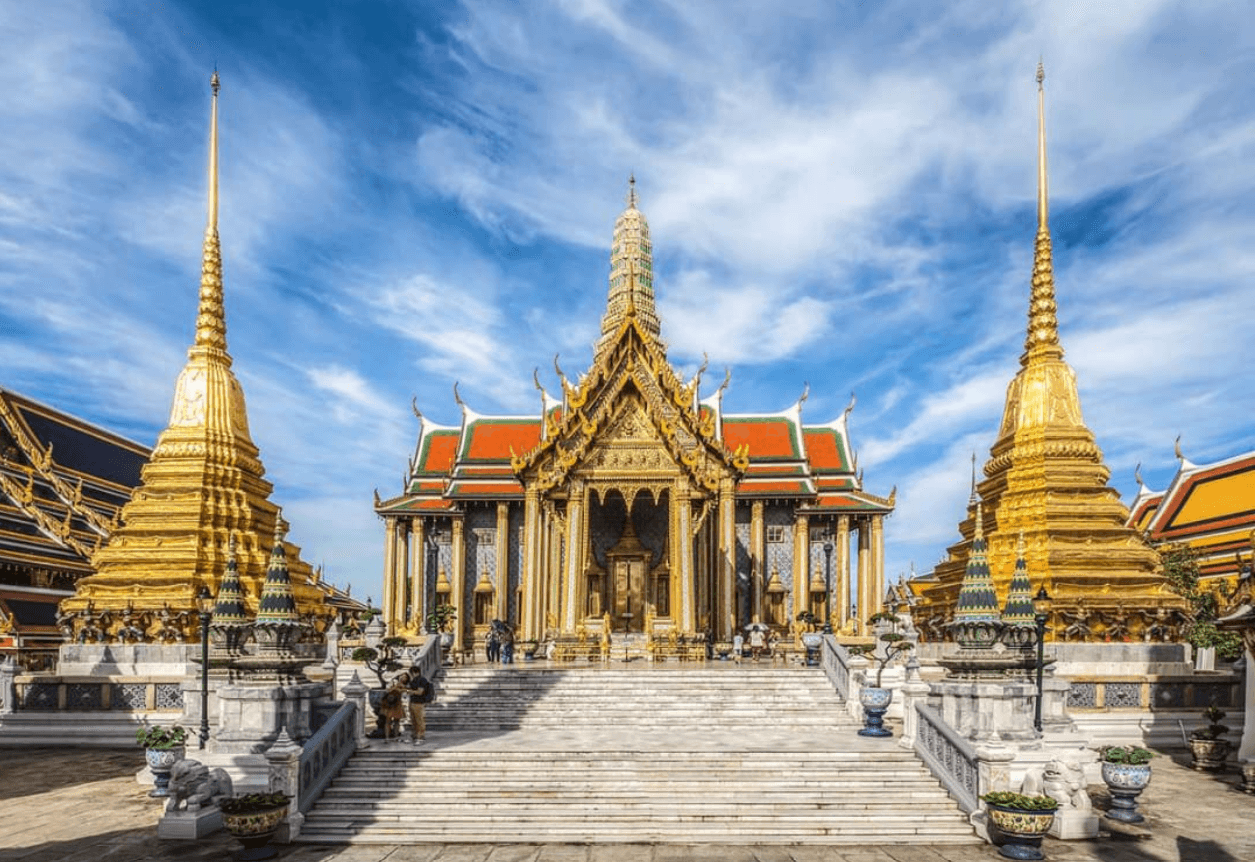
Visiting Thailand’s iconic temples, such as Wat Pho and Wat Arun in Bangkok, is a must. These architectural marvels provide a glimpse into the country’s spiritual heritage and offer serene environments for reflection and admiration. The bustling markets, like Chatuchak Weekend Market, are perfect for shopping, tasting local street food, and soaking in the lively atmosphere.
For adventure seekers, Thailand’s national parks and islands offer endless opportunities for trekking, diving, and snorkeling. The lush jungles of Khao Sok National Park and the underwater wonders of the Similan Islands are just a few examples. Culinary tours and cooking classes are also popular, allowing you to learn about Thai cuisine and savor its unique flavors.

Conclusion: Planning Your Perfect Thai Getaway
Planning a trip to Thailand requires careful consideration of various factors, including climate, seasonal attractions, and budget. By understanding the different seasons and their unique offerings, you can tailor your travel plans to suit your preferences and ensure a memorable experience. Whether you’re drawn to the vibrant beaches, rich cultural heritage, or thrilling adventures, Thailand has something to offer every traveler.
The cool season (November to February) provides the most favorable weather conditions and numerous cultural events, making it ideal for sightseeing and outdoor activities. The hot season (March to June) is perfect for beach lovers and those seeking a lively atmosphere. The rainy season (July to October) offers a tranquil experience with lush landscapes and budget-friendly options.
Regardless of when you choose to visit, Thailand promises an unforgettable journey filled with diverse experiences. From its stunning natural beauty to its warm hospitality, the country will captivate your senses and leave you with lasting memories. So pack your bags, plan your itinerary, and get ready to discover the best time to visit Thailand for your perfect trip.



Comments 0
Only approved comments are shown here.