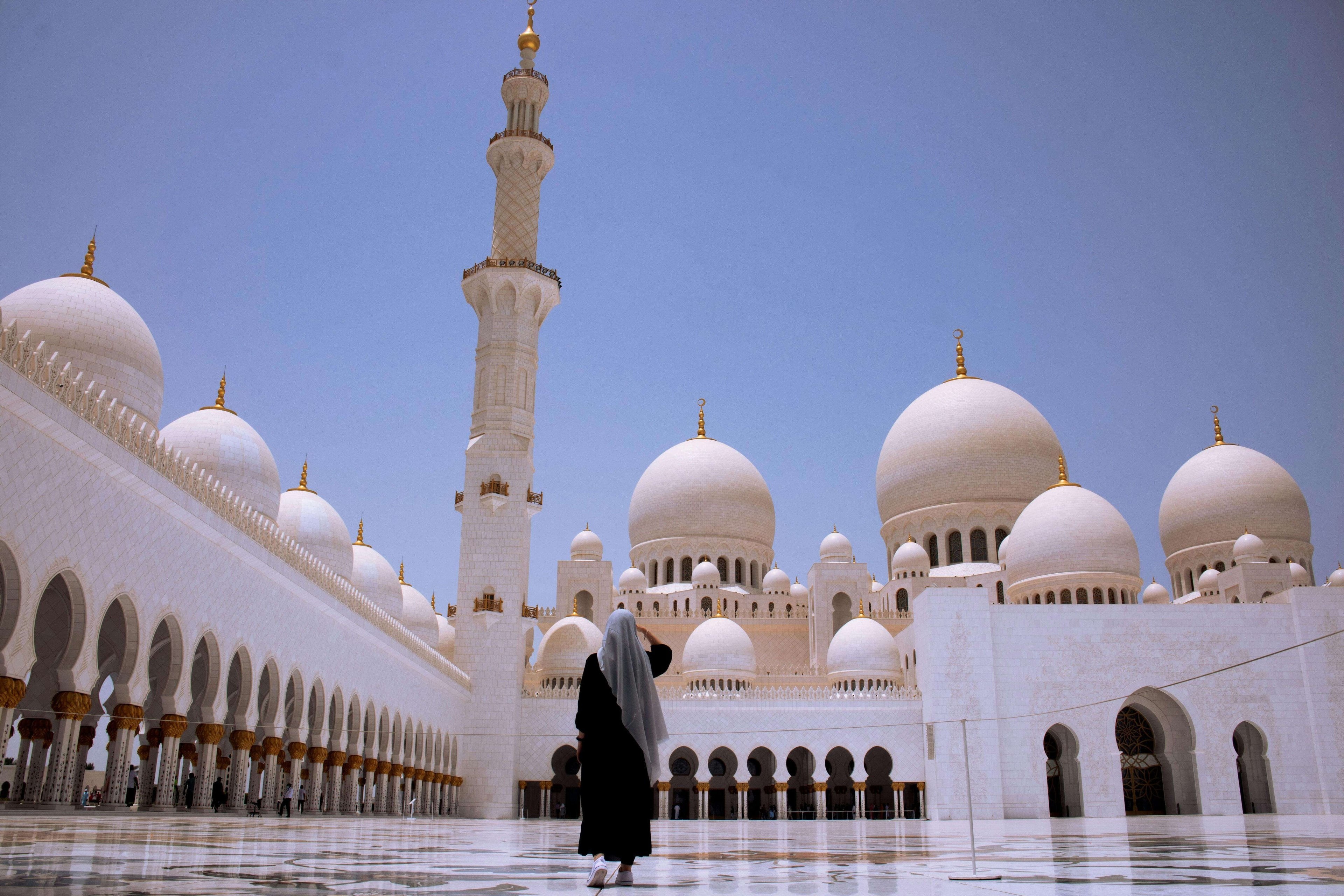

Middle East travel guide cover

Middle East Travel Guide

Explore the Middle East
Advertisement

TraveliciousBites' Middle East Travel Guide covers Dubai's skyline, Jordan's ancient ruins, and Egypt's pyramids that make the Middle East one of the most historically rich regions to explore. Whether you're planning a UAE-focused trip or a longer route through Jordan and Egypt, this guide breaks down when to visit, what to budget, and how the region's diversity spans far more than any single country, based on the same research standards we apply across every destination we cover.

See our dedicated Dubai and Abu Dhabi Travel Guides for city-specific planning in the UAE.

Best Time to Visit the Middle East

November through March delivers the most comfortable temperatures across most of the Middle East, avoiding the extreme summer heat that regularly exceeds 100°F in Dubai, Egypt, and much of the Gulf region. Jordan's Petra and desert regions also benefit from this cooler window, since summer heat makes extensive walking and hiking considerably less comfortable.

Coastal and beach-focused destinations like Dubai still offer warm, pleasant conditions through this same period, making it a genuinely versatile travel season across the region. TraveliciousBites recommends checking each specific country's local calendar for religious holidays like Ramadan, since some businesses and attractions adjust hours significantly during this period.

Middle East weather and seasonal guidesTap to see articles matched to each window

Top Things to Do in the Middle East

  • Dubai and Abu Dhabi

    — modern skylines, desert safaris, and luxury shopping anchor the UAE's most visited cities.

  • Petra, Jordan

    — an ancient city carved into rose-colored rock, one of the world's most significant archaeological sites.

  • The Pyramids of Giza, Egypt

    — Egypt's most iconic landmark, alongside Cairo's Egyptian Museum and Nile River cruises.

  • Wadi Rum, Jordan

    — a dramatic desert landscape popular for overnight camping and jeep tours.

  • The Dead Sea

    — bordering Jordan and Israel, known for its extreme buoyancy and mineral-rich mud.

  • Istanbul, Turkey

    — bridging Europe and Asia, though sometimes categorized separately, it's a common regional add-on for many itineraries.

More Middle East destination guidesTap to see related guides
Middle East accommodation

Where to Stay

TraveliciousBites recommends Dubai or Abu Dhabi as an efficient regional gateway and base for a UAE-focused stay, given both cities' extensive flight connections.

Amman serves as the standard base for exploring Jordan's Petra and Wadi Rum, while Cairo anchors most Egypt-focused itineraries.

Each country requires its own dedicated accommodation strategy given the driving and flight distances between them.

Middle East hotels and places to stayTap to see related guides

Food and Dining

Middle Eastern cuisine shares common threads across the region — hummus, falafel, and grilled meats — while each country adds distinct specialties, from Lebanese mezze to Egyptian koshari and Jordanian mansaf.

Dubai's food scene reflects its international population, offering nearly every world cuisine alongside traditional Emirati dishes.

Street food throughout the region offers some of the most affordable, authentic dining available to travelers.

Middle East food and dining articlesTap to see related guides

Getting There and Around

Direct flights from the US reach major regional hubs like Dubai in 12–14 hours, with connections extending to other Middle Eastern countries from there. Visa requirements vary significantly by country and passport, so confirm requirements for each specific destination well before booking.

Regional flights connect major cities efficiently, given the driving distances and border complexities between some countries. Renting a car works well within single countries like Jordan and the UAE, though crossing borders by land requires additional planning and isn't always straightforward for tourists.

Middle East transport and arrival guidesTap to see related guides

How Much Does a Trip to the Middle East Cost

Budget$1,800–$2,500Egypt-focused route
Luxury$6,000+Dubai luxury hotels & private tours

A 12-day trip covering the UAE and Jordan typically runs $2,500–$4,000 per person mid-range, including flights, accommodation, and guided tours of major sites like Petra. Egypt generally offers strong value relative to the UAE, so a Cairo-focused extension can help balance a Dubai-heavy budget.

Middle East budget and trip-planning articlesTap to see related guides

Local Tips

  • Dress modestly throughout the region, particularly at religious and government sites, regardless of the specific country visited.
  • Confirm each country's visa requirements well before booking, since rules vary significantly even between neighboring nations.
  • Carry a printed itinerary and hotel confirmations, since some countries request this information at border crossings.

Practical Essentials for the Middle East

  • Plug types vary by country, so a universal adapter covers the safest option across a multi-country regional trip.

  • Mobile data works reliably in major cities, with a local or regional SIM card offering affordable coverage.

  • Tipping customs vary by country but generally run appreciated, particularly for guides and drivers on a per-day basis.

  • Tap water safety varies significantly by country, so confirm local guidance and default to bottled water when uncertain.

Advertisement

Latest from Middle East

Frequently Asked Questions About the Middle East

Answers below draw on the same research TraveliciousBites uses across every destination and category guide.

What is the best time of year to visit the Middle East?

November through March offers the most comfortable temperatures across most of the region, avoiding extreme summer heat.

How many days do you need for a Middle East trip?

Plan 10–14 days to cover multiple countries like the UAE and Jordan without rushing.

Do I need a visa for Middle East countries?

Visa requirements vary significantly by country and passport, so confirm requirements for each specific destination well before booking.

Is Petra worth visiting?

Yes, Petra's ancient city carved into rose-colored rock ranks among the world's most significant archaeological sites and a highlight of any Jordan trip.

Is it safe to travel in the Middle East?

Safety varies significantly by specific country and region, so research current conditions for each destination on your itinerary before booking.

What should I wear in the Middle East?

Dress modestly throughout the region, particularly at religious and government sites, regardless of the specific country visited.

Can I combine the UAE and Jordan in one trip?

Yes, a 12–14 day trip combining the UAE and Jordan is a popular route, connected by regional flights between the two countries.

Is tap water safe to drink in the Middle East?

Tap water safety varies significantly by country, so confirm local guidance and default to bottled water when uncertain.

What is Middle Eastern food known for?

Middle Eastern cuisine shares common threads like hummus, falafel, and grilled meats, with each country adding distinct regional specialties.

Is the Middle East expensive to visit?

Costs vary significantly by country; a 12-day UAE and Jordan trip typically runs $2,500–$4,000 per person, while Egypt offers relatively better value.

What is Wadi Rum?

Wadi Rum is a dramatic desert landscape in Jordan popular for overnight camping and jeep tours, near Petra.

Should I visit during Ramadan?

Check each country's local calendar for Ramadan, since some businesses and attractions adjust hours significantly during this period.

Are Dubai and Abu Dhabi part of the broader Middle East trip?

Yes, Dubai and Abu Dhabi commonly serve as a regional gateway; see our dedicated guides for each city for specific planning details.

Advertisement