Africa travel guide cover

Africa Travel Guide

Explore Africa
Advertisement

TraveliciousBites' Africa Travel Guide covers the continent's most rewarding regions, from East Africa's safari circuits to North Africa's ancient cities and Southern Africa's coastline. Whether you're planning a wildlife safari, a Sahara desert trip, or a Cape Town city break, this guide breaks down when to go, what it costs, and how to plan a first trip to Africa with confidence, drawing on the same research standards we apply across every destination guide on this site.

Best Time to Visit Africa

Africa's best travel season depends heavily on region and activity. East Africa's dry season, June through October, delivers the clearest wildlife viewing in Kenya and Tanzania, coinciding with the Great Migration's river crossings in the Serengeti and Maasai Mara.

Southern Africa, including South Africa and Botswana, shares a similar dry-season advantage from May through September, when animals cluster around water sources and thinner vegetation makes sightings easier. Victoria Falls, straddling Zambia and Zimbabwe, runs fullest February through May after the rainy season, though the dry season from August through December offers clearer views of the falls themselves and calmer conditions for activities like white-water rafting below them.

North Africa runs on a different calendar entirely: Morocco and Egypt stay most comfortable November through February, avoiding the intense summer heat that makes desert travel and city sightseeing difficult from June through August. Coastal and island destinations like Zanzibar stay warm nearly year-round, though June to October avoids the heaviest rains.

TraveliciousBites recommends matching your travel window to your primary activity rather than picking one continent-wide season.

Africa weather and seasonal guidesTap to see articles matched to each window

Top Destinations and Things to Do

Africa's regions reward different trip styles, and TraveliciousBites' destination guides break each down in full.

  • South Africa

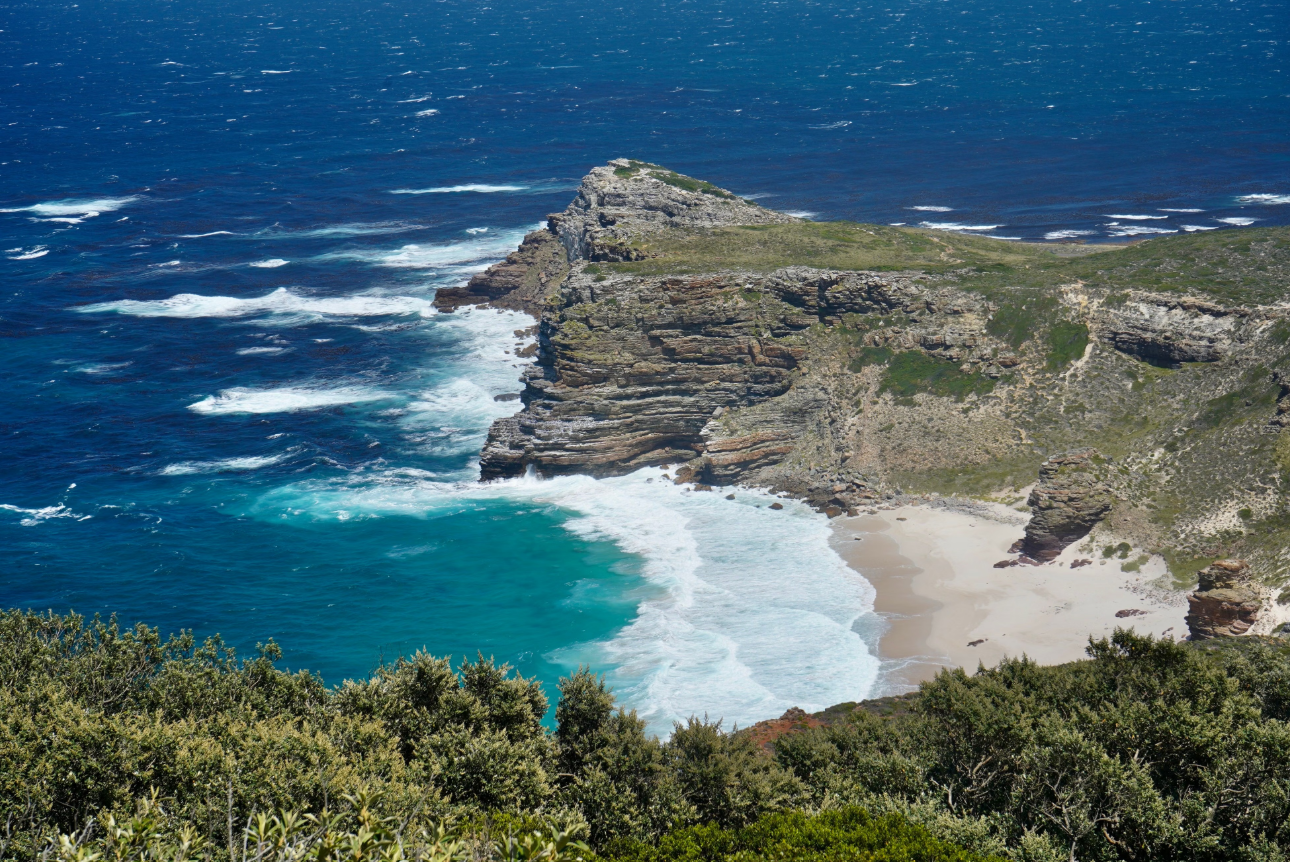
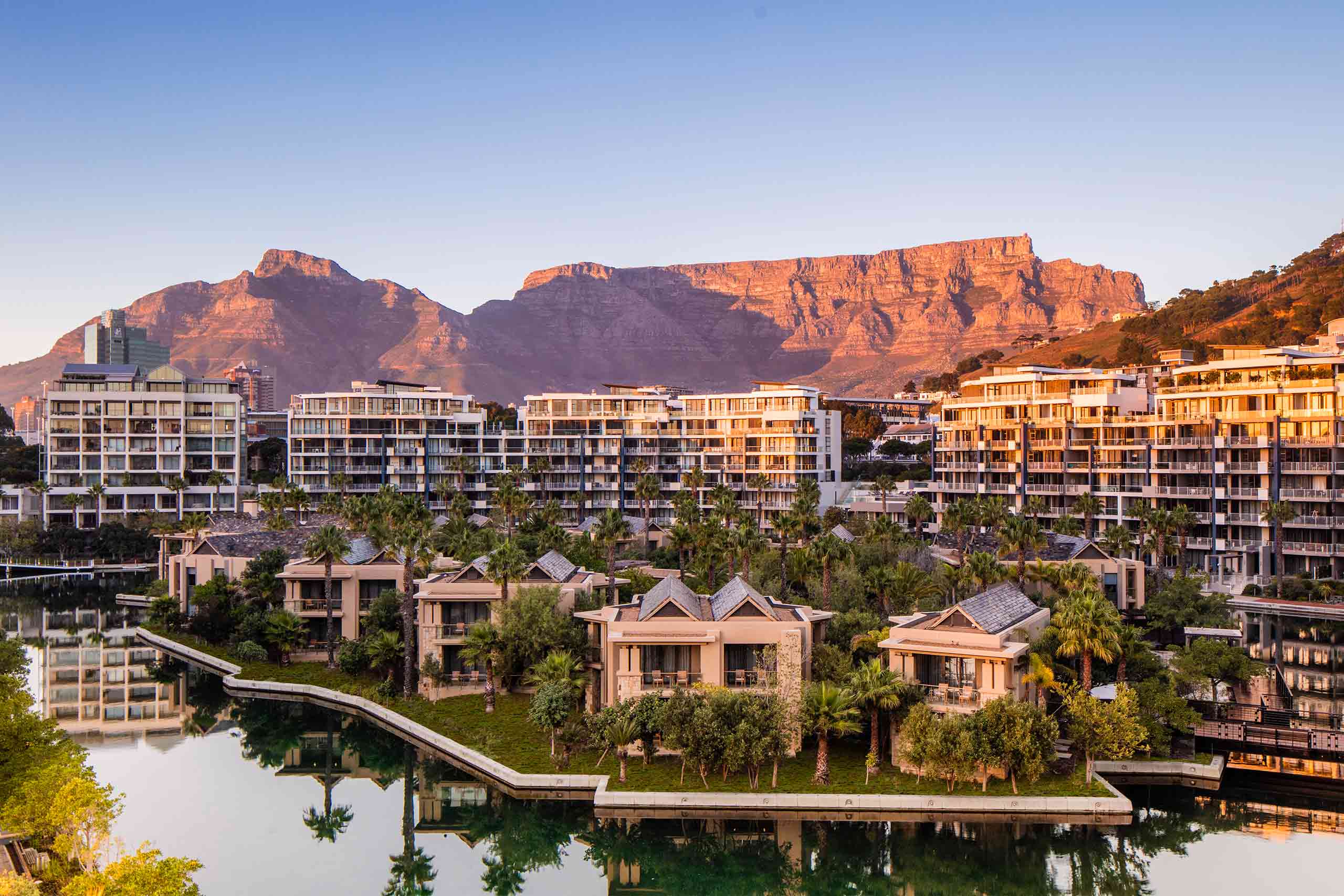
    — Cape Town's coastline pairs with Kruger National Park's safari circuit for a two-region itinerary.

  • Morocco Travel Guide

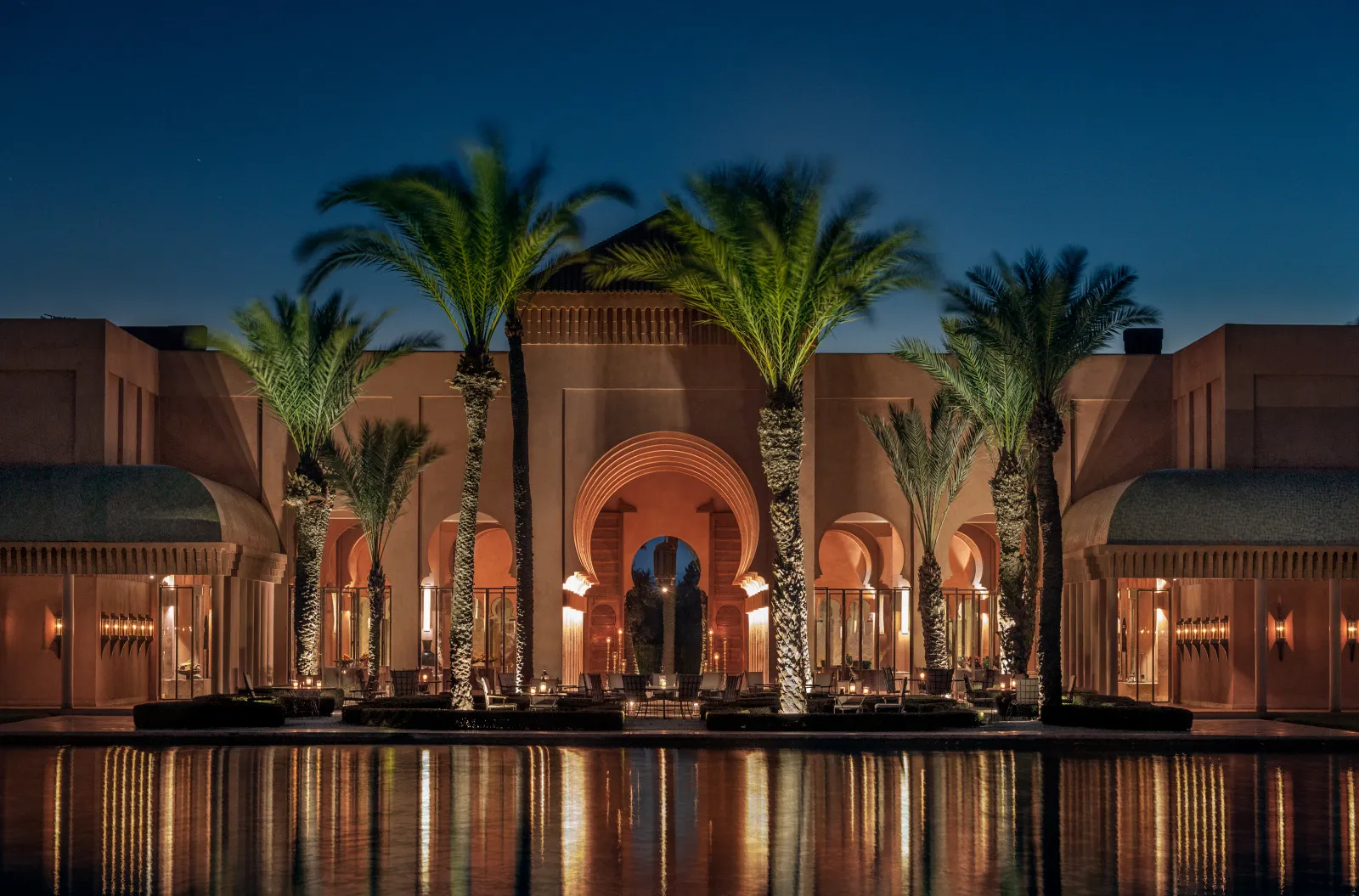
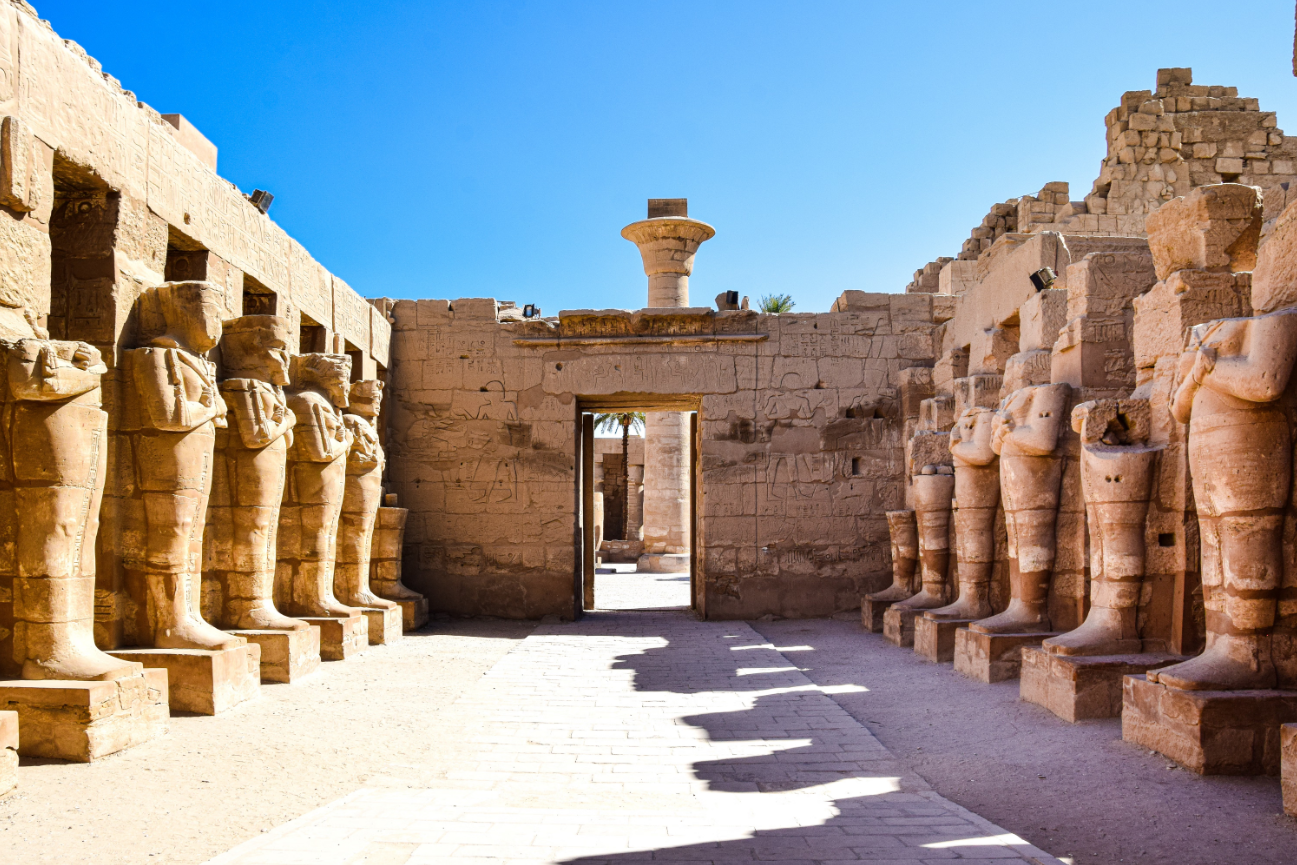
    — Marrakech's medina, the Sahara desert, and the Atlas Mountains anchor North Africa's most popular route.

  • Middle East Travel Guide

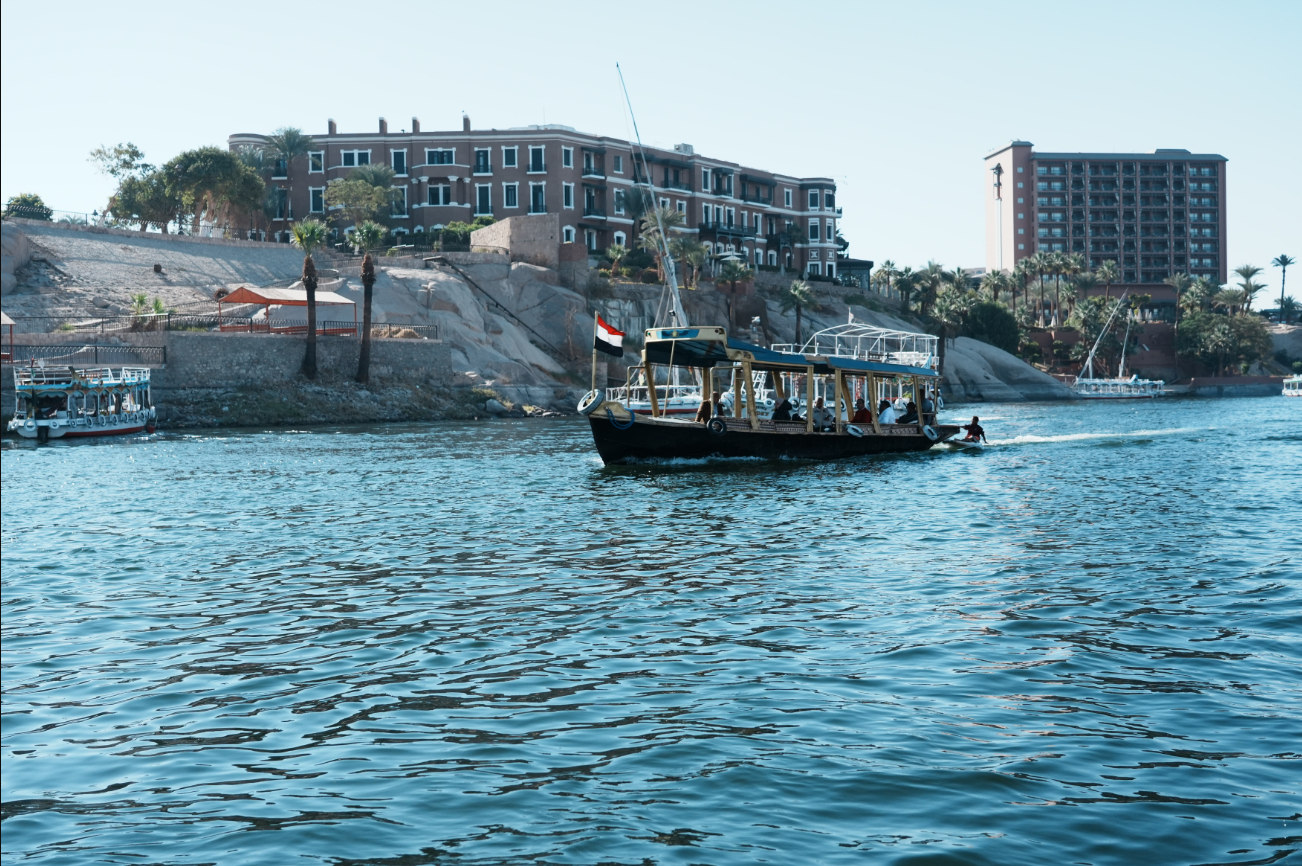
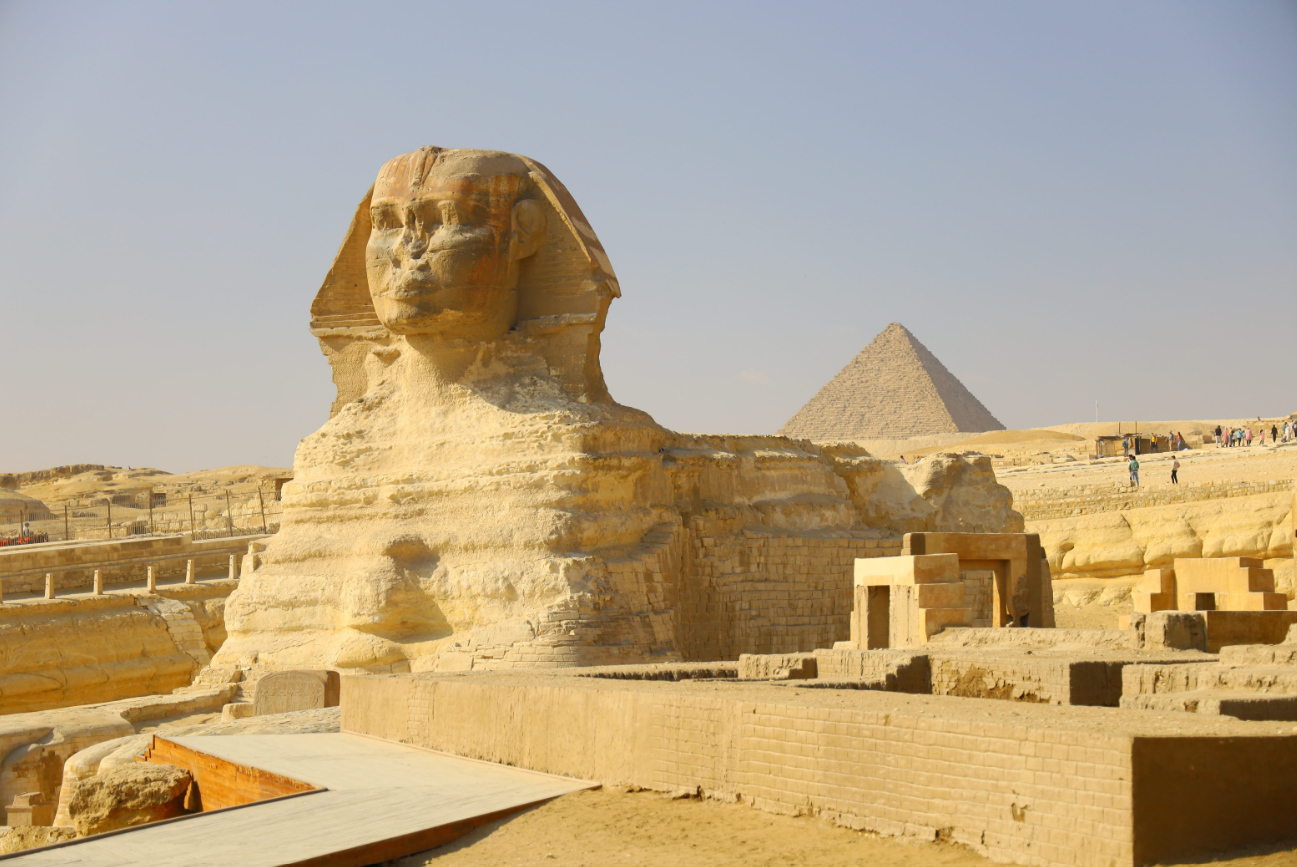
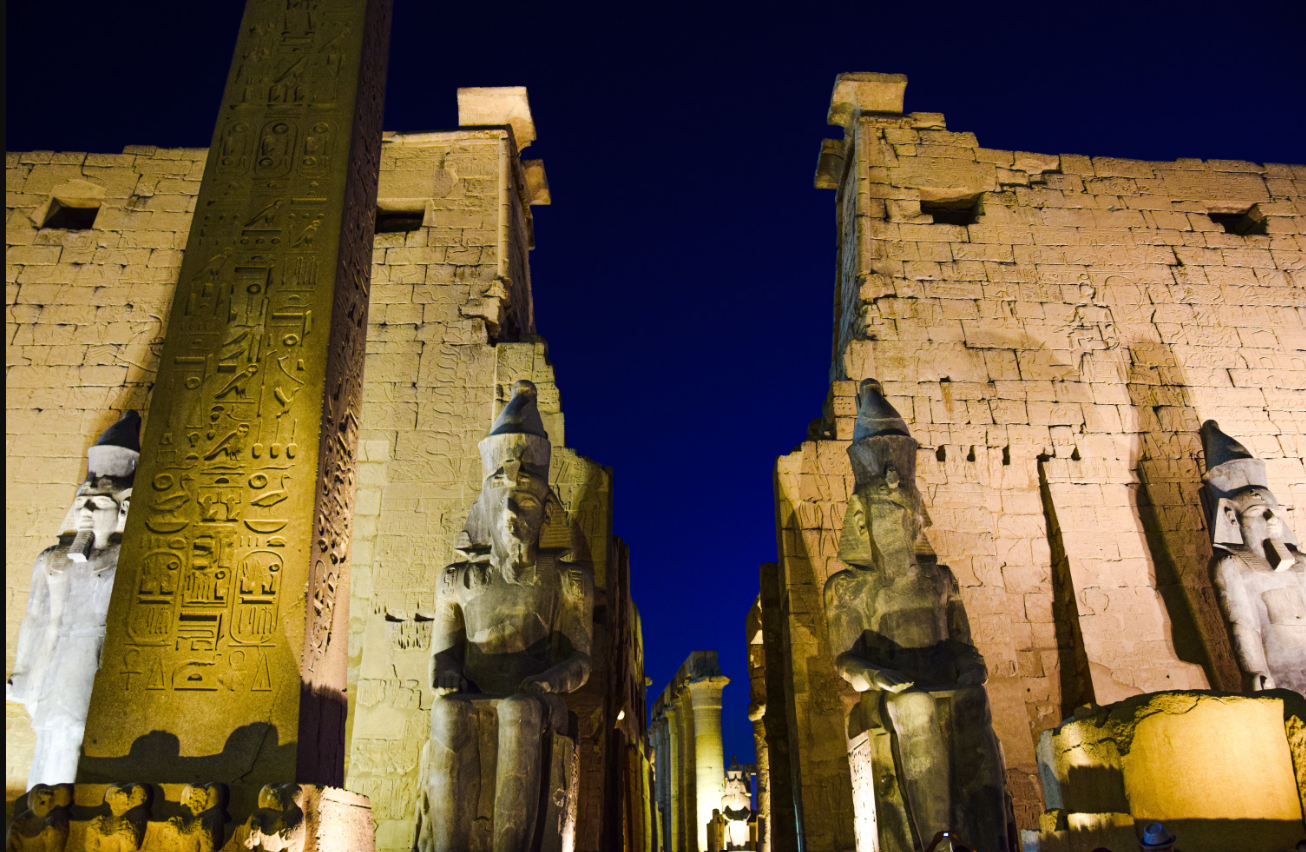
    — for travelers extending an Africa trip toward Egypt's pyramids and Nile itineraries.

  • East Africa

    — Kenya and Tanzania lead in safari tourism, with Zanzibar offering a beach add-on after a mainland safari.

  • Victoria Falls

    — one of the world's largest waterfalls, straddling Zambia and Zimbabwe and pairing well with a Botswana safari extension.

  • Cape Town

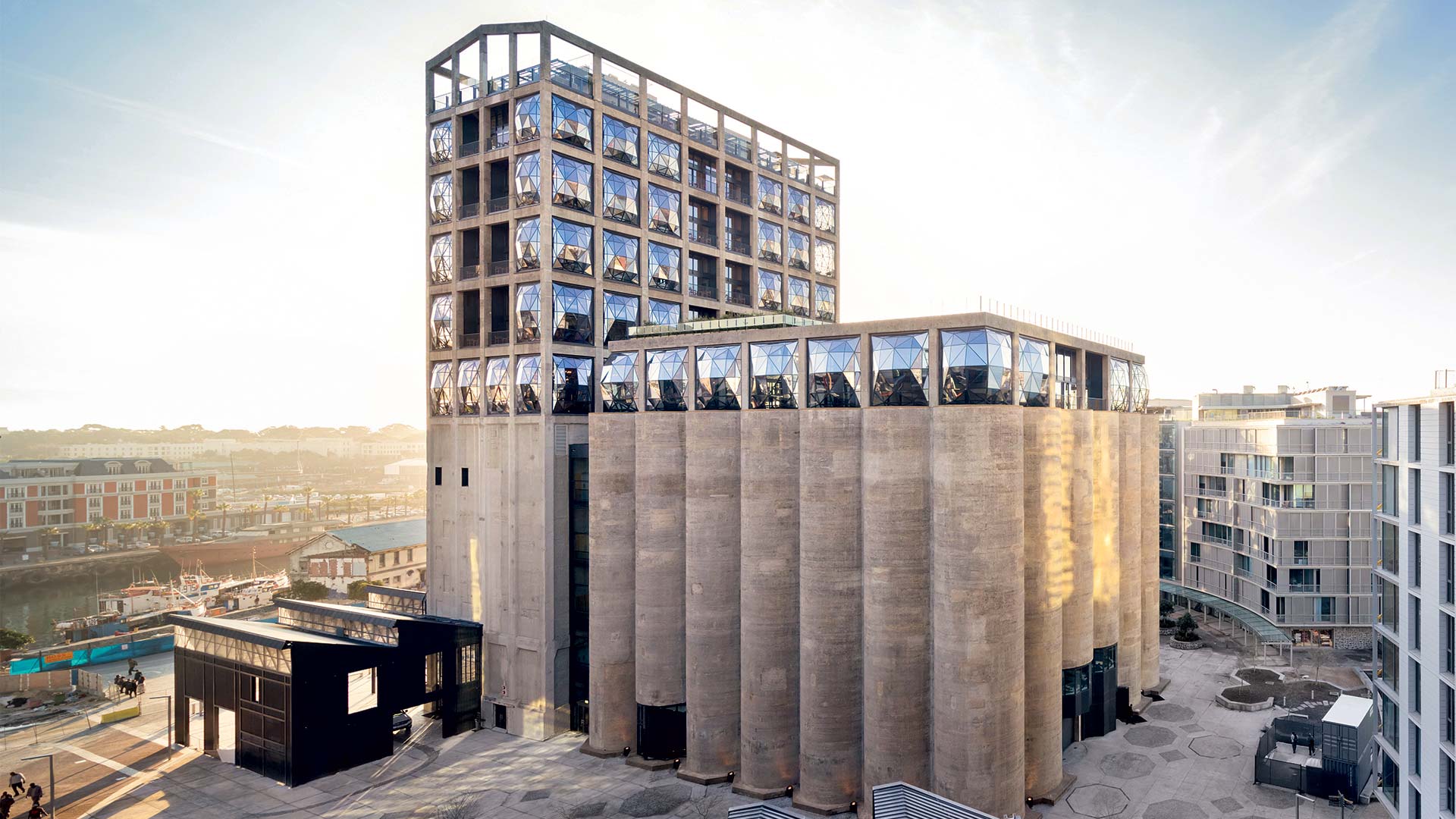
    — Africa's most visited city for first-time travelers, combining Table Mountain, wine country day trips, and Boulders Beach's penguin colony.

More Africa destination guidesTap to see related guides
Africa accommodation

Where to Stay

Accommodation across Africa splits clearly by trip type.

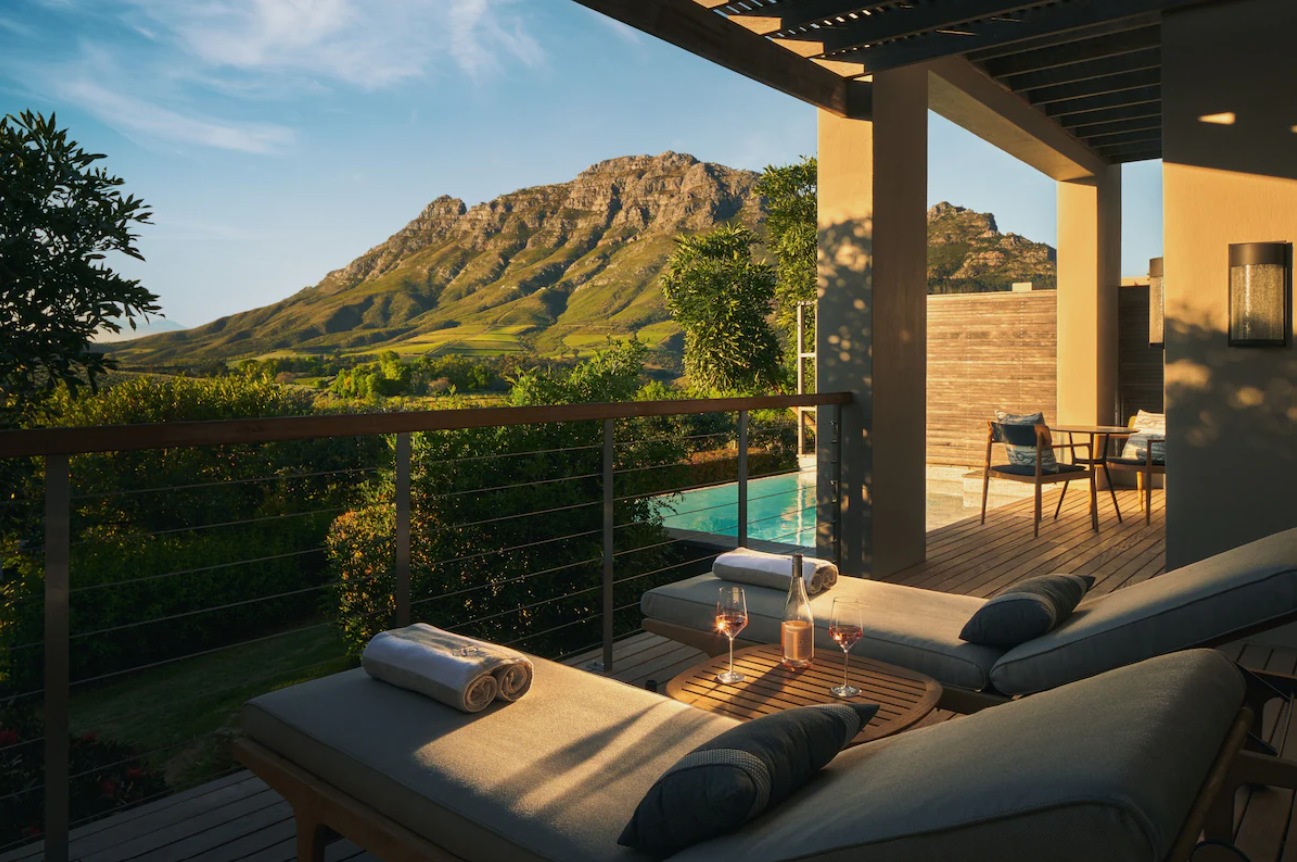
Safari lodges in Kenya, Tanzania, and Botswana range from tented camps with shared facilities to private-plunge-pool luxury lodges, with most including full board and guided game drives in the nightly rate.

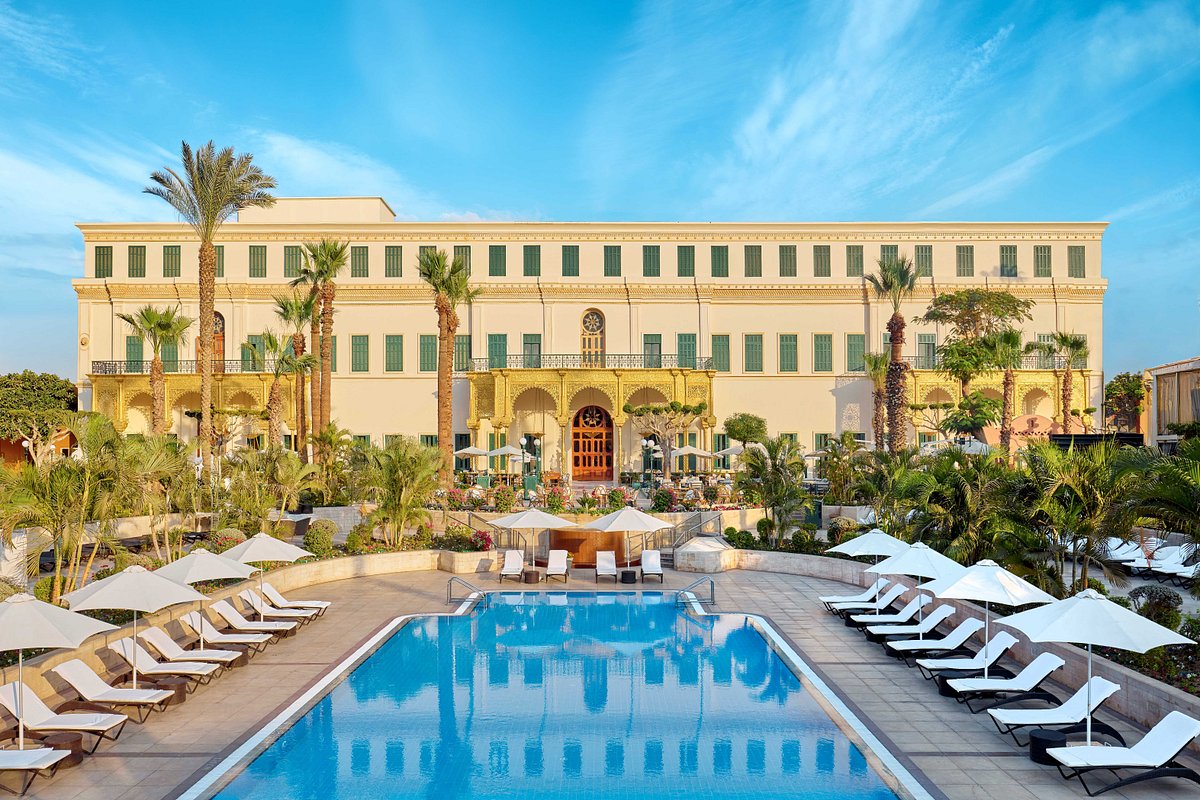
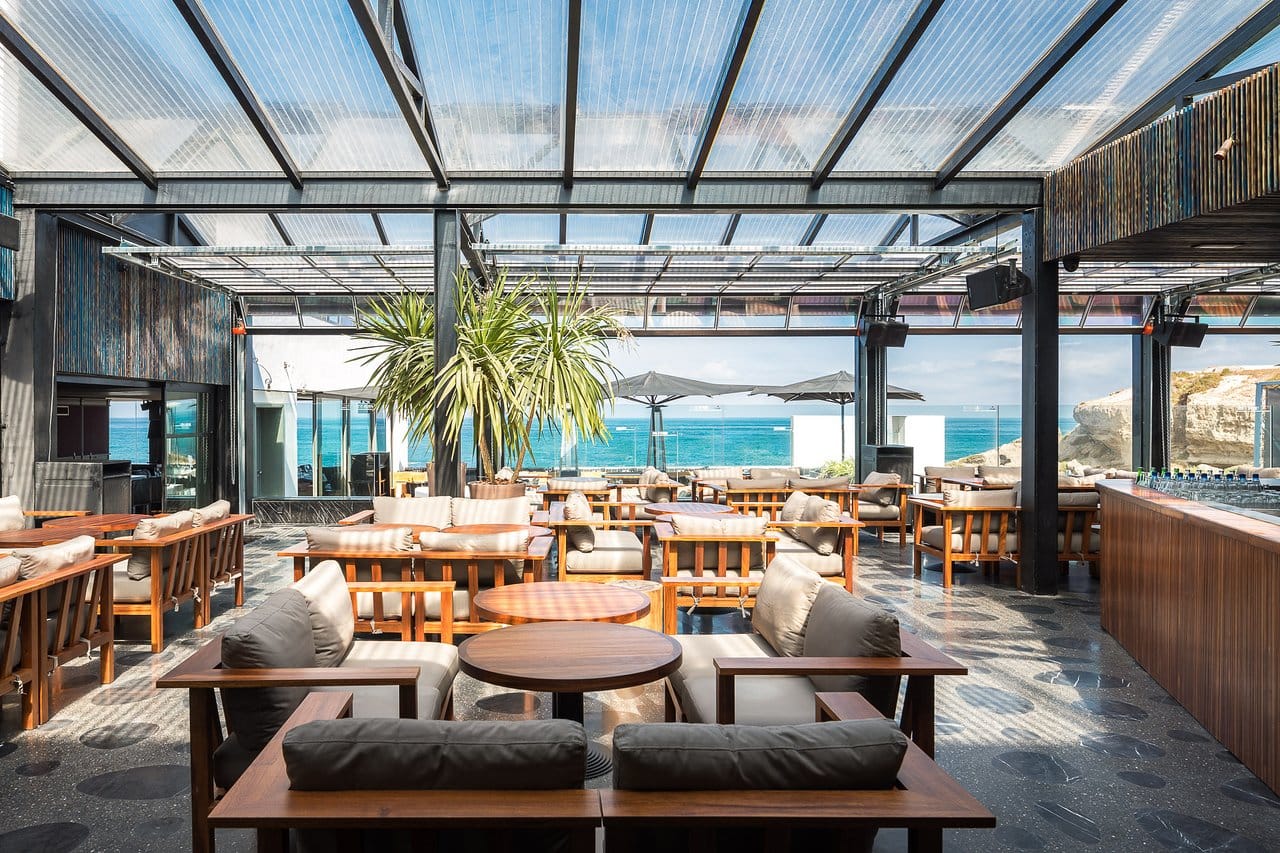
City stays in Cape Town, Marrakech, and Nairobi offer a wider range, from boutique riads to international hotel chains, while smaller guesthouses and homestays provide a more personal, budget-friendly alternative in most major cities.

TraveliciousBites recommends booking safari lodges months in advance for June–October travel, since availability in top parks like the Serengeti tightens significantly during peak wildlife-viewing weeks, and the most sought-after tented camps often sell out a full year ahead for the busiest migration weeks.

Africa hotels and safari lodgesTap to see related guides

Food and Dining

Africa's food scene varies enormously by region.

Morocco offers tagines, couscous, and mint tea across Marrakech's souks and riads.

South Africa pairs braai barbecue culture with a strong Cape Winelands food scene near Stellenbosch, while coastal cities add fresh seafood to the mix.

East African safari lodges typically serve international buffet-style dining alongside regional dishes like Kenyan nyama choma, and Ethiopian cuisine further north offers injera-based communal meals rarely found on standard safari itineraries.

Street food thrives in cities like Nairobi and Casablanca, offering an affordable, authentic alternative to hotel restaurants, though TraveliciousBites recommends sticking to vendors with high turnover and visible food preparation for the safest street food experience.

Africa food and dining articlesTap to see related guides

Getting There and Around

Most direct flights from the US land in Johannesburg, Nairobi, or Casablanca, with connecting flights covering the rest of the continent — expect 15–18 hours of total travel time from major US hubs. Entry requirements vary significantly by country: South Africa and Morocco offer visa-free entry for US citizens for short stays, while Kenya and others require an e-visa arranged in advance.

Within Africa, distances run large and infrastructure varies, so most safari itineraries include small-plane transfers between parks rather than long road journeys, and these light-aircraft transfers are typically bundled into safari packages rather than booked separately. Renting a car works well in South Africa and Morocco but proves less practical for East African safari circuits, where guided vehicles are standard and self-driving through national parks often requires a specific permit.

Africa transport and arrival guidesTap to see related guides

How Much Does a Trip to Africa Cost

Budget$1,500–$2,500Morocco: Marrakech & Sahara desert camps
Luxury$10,000+Luxury tented camps & private lodges

Budget varies widely by itinerary. A 10-day East African safari runs $3,000–$6,000 per person mid-range, with luxury lodges pushing well past $10,000, and this figure typically includes accommodation, meals, and guided game drives but not international flights.

A Morocco trip covering Marrakech and the Sahara costs considerably less, around $1,500–$2,500 for 10 days including guides and desert camps. Cape Town and South Africa's Garden Route fall in between, roughly $2,000–$3,500 for a 10-day trip with rental car and mid-range accommodation.

International flights from the US typically add $900–$1,800 per person depending on season and entry city.

Africa budget and trip-planning articlesTap to see related guides

Local Tips

  • Book safari lodges and Morocco desert camps well ahead of June–October and November–February respectively, since both peak seasons sell out top properties early.
  • Pack layers for safari mornings and evenings, which run considerably cooler than midday game-drive temperatures, along with neutral-colored clothing that works better than bright colors for wildlife viewing.
  • Confirm each country's specific entry and vaccination requirements separately, since rules vary significantly even between neighboring African nations, and carry a printed vaccination record for countries that check yellow fever certificates on arrival.

Practical Essentials for Africa

  • Power outlets vary by country, so pack a universal adapter regardless of your specific itinerary, and confirm voltage compatibility for any electronics you bring.

  • Mobile data works reliably in major cities and most safari lodges, though remote desert and bush camps often rely on limited satellite connections, so download offline maps and entertainment before heading into remote areas.

  • Tipping is customary throughout Africa's tourism industry, particularly for safari guides and drivers, who typically receive a per-day gratuity separate from the lodge bill.

  • Travel insurance with medical evacuation coverage matters more in Africa than in many destinations, given the distance between remote safari areas and full-service hospitals.

Advertisement

Latest from Africa

Frequently Asked Questions About Africa

Answers below draw on the same research TraveliciousBites uses across every destination and category guide.

What is the best time of year to visit Africa for wildlife safaris?

June through October offers Africa's clearest wildlife viewing in East and Southern Africa, coinciding with the dry season and the Great Migration's river crossings in the Serengeti and Maasai Mara.

Which African countries are safest for first-time visitors?

South Africa, Morocco, and Kenya rank among the most visited and tourism-ready countries for first-time visitors, each offering established safari, city, and guided-tour infrastructure.

How much does a 10-day African safari cost?

A 10-day East African safari typically runs $3,000–$6,000 per person mid-range, with luxury tented camps and private lodges pushing well past $10,000 per person.

What vaccinations are required before traveling to Africa?

Yellow fever vaccination is required for entry into parts of East and Central Africa; consult a travel clinic 4–6 weeks before departure to confirm requirements for your specific itinerary.

Which African destinations are best for a beach vacation versus a safari?

Zanzibar and the Seychelles lead Africa's beach destinations, while Kenya, Tanzania, and Botswana anchor the continent's top safari circuits — many travelers combine both in a single trip.

How do I choose between East Africa and Southern Africa for a first safari trip?

East Africa suits travelers prioritizing the Great Migration and Maasai culture, while Southern Africa's Botswana and Kruger National Park offer more varied terrain and often easier combination with a Cape Town city stay.

What should first-time safari travelers pack?

Pack neutral-colored clothing, layers for cold mornings and warm afternoons, a wide-brim hat, binoculars, and a camera with a zoom lens, since most wildlife sightings happen at a respectful distance.

Is it safe to travel to Africa alone as a woman?

Solo female travel works well in tourism-established regions like Cape Town, Marrakech, and guided safari circuits in Kenya and Tanzania, where organized tours and reputable lodges provide a structured, well-supervised experience.

Do I need travel insurance for a trip to Africa?

Yes — travel insurance with medical evacuation coverage is strongly recommended for any African safari, given the distance between remote parks and full-service hospitals in most countries.

Is tipping expected on an African safari?

Yes, tipping safari guides and drivers is customary and typically handled as a per-day gratuity separate from the lodge bill; ask your operator for standard local rates before departure.

What should I know before combining multiple African countries in one trip?

Factor in extra time and cost for connecting flights between regions, since Africa's size means a Morocco-to-Kenya combination, for example, requires a full international flight segment rather than a short regional hop.

Is it better to book an African safari independently or through a tour operator?

Most first-time safari travelers do better booking through a reputable tour operator, since local logistics, park permits, and guided game drives are easier to coordinate through an experienced operator than independently.

What is the biggest mistake first-time Africa travelers make?

Packing too tight an itinerary is the most common mistake — Africa's distances and small-plane logistics between parks mean two or three well-chosen regions almost always beat a rushed five-country tour.

Advertisement