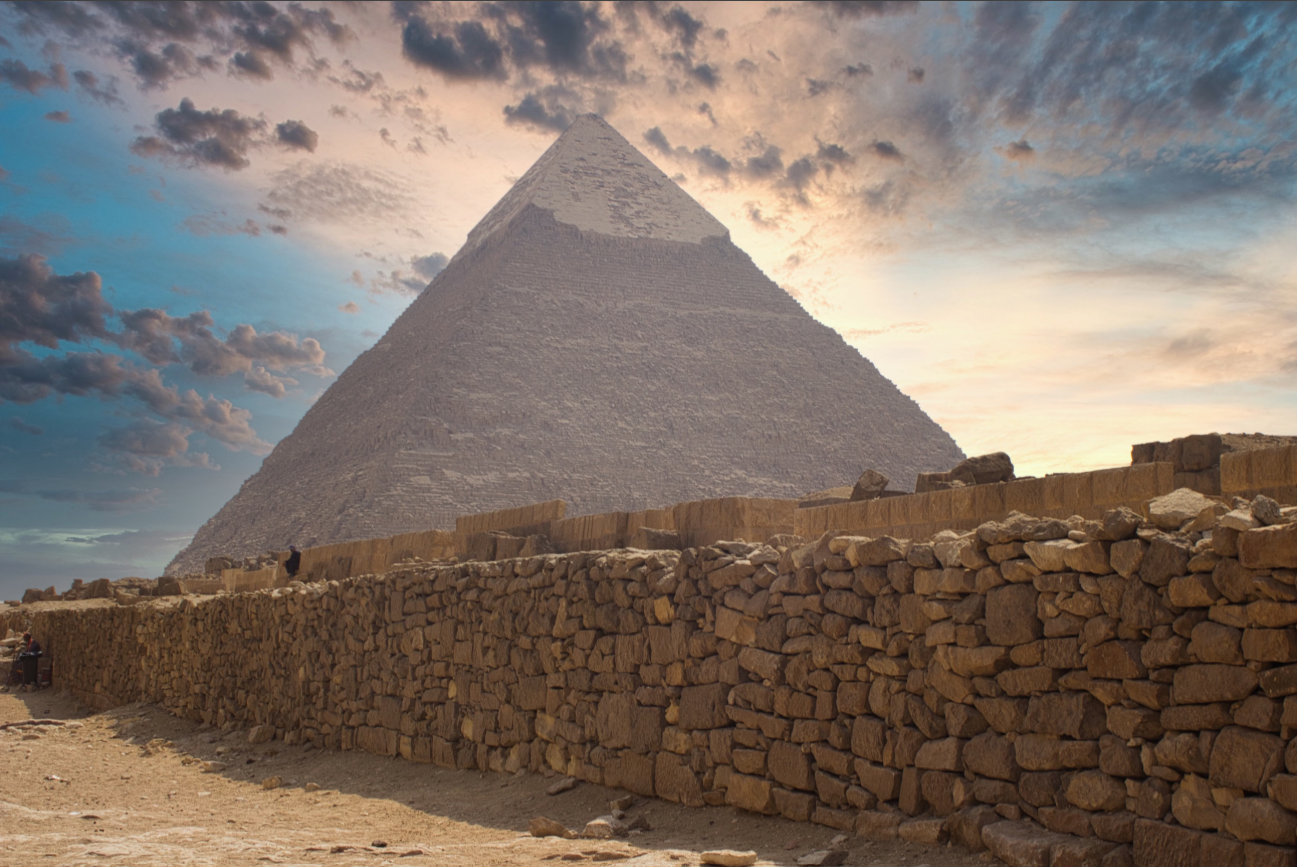
The Pyramid Cheops Egypt, also known as the Great Pyramid of Giza or the Pyramid of Khufu, is one of the most extraordinary monuments ever built by humankind. Constructed more than 4,500 years ago during the reign of Pharaoh Khufu (Cheops), it remains the oldest and only surviving Wonder of the Ancient World. Originally standing at 146.6 meters (481 feet), the pyramid was the tallest man-made structure on Earth for nearly 3,800 years. Even today, it continues to amaze historians, engineers, and millions of visitors every year.
Also Read - How Many Pyramids Are There in Egypt? A Complete Guide to Egypt's Ancient Pyramids
This post contains affiliate links. If you choose to book through them, a small commission may be earned at no additional cost to you. Your support genuinely helps keep the blog running and allows continued creation of high-quality travel guides. Thank you for being here and supporting this journey.
Where Is the Cheops Pyramid Location?
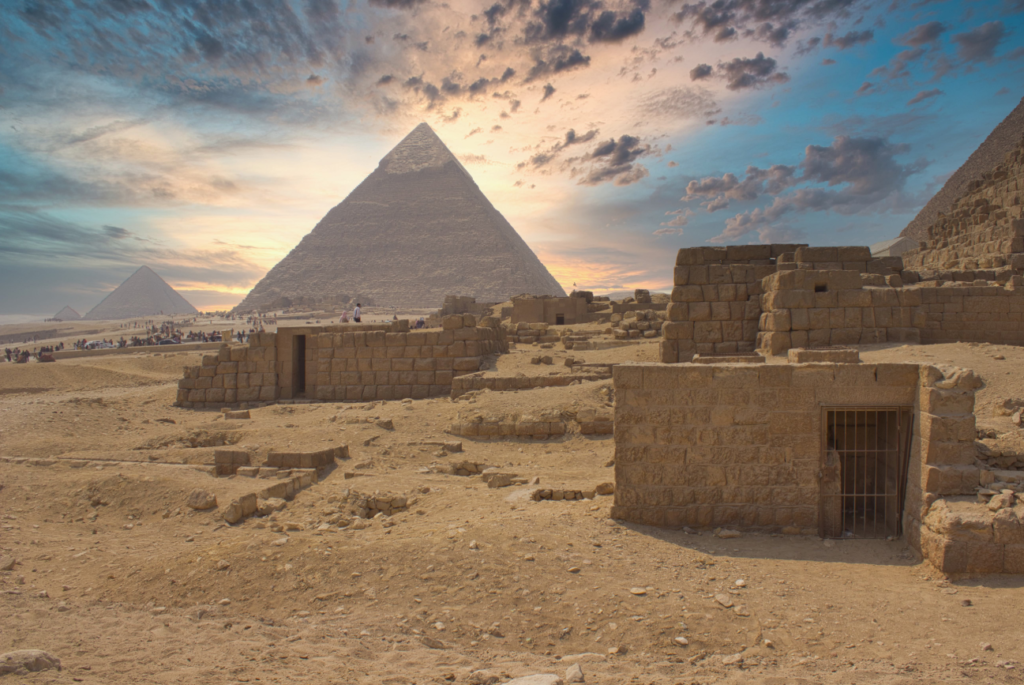
The Cheops Pyramid location is on the Giza Plateau in Giza Governorate, approximately 15 kilometers southwest of downtown Cairo, Egypt. The pyramid forms part of the famous Giza Necropolis, which also includes:
- The Pyramid of Khafre
- The Pyramid of Menkaure
- The Great Sphinx
- Several smaller queen's pyramids and temples
The site has been a major tourist destination since ancient times and today is one of the most visited archaeological attractions in the world.
Is the Great Pyramid the World Big Pyramid?
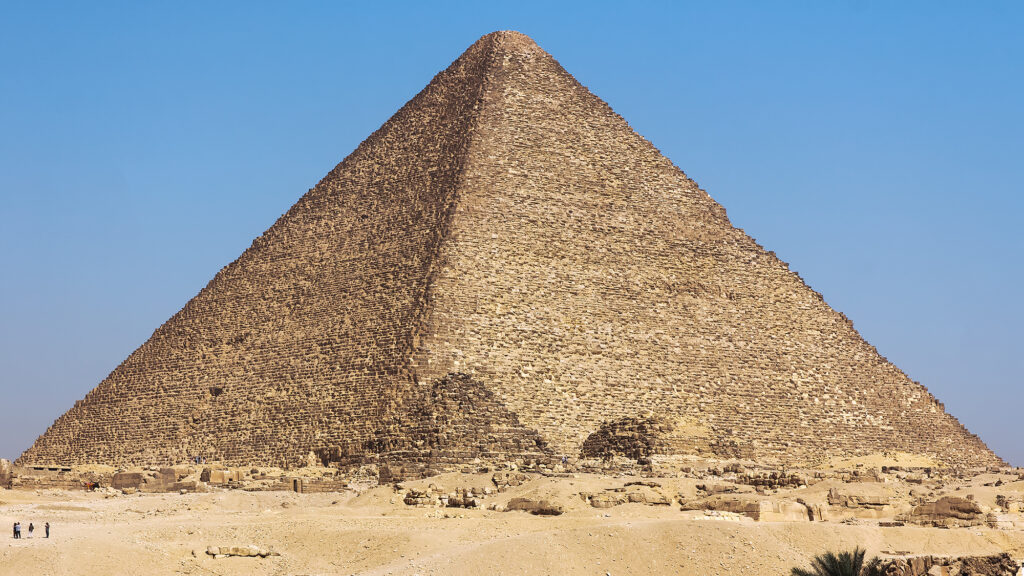
The Great Pyramid of Giza is often called the world big pyramid because it is the tallest and most famous pyramid ever constructed. It originally measured approximately:
- Height: 146.6 meters (481 feet)
- Current height: 138.5 meters (454 feet)
- Base length: 230.3 meters (755 feet) on each side
- Volume: Approximately 2.6 million cubic meters
- Estimated stone blocks: Around 2.3 million
However, by volume, the Great Pyramid of Cholula in Mexico is larger. Nevertheless, the Great Pyramid of Giza remains the tallest pyramid ever built and one of the greatest engineering achievements in human history.
How Was the Pyramid Built?
Archaeologists believe the Pyramid Cheops Egypt was built over approximately 26 years during Egypt's Fourth Dynasty. The structure was primarily constructed using limestone blocks, while granite from Aswan was used for the internal chambers.
Recent scientific studies have also shown that the pyramid's design gives it remarkable resistance to earthquakes. Its broad base, symmetrical shape, and sophisticated internal chambers help distribute stress evenly, contributing to its survival for more than 4,600 years.
Exploring the Great Pyramid of Giza Interior
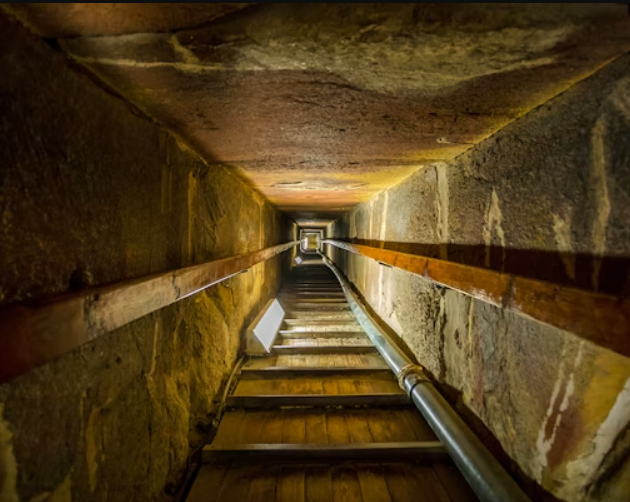
The Great Pyramid's interior is one of the most fascinating aspects of the monument. Unlike most pyramids, the Great Pyramid contains three main chambers:
1. The Subterranean Chamber
Located deep beneath the pyramid and carved directly into the bedrock, this chamber was likely abandoned during construction and remains one of the pyramid's greatest mysteries.
2. The Queen's Chamber
Situated roughly in the center of the pyramid, the Queen's Chamber contains mysterious shafts whose exact purpose is still debated by archaeologists.
3. The King's Chamber
The King's Chamber is located high within the pyramid and houses the granite sarcophagus believed to have held Pharaoh Khufu's remains. Above the chamber are five relieving chambers designed to distribute the immense weight of the pyramid.
The Grand Gallery
One of the most impressive features of the Great Pyramid of Giza interior is the Grand Gallery. This magnificent ascending corridor measures approximately 47 meters in length and reaches a height of nearly 9 meters. The precise function of the gallery remains uncertain, but researchers believe it may have played a role during construction or burial ceremonies.
Hidden Chambers and Recent Discoveries
Modern technology continues to reveal new secrets inside the Pyramid Cheops Egypt.
In 2017, scientists using cosmic-ray muon scanning discovered a massive hidden void above the Grand Gallery. Known as the "ScanPyramids Big Void," the chamber measures at least 30 meters in length and represents the first major internal structure discovered inside the pyramid since the nineteenth century.
In 2023, archaeologists also revealed a previously unknown corridor near the pyramid's northern entrance. The purpose of this corridor remains uncertain and continues to be studied.
Why Was the Great Pyramid Built?
The Pyramid Cheops Egypt served as the royal tomb of Pharaoh Khufu, also known by his Greek name, Cheops. Ancient Egyptians believed that the pharaoh became a god after death and required an elaborate burial complex to ensure a successful journey into the afterlife.
The pyramid was therefore not merely a tomb but also:
- A symbol of royal power
- A religious monument
- A demonstration of engineering capability
- A center for funerary rituals and ceremonies
Its construction required remarkable planning and organization involving thousands of workers and craftsmen.
Can You Visit the Interior of the Great Pyramid?
Yes. Visitors can enter portions of the Great Pyramid of Giza interior, including the Grand Gallery and the King's Chamber. The experience involves climbing narrow ascending passages and can become quite warm and humid inside the monument.
Tourists generally purchase separate tickets to access the pyramid's interior, and entry numbers are controlled daily to help preserve the ancient structure.
Fascinating Facts About the Pyramid
- It is more than 4,500 years old.
- It is the only surviving Wonder of the Ancient World.
- It remained the world's tallest building for nearly 3,800 years.
- It contains approximately 2.3 million stone blocks.
- It still hides undiscovered chambers and mysteries.
- It was built with engineering techniques that provide remarkable earthquake resistance.
Final Thoughts
The Pyramid remains one of humanity's greatest architectural and engineering achievements. Understanding the Pyramid location, exploring the mysterious Giza interior, and appreciating why it is often called the world's biggest pyramid provide a deeper understanding of ancient Egyptian civilization. More than 4,600 years after its construction, the Great Pyramid continues to reveal new secrets and inspire millions of visitors, historians, and scientists around the world. As archaeological discoveries continue and advanced technologies uncover hidden chambers and passages, the story of the Great Pyramid of Giza is far from complete.



Comments 0
Only approved comments are shown here.