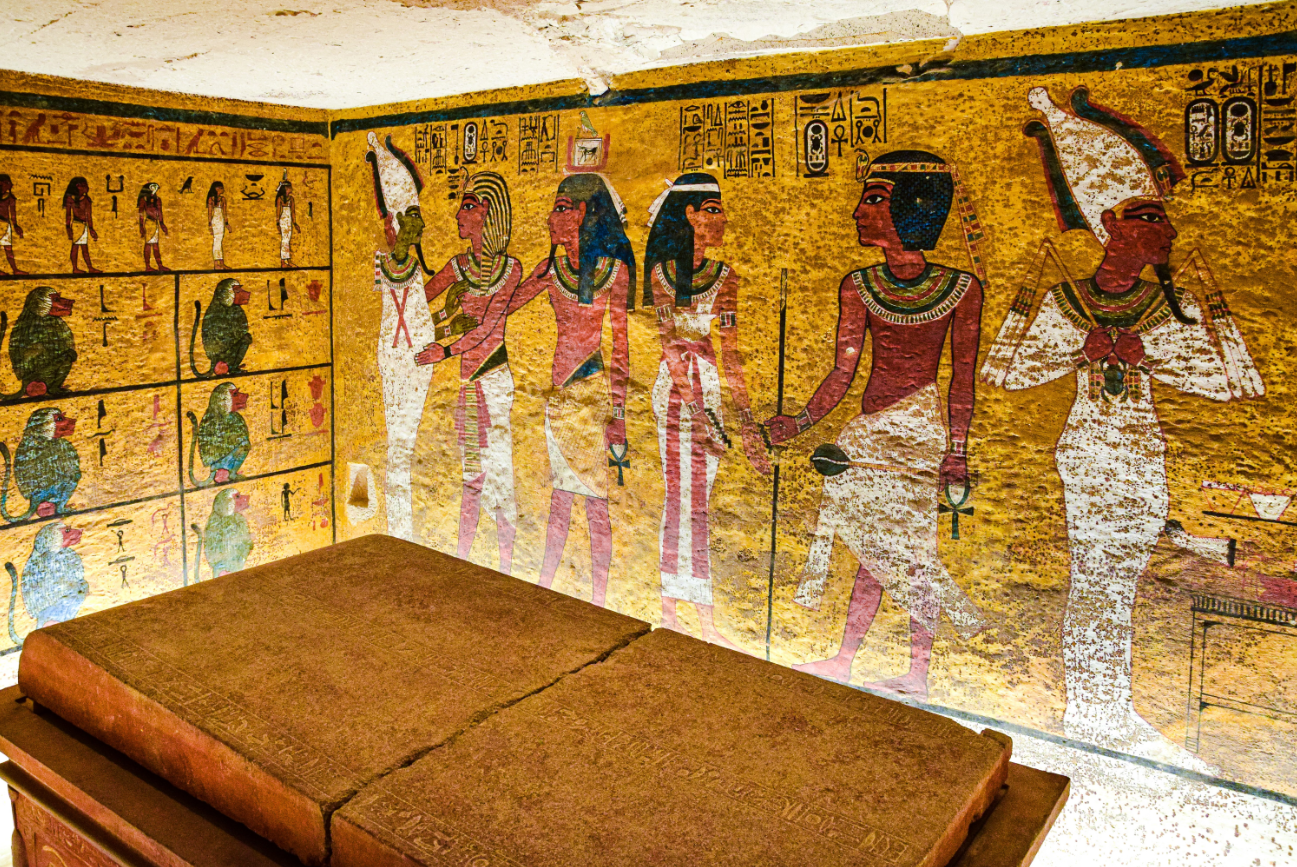
Egypt is one of the world's most fascinating destinations, famous for its ancient civilization, legendary pharaohs, and iconic monuments. However, beyond the pyramids and temples lies a country filled with remarkable stories, surprising traditions, and extraordinary achievements that many travelers don't know about. From pioneering inventions to mysterious archaeological discoveries, Egypt continues to captivate historians and visitors alike.
Here are 15 unusual facts that explain what is Egypt known for and why this incredible country remains one of the most intriguing places on Earth.
Also Read - Famous Landmarks in Egypt: Discover the Country's Most Iconic Attractions
This post contains affiliate links. If you choose to book through them, a small commission may be earned at no additional cost to you. Your support genuinely helps keep the blog running and allows continued creation of high-quality travel guides. Thank you for being here and supporting this journey.
1. Egypt Is Home to the Only Remaining Ancient Wonder
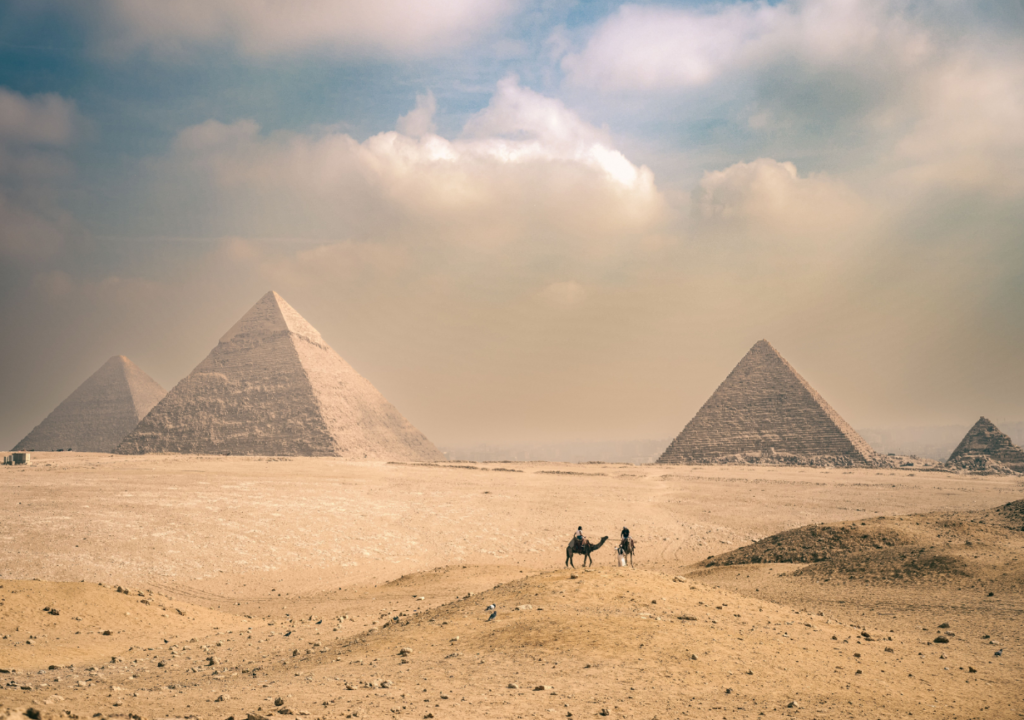
When people ask what is Egypt known for, the first answer is usually the Great Pyramid of Giza. Built around 2560 BC, it is the only surviving Wonder of the Ancient World and stood as the tallest man-made structure on Earth for nearly 4,000 years. Despite centuries of research, experts still debate exactly how the enormous limestone blocks were transported and assembled. The pyramids continue to reveal new secrets, with advanced scanning technologies recently identifying hidden chambers and unexplored spaces inside the Great Pyramid.
2. Ancient Egyptians Invented the First Paper
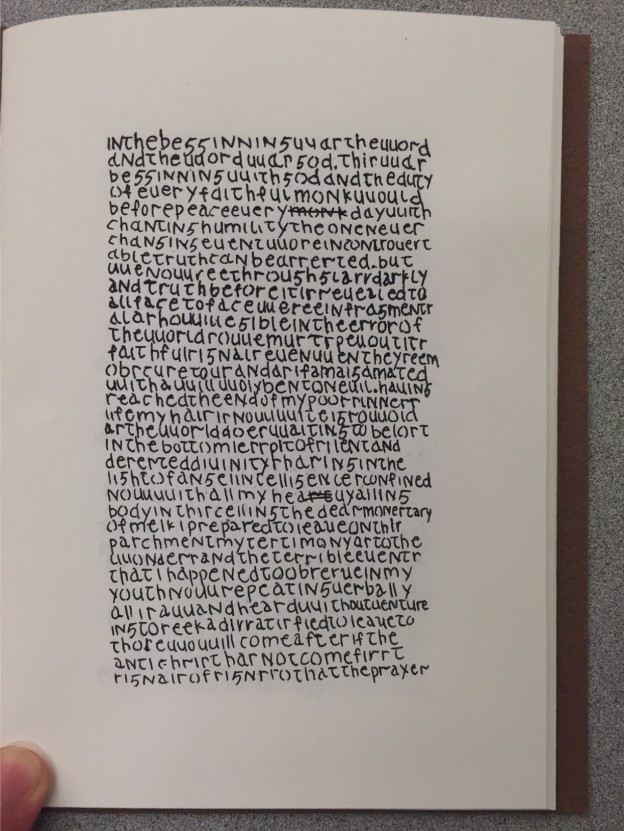
One of the most interesting unusual facts about Egypt is that the ancient Egyptians created one of the world's earliest forms of paper called papyrus. Made from the papyrus plant that grew along the Nile, this writing material revolutionized communication and record-keeping in the ancient world. Papyrus was widely exported and became an essential tool for governments, traders, and scholars throughout the Mediterranean region.
3. The Ancient Egyptians Loved Cats
Another reason what Egypt is known for often includes animals is the country's extraordinary relationship with cats. Ancient Egyptians considered cats sacred and associated them with the goddess Bastet. Killing a cat, even accidentally, was considered a serious crime. Families often mourned their pet cats by shaving their eyebrows and even mummifying the animals after death. Archaeologists have discovered vast cat cemeteries containing thousands of mummified felines.
4. Egypt Has One of the World's Longest Rivers
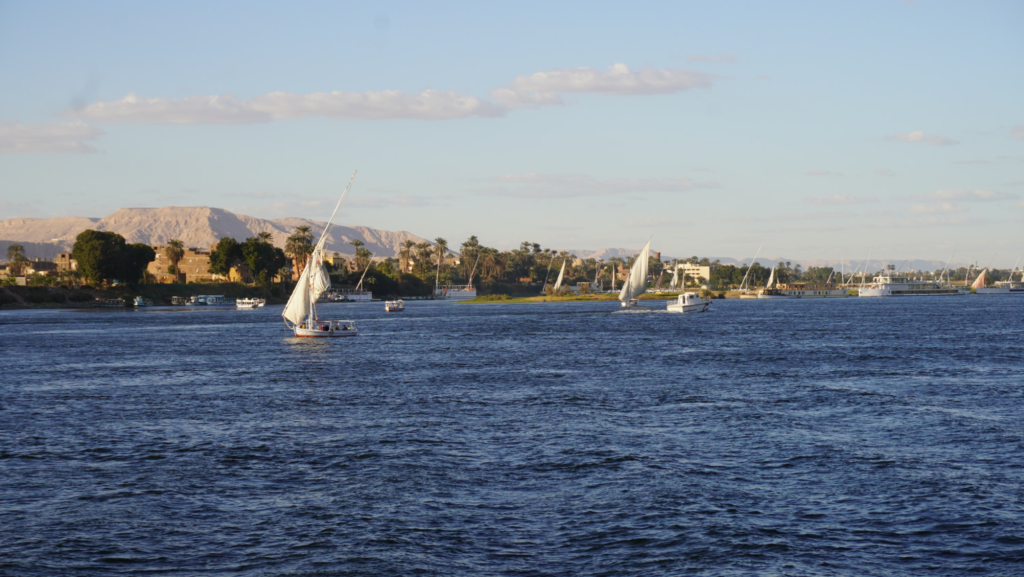
Among the most remarkable and unusual facts about Egypt is the significance of the Nile River. Stretching more than 6,600 kilometers, the Nile is widely regarded as the world's longest river and has sustained Egyptian civilization for thousands of years. Ancient Egyptians referred to it as the source of life because its annual floods provided fertile soil for agriculture. Even today, the majority of Egypt's population lives near the Nile Valley and Delta.
5. Cleopatra Was Not Actually Egyptian
Many people are surprised to learn what Egypt is known for includes one of history's biggest misconceptions. Cleopatra VII, Egypt's last active pharaoh, was not ethnically Egyptian. She belonged to the Ptolemaic dynasty, a Greek ruling family descended from one of Alexander the Great's generals. Despite her Greek heritage, Cleopatra embraced Egyptian culture and became one of the country's most iconic historical figures.
6. Ancient Egyptians Used Toothpaste
One of the lesser-known unusual facts about Egypt is that ancient Egyptians practiced surprisingly advanced dental hygiene. Archaeologists have discovered evidence that they created an early form of toothpaste using ingredients such as powdered eggshells, ash, and herbs. Although it was much different from modern toothpaste, it demonstrates the Egyptians' concern for personal cleanliness and health thousands of years ago.
7. Egypt Has More Than 100 Pyramids
When considering what Egypt is known for, many people imagine only the pyramids of Giza. However, archaeologists have identified more than 100 pyramids throughout Egypt, including those at Saqqara, Dahshur, and Abu Rawash. These monuments were built over several centuries and showcase the evolution of pyramid architecture and engineering techniques.
8. The Ancient Egyptians Created a 365-Day Calendar
Among the most impressive unusual facts about Egypt is that ancient Egyptians developed one of the earliest solar calendars. Their calendar consisted of 365 days divided into twelve months, helping farmers predict the annual flooding of the Nile and plan agricultural activities. This system later influenced other civilizations and contributed to the development of modern calendars.
9. Mummification Was an Extremely Complex Process
One of the reasons what Egypt is known for continues to fascinate people is the sophisticated process of mummification. Ancient embalmers removed internal organs, dried the body using natron salt, and wrapped the remains in linen to preserve them for the afterlife. The entire process could take up to seventy days and was considered essential for ensuring eternal life according to Egyptian beliefs.
10. Egypt Is Home to Africa's Largest Archaeological Museum
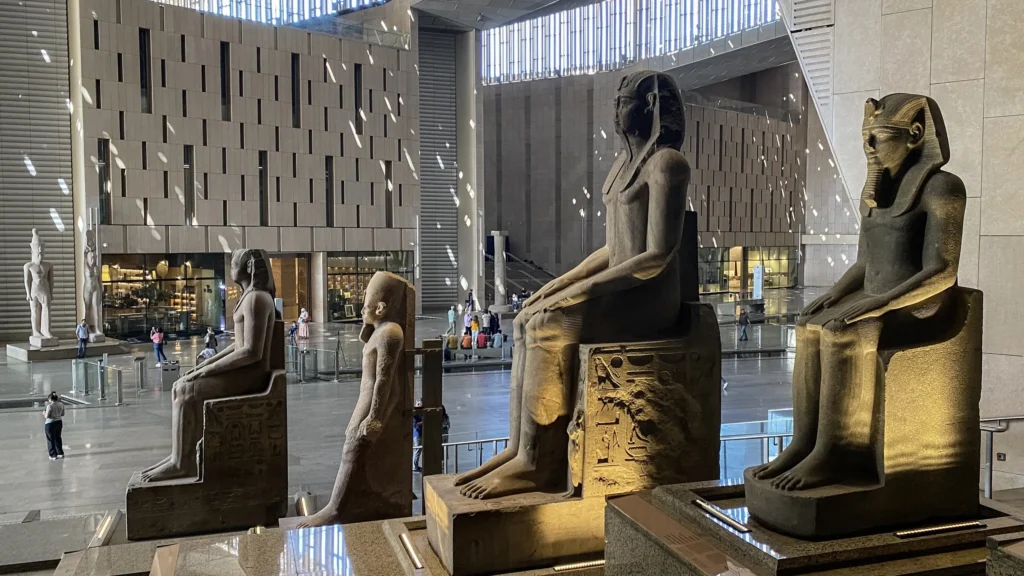
A modern addition to the list of unusual facts about Egypt is the Grand Egyptian Museum near Giza. The museum houses more than 100,000 artifacts and is among the largest archaeological museums ever built. It includes the complete collection of treasures from Tutankhamun's tomb and represents one of the world's most ambitious cultural preservation projects.
11. Ancient Egyptians Wore Makeup Daily
Another surprising answer to what Egypt is known for is the widespread use of cosmetics. Both men and women used eye makeup made from minerals such as malachite and galena. Besides beauty purposes, the makeup also helped protect the eyes from the sun and infections. Cosmetic practices in ancient Egypt influenced beauty traditions across several ancient civilizations.
12. The World's Oldest Dress Was Found in Egypt
Among the fascinating unusual facts about Egypt is the discovery of the Tarkhan Dress, considered the world's oldest woven garment. Dating back more than 5,000 years, the linen dress demonstrates the advanced textile skills of ancient Egyptians and provides valuable insights into their clothing and daily life.
13. The Ancient Egyptians Invented Bowling
One of the more unexpected answers to what Egypt is known for is the invention of games. Archaeological discoveries suggest that a form of bowling existed in ancient Egypt thousands of years ago. Researchers uncovered stone balls and lanes that resemble modern bowling equipment, indicating that recreational sports played an important role in Egyptian society.
14. Egypt Has a City Older Than Rome
A remarkable addition to the list of unusual facts about Egypt is Luxor, often called the world's greatest open-air museum. The city was once known as Thebes and served as the capital of ancient Egypt for centuries. Its temples, tombs, and monuments predate many of the world's famous cities and continue to attract millions of visitors annually.
15. Egypt's Population Lives on Just a Small Part of the Country
One of the most surprising facts explaining what Egypt is known for is its geography. Although Egypt is one of Africa's largest countries, more than 95 percent of its population lives on less than 5 percent of its land area, primarily along the Nile Valley and Delta. The vast majority of the country consists of desert landscapes, making the Nile the lifeline of modern Egypt just as it was in ancient times.
Final Thoughts
From the magnificent Pyramids of Giza and the life-giving Nile River to sacred cats and remarkable ancient inventions, there are countless reasons what Egypt is known for continues to fascinate travelers and historians worldwide.
These unusual facts about Egypt reveal a civilization that pioneered paper, calendars, medicine, and monumental architecture while leaving behind treasures that still inspire new discoveries today. Recent archaeological finds, including ancient tombs and lost settlements, demonstrate that Egypt's history continues to unfold and attract global attention. More than just a land of ancient monuments, Egypt is a destination where history, culture, and mystery come together to create one of the world's most extraordinary travel experiences.



Comments 0
Only approved comments are shown here.