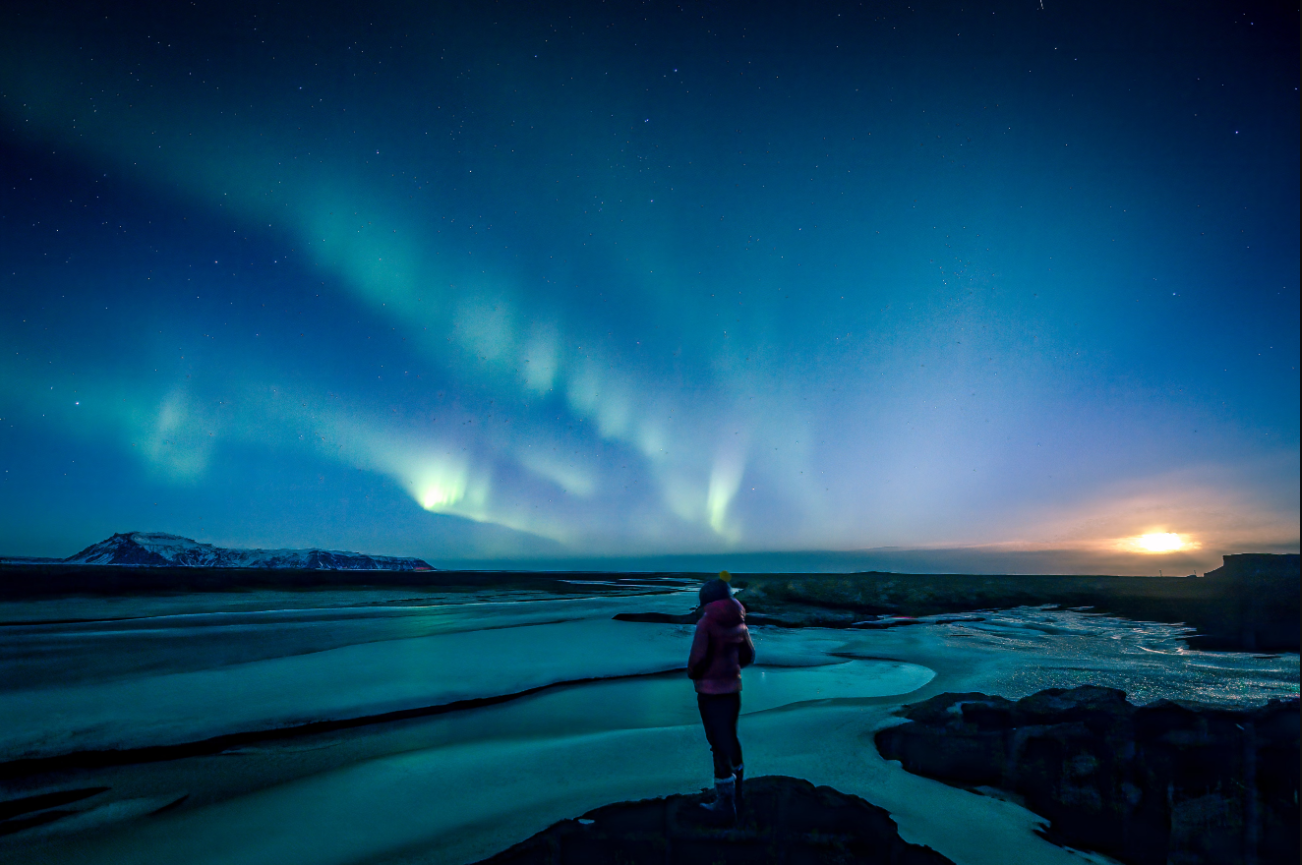
The Northern Lights, also known as the aurora borealis, are among the world's most spectacular natural phenomena. Green, pink, violet and occasionally red lights can appear to dance across a dark Arctic sky, creating an experience that is both unpredictable and unforgettable. However, seeing the aurora requires more than simply travelling north. Darkness, cloud cover, geomagnetic activity, location and patience all influence whether you will witness a display.
So, what is the best time to see northern lights? In general, the practical viewing season runs from late August or September through early April, depending on the destination. Iceland's official tourism organisation identifies late August through late April as its aurora season, while Finland identifies late August through early April. NOAA similarly notes that September through April is particularly favourable because of the combination of darkness and auroral activity.
Also Read - Best Places to Visit in Iceland: A Complete 7 Days in Iceland Itinerary
This post contains affiliate links. If you choose to book through them, a small commission may be earned at no additional cost to you. Your support genuinely helps keep the blog running and allows continued creation of high-quality travel guides. Thank you for being here and supporting this journey.
When Is the Best Time to View the Aurora Borealis?
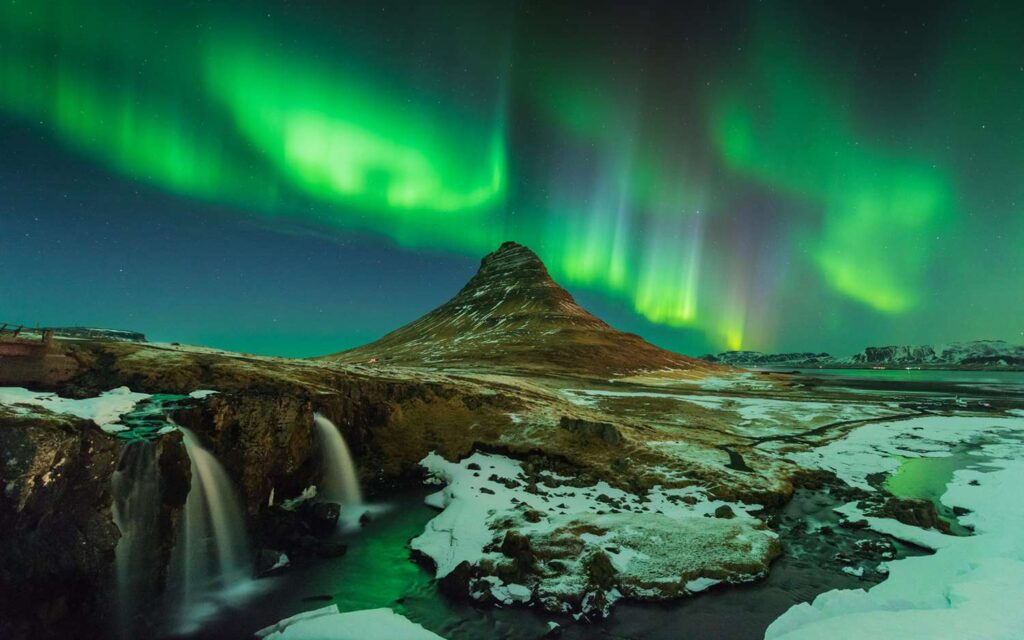
When is the best time to view the aurora borealis? The answer depends on whether you mean the best season, month or hour.
Seasonally, September–October and February–March are especially attractive. NOAA explains that auroral activity tends to be stronger around the spring and autumn equinoxes because of the way solar wind interacts with Earth's magnetic field. Finland's official tourism organisation similarly identifies September–October and February–March as peak months.
Darkness is equally important. Auroras can occur throughout the year, but they cannot normally be seen against bright summer skies at high latitudes. This is why the best time to see aurora borealis falls within autumn, winter and early spring.
For most travellers, September through March offers the strongest combination of darkness, aurora potential and practical travel opportunities.
September and October: Excellent Shoulder-Season Months
September and October can be among the best time to see northern lights periods for travellers who want strong aurora potential without the deepest winter conditions.
As autumn progresses, nights become progressively darker, creating longer viewing opportunities. Around the autumn equinox, geomagnetic activity can also become favourable. Finland's official tourism guidance specifically identifies September and October as peak aurora months.
These months offer additional advantages. Temperatures are generally less severe than during midwinter, and some roads and hiking routes remain easier to access. In Iceland, autumn landscapes can provide colourful vegetation, mountains and coastal scenery as photographic foregrounds.
September and October are particularly attractive if your holiday is not exclusively about the aurora. You can combine evening aurora hunting with daytime sightseeing, hiking, sightseeing tours and cultural activities.
November to January: Long, Dark Winter Nights
November, December and January provide very long periods of darkness, which is a major advantage for aurora viewing. In northern Scandinavia, winter can create exceptionally atmospheric conditions, with snow-covered landscapes, frozen lakes and dark skies.
December is particularly popular because travellers can combine Northern Lights viewing with Christmas markets, winter activities and festive experiences. However, popularity also means higher demand for accommodation and tours.
Deep winter does not automatically mean stronger aurora. A powerful display hidden behind clouds is invisible, whereas a moderate display under a clear sky can be spectacular. Therefore, the best time to see aurora borealis is determined by a combination of conditions rather than temperature or darkness alone.
If you travel during December or January, staying for several nights is advisable. Multiple opportunities give you a better chance of finding a clear evening with useful geomagnetic activity.
February and March: One of the Best Overall Choices
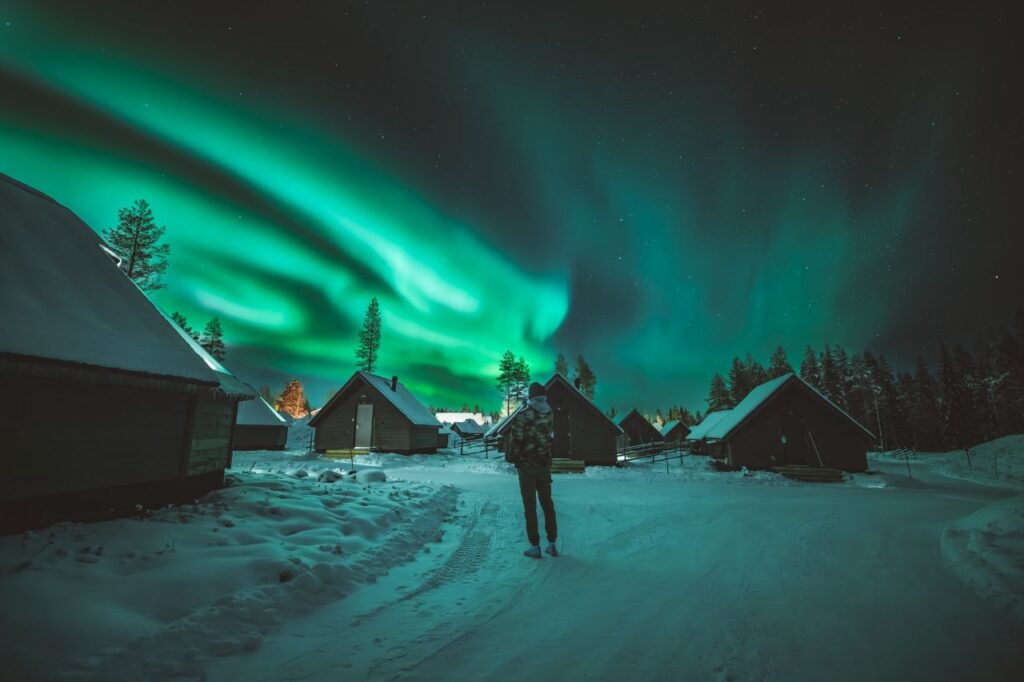
February and March are widely regarded as excellent months for an aurora-focused holiday. Finland's official tourism organisation lists February and March alongside September and October as peak periods. NOAA also identifies the spring equinox as a period when geomagnetic activity can be enhanced.
March has a particularly useful combination of conditions. Daylight begins returning, allowing travellers to enjoy outdoor activities for longer while nights remain sufficiently dark for aurora viewing.
Snow conditions can also remain excellent in northern destinations, making it possible to combine the aurora with dog sledding, snowmobiling, skiing and snowshoeing.
For travellers asking when is the best time to view the aurora borealis, February and March deserve serious consideration because they provide both substantial darkness and a wider range of daytime activities than the deepest part of winter.
Is Winter Always the Best?
Not necessarily.
A common misconception is that the coldest and darkest months automatically produce the strongest Northern Lights. In reality, auroral displays are driven by solar activity and interactions between the solar wind and Earth's magnetic field. Darkness simply allows humans to see the phenomenon.
This means three major conditions need to overlap: a sufficiently dark sky, relatively clear weather and suitable geomagnetic activity.
The best time to see northern lights therefore cannot be determined from the calendar alone. A February night with heavy cloud may offer no visibility, while a clear September evening can produce an impressive display.
Experienced aurora travellers consequently build flexibility into their itineraries rather than relying on one supposedly perfect night.
What Time of Night Is Best?
When is the best time to view the aurora borealis during an individual night? There is no fixed schedule, but late evening and around midnight are commonly productive periods.
NOAA's aurora guidance states that the best viewing is usually within an hour or two of midnight, broadly between 10 p.m. and 2 a.m. local time. Iceland's official tourism guide similarly says auroras are, on average, most frequently seen around 11 p.m. and recommends being outside roughly between 10 p.m. and 1 a.m.
However, these are guidelines rather than guarantees. Strong geomagnetic activity can produce displays earlier or later. If conditions are favourable, remain patient rather than leaving immediately because nothing has appeared at a particular hour.
Cloud Cover Matters
Cloud cover is one of the biggest reasons travellers fail to see the aurora. Even intense geomagnetic activity cannot be observed through thick cloud.
The Icelandic Meteorological Office's official aurora forecast combines predicted auroral activity with cloud-cover information. Its guidance specifically states that the aurora requires darkness and partly clear skies.
This is why checking an ordinary weather forecast is just as important as checking an aurora forecast. Travellers should look for clear or partly clear areas and be prepared to move if cloud is concentrated over their original viewing location.
In Iceland particularly, weather can change rapidly. A cloudy forecast earlier in the evening does not necessarily mean the entire night will be lost.
Understanding Solar Activity
The aurora occurs when charged particles associated with solar activity interact with Earth's magnetic field and upper atmosphere. This makes space weather an important component of aurora forecasting.
NOAA's Space Weather Prediction Center monitors solar activity and the progression of Solar Cycle 25, providing data used to understand changing space-weather conditions.
However, long-range prediction has limitations. Scientists can identify periods of elevated solar activity, but predicting exactly when a spectacular display will appear over a particular town is much harder.
Consequently, the best time to see aurora borealis can be estimated seasonally, but no responsible travel expert can guarantee a specific date.
During your trip, use short-term official forecasts rather than relying entirely on predictions made weeks or months beforehand.
Does the Moon Affect the Northern Lights?
The Moon does not stop an aurora from occurring, but its brightness can influence how the display appears.
A new Moon creates a darker background, which can make faint aurora easier to distinguish. A bright Moon can reduce contrast but may illuminate snow, mountains and landscapes, producing attractive foregrounds for photography.
A strong aurora remains visible during a full Moon, so travellers should not avoid an otherwise ideal trip simply because the Moon will be bright.
For photographers, the choice depends on the desired result. A dark moonless sky maximises contrast, while moonlight can add depth and detail to the surrounding landscape.
Best Places to See the Aurora Borealis
Destination choice is just as important as timing. Northern Iceland, northern Norway, Finnish Lapland, Swedish Lapland, Alaska and northern Canada all provide opportunities to see the aurora.
Latitude matters because destinations within or close to the auroral zone generally offer stronger opportunities. However, darkness and cloud cover remain essential.
Finland's official tourism organisation recommends Lapland and northern Lakeland and notes that auroras can appear on roughly every other clear night in Finnish Lapland during the season. Alaska's official tourism guidance identifies Fairbanks and areas farther north as particularly strong viewing locations.
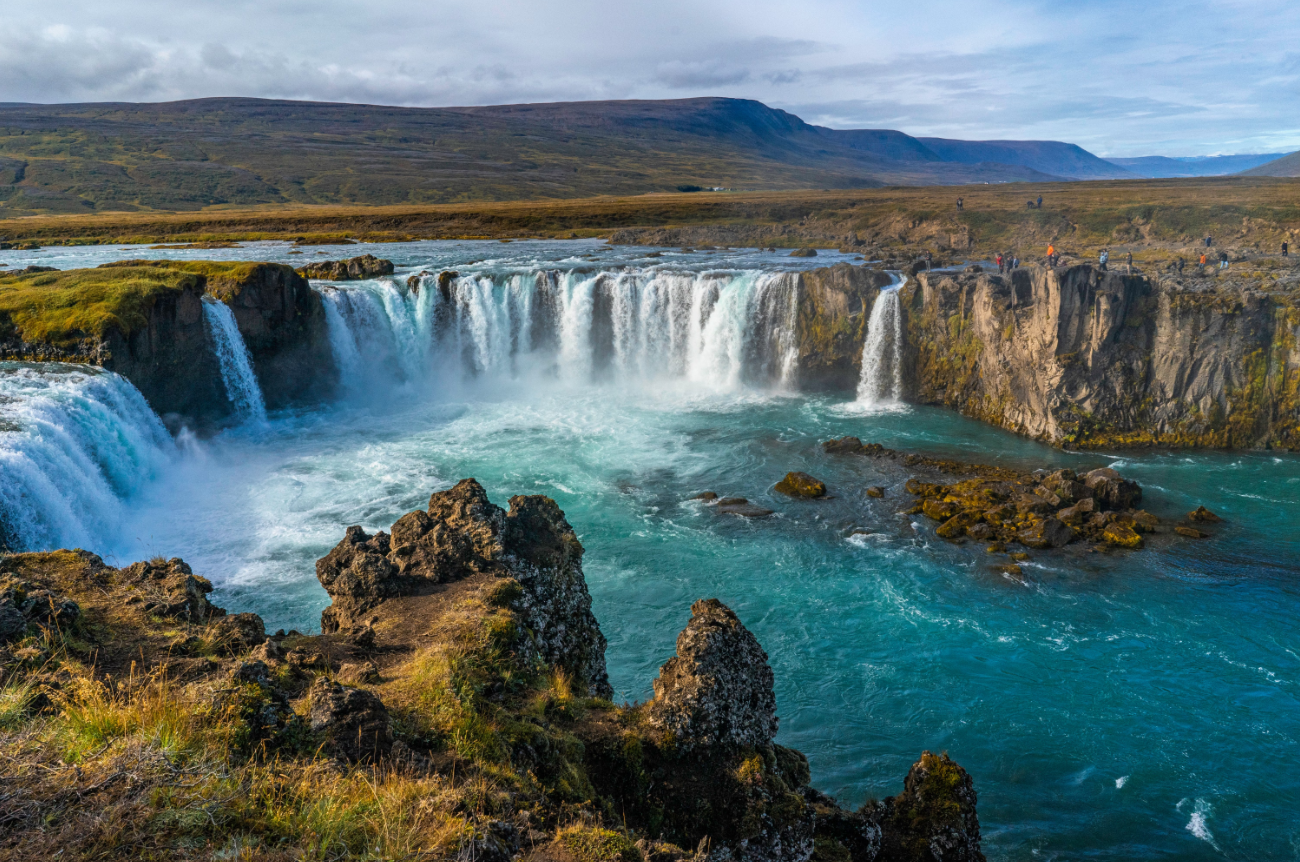
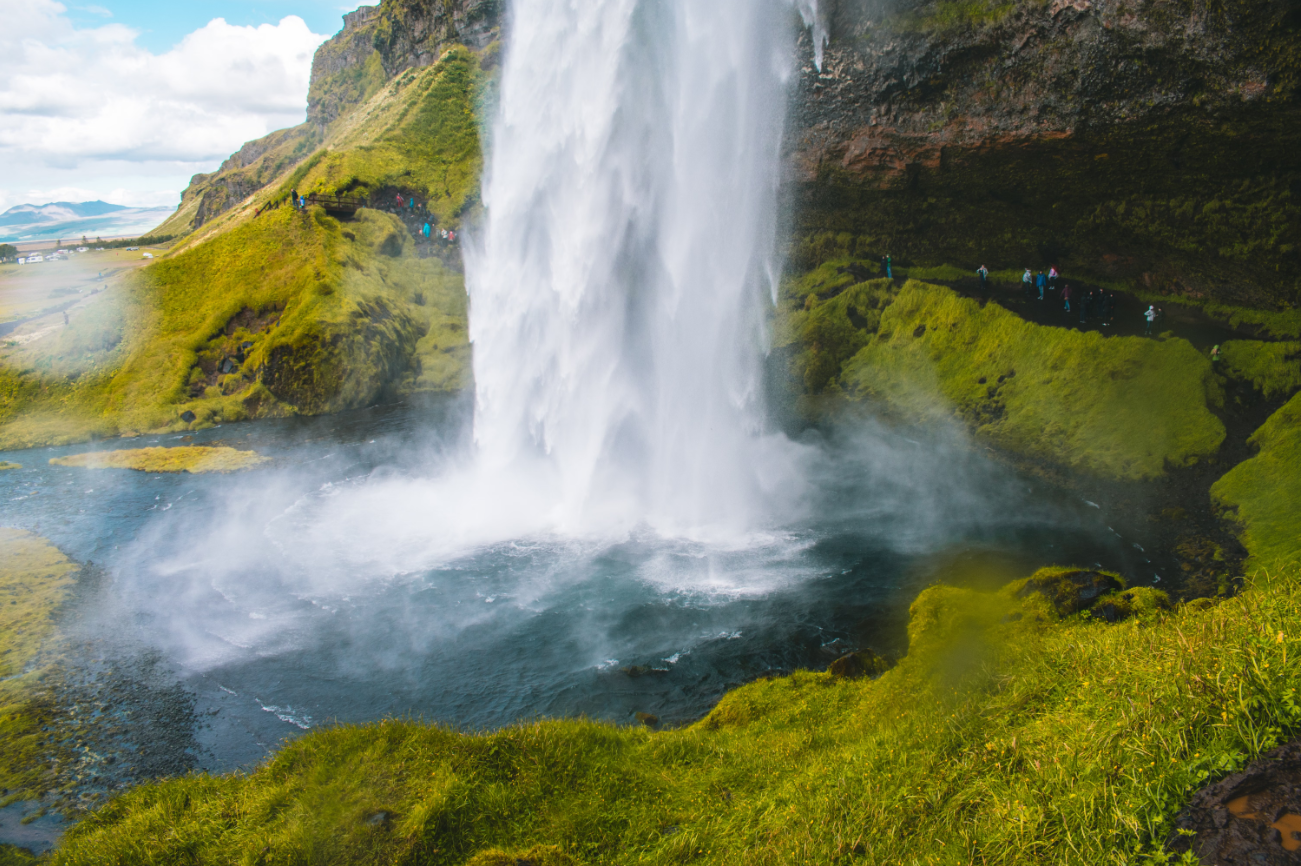
Iceland has an additional advantage: aurora viewing can easily be combined with glaciers, waterfalls, volcanoes, geothermal pools and dramatic coastlines. Norway combines aurora hunting with fjords and Arctic towns, while Finland offers snowy forests, frozen lakes and specialised aurora accommodation.
Best Time to See Northern Lights in Iceland
For Iceland specifically, the practical season runs from late August through late April. Visit Iceland recommends darkness, clear or partly clear skies and being outside roughly from 10 p.m. to 1 a.m.
September and October can be ideal for travellers seeking relatively moderate conditions alongside increasing darkness. November through March offers longer nights and a stronger winter atmosphere. February and March are particularly appealing because daylight starts returning while evenings remain sufficiently dark.
The best time to see northern lights in Iceland is therefore a compromise between darkness, cloud conditions, solar activity, travel costs and other experiences.
There is no single guaranteed month.
How Many Nights Should You Stay?
If the Northern Lights are the main purpose of your holiday, staying several nights is one of the most effective strategies.
A one-night trip creates only one opportunity. Three to five nights provide several chances to encounter clear skies and suitable auroral activity. Longer stays are particularly useful in maritime destinations such as Iceland, where weather can change rapidly.
Instead of asking only when is the best time to view the aurora borealis, consider how many viewing opportunities you can create. More nights, flexible transport and access to dark skies can substantially improve the overall experience.
How to Improve Your Chances
Choose accommodation away from strong artificial light whenever possible. A rural location with an unobstructed view of the sky can make a considerable difference.
Check both weather and space-weather forecasts. In Iceland, the Meteorological Office provides an official aurora forecast showing cloud cover and predicted activity.
Dress appropriately for waiting outdoors. Warm footwear, gloves, a hat and several insulating layers are essential, especially between November and March.
Patience is also important. Some aurora displays begin as a faint grey or green glow before becoming brighter. Give your eyes time to adjust to darkness and avoid spending the entire waiting period looking at a bright phone screen.
Photographing the Aurora
Modern smartphones can photograph the aurora surprisingly well using dedicated night modes. A tripod helps because longer exposures require the camera to remain steady.
Dedicated cameras offer greater control. A wide lens, wide aperture, manual focus and relatively short exposure can work well for a moving display. Longer exposures can reveal faint aurora but may blur rapidly changing patterns.
Remember that cameras can record colours more strongly than the human eye during weak displays. The photograph should complement the experience rather than become the entire purpose of the night.
Common Mistakes to Avoid
The biggest mistake is believing that a particular calendar date guarantees an aurora. No date can provide that certainty.
Another common error is checking only an aurora forecast while ignoring cloud cover. Strong geomagnetic activity is irrelevant if the sky is completely overcast.
Remaining in a brightly illuminated city centre can also reduce visibility. If practical, travel to a darker location away from streetlights and buildings.
Finally, do not expect every display to resemble dramatic photographs online. Some nights produce subtle arcs or pale green patches, while stronger storms can create rapidly moving curtains covering much of the sky.
The best time to see aurora borealis is therefore the moment when darkness, clear skies and geomagnetic activity overlap.
Final Verdict
So, what is the best time to see northern lights? For most travellers, September through March is the strongest overall window, with September–October and February–March particularly attractive because of equinox-related geomagnetic activity. December and January remain excellent because of their long, dark nights, although winter weather can be more demanding.
When is the best time to view the aurora borealis during the night? Start watching from around 10 p.m. through 1 or 2 a.m., while remaining flexible because displays can appear outside this period.
Ultimately, the best time to see aurora borealis is not one specific date. It is a period when you have dark skies, favourable cloud conditions, useful geomagnetic activity and enough time to wait.
Choose a destination within the auroral zone, stay for several nights, monitor official forecasts and remain flexible. With those conditions in place, you maximise your opportunity to witness one of the world's most extraordinary natural spectacles.

Comments 0
Only approved comments are shown here.