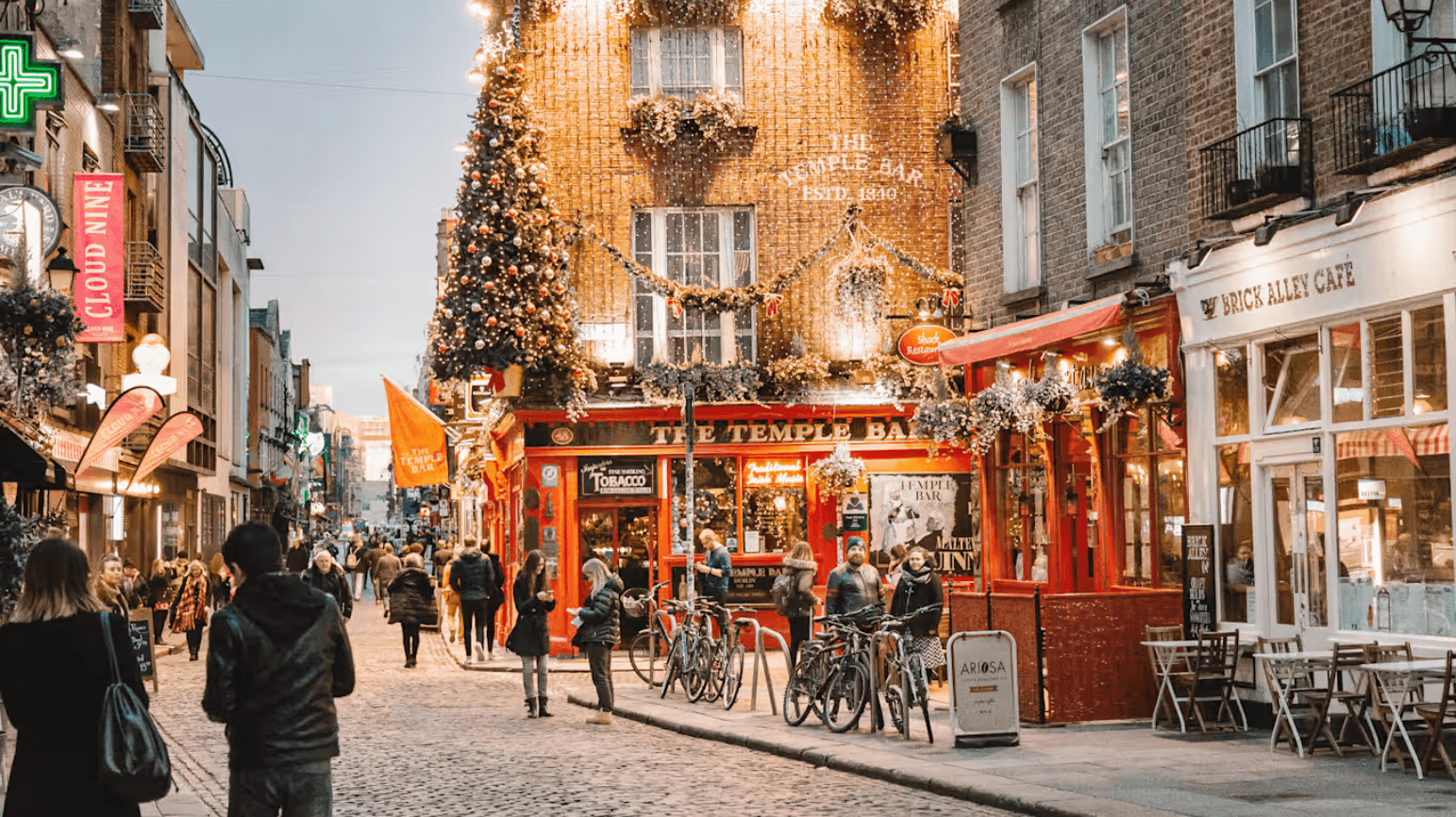
Dublin isn’t a city you “time” in the usual way—it’s a place you learn to read. The light changes everything. In June, the sun lingers past 10pm, turning the River Liffey golden and stretching your day far beyond expectation, while in January, the same streets feel quieter, wrapped in mist and pub-glow. That’s why the best time to visit Dublin Ireland isn’t just about temperature—it’s about atmosphere, rhythm, and what kind of city you want to experience.
Locals will tell you this: Dublin rarely gets too hot or too cold, with temperatures typically staying between about 3°C and 20°C, but the real story is the unpredictability—sunshine can turn to rain in minutes . The best time of year to visit Ireland depends on whether you want long summer evenings, cultural buzz, or quieter, more authentic moments when the city slows down and reveals its true character.
Weather Overview in Dublin
Dublin’s climate is mild but changeable, often described as experiencing “four seasons in a day.” Rainfall is common throughout the year, particularly in autumn and winter.
- Summer (June–August): 16°C to 22°C, warmest and driest period
- Spring (March–May): 8°C to 15°C, cool but pleasant
- Autumn (September–November): 10°C to 18°C, mild with fewer crowds
- Winter (December–February): 3°C to 8°C, cold and damp
This variability plays a major role in determining the best time of year to visit Ireland, especially for outdoor exploration.
This post contains affiliate links. If you choose to book through them, a small commission may be earned at no additional cost to you. Your support genuinely helps keep the blog running and allows continued creation of high-quality travel guides. Thank you for being here and supporting this journey.
Best Time to Visit Dublin Ireland by Season
Summer (June to August) – Peak Travel Season
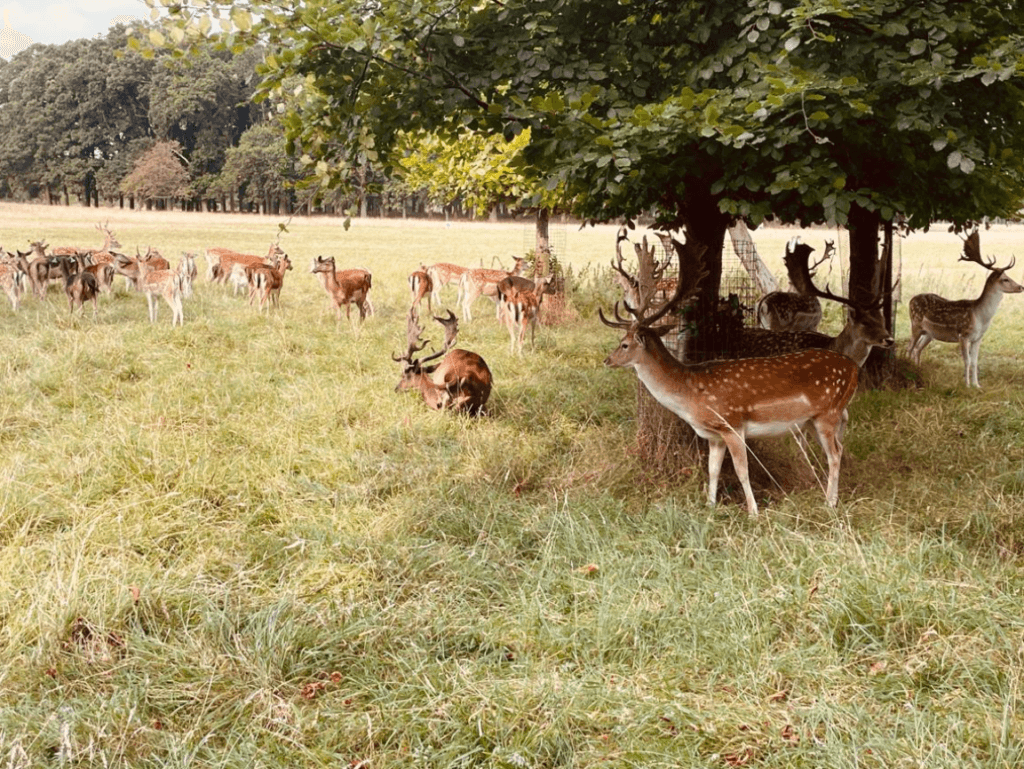
Summer in Dublin feels expansive—days stretch endlessly, with up to 16–17 hours of daylight and sunsets close to 10 PM, giving you time to experience the city without rushing. Temperatures are comfortably mild rather than hot, typically ranging between 16°C and 22°C, making it ideal for long walks, coastal trips, and outdoor exploration.
This is widely considered the best time to visit Dublin Ireland, especially for first-time travellers who want the city at its most alive.
What makes summer special:
- Walk Phoenix Park or cycle through open green spaces under extended daylight
- Take the DART to Howth for cliff walks with clear coastal visibility
- Experience Bloomsday (June 11-16) and open-air concerts across the city
- Enjoy outdoor seating at pubs and cafés—rare but iconic in Dublin
Things to consider:
- Accommodation prices peak, especially in July and August
- Major attractions like Trinity College and Guinness Storehouse get crowded
- Light rain is still common, even on sunny days
Booking early is essential to secure both value and availability.
Spring (March to May) – Fresh, Green, and Underrated
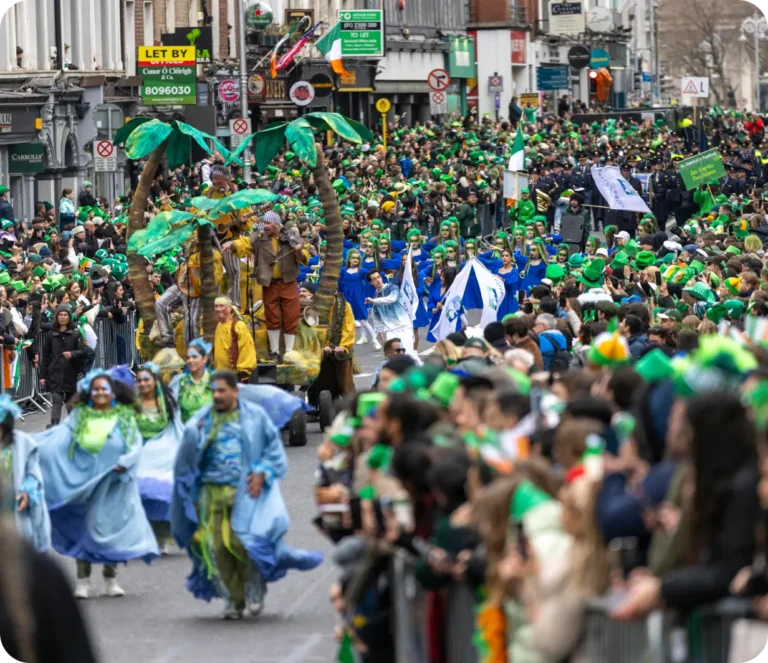
Spring in Dublin feels like the city waking up—parks turn intensely green, flowers bloom across St. Stephen’s Green, and the air carries that crisp Atlantic freshness. Temperatures gradually rise from around 7°C in March to 15°C by May, making it comfortable for walking without the summer crowds.
This season is often considered the best time of year to visit Ireland for travellers who want balance—good weather, lower prices, and a more local atmosphere.
What makes spring special:
- St. Patrick’s Festival in March (14-17th) brings parades and cultural events across the city
- Parks like Phoenix Park and Iveagh Gardens are at their most colourful
- Flights and hotels are noticeably cheaper than summer
- Daylight increases quickly, especially by late April and May
Things to consider:
- Weather can shift quickly between sunshine and showers
- Early spring can still feel chilly, especially in the evenings
Spring offers a quieter, more authentic Dublin—less crowded, more relaxed, and beautifully alive.
Autumn (September to November) – Calm, Cultural, and Scenic

Autumn in Dublin has a slower, more reflective rhythm. The crowds thin out after summer, but the city remains lively with cultural events and warm, golden landscapes. Temperatures hover between 13°C in September and around 7°C by November, staying mild but gradually cooling.
This is a strong contender for the best time to visit Dublin Ireland if you prefer a quieter, more atmospheric experience.
What makes autumn special:
- September offers late-summer warmth without peak-season crowds
- Dublin Fringe Festival (September 5th to 20th, 2026) and cultural events bring creative energy
- Parks like Phoenix Park turn rich shades of gold and amber
- Restaurants, pubs, and cafés feel more relaxed and local
Things to consider:
- Rainfall increases, especially from October onwards
- Daylight hours shorten noticeably by November
Autumn suits travellers who enjoy culture, scenery, and a more intimate version of the city.
Winter (December to February) – Quiet, Cosy, and Atmospheric

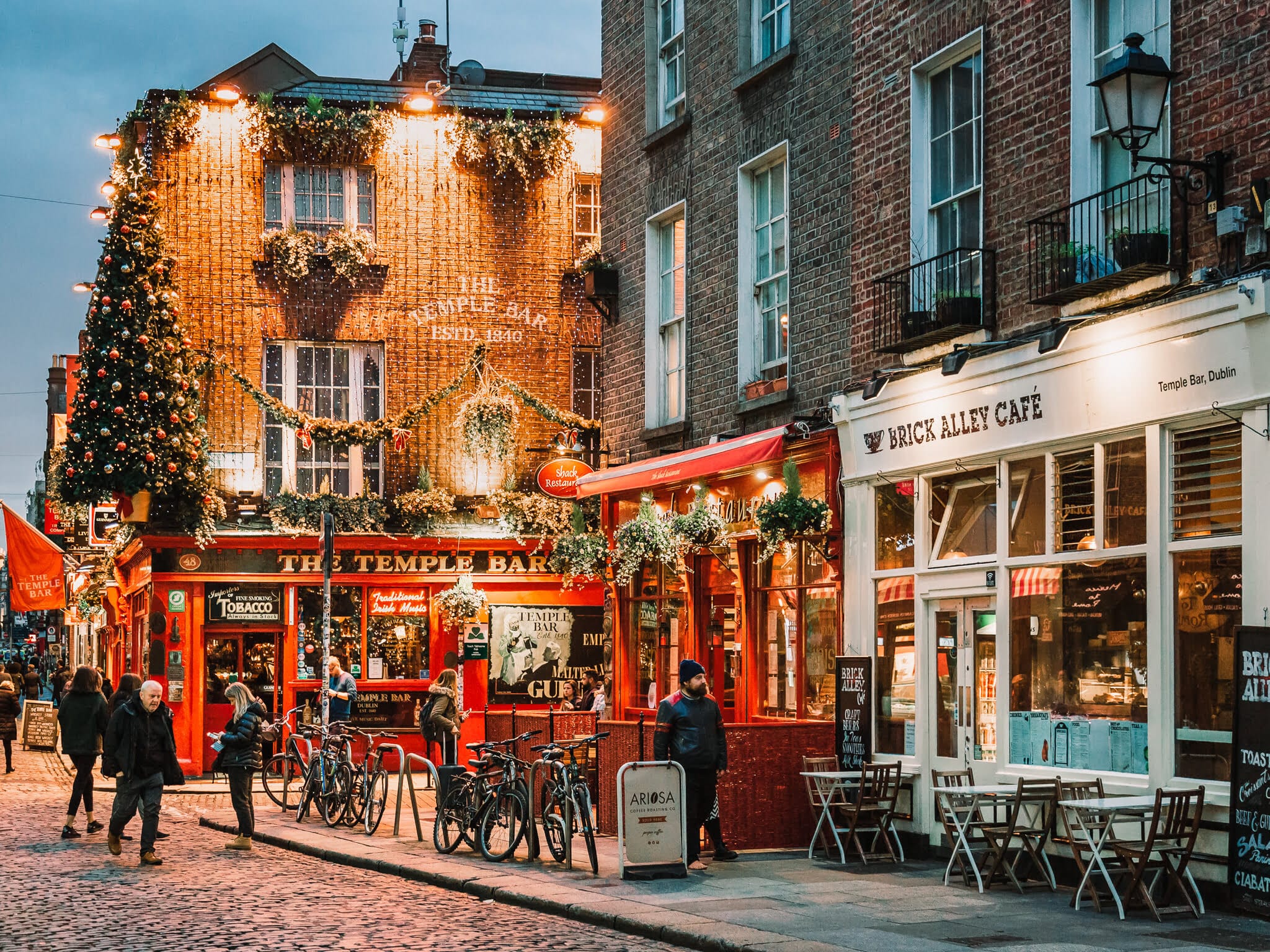
Winter in Dublin is less about sightseeing and more about atmosphere. The city leans into its cosy side—pubs glow with firelight, streets shimmer under rain, and Christmas decorations transform the centre into a festive scene. Temperatures usually stay between 3°C and 8°C, with January being the coldest month.
While not the best time of year to visit Ireland for outdoor exploration, it offers a completely different charm.
What makes winter special:
- Christmas markets, lights, and seasonal events in December
- Fewer tourists, making attractions quieter and more accessible
- Lower hotel and flight prices after the holiday season
- Ideal time for museums, live music, and pub culture
Things to consider:
- Short daylight hours (as little as 7–8 hours)
- Frequent rain and colder evenings
Winter reveals a softer, more intimate Dublin—perfect for those who value atmosphere over activity.
Best Time for Specific Activities
Sightseeing and Outdoor Activities
Late June to early September is ideal due to longer daylight hours and comfortable temperatures.
Festivals and Culture
March (St. Patrick’s Day), June (Bloomsday), and December (Christmas markets) are the most vibrant periods.
Budget Travel
Winter months and early spring offer the lowest prices on flights and accommodation.
Nature and Scenic Views
Spring and autumn provide the best landscapes, with blooming flowers or autumn foliage enhancing Dublin’s parks and countryside.
Travel Tips for Dublin Weather
- Always carry a waterproof jacket due to unpredictable rain
- Layer clothing, as temperatures can fluctuate throughout the day
- Book accommodation early for summer travel
- Consider shoulder seasons for better value and fewer crowds
Ireland’s climate is famously changeable, so flexibility and preparation are key to enjoying the trip.
Final Thoughts
Choosing the best time to visit Dublin ultimately depends on personal preferences. Summer offers the best weather and lively atmosphere, while spring and autumn provide a perfect balance of mild temperatures and fewer crowds. Winter, though colder, delivers a cosy and festive charm ideal for budget-conscious travellers.
Overall, the best time of year to visit Ireland is between May and September for optimal weather, but shoulder seasons like March, April, and September can offer equally rewarding experiences with fewer crowds and better value. Dublin’s year-round appeal ensures that no matter when you visit, the city’s culture, history, and vibrant energy will leave a lasting impression.



Comments 0
Only approved comments are shown here.