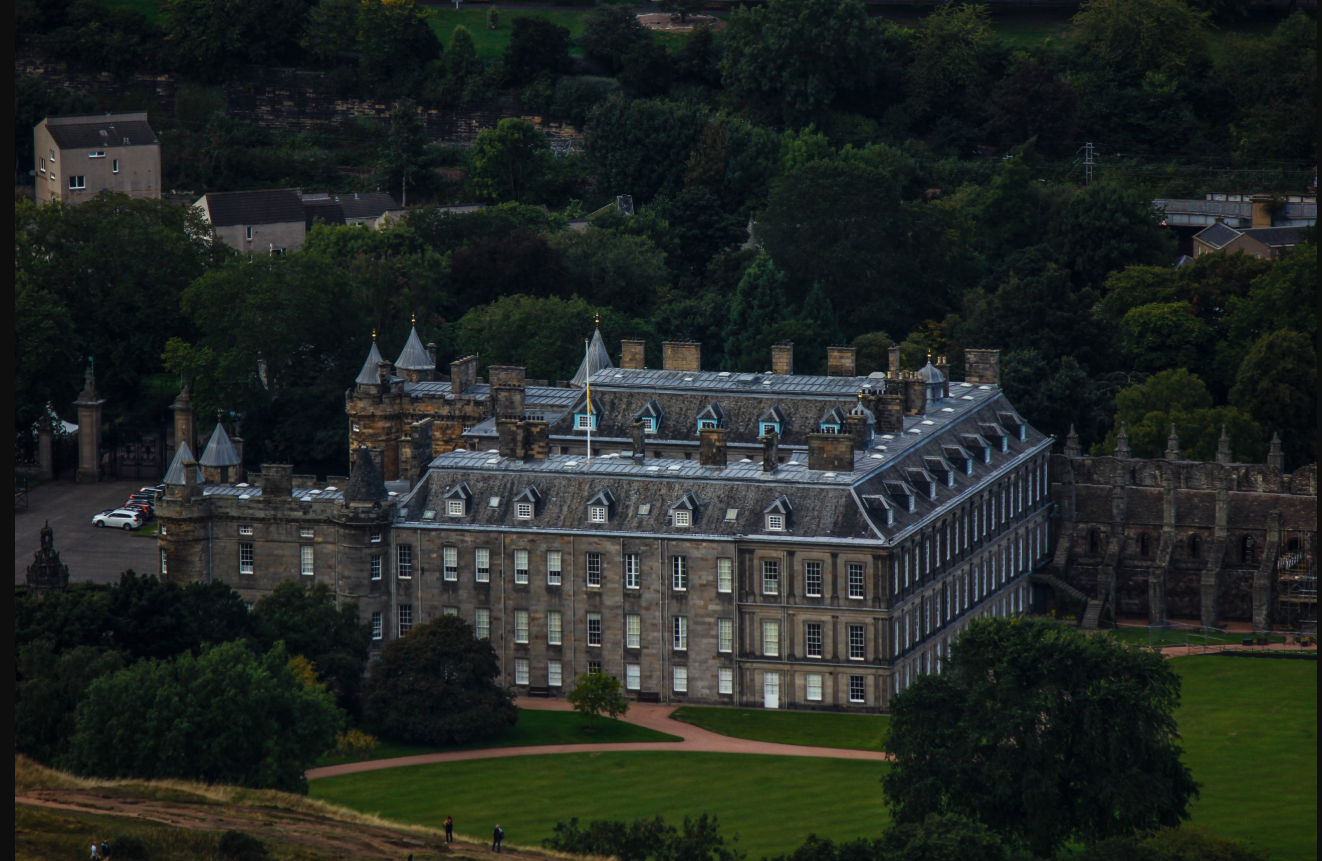
At the eastern end of Edinburgh's famous Royal Mile lies one of Scotland's most captivating historic landmarks—Holyrood Abbey Edinburgh. Standing beside the Palace of Holyroodhouse, the dramatic medieval ruins have witnessed nearly 900 years of Scottish history, from royal coronations and medieval ceremonies to political intrigue and religious transformation.
Founded in 1128 by King David I, Holyrood Abbey became one of Scotland's most important Augustinian monasteries and later played a central role in the country's royal history. Although much of the abbey now stands in picturesque ruins, its soaring Gothic arches, weathered stone walls, and magnificent west façade continue to attract visitors from around the world. Today, access to the abbey is included with admission to the Palace of Holyroodhouse, allowing visitors to experience both the royal residence and one of Edinburgh's most significant medieval monuments during the same visit.
This post contains affiliate links. If you choose to book through them, a small commission may be earned at no additional cost to you. Your support genuinely helps keep the blog running and allows continued creation of high-quality travel guides. Thank you for being here and supporting this journey.
Also Read - Edinburgh National Gallery & Museums in Edinburgh Scotland: The Complete Visitor Guide
Quick Visitor Guide
| Information | Details |
|---|---|
| Location | Palace of Holyroodhouse, Canongate |
| Founded | 1128 |
| Founder | King David I |
| Admission | Included with Palace of Holyroodhouse ticket |
| Recommended Visit | 2–3 hours |
| Best Time | April–May & September–October |
Why Visit Holyrood Abbey Edinburgh?
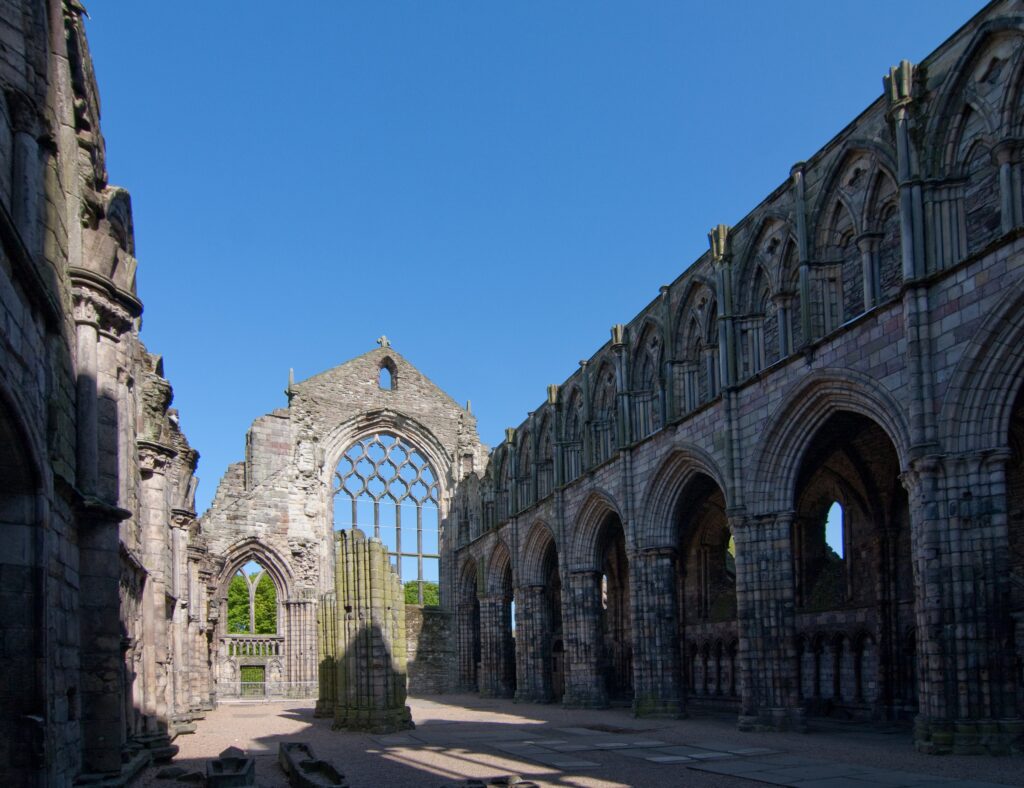
For anyone interested in Scottish history, Holyrood Abbey Edinburgh offers an unforgettable glimpse into medieval Scotland. Unlike many restored monuments, the abbey remains a genuine ruin, allowing visitors to appreciate centuries of architectural evolution and historical change.
Its location beside the Palace of Holyroodhouse makes it particularly special. During a single visit, you can explore the royal apartments, stroll through beautiful palace gardens, and wander among the atmospheric stone arches of Holyrood Abbey with Arthur's Seat rising dramatically in the background.
The abbey has witnessed numerous royal weddings, coronations, parliamentary meetings, and religious ceremonies throughout Scottish history, making it one of the country's most historically significant sites.
The History of Holyrood Abbey
The story of Holyrood Abbey begins with a famous legend.
According to tradition, King David I encountered a magnificent stag while hunting in the forests surrounding present-day Edinburgh. As the animal charged, a glowing cross is said to have miraculously appeared between its antlers. Interpreting the vision as a divine sign, the king founded the abbey in 1128, dedicating it to the Holy Rood (Holy Cross).
Over the following centuries, the abbey flourished as an important Augustinian monastery. Scottish monarchs frequently worshipped here, and the surrounding royal residence gradually evolved into what is now the Palace of Holyroodhouse.
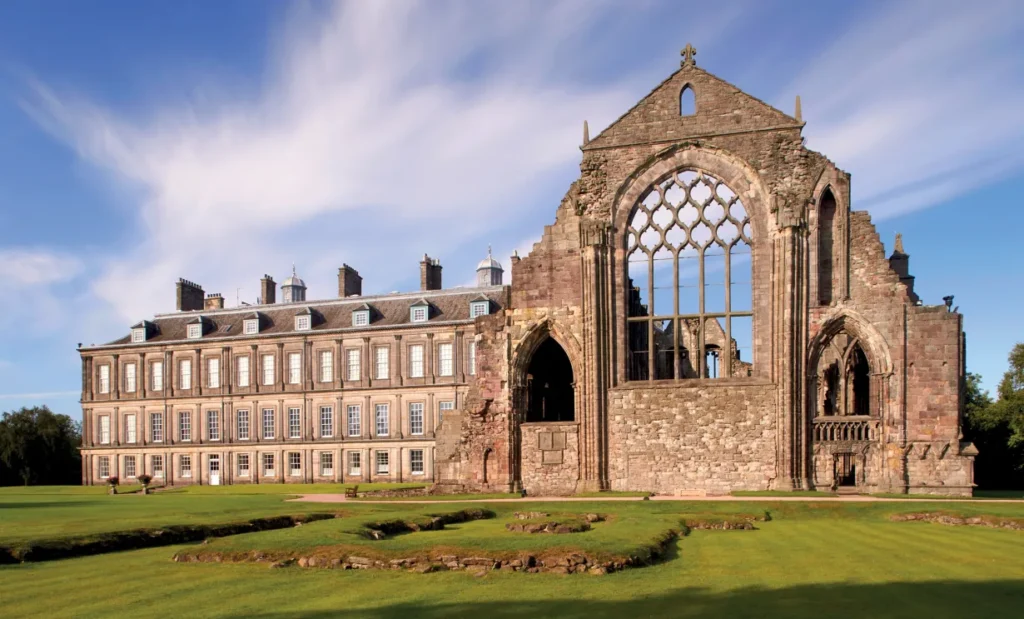
Following the Scottish Reformation during the 16th century, monastic life came to an end. Although parts of the abbey continued to serve royal functions, the nave eventually collapsed after structural failure in the 18th century, leaving the impressive ruins visitors see today.
Architectural Highlights
Although partially ruined, Holyrood Abbey remains an outstanding example of medieval Scottish architecture.
Visitors can admire:
- Magnificent Gothic west façade
- Pointed stone arches
- Flying buttresses
- Beautiful blind arcading
- Medieval window tracery
- Historic cloister remains
- Royal burial connections
The surviving architecture reflects centuries of rebuilding, with Romanesque foundations blending into later Gothic additions. Standing beneath the towering stone arches provides an impressive sense of the abbey's original scale and grandeur.
Visitor Information
The easiest way to visit Edinburgh Holyrood is by purchasing admission to the Palace of Holyroodhouse, as access to Holyrood Abbey is included with the palace ticket.
Opening Hours (2026)
- Main season: 9:30 am – 6:00 pm
- Winter: 9:30 am – 4:30 pm
- Last admission varies by season.
Please note that Holyrood Abbey may occasionally close temporarily for conservation work or during official royal events, so checking current opening information before your visit is recommended.
Facilities
Visitors can enjoy:
- Audio or multimedia guides
- Palace café
- Gift shop
- Accessible pathways (where possible)
- Palace gardens
- Visitor information centre
Photography is generally permitted in the abbey ruins and gardens, although photography inside many palace rooms is not allowed.
Expert Tips for Visiting
To make the most of your visit to Holyrood Abbey Edinburgh:
- Arrive early to enjoy quieter surroundings.
- Combine your visit with the Palace of Holyroodhouse and Holyrood Park.
- Wear comfortable footwear, as paths include uneven historic stone surfaces.
- Allow around 2–3 hours to explore both the palace and abbey.
- Walk back along the Royal Mile afterwards to discover St Giles' Cathedral and Edinburgh Castle.
During summer, the palace gardens provide beautiful views towards Arthur's Seat, making them an excellent place to relax after exploring the abbey ruins.
1. Palace of Holyroodhouse
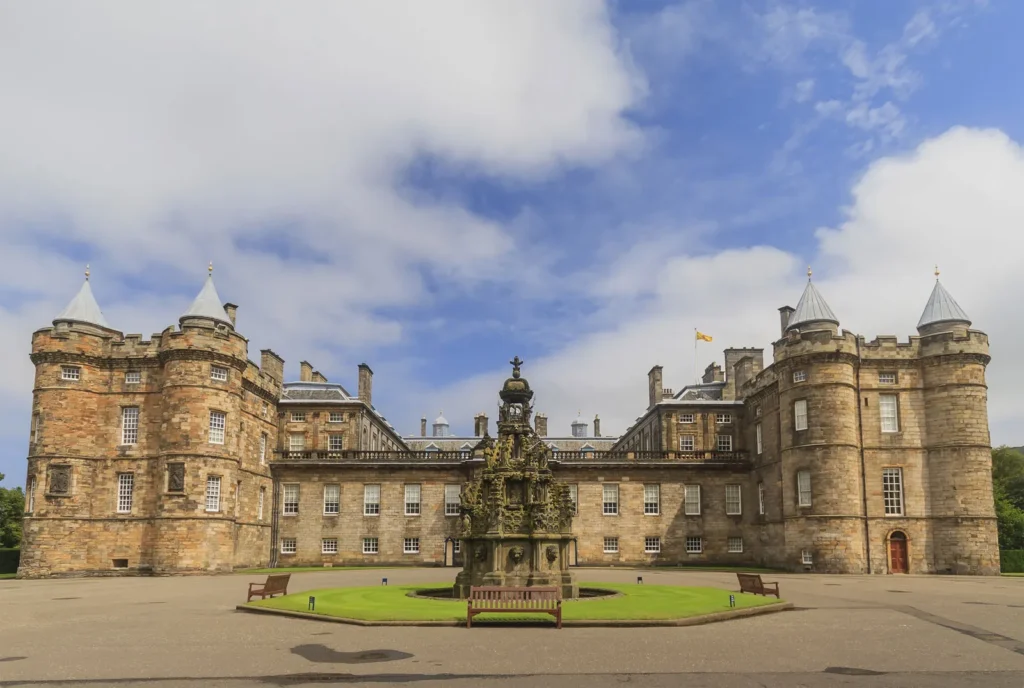
A visit to Holyrood Abbey Edinburgh is incomplete without exploring the magnificent Palace of Holyroodhouse, the official Scottish residence of His Majesty The King. Standing immediately beside the abbey ruins, the palace has served as the principal royal residence in Scotland since the 16th century and continues to host state ceremonies, investitures, and official engagements during Holyrood Week.
The palace beautifully combines medieval foundations with elegant Baroque architecture, allowing visitors to explore centuries of royal history.
Highlights
- State Apartments
- Great Gallery
- Throne Room
- Palace Gardens
- Historic chambers of Mary, Queen of Scots
- Holyrood Abbey ruins
A multimedia guide is included with admission and explains both the palace and Holyrood Abbey in detail. Visitors can also convert their admission into a 1-Year Pass, allowing unlimited return visits for 12 months.
2. Mary, Queen of Scots' Historic Apartments
One of the most fascinating experiences within Edinburgh Holyrood is visiting the apartments once occupied by Mary, Queen of Scots.
These beautifully preserved rooms witnessed some of Scotland's most dramatic historical events, including the murder of Mary's private secretary, David Rizzio, in 1566. Visitors can explore:
- The Queen's Bedchamber
- Audience Chamber
- Outer Chamber
- Historic staircase
- Original decorative ceilings
The multimedia guide vividly recounts Mary's turbulent reign, making these rooms one of the palace's most memorable attractions.
3. Exploring the Holyrood Abbey Ruins
The atmospheric ruins of Holyrood Abbey remain the spiritual heart of the entire complex.
Although the nave collapsed during the 18th century, many remarkable architectural features survive.
Must-See Features
- Gothic west façade
- East processional doorway
- Medieval blind arcading
- Royal vault
- Stone columns and arches
- Cloister remains
Historic Environment Scotland highlights the west front as one of the finest surviving Gothic façades in Scotland, while the east doorway is the only remaining section of King David I's original 12th-century abbey.
Walking through the ruins provides an extraordinary sense of the abbey's original grandeur and centuries of royal history.
4. Palace Gardens
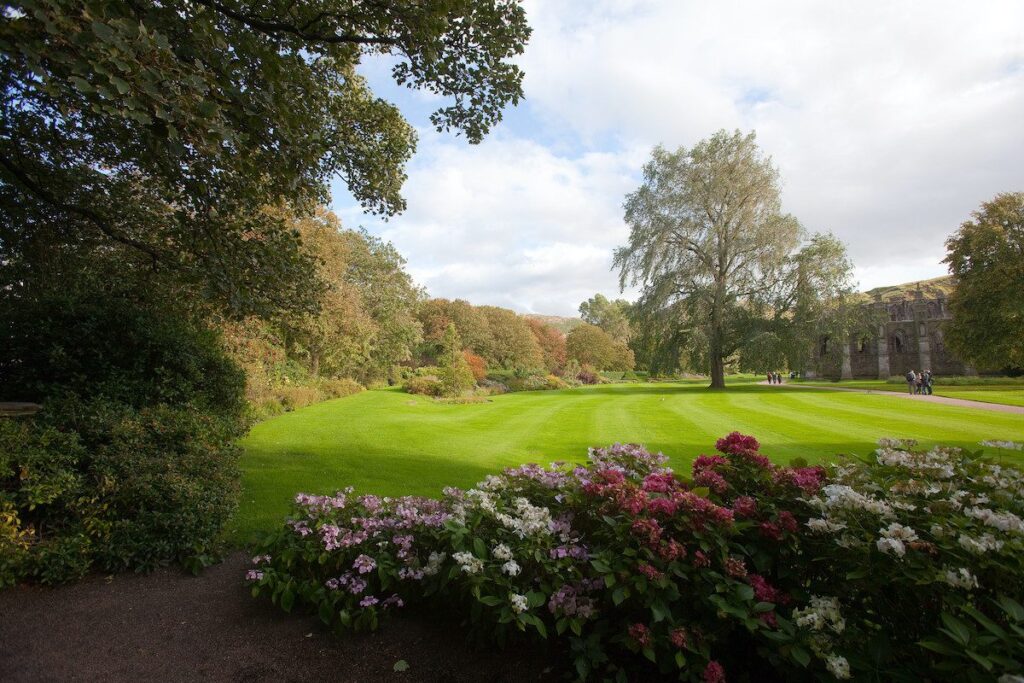
Many visitors overlook the beautiful Palace Gardens, yet they form an important part of the Holyrood Abbey Edinburgh experience.
The gardens include:
- Formal lawns
- Historic walkways
- Seasonal flower displays
- Mature trees
- Excellent viewpoints towards Arthur's Seat
During summer, the gardens provide one of the most picturesque settings in central Edinburgh and are occasionally used for royal garden parties and ceremonial events.
5. Holyrood Park
Immediately behind the palace lies Holyrood Park, a spectacular 640-acre royal park offering dramatic volcanic landscapes, walking trails, and panoramic views over Edinburgh.
Visitors can easily combine Holyrood Abbey Edinburgh with:
- Salisbury Crags
- St Margaret's Loch
- Dunsapie Loch
- Scenic walking routes
- Wildlife spotting
The contrast between medieval architecture and rugged natural scenery makes this one of Edinburgh's most rewarding sightseeing combinations.
6. Arthur's Seat
Towering above Edinburgh Holyrood is Arthur's Seat, the city's extinct volcano and highest viewpoint.
Standing approximately 251 metres above sea level, the summit rewards hikers with spectacular views across:
- Edinburgh Castle
- Royal Mile
- Firth of Forth
- Pentland Hills
- Palace of Holyroodhouse
- Holyrood Abbey
Most visitors complete the climb in 45–90 minutes, depending on the chosen route and weather conditions.
Royal Traditions That Continue Today
The Palace of Holyroodhouse remains an active royal residence, and the surrounding Holyrood Abbey continues to form part of Scotland's ceremonial landscape.
Each summer during Holyrood Week, the monarch carries out official engagements in Scotland, hosts investitures and garden parties, and welcomes guests to the palace. The royal connection has continued uninterrupted for centuries, making Holyrood Abbey Edinburgh far more than simply a historic ruin—it remains part of Scotland's living royal heritage.
A special highlight in 2026 is the temporary opening of Queen Elizabeth II's former private apartments from 21 May to 10 September, offering visitors a rare opportunity to see rooms that were previously closed to the public.
Practical Half-Day Itinerary
A visit to Holyrood Abbey Edinburgh is easy to combine with several of Edinburgh's most famous attractions because they are all located at the eastern end of the Royal Mile.
Morning
- Palace of Holyroodhouse
- Holyrood Abbey
- Palace Gardens
Allow approximately 2–3 hours to explore the palace interiors, medieval abbey ruins, and gardens at a comfortable pace.
Lunch
Enjoy lunch at the Palace Café or choose one of the cafés and traditional Scottish restaurants along the lower Royal Mile.
Afternoon
Continue your Edinburgh Holyrood experience by visiting:
- Holyrood Park
- Arthur's Seat
- Dynamic Earth (optional)
- Scottish Parliament
This itinerary combines royal history, medieval architecture, and Edinburgh's spectacular natural scenery in a single visit.
Royal Mile Area Guide
One of the biggest advantages of visiting Holyrood Abbey is its location.
| Attraction | Walking Time |
|---|---|
| Palace of Holyroodhouse | — |
| Holyrood Abbey | Inside Palace Grounds |
| Scottish Parliament | 2 minutes |
| Dynamic Earth | 5 minutes |
| Holyrood Park | 5 minutes |
| Arthur's Seat | 10–15 minutes |
| Royal Mile | Immediate access |
| Edinburgh Castle | 25–30 minutes |
Walking the full Royal Mile from Edinburgh Castle to Holyrood Abbey Edinburgh allows visitors to experience nearly every major historic attraction in the Old Town.
Tickets & Opening Hours (2026)
Entry to Holyrood Abbey is included with admission to the Palace of Holyroodhouse.
Standard Admission (Advance Booking)
- Adult: £22
- Young Person (18–24): £14
- Child (5–17): £11
- Under 5: Free
- Free Access Companion ticket available for eligible visitors.
Opening Hours (2026)
Summer (main season)
- 9:30 am – 6:00 pm
Winter
- 9:30 am – 4:30 pm
The palace is generally open daily in the main summer season and Thursday to Monday during much of the rest of the year. It also closes on selected dates for official royal events, and Holyrood Abbey was temporarily closed for conservation between 23 February and 12 March 2026. Always check the latest opening information before travelling.
Accessibility
The Palace of Holyroodhouse has made significant improvements to accessibility.
Facilities include:
- Step-free access to most visitor areas
- Accessible toilets
- Wheelchairs available
- Multimedia guide with subtitles
- British Sign Language guide
- Audio-described guide
- Free companion tickets
- Registered assistance dogs welcome
Some historic rooms, including parts of Mary, Queen of Scots' Apartments, have limited accessibility because of their original architecture.
Best Time to Visit
The best seasons for exploring Holyrood Abbey Edinburgh are:
Spring (April–May)
- Mild temperatures
- Beautiful gardens
- Smaller crowds
Summer (June–August)
- Longer daylight hours
- Holyrood Week
- Peak visitor season
Autumn (September–October)
- Pleasant weather
- Excellent photography
- Fewer visitors
For the quietest experience, arrive shortly after opening at 9:30 am.
Frequently Asked Questions (FAQs)
Is Holyrood Abbey free to visit?
No. Entry to Holyrood Abbey is included with a Palace of Holyroodhouse admission ticket.
How long should I spend at Holyrood Abbey Edinburgh?
Most visitors spend 2–3 hours exploring the palace, abbey ruins, gardens, and visitor facilities.
Can you visit Holyrood Abbey without entering the palace?
No. The abbey lies within the Palace of Holyroodhouse grounds and is accessed through the palace visitor route.
Is Holyrood Abbey still used today?
Although Holyrood Abbey is no longer an active place of worship, it remains one of Scotland's most important historic monuments and forms part of the official royal estate at Holyroodhouse.
Is photography allowed?
Photography is generally permitted in the abbey ruins, palace gardens, and outdoor areas, but not inside the State Apartments.
Conclusion
Holyrood Abbey Edinburgh is one of Scotland's most remarkable historic attractions, combining medieval monastic heritage with centuries of royal tradition. Founded in 1128 by King David I, the abbey has witnessed royal ceremonies, political upheaval, and architectural transformation, while its dramatic ruins remain among the most atmospheric in the country. Together with the Palace of Holyroodhouse, Holyrood Park, and Arthur's Seat, Edinburgh Holyrood offers an unforgettable blend of history, architecture, and natural beauty. Whether you're interested in medieval Scotland, royal history, or simply exploring one of Edinburgh's most iconic landmarks, Holyrood Abbey deserves a place on every visitor's itinerary.

Comments 0
Only approved comments are shown here.