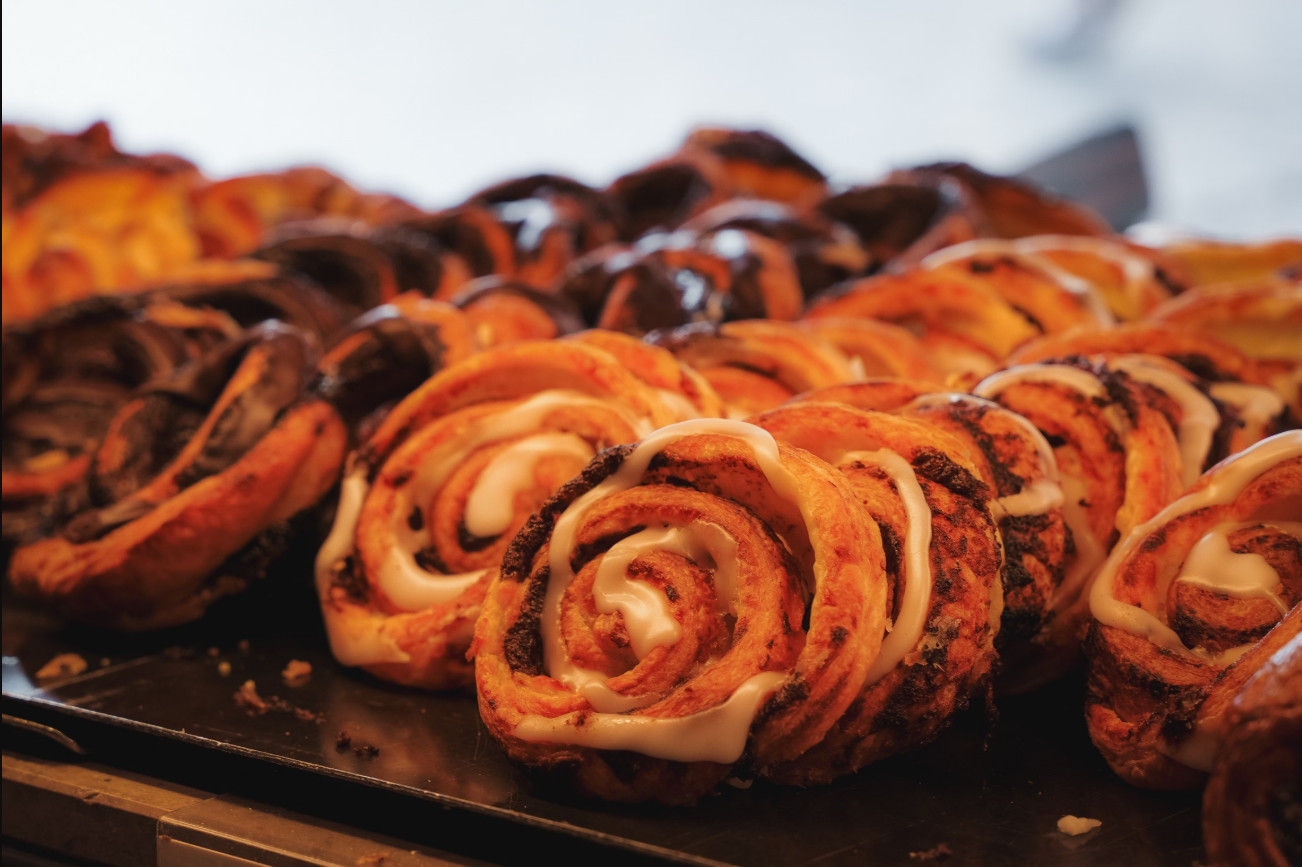
Few foods are as closely associated with Denmark as buttery, golden pastries fresh from a bakery. If you are searching for a sweet flaky pastry from Denmark, the answer is usually wienerbrød, the Danish term for the family of pastries internationally known as Danish pastries. The name literally means “Viennese bread,” reflecting the important Austrian influence behind the baking tradition.
A traditional Danish pastry is made from laminated yeast dough. Butter is folded between layers of dough, creating the characteristic crisp exterior and delicate, airy layers when baked. Danish bakeries transform this basic dough into numerous shapes filled or topped with custard, cinnamon, marzipan, chocolate, fruit and other ingredients.
The result is not one single pastry but an entire family of baked treats. From spandauer and kanelsnegle to tebirkes and frøsnapper, discovering Denmark's pastries is an essential part of exploring the country's food culture.
Also Read - Danish Desserts: 15 Traditional Sweet Treats to Try in Denmark
1. What Is a Danish Pastry?
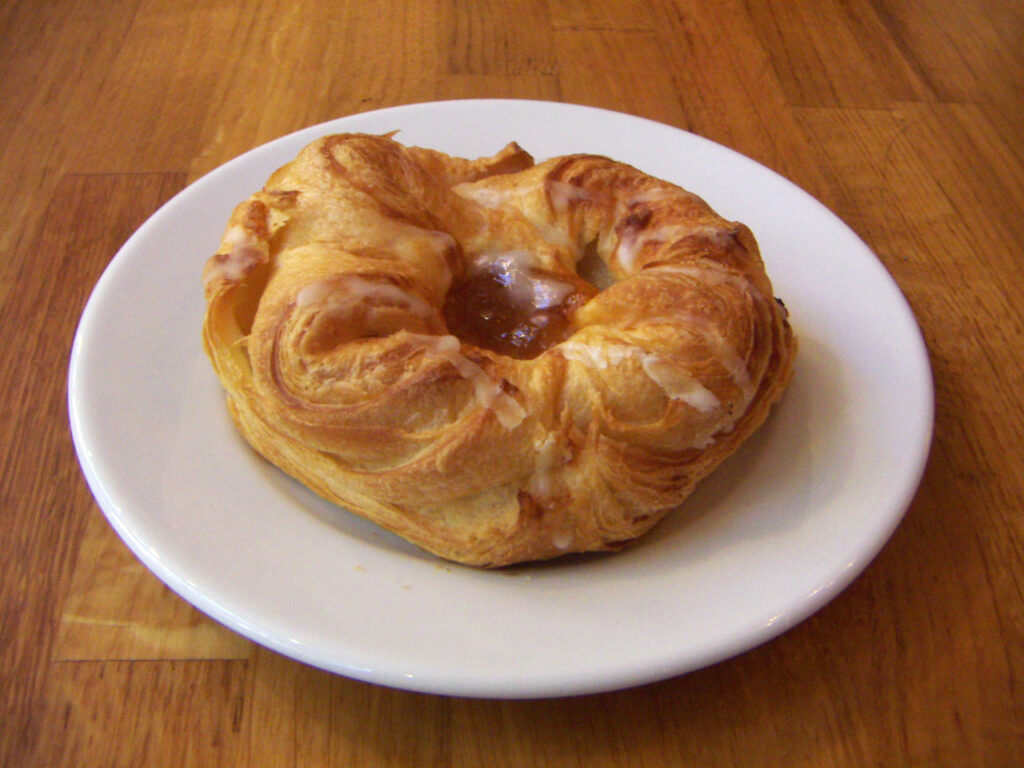
A Danish pastry is a rich, layered pastry traditionally prepared using laminated yeast dough. Lamination involves repeatedly folding butter into dough, producing numerous alternating layers.
During baking, moisture in the butter creates steam, helping separate those layers and producing the characteristic flaky structure. The inclusion of yeast distinguishes many Danish pastry doughs from simpler laminated pastry preparations.
The finished pastries can take many forms. Some are twisted or coiled, while others have folded corners surrounding custard or jam. Fillings can include vanilla cream, almond paste, cinnamon, fruit preserves or chocolate.
In Denmark, these pastries are collectively known as wienerbrød. VisitDenmark specifically highlights varieties such as snegle and spandauer when introducing visitors to Danish bakery culture.
2. Why Is Danish Pastry Called Wienerbrød?
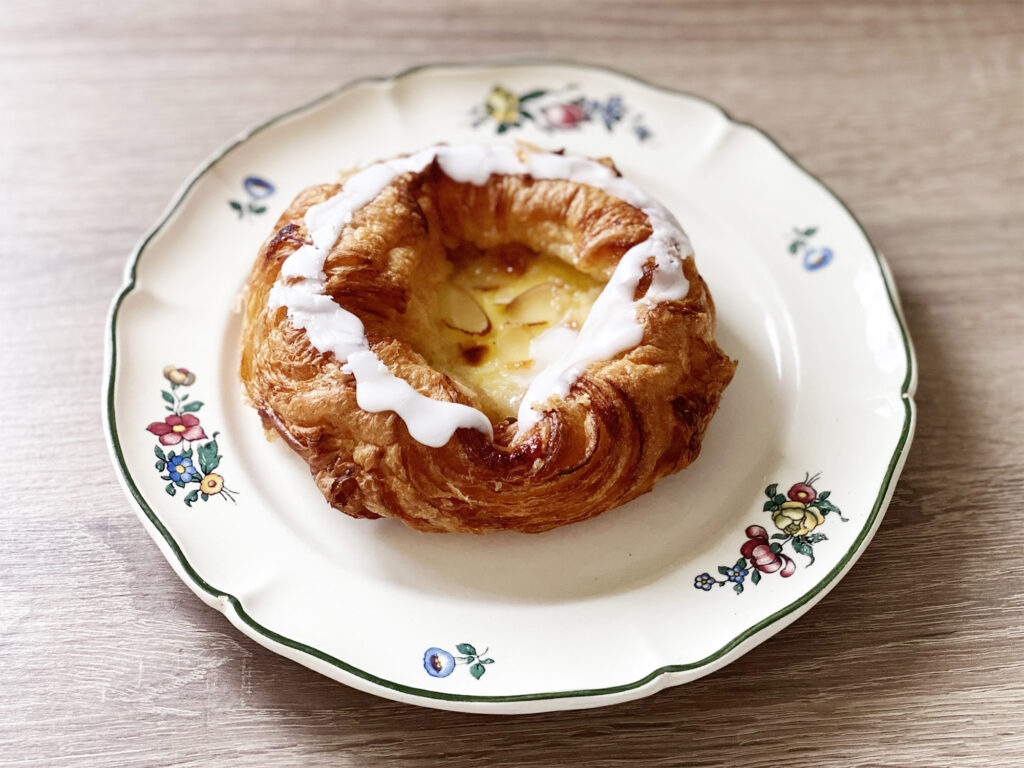
The name wienerbrød translates literally as “Viennese bread.” This provides an important clue to the pastry's history.
Although international travelers associate this sweet flaky pastry from Denmark strongly with Danish cuisine, its development involved significant Austrian influence. VisitDenmark explains that Viennese baking traditions reached Denmark during the nineteenth century and subsequently became incorporated into Danish baking.
Danish bakers eventually adapted these techniques and developed numerous distinctive shapes, fillings and recipes. The resulting pastries became deeply integrated into Danish bakery culture.
This creates an interesting naming difference. Much of the English-speaking world calls them “Danish pastries,” while Danes themselves use a name referencing Vienna.
That international exchange is therefore preserved directly in the pastry's Danish name.
3. Spandauer – The Classic Danish
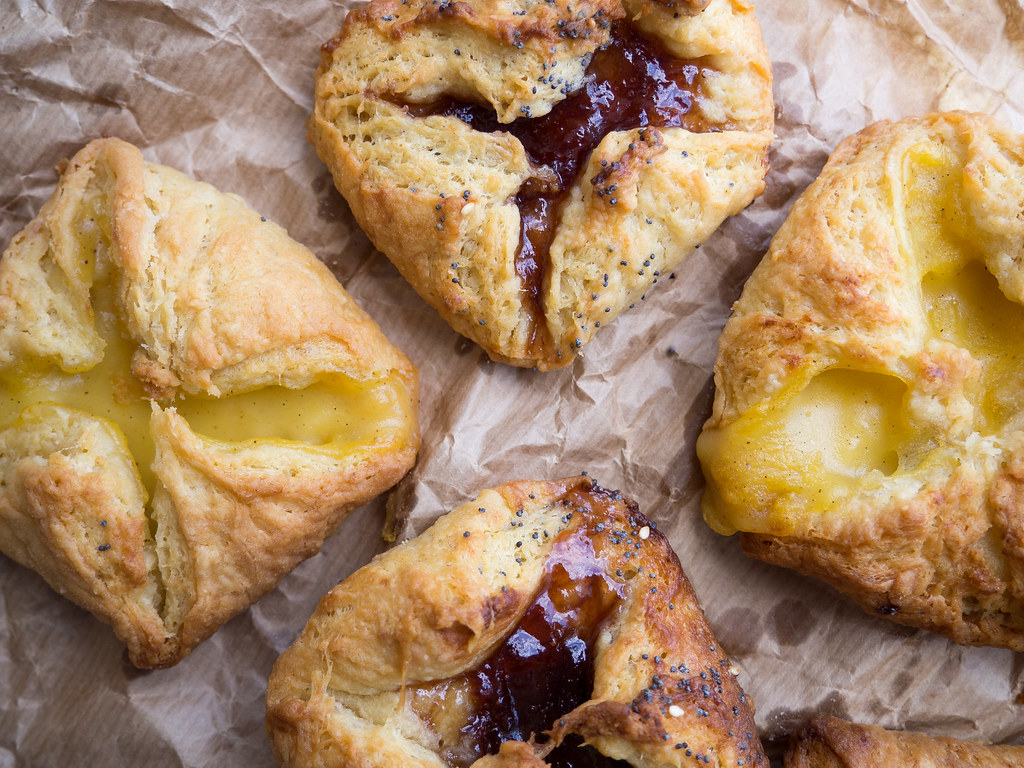
Spandauer is perhaps the pastry that most closely resembles what international visitors imagine when hearing “Danish.”
It is generally constructed from laminated dough folded into a rounded or square shape with a filling placed in the center. Vanilla custard is particularly traditional, although jam and other variations are common.
The combination is simple but effective. The outer pastry becomes golden and flaky while the center remains soft and creamy.
Spandauer demonstrates why Danish pastry cannot be defined solely by one filling. The laminated dough provides the foundation, while different fillings allow bakers to create considerable variation.
When visiting a traditional bakery in Copenhagen or elsewhere in Denmark, look specifically for the word spandauer rather than simply asking for a “Danish.”
4. Kanelsnegl – Danish Cinnamon Snail
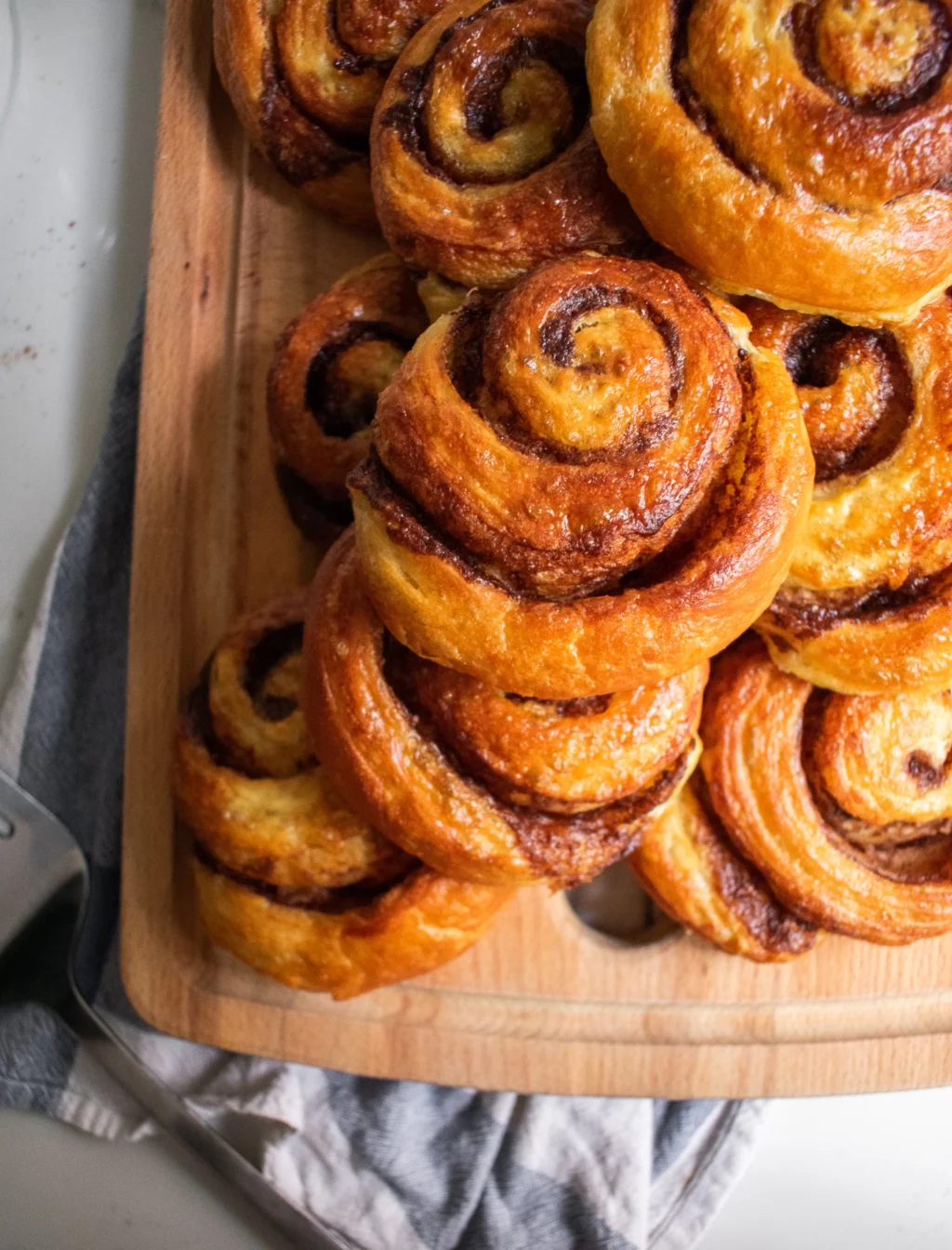
Kanelsnegl literally means “cinnamon snail,” referring to the pastry's distinctive spiral shape.
Layers of dough are rolled with a cinnamon-based filling before being shaped into coils. Baking caramelizes parts of the filling while creating crisp edges and a softer center.
VisitDenmark specifically recommends kanelsnegl among the traditional pastries visitors should try while exploring Danish food.
Although cinnamon rolls exist across Scandinavia and beyond, Danish bakery versions reflect the country's wider enthusiasm for laminated and enriched dough.
A good kanelsnegl balances butter, spice and sweetness rather than relying entirely on heavy icing.
Pair one with coffee for a simple introduction to everyday Danish bakery culture.
5. Frøsnapper – Twisted and Savory-Sweet
Frøsnapper offers a different experience from custard-filled pastries. VisitDenmark specifically identifies it alongside kanelsnegl as one of the pastries travelers may encounter around Denmark.
Its twisted shape creates numerous crisp edges, while seeds add texture and a distinctive appearance. Depending on the bakery and preparation, the flavor can move between savory and subtly sweet.
This makes frøsnapper an interesting choice for visitors who find heavily glazed pastries overwhelming.
The layered structure remains important, however. Butter and lamination create the crispness associated with traditional wienerbrød.
Try it alongside a stronger coffee as part of a Danish breakfast or mid-morning bakery stop.
6. Tebirkes – A Poppy Seed Favorite
Tebirkes is another bakery classic worth discovering. Its recognizable rectangular form is generally covered generously with poppy seeds.
Inside, the laminated pastry creates contrasting textures: a lightly crisp exterior surrounding softer buttery layers.
Some versions contain a sweet remonce filling, typically involving sugar and fat, creating additional richness beneath the relatively understated appearance.
Among varieties of Danish pastry, tebirkes demonstrates how important texture can be. The poppy seeds provide slight crunch while the laminated dough creates delicate layers underneath.
It is particularly well suited to breakfast or an afternoon coffee rather than functioning exclusively as a dessert.
7. Kringle – A Celebratory Pastry
Kringle is another important name within Scandinavian baking. Its distinctive twisted or shaped form has become strongly associated with bakery traditions.
Different recipes incorporate fillings such as almond paste, nuts, raisins or other sweet ingredients.
Unlike an individual spandauer, kringle can be prepared as a larger pastry intended for slicing and sharing. That makes it particularly appropriate for gatherings and coffee tables.
The precise shape, filling and preparation can vary considerably between bakeries and regional traditions.
For travelers exploring Danish food, kringle demonstrates how laminated and enriched pastry extends beyond individually portioned bakery treats.
8. What Makes Danish Pastry So Flaky?
The secret behind the characteristic texture is lamination.
Instead of simply mixing butter completely into the dough, bakers create layers of dough and butter through repeated rolling and folding. Keeping the butter relatively cool helps maintain distinct layers before baking.
King Arthur Baking's Danish pastry recipe uses substantial butter alongside flour, yeast, sugar, milk and eggs. The recipe requires repeated rolling and folding, followed by chilling and resting periods.
Temperature matters considerably. Butter that becomes excessively warm can merge into the dough instead of maintaining separate layers.
When properly laminated dough reaches the oven, those layers expand and separate, creating the crisp, airy structure that distinguishes Danish pastry from ordinary sweet bread.
9. Traditional Danish Pastry Ingredients
Although individual recipes vary, the basic ingredients are straightforward.
A typical dough contains flour, butter, yeast, sugar, milk or water, eggs and salt. Some recipes also incorporate cardamom or vanilla for additional flavor. King Arthur Baking, for example, includes optional cardamom and vanilla in its preparation.
Butter is particularly important because it creates both flavor and laminated texture.
Fillings provide much greater variety. Popular possibilities include:
- Vanilla custard
- Cinnamon and sugar
- Almond or marzipan filling
- Fruit preserves
- Chocolate
- Cream cheese
- Nuts
- Poppy seeds
This flexibility explains why two pastries made from similar dough can taste dramatically different.
10. Danish Pastry Recipe: Ingredients
For a homemade Danish pastry recipe, you will need a rich yeast dough and plenty of butter for lamination. A practical home version can use:
For the dough: 500g flour, 50g sugar, 7g instant yeast, 1 teaspoon salt, 250ml cold milk, 1 egg and approximately 250g butter for lamination.
For filling: Choose vanilla custard, fruit preserves, cinnamon filling or almond paste.
For finishing: Use beaten egg for an egg wash and, if desired, a simple icing made from icing sugar and a small quantity of milk or water.
Exact quantities vary considerably between recipes. The crucial principle is keeping both dough and butter cool enough to preserve distinct layers during folding.
11. How to Make Danish Pastry Dough
Begin by combining flour, sugar, yeast and salt. Add the liquid ingredients and mix until a cohesive dough forms.
Chill the dough before beginning lamination.
Flatten the butter into an even rectangular block. Roll the chilled dough sufficiently large to enclose the butter, then seal it inside.
Roll the dough carefully into a long rectangle before folding it into thirds. Chill it again before repeating the rolling and folding process.
These repeated folds produce the layers responsible for the finished pastry's texture. Avoid rushing the chilling stages. If the butter begins melting, return the dough to the refrigerator before continuing.
Professional-quality results depend more on careful temperature control and patience than complicated ingredients.
12. Shaping and Filling Your Pastries
Once lamination is complete, roll the chilled dough to an even thickness and cut it into individual portions.
For a spandauer-style pastry, cut squares and fold the corners inward before adding custard or fruit filling to the center. Alternatively, spread cinnamon filling across the dough, roll it into a cylinder and slice it into spirals.
Avoid overfilling. Excessive custard or jam can spill during baking and prevent the pastry from developing an attractive shape.
Place the shaped pastries on a lined baking tray and allow them to proof according to your chosen recipe.
Finally, brush exposed dough lightly with egg wash to encourage a glossy golden finish.
13. Baking Danish Pastries
A properly heated oven is essential because laminated pastry needs strong initial heat to expand effectively.
King Arthur Baking's tested recipe bakes its pastries for approximately 16–18 minutes, although baking time and temperature depend on the recipe, pastry size and oven.
Watch the pastry rather than relying entirely on the timer. The finished exterior should be deeply golden rather than pale.
After removing the pastries from the oven, allow them to cool slightly. Fruit or custard fillings can remain extremely hot.
A simple glaze can be drizzled over cooled pastries, although a well-made wienerbrød does not necessarily need heavy icing.
14. Common Mistakes When Making Danish Pastry
The biggest challenge is keeping the butter at the correct temperature.
If it becomes too warm, it can leak or blend into the dough, destroying the defined layers. If excessively cold, it may crack into hard pieces during rolling.
Another common mistake is skipping resting periods. Chilling allows the butter to firm while giving the dough time to relax, making subsequent rolling easier.
Do not add excessive flour while rolling, either. Extra flour can alter the dough's balance and produce a drier finished pastry.
Finally, avoid underbaking. A pale pastry may have insufficient crispness and can remain doughy around thicker sections.
Patience is the most important ingredient in successful laminated baking.
15. How to Serve Danish Pastry
Fresh pastry is generally at its best when its outer layers remain crisp and the butter aroma is still pronounced.
Coffee makes a natural accompaniment. Rather than treating every sweet flaky pastry from Denmark as an elaborate dessert, enjoy one during breakfast or as an afternoon bakery treat.
Fruit-filled varieties pair particularly well with coffee because their acidity can balance the richness of the dough. Custard and almond versions provide a sweeter, richer experience.
If serving homemade pastries, allow them to cool sufficiently for the internal structure to settle but serve them while reasonably fresh.
The contrast between crisp exterior layers, soft interior and flavorful filling is ultimately what makes wienerbrød so satisfying.
Danish Pastry vs Croissant
Although both pastries use lamination, they should not be treated as identical.
Croissants are particularly associated with their crescent shape and buttery laminated structure. Danish pastries typically incorporate a broader range of shapes, richer doughs and numerous fillings and toppings.
A Danish pastry may contain custard, jam, cinnamon, almond filling or chocolate, while the pastry itself can be square, round, twisted or spiral-shaped.
The relationship between them lies primarily in laminated baking techniques rather than identical recipes.
For travelers, the distinction becomes obvious when entering a Danish bakery. Instead of one standardized pastry, display cases contain numerous shapes and preparations built around related baking principles.
Final Thoughts
The famous pastry tradition of Denmark is considerably more interesting than the international label “Danish” suggests. In Denmark, the broader family is known as wienerbrød, acknowledging the Viennese influence that helped shape the country's nineteenth-century baking traditions.
Today, the sweet flaky pastry from Denmark comes in countless forms. Spandauer provides the familiar combination of laminated dough and custard, kanelsnegl introduces cinnamon, while frøsnapper and tebirkes demonstrate how seeds and different shapes can completely change the experience.
Making your own requires patience. A good Danish pastry recipe depends on careful lamination, controlled temperatures, sufficient resting time and quality butter.
Yet tasting these pastries in Denmark offers something a recipe cannot fully reproduce: the experience of walking into a neighborhood bakery, choosing from a display of freshly baked wienerbrød and enjoying it with coffee as part of everyday Danish food culture.


Comments 0
Only approved comments are shown here.