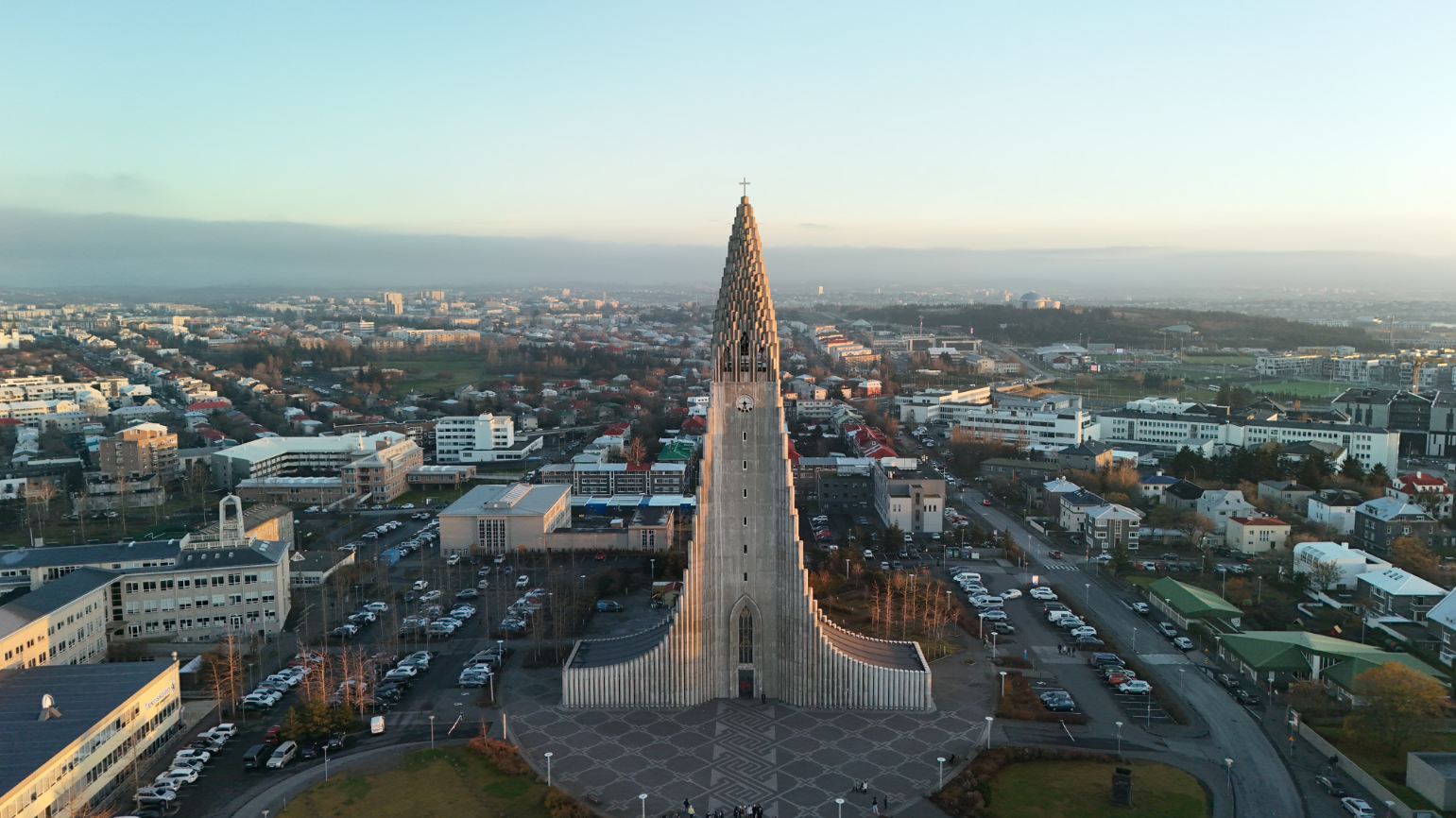
Iceland is a destination where dramatic landscapes, powerful geological forces and distinctive Nordic culture come together. From glaciers and volcanoes to geothermal pools, waterfalls and black-sand beaches, the country offers an extraordinary variety of experiences within a relatively compact destination. Whether you are planning a short Reykjavik break, a Golden Circle excursion or a longer road trip around the island, there are countless things to do in Iceland.
The country's appeal comes from its contrasts. You can watch a geyser erupt in the morning, walk across a volcanic landscape in the afternoon and relax in naturally heated water before searching for the Northern Lights at night. Iceland's official tourism organisation describes the country as a place of glaciers, volcanoes, hot springs, geysers, caves and vibrant culture, making it particularly attractive to travellers seeking both adventure and relaxation.
1. Explore Reykjavik
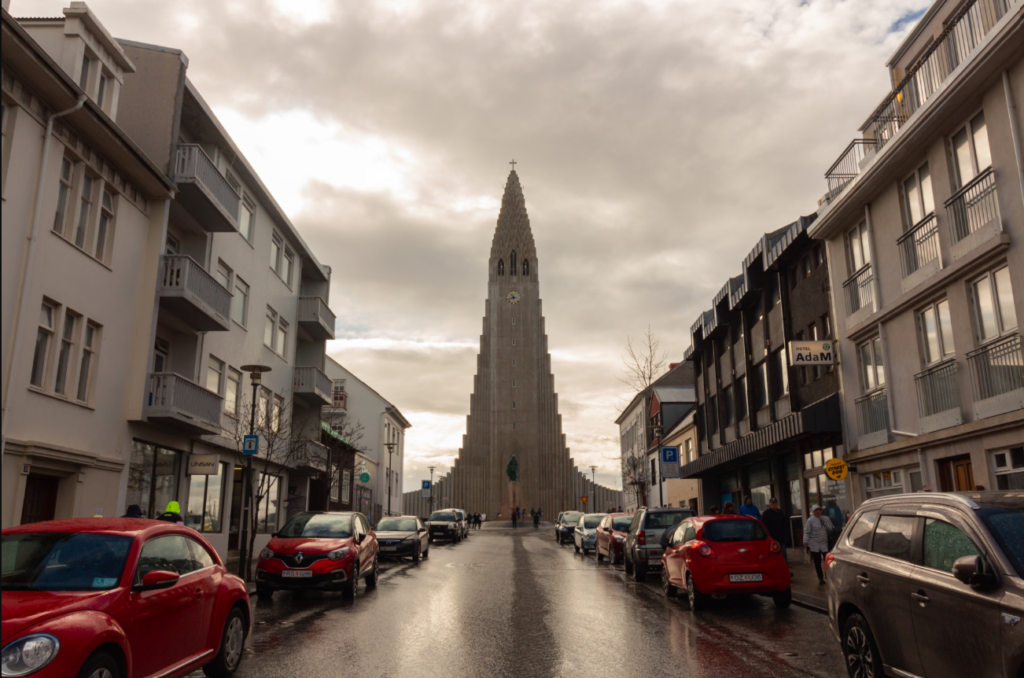
A visit to Iceland normally begins in Reykjavik, the country's capital and cultural centre. Although relatively small, Reykjavik provides museums, restaurants, galleries, shopping streets, geothermal pools and distinctive architecture.
Start at Hallgrímskirkja, the city's famous church, whose distinctive stepped design makes it one of Reykjavik's most recognisable landmarks. Continue towards the waterfront to see the Sun Voyager sculpture and visit Harpa Concert Hall, an architectural landmark overlooking the Old Harbour. Reykjavik's official tourism organisation also highlights attractions including Perlan, the National Museum of Iceland, Grótta Lighthouse and the Old Harbour.
Exploring Reykjavik is one of the easiest things to do in Iceland because many attractions can be combined within a walking itinerary. The city is also an excellent base for day trips into the surrounding countryside.
Also Read - 10 Reykjavik Restaurants: Life-Changing Dining Experiences – Ready to Be Amazed?
2. Experience the Golden Circle
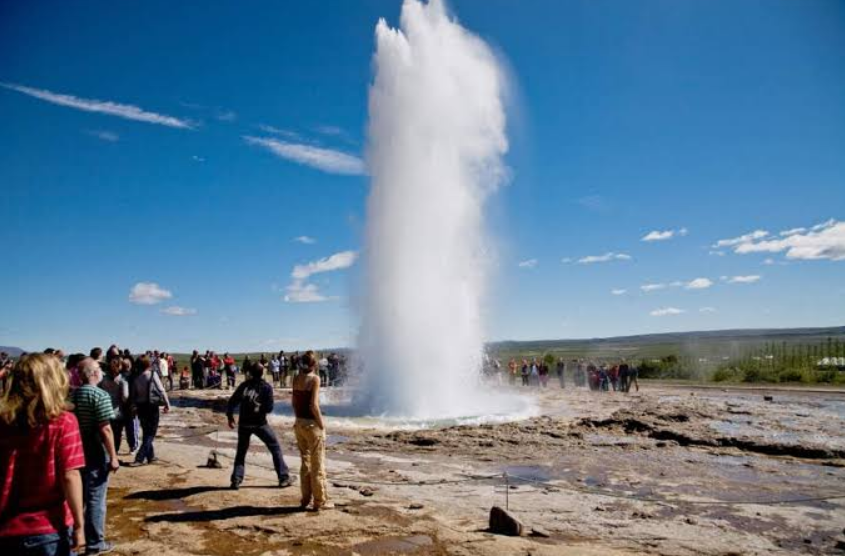
The Golden Circle is among the best things to do in Iceland for first-time visitors. This famous route combines Þingvellir National Park, the Geysir geothermal area and Gullfoss waterfall.
Þingvellir has exceptional historical and geological significance. The Alþingi, one of the world's oldest parliamentary institutions, was established here in 930. The landscape is also associated with the meeting of tectonic plates, creating dramatic geological formations.
At the Geysir geothermal area, Strokkur is the principal attraction. It regularly sends a column of boiling water into the air, creating one of Iceland's most memorable natural spectacles. Nearby Gullfoss consists of two major waterfall stages and demonstrates the extraordinary power of glacial water.
The Golden Circle can be explored by guided excursion or independently. The route is accessible throughout the year, although road and weather conditions should always be checked before driving.
3. See Iceland's Waterfalls
Waterfalls are among the most spectacular Iceland attractions, and several can be incorporated into relatively straightforward itineraries.
Seljalandsfoss is famous because visitors can traditionally walk behind the waterfall when conditions and access allow. Skógafoss, meanwhile, is a broad and powerful cascade where enormous quantities of water fall from the cliffs. Both are highlights of Iceland's South Coast.
Svartifoss in Skaftafell provides a completely different experience. The waterfall is framed by distinctive basalt columns, demonstrating how volcanic activity shaped Iceland's landscape.
For photographers, waterfalls offer different moods throughout the year. Summer provides longer daylight, while winter can create snow-covered surroundings and icy formations. Always respect barriers and warning signs because slippery surfaces, strong winds and changing water conditions can make seemingly accessible viewpoints dangerous.
4. Discover the South Coast
Exploring the South Coast is another of the best things to do in Iceland. The route combines waterfalls, glaciers, volcanic scenery, coastal cliffs and black-sand beaches.
Reynisfjara near Vík is particularly famous for its dark volcanic sand and dramatic basalt formations. However, its powerful waves make it a location where visitors must remain well back from the water. The South Iceland destination organisation identifies Reynisfjara, Seljalandsfoss, Skógafoss, Svartifoss, Fjaðrárgljúfur and Jökulsárlón among the region's major attractions.
The South Coast is suitable for both guided tours and self-drive itineraries. Its main road is generally accessible throughout the year, but this does not mean conditions are always predictable. Iceland's weather can change quickly, and travellers should check conditions before setting out.
5. Visit Jökulsárlón Glacier Lagoon
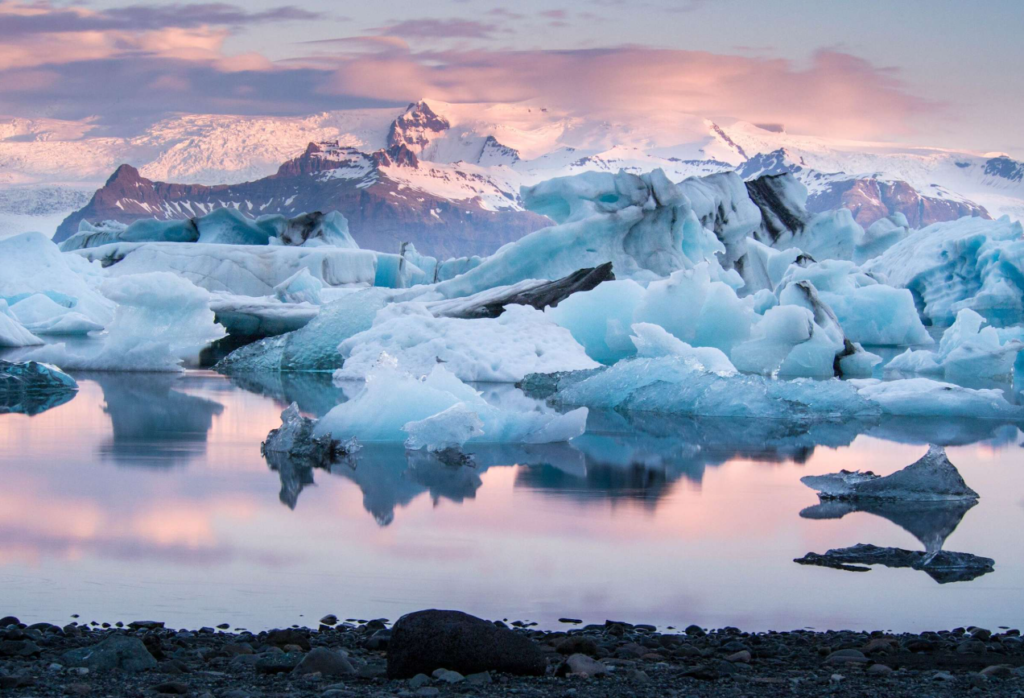
Jökulsárlón is one of the most visually impressive Iceland attractions. Icebergs break away from the Breiðamerkurjökull glacier and float through the lagoon before reaching the ocean.
Across the road lies Diamond Beach, where pieces of ice are washed onto black volcanic sand. The contrast between translucent ice, dark sand and the Atlantic Ocean creates an unforgettable landscape.
The area is particularly rewarding for photographers and nature lovers. Boat excursions operate seasonally, while the lagoon itself can be appreciated from viewpoints around the shore. Weather and seasonal access can affect activities, so check local information before travelling.
6. Relax in Geothermal Water
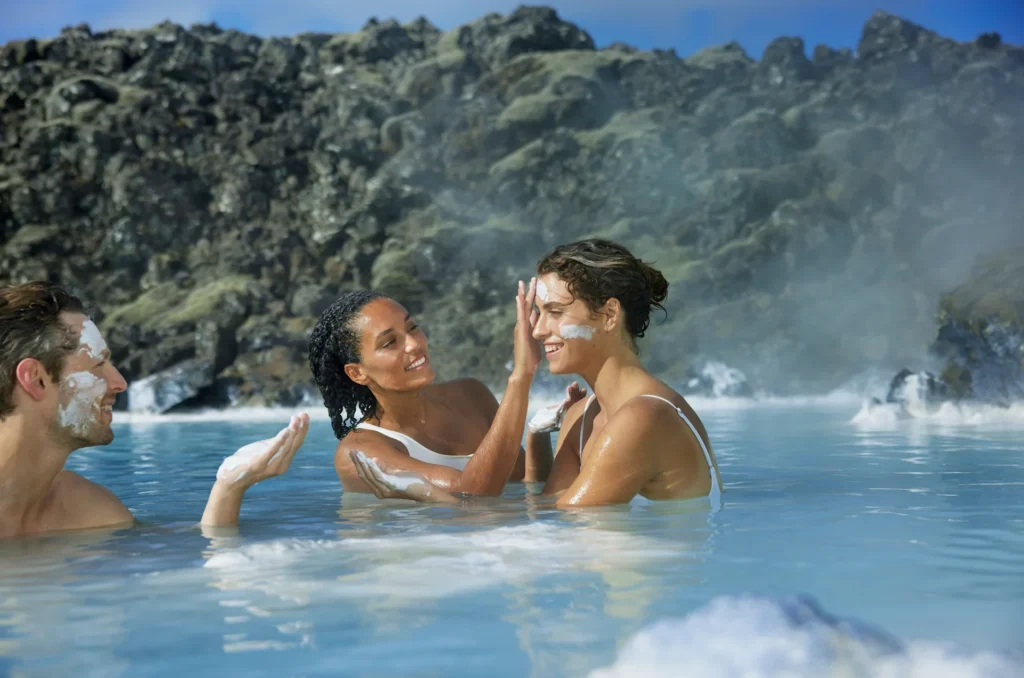
Geothermal bathing is one of the most enjoyable things to do in Iceland. Because geothermal energy is naturally abundant, heated pools have become an important part of everyday life as well as tourism.
The Blue Lagoon on the Reykjanes Peninsula is perhaps the country's best-known geothermal spa. Iceland's official tourism site describes it as a health and geothermal spa using mineral-rich geothermal water.
However, visitors do not need to choose only famous spas. Public swimming pools and other geothermal bathing facilities provide opportunities to experience a more local side of Icelandic culture. Reykjavik also offers several geothermal pools and spas.
A geothermal experience is particularly appealing after outdoor sightseeing, hiking or exploring in colder conditions.
7. Search for the Northern Lights
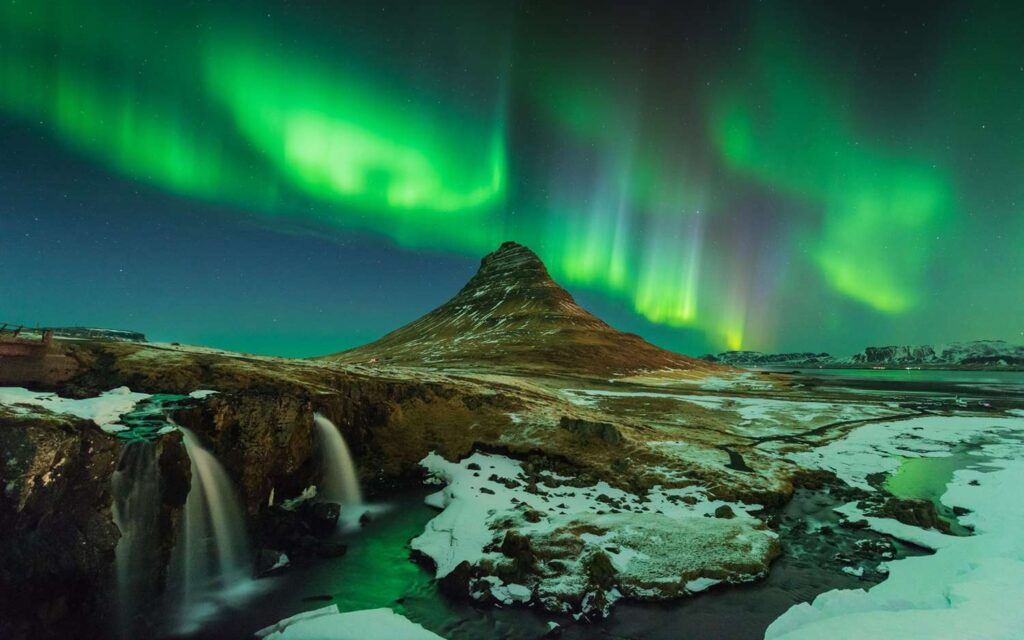
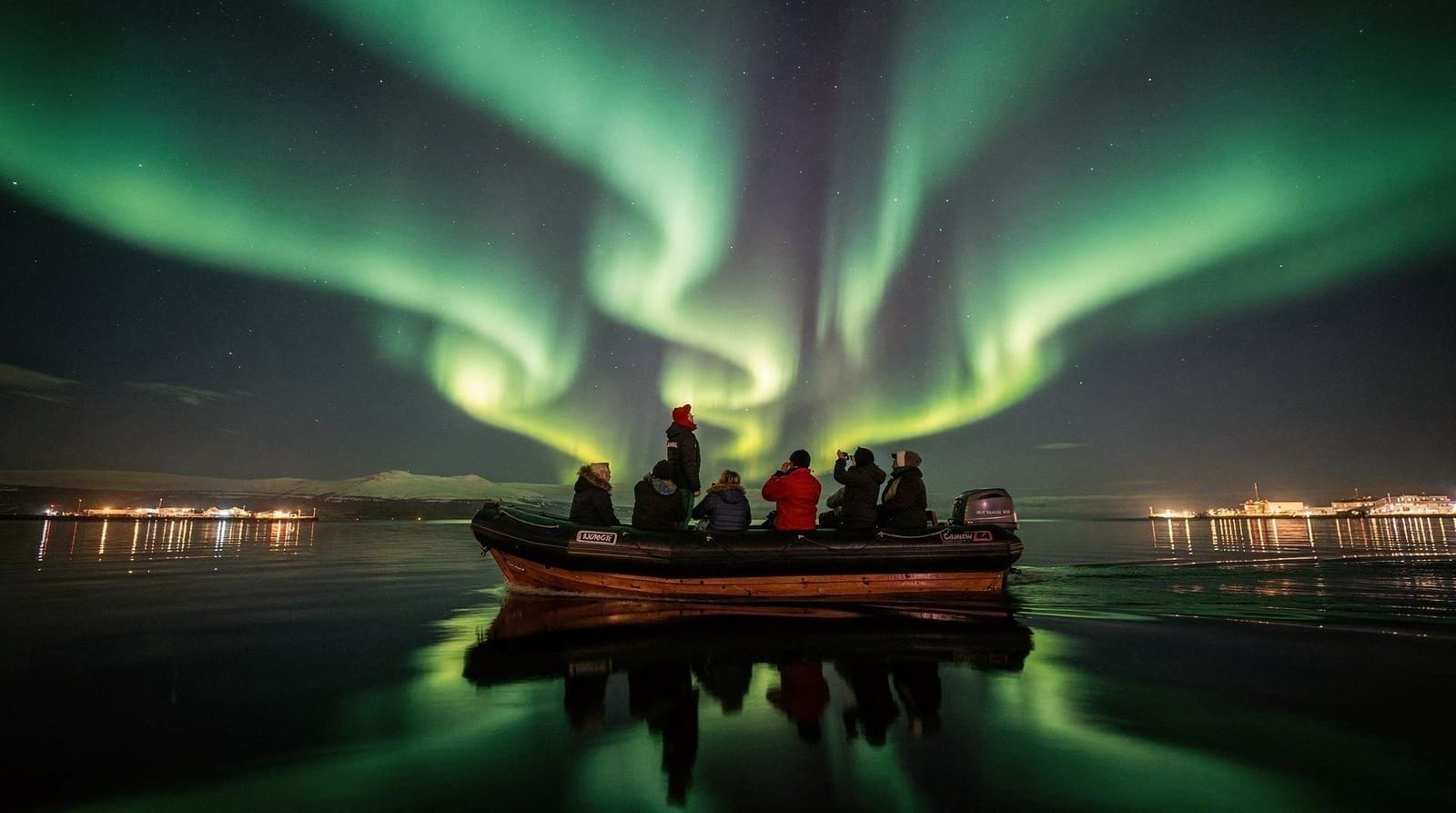
Seeing the Aurora Borealis is often high on the list of the best things to do in Iceland. The phenomenon occurs when charged particles from the Sun interact with gases in Earth's atmosphere, creating colourful patterns across dark skies.
The Northern Lights are most associated with the darker months, when sufficiently long nights provide opportunities for viewing. However, an appearance is never guaranteed because visibility depends on cloud cover, darkness and solar activity.
For the best chance of seeing them, move away from strong artificial light and remain flexible about timing. Guided tours can be useful because experienced operators monitor forecasts and may travel away from cloudy areas.
8. Explore Iceland's Glaciers
Glaciers are central to Iceland's identity. Vatnajökull is Europe's largest glacier by volume and forms part of the enormous Vatnajökull National Park. Iceland has three national parks, each with distinctive landscapes and histories; Vatnajökull National Park covers more than 12,000 square kilometres.
Guided glacier walks allow visitors to experience glacial landscapes while learning about ice formation, volcanic geology and climate. Glacier activities should always be undertaken with qualified guides because crevasses, unstable ice and rapidly changing conditions can create serious hazards.
For travellers who prefer easier sightseeing, viewpoints around the country's glacier regions still provide extraordinary scenery without requiring technical hiking skills.
9. Explore Volcanic Landscapes
Iceland's volcanic geology explains much of its unusual scenery. Lava fields, craters, geothermal areas and volcanic mountains can be encountered across the country.
The Reykjanes Peninsula is particularly notable for its volcanic landscapes and geothermal activity. South Iceland also contains a remarkable concentration of geological features where volcanic heat meets glacial environments.
Volcanic tourism requires particular awareness of current conditions. Eruptions, earthquakes, closures and access restrictions can change rapidly. Visitors should use official safety information rather than approaching restricted areas independently.
10. Visit Iceland's National Parks
Nature enthusiasts should include at least one national park among their Iceland attractions. Þingvellir, Snæfellsjökull and Vatnajökull each offer very different experiences.
Þingvellir combines history and geology and is particularly easy to visit from Reykjavik. Snæfellsjökull National Park centres on a glacier-capped volcano on the Snæfellsnes Peninsula. Vatnajökull National Park encompasses enormous glacial and volcanic landscapes.
National parks demonstrate why Iceland is more than a collection of individual tourist sights. They reveal the geological systems and natural processes responsible for the country's distinctive character.
11. Walk on a Black-Sand Beach
Black-sand beaches are among the most distinctive Iceland attractions. Their dark colour comes from volcanic material, creating a dramatic contrast with white surf, green cliffs and basalt formations.
Reynisfjara is the best-known example, but it should be treated with caution. Powerful “sneaker waves” can reach farther up the beach than expected. Visitors should stay well away from the waterline, obey signs and never turn their backs on the ocean.
The beach is best appreciated as part of the wider South Coast landscape rather than simply as a photography stop.
12. Go Whale Watching
Whale watching adds a marine dimension to a trip dominated by mountains and waterfalls. Several species can be encountered in Icelandic waters, although sightings are influenced by season, location and natural conditions.
Reykjavik's Old Harbour provides access to whale-watching excursions, while other towns around Iceland offer their own tours. Responsible operators prioritise appropriate distances and animal welfare.
Whale watching is especially suitable for travellers who want to experience Iceland's natural environment without undertaking strenuous activities.
13. Explore Icelandic Culture and Food
Not all the best things to do in Iceland involve dramatic scenery. Understanding Icelandic culture makes a trip considerably richer.
Spend time in museums, explore local settlements and sample Icelandic cuisine. Seafood, lamb, dairy products and rye-based foods are important parts of the country's culinary tradition. Reykjavik's restaurants provide opportunities to experience both traditional ingredients and contemporary Nordic cooking.
The country's culture has been shaped by isolation, maritime traditions, Norse heritage and an intimate relationship with nature. Exploring these influences provides useful context for the landscapes seen throughout the journey.
14. Take a Scenic Road Trip
A road trip provides one of the most flexible ways to experience Iceland. Travellers can combine major attractions with smaller villages, viewpoints and unexpected stops.
However, driving in Iceland requires preparation. Weather and road conditions can change quickly, and winter driving can involve ice, snow, strong winds and limited daylight. Safetravel, operated by the Icelandic Association for Search and Rescue, advises travellers to monitor conditions and prepare a travel plan.
Do not build an itinerary around unrealistic driving times. Allow flexibility for weather, road closures and unexpected delays. The journey itself is part of the experience, so a slower itinerary often produces a better trip.
15. Experience Iceland Beyond the Famous Sights
The most rewarding things to do in Iceland are not necessarily the most photographed. Consider spending time in smaller communities, visiting local swimming pools, exploring less crowded trails or stopping at viewpoints away from major tour routes.
Iceland's official tourism organisation provides regional information, scenic routes, national parks, towns and villages to help travellers explore beyond the country's headline attractions.
This approach also supports more sustainable tourism. Rather than concentrating every visit around a handful of famous sites, travellers can distribute spending and visitor pressure across different communities.
Planning the Best Iceland Experience
Choosing the best things to do in Iceland depends heavily on the length and season of your trip. A short visit can focus on Reykjavik, the Golden Circle and the South Coast. A longer holiday allows time for glaciers, national parks, remote landscapes and regional communities.
Weather should always influence your plans. Icelandic conditions can change rapidly, and road conditions may differ significantly from what travellers expect. Safetravel is the official safety resource and provides current travel conditions, alerts and advice.
It is also important to avoid treating nature as a theme park. Stay on marked paths where required, respect barriers and closures, and never approach wildlife or unstable geological features simply for a photograph.
Final Thoughts
Iceland offers an unusually broad range of experiences for a relatively small country. From Reykjavik's cultural attractions and the Golden Circle's geysers to South Coast waterfalls, black-sand beaches, glaciers and geothermal pools, the variety is what makes the destination so compelling.
The best things to do in Iceland are ultimately those that allow travellers to understand the country's extraordinary relationship between fire, ice, water and people. By combining major Iceland attractions with local culture, responsible outdoor exploration and enough flexibility for changing conditions, visitors can experience far more than a checklist of famous sights.
For first-time travellers, prioritise the Golden Circle, South Coast, Reykjavik, a geothermal experience and, if travelling during the appropriate season, the Northern Lights. Then leave space for spontaneous discoveries. Iceland rewards curiosity, patience and respect for nature—and that combination can turn a straightforward sightseeing holiday into an exceptional journey.

Comments 0
Only approved comments are shown here.