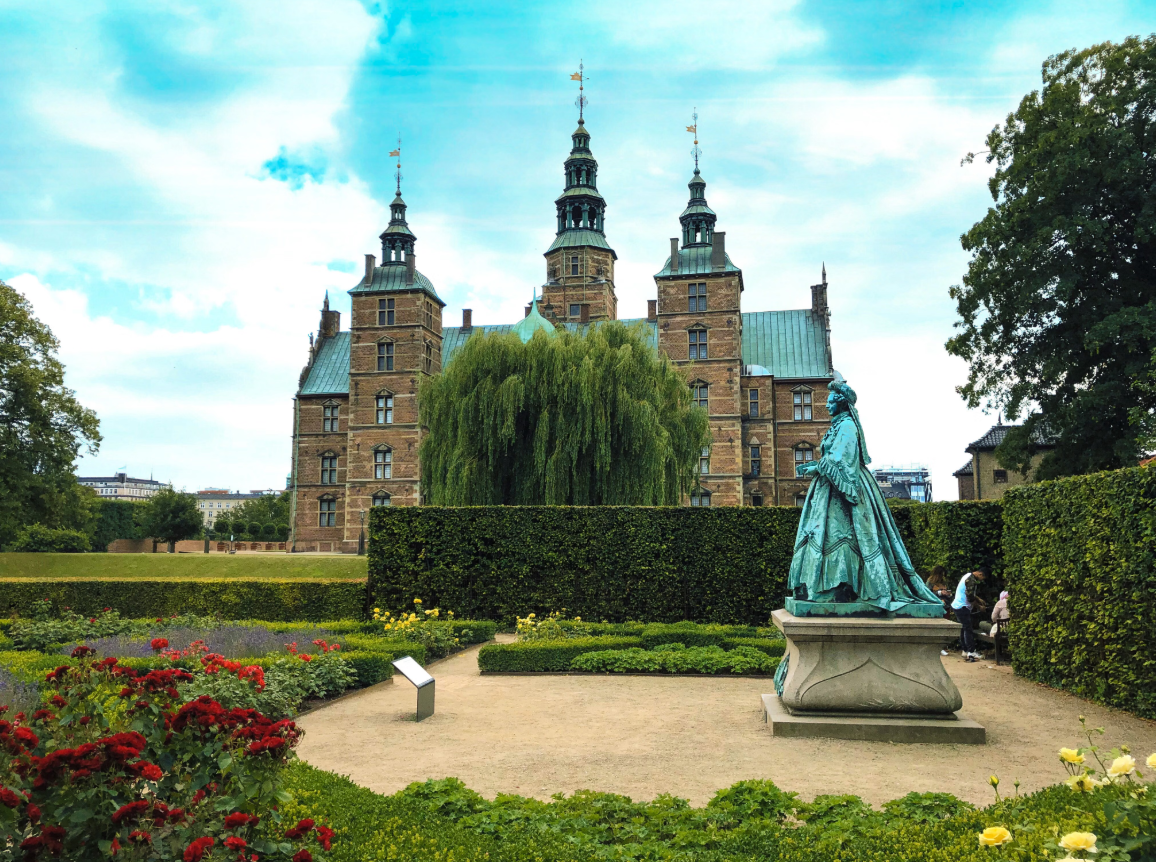
Denmark may be one of Europe's smaller countries, but its cities offer an impressive variety of experiences. From Copenhagen's canals and cutting-edge architecture to Aarhus's thriving cultural scene, Odense's literary heritage and Ribe's medieval streets, the best cities in Denmark Europe combine Scandinavian design with centuries of history.
The country's compact geography makes exploring multiple Danish cities relatively straightforward. Denmark consists of the Jutland Peninsula and more than 400 islands, with Copenhagen located primarily on Zealand. Train connections make several major destinations easy to combine, while smaller coastal towns reward travelers willing to venture beyond the classic Copenhagen itinerary.
Also Read - Day Trips from Copenhagen: 15 Incredible Day Tours Copenhagen Denmark Travelers Will Love
1. Copenhagen – Denmark's Capital
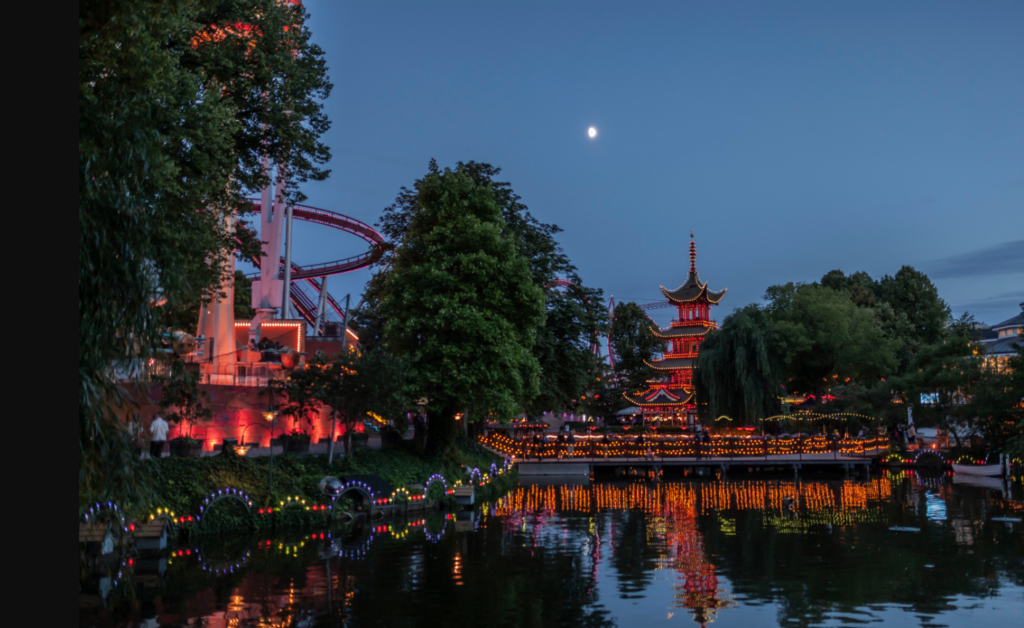
Copenhagen is the natural starting point for exploring cities in Denmark Europe. Denmark's capital combines royal history, contemporary architecture, canals, cycling culture and one of Northern Europe's most celebrated food scenes.
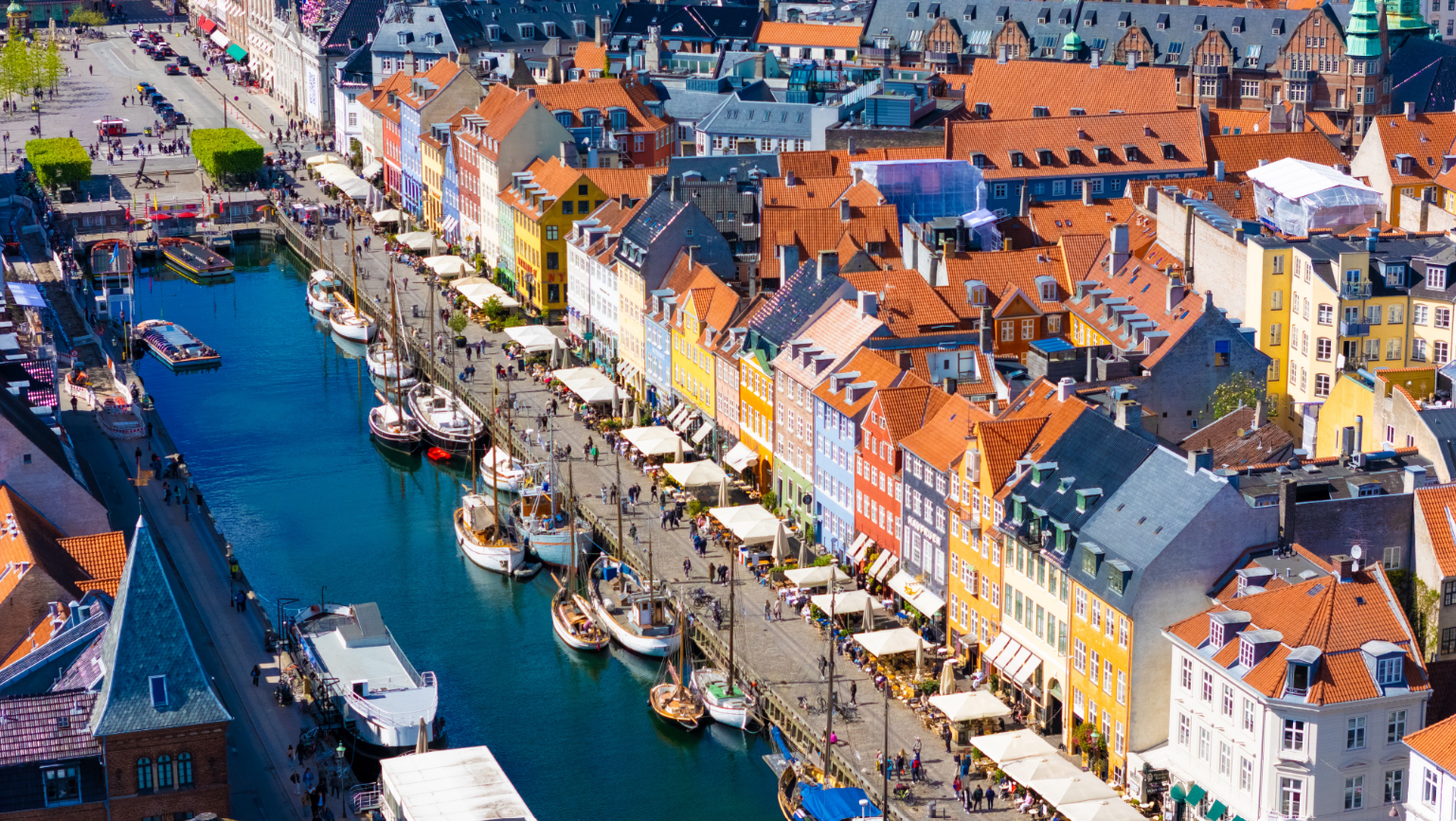
Nyhavn provides the classic Copenhagen image with colorful waterfront buildings and boats, while Amalienborg Palace, Rosenborg Castle and Christiansborg introduce visitors to Denmark's royal heritage. Tivoli Gardens adds historic entertainment, and neighborhoods such as Nørrebro and Vesterbro reveal a more local side of the city.
Copenhagen is particularly convenient for a three- or four-day city break because many important attractions are relatively close together. Official tourism guidance highlights its compact layout, cycling infrastructure, food culture and easily explored neighborhoods as major strengths.
Best for: First-time visitors, food, architecture, nightlife and culture.
2. Aarhus – Denmark's Cultural Second City
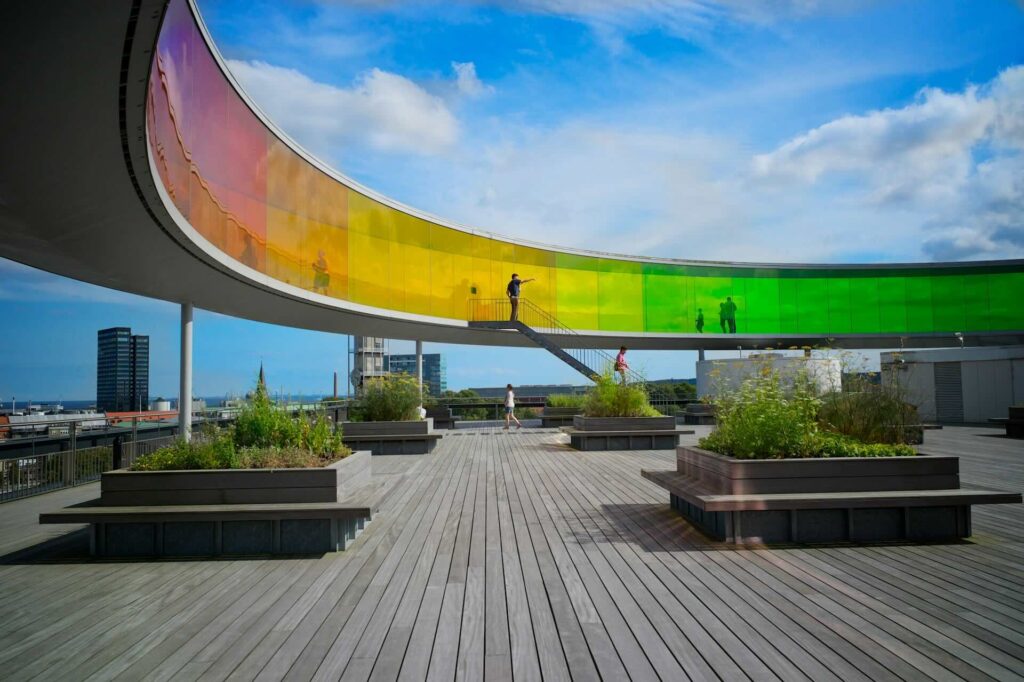
Aarhus is one of the most exciting Danish cities outside Copenhagen. Located on Jutland's east coast, Denmark's second-largest city combines Viking history with contemporary art, architecture, cafés and an increasingly sophisticated food scene.
ARoS Aarhus Art Museum is a major cultural attraction, particularly recognizable for Olafur Eliasson's Your rainbow panorama. Den Gamle By provides a completely different experience by recreating different periods of Danish urban history.
The city's manageable size is another advantage. VisitDenmark describes Aarhus as highly walkable, with many major sights within easy reach of one another. The surrounding region also offers beaches, forests and access to wider Jutland attractions.
Best for: Art, museums, food, students and weekend breaks.
3. Odense – Home of Hans Christian Andersen
Among the most culturally significant cities in Denmark Europe, Odense is internationally associated with Hans Christian Andersen. The celebrated writer was born here in 1805, and his legacy remains an important part of the city's identity.
Visitors can explore Andersen-related museums and historic neighborhoods while also discovering a modern city filled with cafés, cultural spaces and pedestrian-friendly streets.
Odense's location on Funen is particularly useful for travelers building a multi-city Danish itinerary. It sits between Copenhagen and Jutland, making it possible to combine the capital, Odense and Aarhus without excessive travel.
Beyond the city, Funen is known for manor houses, agricultural landscapes and picturesque coastal communities, making Odense an effective base for exploring both urban and rural Denmark.
Best for: Literature, history, families and culture.
4. Aalborg – Waterfront Culture in North Jutland
Aalborg deserves greater attention among Danish cities, particularly from travelers heading into North Jutland. Once strongly associated with industry, the city has transformed parts of its waterfront into attractive cultural and recreational spaces.
Visitors can explore architecture, museums, restaurants and Aalborg's energetic center before continuing toward the dramatic landscapes farther north.
Its position makes Aalborg particularly valuable as a gateway. Skagen, North Sea landscapes and North Jutland's dunes can be incorporated into a wider regional journey.
Aalborg is also traditionally counted among Denmark's four biggest urban destinations alongside Copenhagen, Aarhus and Odense. It works particularly well for travelers who have already experienced Copenhagen and want to explore a less internationally familiar Danish city.
Best for: Waterfronts, nightlife, architecture and North Jutland trips.
5. Esbjerg – Denmark's North Sea City
Esbjerg provides a noticeably different experience from the eastern cities in Denmark Europe. Located on Jutland's west coast, its identity has long been closely linked with the North Sea, maritime industries and Denmark's offshore economy.
The monumental Man Meets the Sea sculpture is among the city's recognizable sights, while the wider region provides opportunities for exploring beaches and the Wadden Sea coast.
Esbjerg works particularly well as a gateway rather than simply a standalone city break. Travelers can continue toward Fanø, Ribe and the dramatic landscapes of western Jutland.
The western coastline is characterized by extensive sandy beaches, large dunes and rougher waters than many other parts of Denmark. Combining Esbjerg with these landscapes provides a very different perspective from a Copenhagen-centered holiday.
Best for: Maritime culture, coastlines and West Jutland exploration.
6. Roskilde – Vikings and Royal History
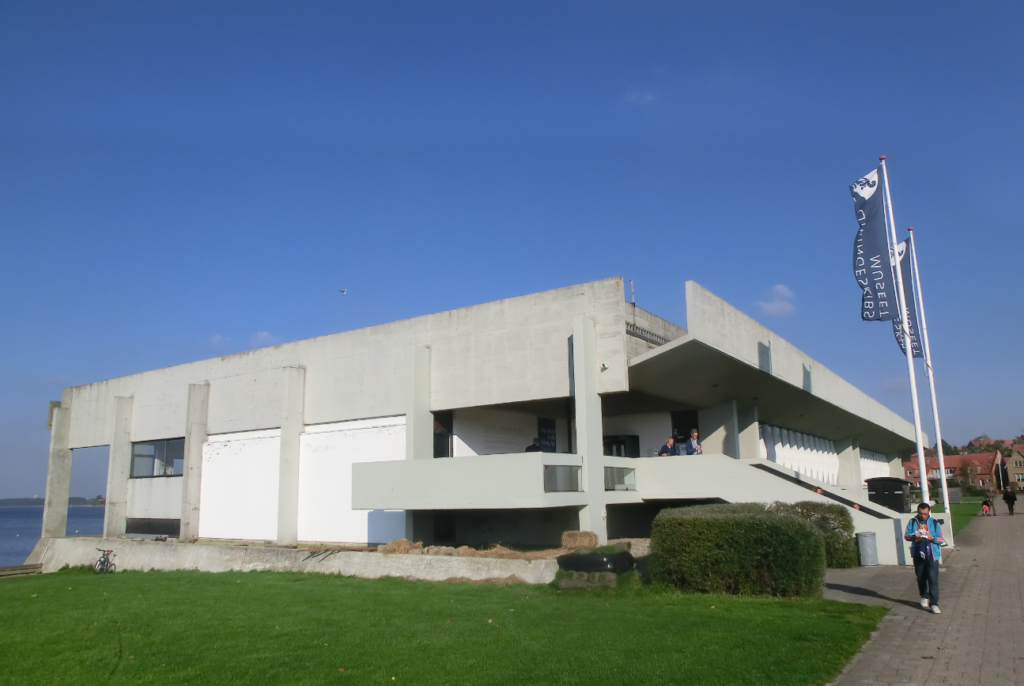
Few Danish cities combine Viking and royal heritage as effectively as Roskilde. Situated west of Copenhagen, it is particularly convenient for travelers who want a historical day trip without traveling deep into Jutland.
The Viking Ship Museum introduces visitors to Denmark's maritime past through archaeological discoveries and reconstructed vessels. Roskilde Cathedral adds centuries of royal history and serves as the burial place of generations of Danish monarchs.
The city itself is compact enough to explore comfortably on foot, while its position beside Roskilde Fjord adds an attractive waterfront dimension.
Roskilde can be visited independently or combined with other Zealand destinations. Its proximity to Copenhagen makes it one of the easiest ways to add substantial Viking history to a capital-focused itinerary.
Best for: Vikings, royal history and day trips.
7. Helsingør – Castle City on the Øresund
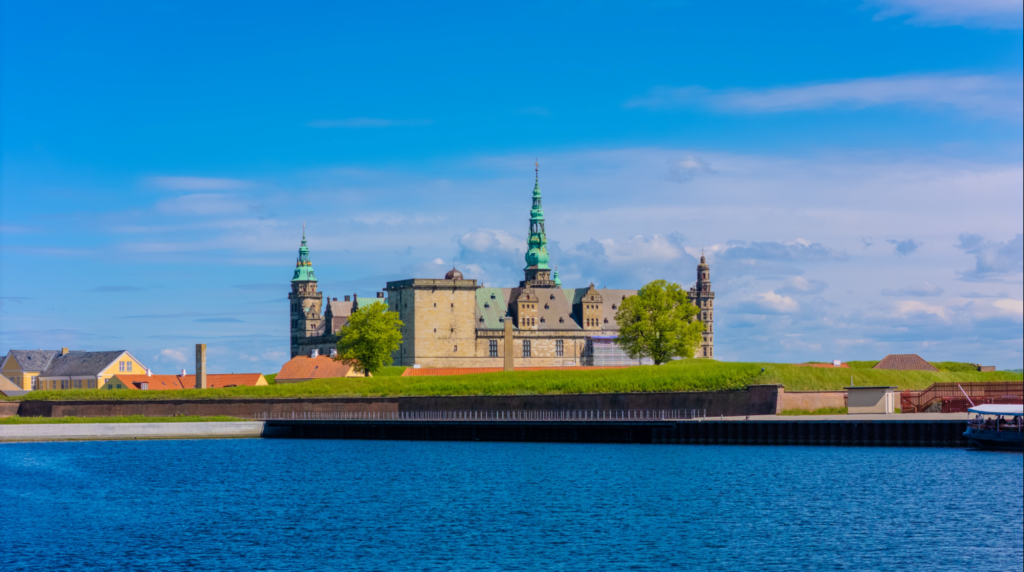
Helsingør earns its place among the most interesting cities in Denmark Europe because of Kronborg Castle. Internationally associated with Elsinore in Shakespeare's Hamlet, the Renaissance fortress stands dramatically beside the Øresund overlooking Sweden.
The castle is only part of Helsingør's appeal. Visitors can explore historic streets, the harbor and the M/S Maritime Museum of Denmark.
Its coastal location gives the city a distinctly maritime character, while frequent transportation from Copenhagen makes it suitable for a day trip.
Travelers interested in art can also combine Helsingør with Louisiana Museum of Modern Art in nearby Humlebæk. This creates an appealing itinerary blending Renaissance history, contemporary art and coastal scenery.
Best for: Castles, Shakespeare, maritime history and day trips.
8. Ribe – Denmark's Oldest Town
Ribe offers one of the most atmospheric historic experiences among Danish cities and towns. VisitDenmark identifies it as Denmark's oldest town and highlights its Viking museum and remarkably preserved medieval center.
Cobbled streets, old houses and Ribe Cathedral give the center a character dramatically different from Copenhagen's contemporary districts. Climbing the cathedral tower also provides views across the surrounding landscape.
Ribe's location in South Jutland allows visitors to combine history with nature. The nearby Wadden Sea region is known for its tidal environment, birdlife and unusual coastal landscapes.
Rather than rushing through Ribe as a brief stop, consider staying overnight. Its historic streets become especially atmospheric when daytime visitors have departed.
Best for: Medieval history, Vikings, photography and romantic breaks.
9. Skagen – Denmark's Northern Art Town
At Denmark's northern tip, Skagen is among the most distinctive cities in Denmark Europe for coastal scenery and art. Its yellow-painted houses, harbor, beaches and extraordinary northern light have attracted visitors and artists for generations.
VisitDenmark describes Skagen as a long-established holiday destination and highlights its seaside streets, harbor and seafood restaurants.
The town is strongly associated with the Skagen Painters, whose work was inspired by the region's landscape and light. Travelers can combine cultural attractions with excursions into North Jutland's surrounding coastal environment.
Nearby Råbjerg Mile adds another remarkable experience. The migrating dune rises around 40 meters and moves northeast by approximately 15 meters annually.
Best for: Art, beaches, seafood and photography.
10. Hillerød – Royal North Zealand
Hillerød is one of the most rewarding smaller Danish cities for visitors interested in royal architecture. Its defining attraction is Frederiksborg Castle, an extraordinary Renaissance complex positioned beside a lake.
The castle houses the Museum of National History and contains elaborate rooms, portraits and decorative collections relating to Denmark's past. Its formal gardens add another reason to dedicate several hours to the visit.
Hillerød also works particularly well within a North Zealand itinerary. Travelers can combine it with Helsingør, Kronborg Castle or coastal attractions before returning to Copenhagen.
Its accessibility from the capital means visitors do not necessarily need a car, making Hillerød an excellent choice for travelers seeking a straightforward castle excursion.
Best for: Royal history, castles, gardens and photography.
11. Billund – The Home of LEGO
Billund may not possess the medieval streets of Ribe or royal architecture of Copenhagen, but it has achieved extraordinary international recognition among cities in Denmark Europe as the birthplace of LEGO.
The LEGO company was founded in Billund in 1932, and the town remains closely associated with the brand. Families can visit LEGOLAND Billund Resort alongside LEGO House, which offers interactive experiences centered on creativity and play.
Billund is particularly useful within a family-focused Jutland itinerary. Its international airport also makes the destination an alternative entry point into Denmark rather than requiring every journey to begin in Copenhagen.
Best for: Families, LEGO fans and children.
12. Sønderborg – History Beside the Water
Sønderborg offers a compelling mixture of history, waterfront scenery and southern Danish atmosphere. Situated near the German border, it reflects the complicated history of the Danish-German frontier region.
Sønderborg Castle provides historical context, while the waterfront makes the city attractive for relaxed walking and dining. The surrounding region of Southern Jutland contains attractive coastline and smaller communities that reward exploration by car.
Among smaller Danish cities, Sønderborg is particularly suitable for travelers who enjoy destinations where history and landscape are closely intertwined.
It can also be incorporated into a cross-border itinerary involving northern Germany, making it an interesting option for travelers exploring more of Northern Europe rather than visiting Denmark alone.
Best for: History, waterfront scenery and road trips.
13. Kolding – Design and Danish History
Kolding provides another worthwhile stop for travelers exploring Jutland's cities in Denmark Europe. Its location makes it practical for journeys between northern and southern Denmark, but the city also contains attractions deserving attention in their own right.
Koldinghus, a historic royal castle, dominates much of the city's cultural identity. Its combination of old architecture and contemporary restoration creates an unusual visitor experience.
Design enthusiasts can also explore the city's connections with Danish creativity and applied arts. Kolding therefore works well for travelers whose interests extend beyond traditional castles toward contemporary Danish aesthetics.
Its relatively central position in southern Jutland makes it easy to combine with destinations such as Billund, Ribe and the Funen region.
Best for: Design, architecture and history.
14. Faaborg – Small-Town Funen
Faaborg represents the quieter side of Danish cities. Located on Funen's southern coast, this historic port town combines cobbled streets, old buildings and easy access to the landscapes of South Funen.
VisitDenmark notes that Faaborg was a busy port during the 17th century and today retains considerable old-world charm amid rolling countryside.
Its greatest appeal comes from combining town and countryside. Travelers can explore the historic center before heading toward coastal landscapes and the South Funen Archipelago.
Faaborg is particularly well suited to road trips, cycling holidays and slower itineraries. Visitors who have already experienced Copenhagen and Aarhus may appreciate its smaller scale and distinctly relaxed atmosphere.
Best for: Slow travel, cycling, countryside and coastal scenery.
15. Køge – Historic Zealand Close to Copenhagen
Køge concludes the list with an accessible alternative to Denmark's better-known destinations. Located south of Copenhagen on Zealand, the town combines historic architecture, a traditional market square and a relaxed center that can be comfortably explored on foot.
Its proximity to Copenhagen makes it useful for visitors who want to experience a smaller Danish community without committing to a long journey.
Køge can also function as a gateway toward South Zealand, where countryside and coastal attractions provide opportunities for a longer road trip.
For travelers whose itinerary already includes Copenhagen's major landmarks, visiting smaller places such as Køge provides useful contrast and a glimpse of everyday Danish urban life beyond the country's most famous destinations.
Best for: Day trips, historic streets and relaxed sightseeing.
Which Danish Cities Should You Visit?
For a first trip, Copenhagen, Aarhus and Odense provide the strongest combination of major attractions, transportation and cultural variety. Aalborg is particularly useful for exploring northern Jutland, while Roskilde and Helsingør are excellent additions to a Copenhagen stay.
Travelers interested in smaller historic destinations should prioritize Ribe, while Skagen stands out for coastal scenery and art. Families may prefer Billund, and travelers looking for castles can consider Hillerød.
Official tourism guidance identifies Copenhagen, Aarhus, Odense and Aalborg as Denmark's "Big Four," reflecting their importance among the country's urban destinations.
Final Thoughts
Exploring the cities in Denmark Europe reveals considerably more variety than Copenhagen alone suggests. The capital offers royal landmarks, design, food and nightlife, but Aarhus introduces another side of contemporary Danish culture, Odense connects visitors with Hans Christian Andersen, and Aalborg provides access to northern Jutland.
Smaller Danish cities and historic towns add even greater diversity. Ribe preserves remarkable medieval character, Skagen combines art with northern coastal scenery, Helsingør is dominated by its Shakespeare-associated castle, and Billund celebrates one of Denmark's most famous global creations.
Denmark's compact geography is one of its greatest advantages for travelers. Instead of choosing between cities, a well-planned itinerary can combine several destinations, allowing visitors to experience royal history, Viking heritage, contemporary design, coastal scenery and everyday Danish culture within a single journey.

Comments 0
Only approved comments are shown here.