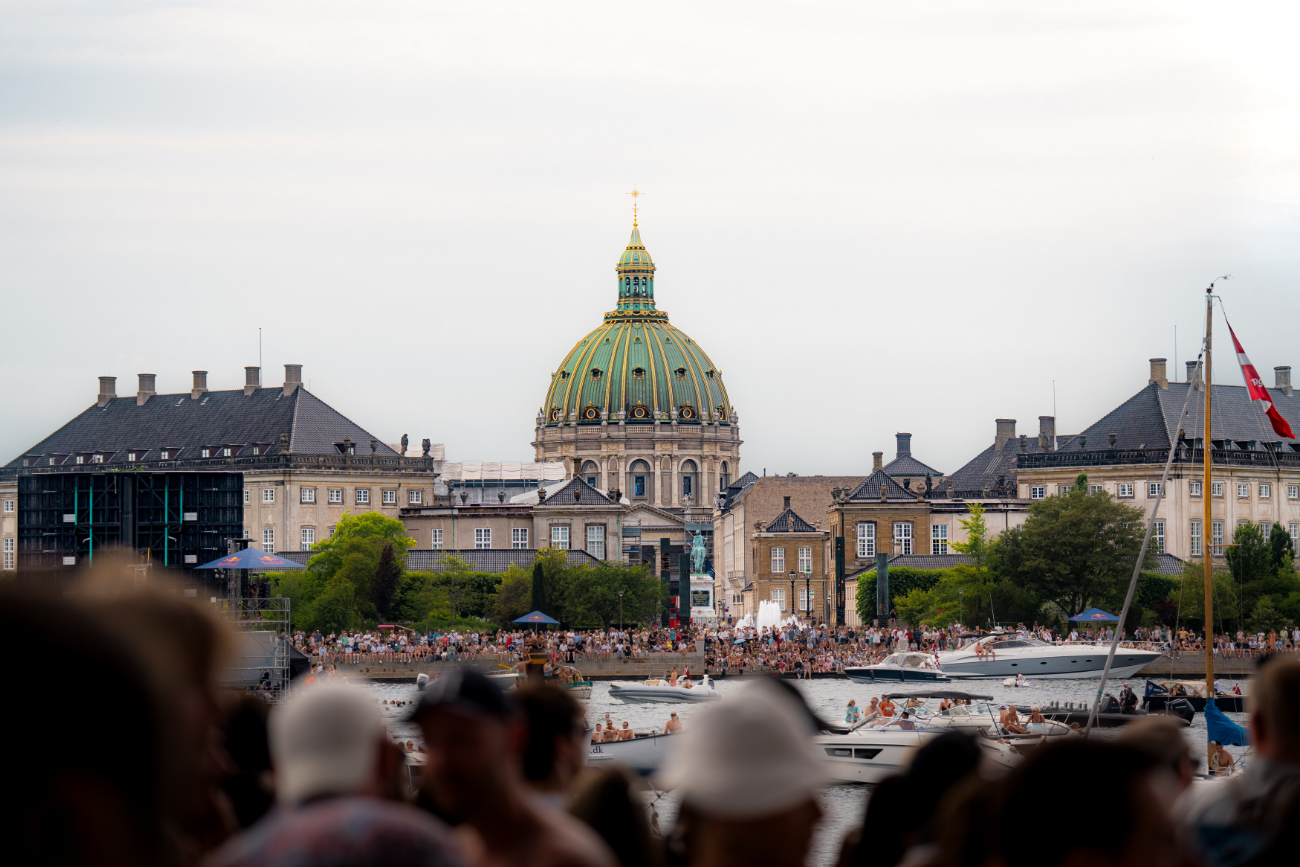
If you have ever wondered what are people from Denmark called, the answer is simple: they are called Danes. An individual person can be described as a Dane, while “Danish” is the adjective used for things associated with Denmark, including Danish people, Danish food, Danish design and the Danish language. Danish itself is spoken by around six million people and developed from the shared Nordic language once spoken across areas that are now Denmark, Sweden and Norway.
Yet understanding the Danes involves much more than knowing their nationality. Danish culture and traditions have developed through centuries of Scandinavian history, Christianity, maritime connections, monarchy and modern social change. Today, Denmark is associated with equality, cycling, functional design, informal social interactions and the internationally famous concept of hygge.
From dancing around Christmas trees to celebrating birthdays with Danish flags, here are 15 traditions and cultural characteristics that provide a deeper introduction to life in Denmark.
Also Read - What Is Denmark Known For? 15 Denmark Facts About Its People, Culture & History
This post contains affiliate links. If you choose to book through them, a small commission may be earned at no additional cost to you. Your support genuinely helps keep the blog running and allows continued creation of high-quality travel guides. Thank you for being here and supporting this journey.
1. People From Denmark Are Called Danes
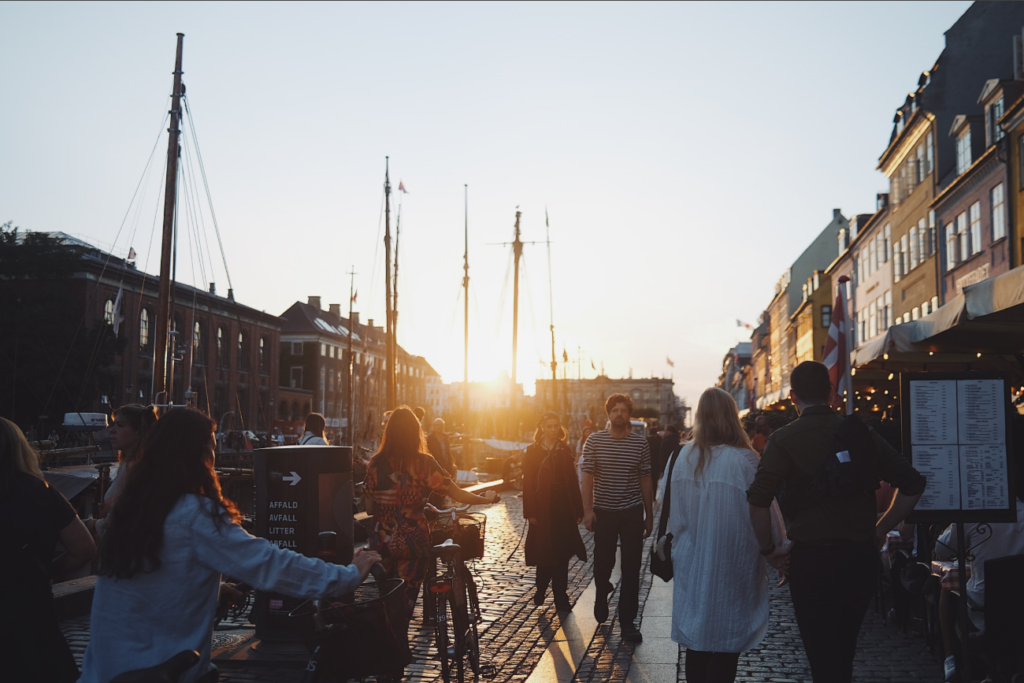
The clearest answer to what are people from Denmark called is Danes. The singular form is “Dane,” while “Danish” describes the people collectively as well as their language, culture and products.
Danish identity has deep historical roots. Denmark's official national website traces settlement in the territory back to the end of the last Ice Age, with farming communities developing thousands of years ago. Later periods—including the Viking Age, medieval monarchy and development of the modern state—helped shape contemporary Danish society.
Today, Danish identity combines these historical traditions with a highly modern Scandinavian lifestyle. Language remains particularly important, connecting modern Danes with a linguistic history stretching back to the shared languages of early Nordic societies.
2. Hygge – The Famous Danish Concept of Cosiness
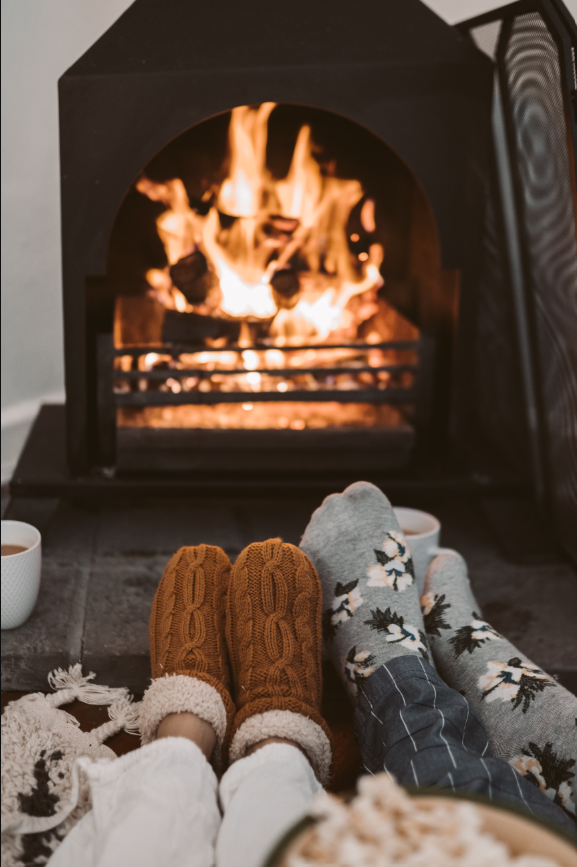
Few ideas represent Danish culture and traditions internationally as strongly as hygge. Although commonly translated as “cosiness,” its meaning is broader and includes creating a comfortable atmosphere while enjoying simple experiences with people you value.
Hygge might involve having dinner with friends, lighting candles on a winter evening, enjoying coffee at home or spending relaxed time with family. VisitDenmark notes that the word appeared in written Danish around the end of the 18th century.
Importantly, hygge is not exclusively a winter activity. Summer picnics, barbecues, cycling and outdoor concerts can also be considered hyggelige when they create a relaxed feeling of togetherness.
3. Equality Is Important in Danish Society
Understanding social equality provides a deeper answer to what are people from Denmark called beyond simply identifying them as Danes. Danish society is widely characterized by relatively informal relationships and egalitarian social conventions.
Denmark as an egalitarian society in which people are expected to be treated with respect. This can be noticeable to international visitors in workplaces, schools and everyday interactions.
Social hierarchies may appear less pronounced than visitors from more formal cultures expect. Communication is often straightforward, and excessive displays of status may feel out of place.
This preference for informality does not mean etiquette is unimportant. Respect for other people's time, personal space and independence remains significant in everyday Danish social life.
4. Dannebrog Appears at Celebrations
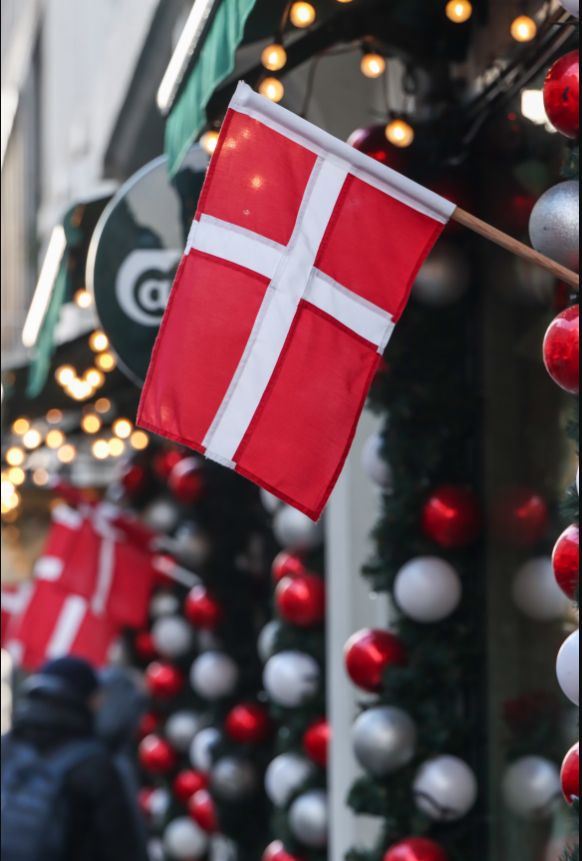
The red-and-white Dannebrog is much more than a national symbol within Danish culture and traditions. It frequently appears during private celebrations, especially birthdays.
VisitDenmark notes that Danish flags can be seen decorating birthday celebrations and even Christmas trees. The flag is therefore associated with happiness and celebration as well as national identity.
Small paper flags may decorate cakes, tables and gifts, while larger flags are often flown outside homes on important occasions.
The Dannebrog itself has an exceptionally long history. VisitDenmark identifies it as the world's oldest state flag still continuously used by an independent nation, traditionally dating its recognition to 1219.
5. Danish Birthday Traditions Are Different
One interesting detail for travelers asking what are people from Denmark called is that Danes have several distinctive birthday customs.
At workplaces and schools, the person celebrating their birthday may bring cake or sweets for everyone else rather than simply waiting for others to provide the treats. Flags are another recurring feature. Small Dannebrog decorations frequently appear on tables, cakes and cards.
Family birthday celebrations can involve homemade cakes, coffee and relaxed gatherings, reflecting the wider importance of informal social occasions in Denmark. These customs demonstrate how national symbols and food become integrated into everyday personal celebrations rather than appearing only during major national events.
6. Christmas Eve Is the Main Celebration
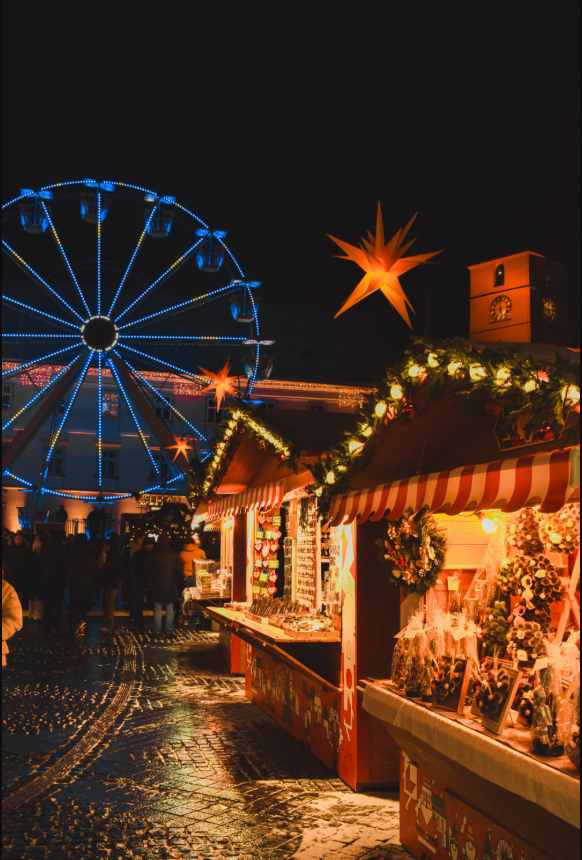
Christmas is one of the richest examples of Danish culture and traditions. Unlike countries where December 25 is the central celebration, Danish families typically hold their principal Christmas gathering on December 24.
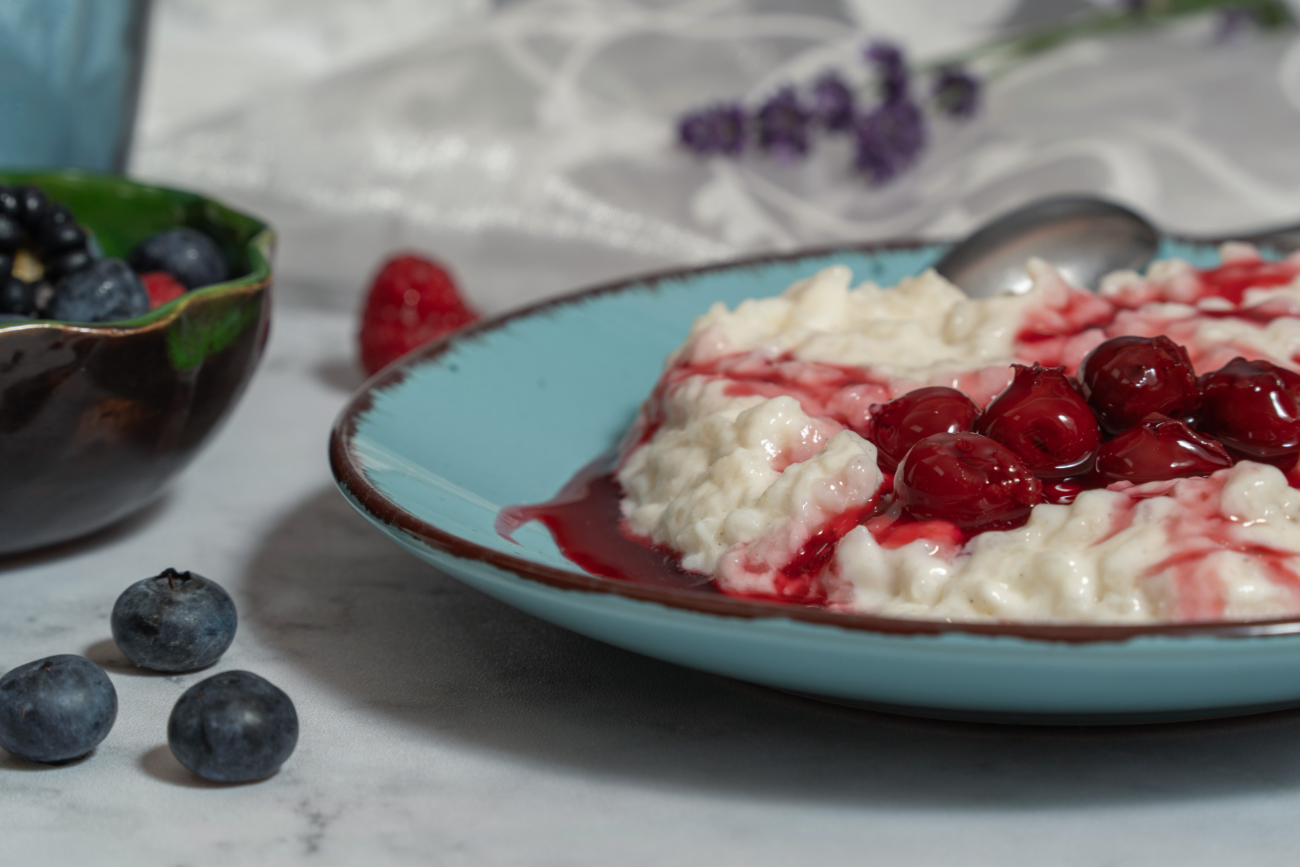
Traditional Christmas Eve dinner can include roast pork or duck with potatoes, red cabbage and gravy. Risalamande—a rice dessert accompanied by cherry sauce—is another important tradition. One whole almond is hidden in the dessert, and whoever finds it receives a small prize.
After dinner, families traditionally hold hands and dance around the decorated Christmas tree while singing songs before opening presents.
Christmas therefore combines family, food, music and hygge during Denmark's darkest period of the year.
7. Danes Have a Strong Cycling Culture
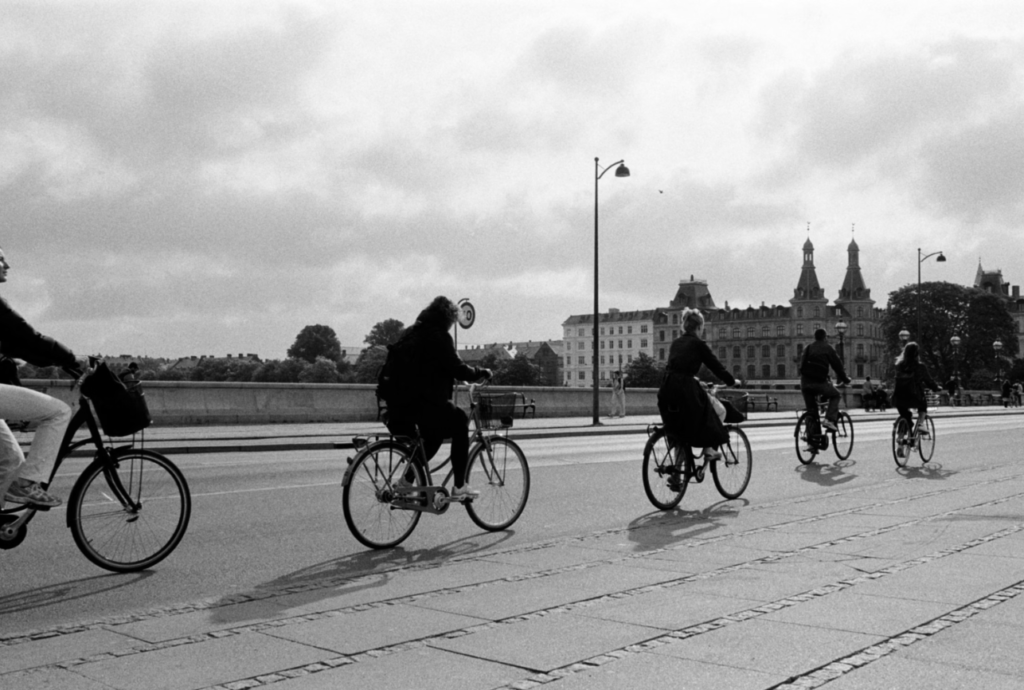
When travelers ask what are people from Denmark called, learning how Danes move around their cities reveals another side of national life. Cycling is deeply integrated into everyday Danish culture, particularly in Copenhagen.
Rather than being exclusively a recreational activity, bicycles are commonly used for commuting, shopping, school trips and ordinary daily journeys. VisitDenmark even recommends exploring the country by bicycle as a way of experiencing Denmark like the Danes.
For visitors, this means understanding cycling etiquette can be useful. Dedicated bicycle lanes form an important part of urban transport infrastructure, and pedestrians should avoid standing or walking in them.
Cycling also connects with Denmark's reputation for practical urban design and outdoor living.
8. Saint Hans Aften Celebrates Midsummer
Saint Hans Aften is one of the most atmospheric seasonal examples of Danish culture and traditions. Celebrated on the evening of June 23, it corresponds with midsummer traditions and typically involves communities gathering around bonfires.
Denmark's official cultural information identifies Saint Hans as one of the country's important holidays and traditions alongside Christmas and Easter.
The celebration provides a dramatic contrast with Danish Christmas. Instead of candles illuminating dark December evenings, Saint Hans takes place close to the longest days of the year.
Outdoor gatherings, speeches, songs and bonfires create a community atmosphere, particularly in parks and coastal areas. For summer visitors, attending a local Saint Hans celebration can provide an authentic glimpse of seasonal Danish life.
9. Mortensaften Comes With a Traditional Dinner
Another interesting tradition for anyone researching what are people from Denmark called is Mortensaften, or Saint Martin's Eve.
It takes place on November 10 and traditionally involves a special poultry dinner. Historically, goose was associated with the occasion, although VisitDenmark notes that roast duck is now more commonly served. Potatoes and gravy typically accompany the meal.
The tradition is linked to the story of Saint Martin, who supposedly hid among geese because he did not want to become a bishop. The noisy birds revealed his location.
Although not every Danish household observes Mortensaften in exactly the same way, the custom demonstrates how old European religious traditions continue through food and family gatherings.
10. Christmas Lunches Are a Major Social Tradition
The Danish julefrokost is an important part of Danish culture and traditions during November and December. These Christmas lunches bring together families, friends or colleagues for substantial meals and socializing.
Traditional foods can include smørrebrød, herring and other familiar Danish specialties, often accompanied by drinks. VisitDenmark notes that December calendars can become filled with Christmas lunches involving colleagues, friends and relatives.
Unlike the intimate family focus of Christmas Eve, julefrokost can be a much broader social event.
For travelers visiting during the festive season, the tradition also explains why restaurants and gathering places can become particularly lively before Christmas. Food is central to the experience, but conversation and spending extended time together are equally important.
11. Saint Lucia Brings Light to December
Saint Lucia Day on December 13 provides another beautiful example of Danish culture and traditions centered around bringing light into the dark Scandinavian winter.
Lucia processions traditionally involve participants dressed in white, with the person representing Lucia wearing a crown of lights. These processions take place in schools and communities around Denmark.
The celebration is especially meaningful because December has some of Denmark's shortest days. According to Denmark's official cultural information, daylight in mid-December lasts only around seven hours.
Candles, Christmas lights and Lucia celebrations therefore create a strong visual contrast with the long winter darkness, reinforcing the wider Danish tradition of creating warmth and atmosphere during winter.
12. Danish Society Is Largely Secular
Understanding religion provides useful context when considering what are people from Denmark called and how modern Danish identity works.
Denmark is generally described as a secular society, although Christian traditions remain culturally important. VisitDenmark notes that many people continue observing traditions connected with Christian holidays, confirmations and christenings.
Christmas is perhaps the clearest example. Religious origins coexist with family dinners, presents, traditional foods, candles and other cultural customs.
Easter and Pentecost also remain part of the Danish calendar. Denmark's official cultural guide explains that many national holidays follow the Christian calendar even though contemporary society is highly secular.
This distinction between religious belief and cultural tradition is useful for understanding modern Denmark.
13. Danish Christmas Has Nisser
Nisser are among the more playful characters found within Danish culture and traditions. These small elf-like figures are strongly associated with Christmas and appear throughout seasonal decorations and stories.
VisitDenmark describes the nisse as a mischievous elf-like character associated with the Danish version of Father Christmas, known as Julemanden.
During December, nisser appear in homes, shops and festive displays. Their association with Christmas adds a distinctly Scandinavian folklore element to the season.
Travelers visiting Denmark during December will encounter them frequently alongside candles, hearts, stars and Dannebrog decorations. Combined with gløgg, æbleskiver, Christmas markets and family traditions, nisser contribute to the distinctive visual identity of a Danish Christmas.
14. Food Plays an Important Role in Traditions
Food is fundamental to understanding Danish culture and traditions, particularly during holidays and family gatherings.
Christmas dinner traditionally involves roast pork or duck, potatoes, red cabbage and gravy, followed by risalamande. Seasonal treats include æbleskiver, klejner, pebernødder and gløgg.
Other occasions have their own food traditions. Mortensaften is associated with roast poultry, while birthdays often involve the person celebrating bringing cake or sweets to school or work.
These customs show that Danish cuisine is not simply about famous foods such as smørrebrød. Particular dishes are connected with specific times of year, celebrations and social situations, making food an important expression of family and community traditions.
15. Togetherness Is Central to Danish Social Life
A final way to understand what are people from Denmark called is to look beyond the word “Danes” and consider the values reflected in everyday life.
The concept of hygge provides perhaps the clearest example. VisitDenmark defines it in terms of warmth, cosiness and enjoying good things with good people.
That principle appears repeatedly across Danish traditions. Families gather for Christmas Eve, friends meet around Saint Hans bonfires, colleagues share julefrokost, birthdays involve bringing treats for others, and homes become places for coffee, meals and relaxed conversation.
These practices vary between individuals and families, of course, but collectively they illustrate why togetherness, informality and comfortable social environments are so closely associated with Danish culture.
Quick Facts About Danish People and Culture
| Question | Answer |
|---|---|
| What are people from Denmark called? | Danes |
| Singular term | Dane |
| Adjective | Danish |
| Main language | Danish |
| Famous lifestyle concept | Hygge |
| National flag | Dannebrog |
| Main Christmas celebration | December 24 |
| Midsummer celebration | Saint Hans Aften |
| Christmas character | Julemanden |
| Traditional Christmas dessert | Risalamande |
Danish is spoken by around six million people and belongs to the North Germanic language family. Its historical development is closely connected with Swedish and Norwegian.
Final Thoughts
So, what are people from Denmark called? They are Danes, but understanding Danish identity requires looking beyond the name. Denmark combines a long Scandinavian history with a contemporary society characterized by informality, equality and distinctive approaches to everyday social life.
Exploring Danish culture and traditions reveals how important shared experiences remain. Hygge emphasizes comfortable togetherness, Dannebrog decorates birthdays, Saint Hans brings communities together around summer bonfires, and Christmas fills the darkest weeks of winter with candles, food and family gatherings.
These customs are not experienced identically by every Dane, but they provide travelers with a valuable introduction to the country's cultural character. Experiencing Denmark therefore means more than seeing Copenhagen's landmarks—it also means noticing the everyday customs, seasonal celebrations and social traditions that continue to shape Danish life.

Comments 0
Only approved comments are shown here.