
Portugal travel guide cover

Portugal Travel Guide

Explore Portugal
Advertisement

TraveliciousBites' Portugal Travel Guide covers Lisbon's hills, Porto's wine cellars, and the Algarve's coastline that make Portugal one of Europe's best-value destinations. Whether you're planning a Lisbon city break or a longer route including Porto and the Algarve, this guide breaks down when to visit, what to budget, and how Portugal's compact size makes multi-region travel manageable, based on the same research standards we apply across every destination we cover.

Best Time to Visit Portugal

April through June and September through October deliver Portugal's most comfortable travel weather, avoiding both summer's peak crowds and the Algarve's most intense heat. Summer brings the warmest weather and busiest beaches along the Algarve coast, along with the highest prices and biggest crowds in Lisbon and Porto as well.

Winter stays mild by Northern European standards, rarely dropping below 50°F in Lisbon, making it a reasonable off-peak option for city-focused travel, though the Algarve's beach appeal diminishes considerably. TraveliciousBites recommends booking Algarve accommodation well ahead for July–August travel, since coastal towns sell out during peak summer season.

Portugal weather and seasonal guidesTap to see articles matched to each season

Top Things to Do in Portugal

  • Lisbon

    — hillside neighborhoods, historic trams, and pastel de nata custard tarts anchor Portugal's capital.

  • Porto

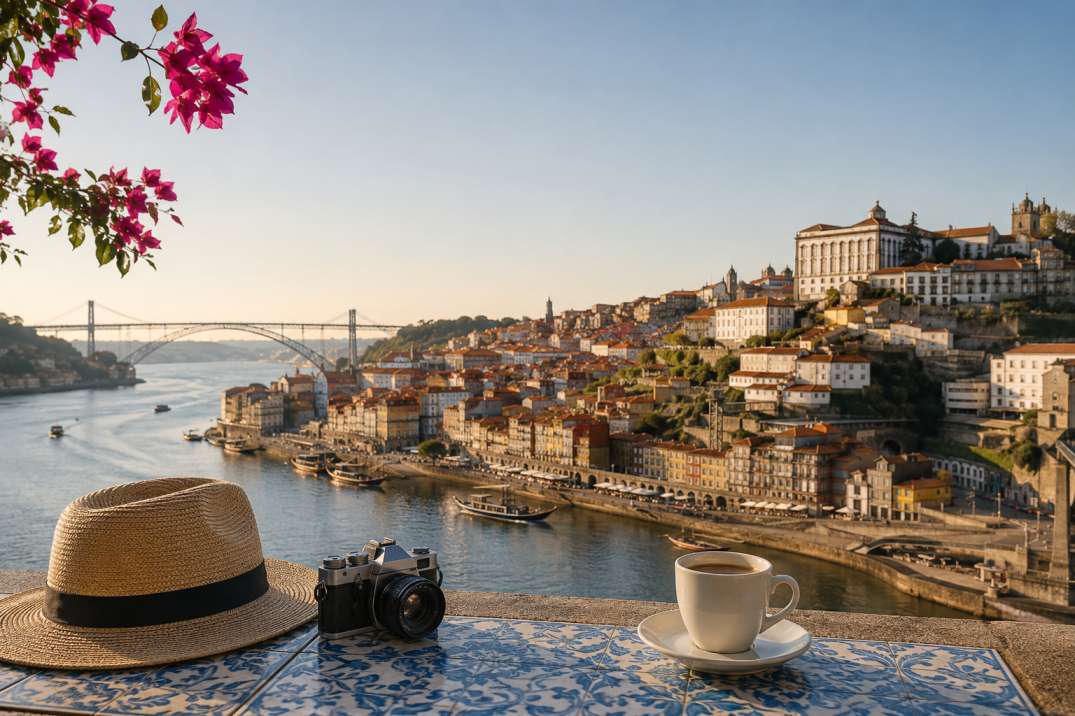
    — riverside wine cellars and the Livraria Lello bookstore make Porto a compact, walkable highlight.

  • The Algarve

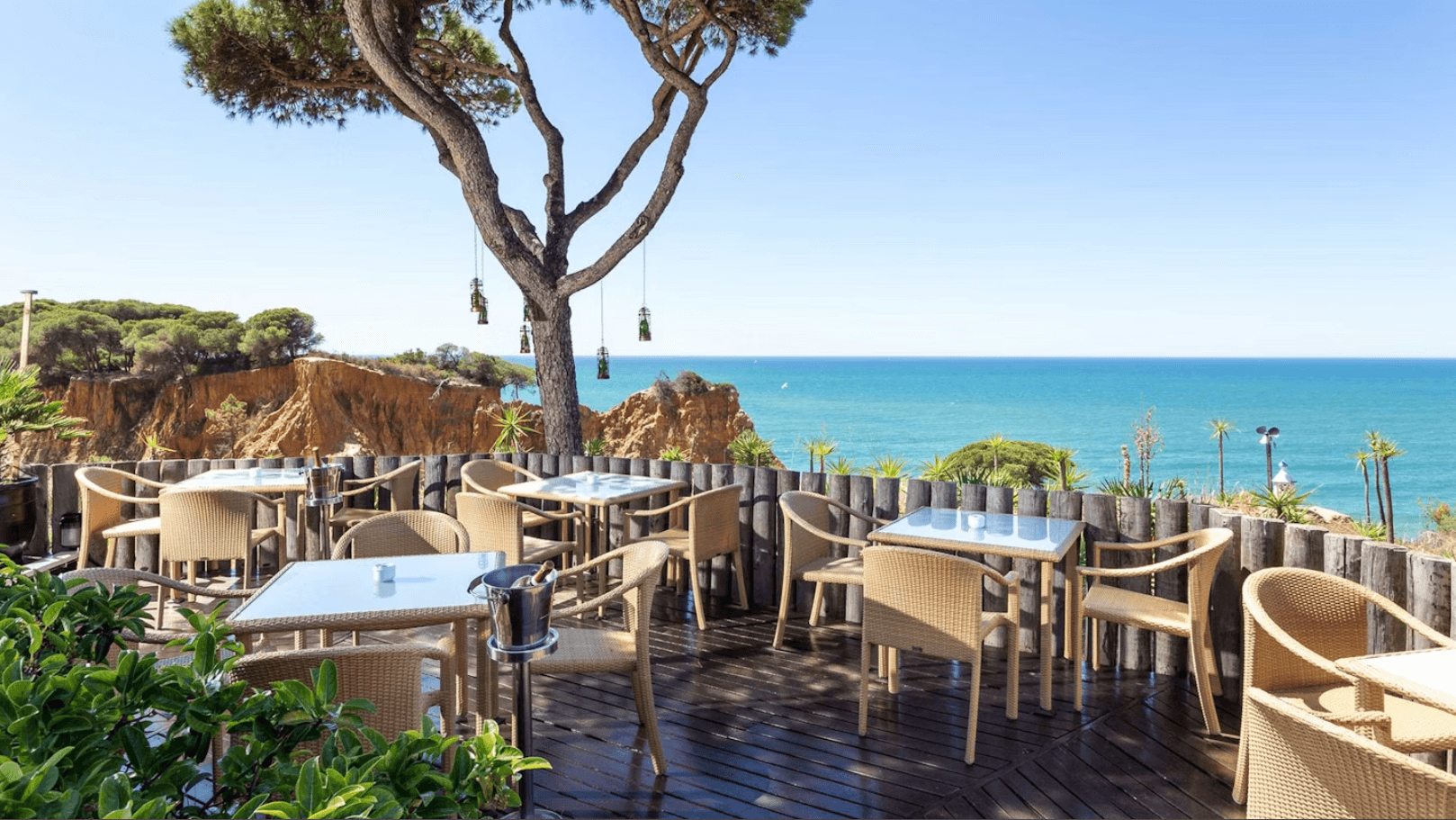
    — Portugal's southern coastline, known for dramatic cliffs and some of Europe's best beaches.

  • Sintra

    — a fairy-tale hillside town near Lisbon, home to colorful palaces reachable as a day trip.

  • The Douro Valley

    — Portugal's premier wine region, offering scenic river cruises and vineyard tours.

  • Óbidos

    — a preserved medieval walled town, popular as a half-day trip from Lisbon.

More things to do in PortugalTap to see related guides
Portugal accommodation

Where to Stay

TraveliciousBites recommends Lisbon's Baixa or Chiado neighborhoods for first-time visitors, both putting major sights and transit within walking distance.

Porto's Ribeira district offers a similarly central, walkable base along the riverfront.

The Algarve rewards choosing a specific coastal town like Lagos or Albufeira as a base rather than attempting to cover the whole coastline from one stop.

Portugal hotels and places to stayTap to see related guides

Food and Dining

Portuguese cuisine centers on fresh seafood, particularly bacalhau (salt cod) prepared dozens of different ways, alongside the iconic pastel de nata custard tart found at bakeries throughout the country.

Porto's food scene pairs naturally with its famous port wine, produced in cellars along the Douro River.

The Algarve's coastal towns add grilled fish and seafood rice dishes reflecting the region's fishing heritage.

Portugal food and dining articlesTap to see related guides

Getting There and Around

Direct flights from major US hubs reach Lisbon in 7–9 hours. Trains connect Lisbon and Porto efficiently, with the journey taking about 3 hours and offering a comfortable, scenic alternative to flying or driving.

A car helps considerably for exploring the Algarve's coastline and smaller towns, since public transit coverage runs thinner in this region than between the two major cities. Both Lisbon and Porto reward walking within their historic, hillside cores, though Lisbon's steep streets and famous trams make getting around occasionally more challenging than flat Porto.

Portugal transport and arrival guidesTap to see related guides

How Much Does a Trip to Portugal Cost

Budget$1,200–$1,800Hostels, regional trains, self-catering
Luxury$4,500+Boutique hotels & fine dining

A 10-day Portugal trip covering Lisbon, Porto, and the Algarve typically runs $1,800–$2,800 per person mid-range, including flights, trains, a rental car for the Algarve leg, and dining. Portugal offers some of Western Europe's best value, particularly for dining and accommodation outside peak Algarve season.

Portugal budget and trip-planning articlesTap to see related guides

Local Tips

  • Wear comfortable, sturdy shoes for Lisbon's steep, cobblestone hills, which prove more challenging than they first appear.
  • Book Sintra's palace tickets online in advance, since this popular day trip draws significant crowds and long lines during peak season.
  • Try pastel de nata from a bakery rather than a tourist-focused cafe for the most authentic version.

Practical Essentials for Portugal

  • Portugal uses European-style two-pin plugs at 230V, so US travelers need a plug adapter and, for some devices, a voltage converter.

  • Mobile data works reliably throughout the country, and a European eSIM purchased before departure typically beats roaming charges through a US carrier.

  • Tipping in Portugal runs lighter than in the US, with rounding up or adding 5–10% at restaurants considered generous.

  • Tap water is safe to drink throughout Portugal.

Advertisement

Latest from Portugal

Frequently Asked Questions About Portugal

Answers below draw on the same research TraveliciousBites uses across every destination and category guide.

What is the best time of year to visit Portugal?

April–June and September–October offer Portugal's most comfortable weather, avoiding summer's peak crowds and the Algarve's most intense heat.

How many days do you need for a Portugal trip?

Plan 7–10 days to cover Lisbon, Porto, and the Algarve without rushing.

Is it better to fly or take the train between Lisbon and Porto?

The train takes about 3 hours and offers a comfortable, scenic alternative to flying, making it the more practical choice for most travelers.

Do I need a car in Portugal?

A car helps considerably for exploring the Algarve's coastline, though Lisbon and Porto are both walkable and connected efficiently by train.

Is tap water safe to drink in Portugal?

Yes, tap water is safe to drink throughout Portugal, so bringing a refillable bottle saves money over buying bottled water.

Is Portugal expensive to visit?

No, Portugal offers some of Western Europe's best value, particularly for dining and accommodation outside peak Algarve season.

Is Sintra worth a day trip from Lisbon?

Yes, Sintra's fairy-tale hillside town and colorful palaces make it one of the most popular and worthwhile day trips from Lisbon.

What is Portuguese food known for?

Portuguese cuisine is known for bacalhau (salt cod) and the iconic pastel de nata custard tart, alongside fresh seafood throughout the country.

Is the Algarve worth adding to a Portugal itinerary?

Yes, the Algarve's dramatic cliffs and beaches offer a strong coastal complement to Lisbon and Porto's city-focused sightseeing.

Is Lisbon walkable?

Yes, though Lisbon's steep, cobblestone hills prove more challenging than they first appear, so wear comfortable, sturdy shoes.

What is the Douro Valley?

The Douro Valley is Portugal's premier wine region, offering scenic river cruises and vineyard tours near Porto.

Should I book Sintra tickets in advance?

Yes, book Sintra's palace tickets online in advance, since this popular day trip draws significant crowds and long lines during peak season.

Is Porto worth visiting instead of just Lisbon?

Yes, Porto offers a compact, walkable alternative with its own distinct character, riverside wine cellars, and architecture worth experiencing beyond Lisbon alone.

Advertisement