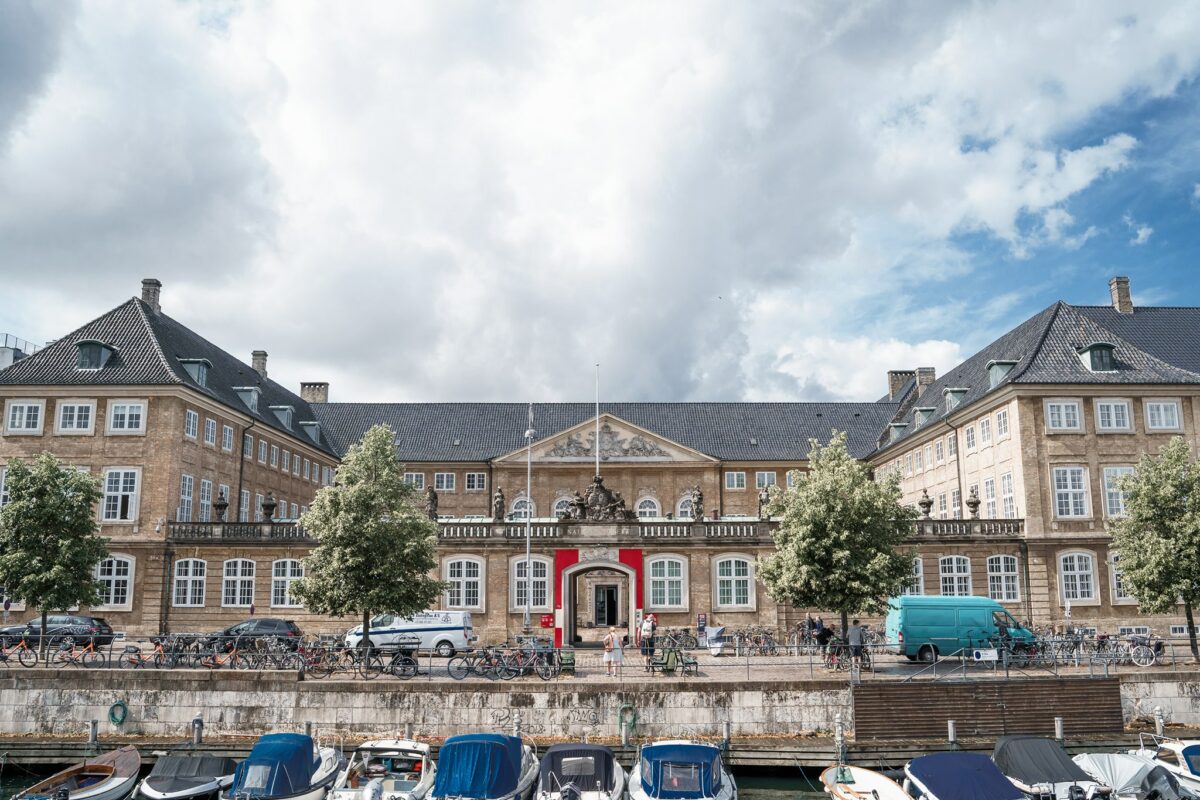
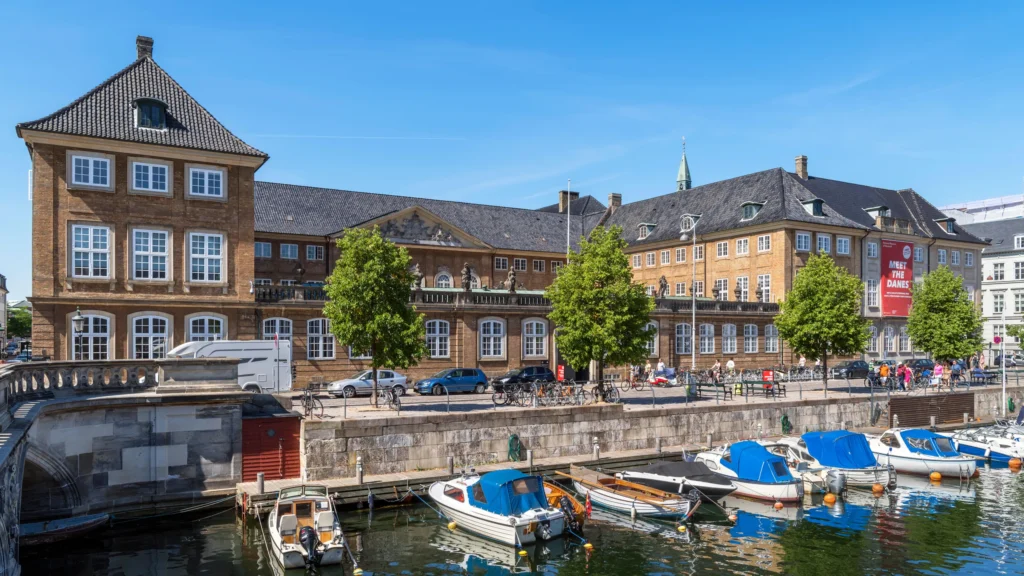
The National Museum of Denmark is one of Copenhagen’s essential cultural attractions for anyone interested in understanding how Denmark developed from prehistoric settlements and Viking society into a modern Scandinavian nation. Located in the historic Prince’s Palace in central Copenhagen, the museum holds collections spanning Danish prehistory, the Middle Ages, Renaissance, modern Danish society and cultures from around the world.
The National Museum Copenhagen is particularly renowned for archaeological treasures such as the Sun Chariot, the Egtved Girl and the Gundestrup Cauldron, alongside extensive material relating to Viking life. Its collections also extend well beyond Denmark through classical antiquities and ethnographic objects.
For visitors searching for the Danish National Museum, the main museum is located at Ny Vestergade 10, 1471 Copenhagen K.
This post contains affiliate links. If you choose to book through them, a small commission may be earned at no additional cost to you. Your support genuinely helps keep the blog running and allows continued creation of high-quality travel guides. Thank you for being here and supporting this journey.
1. The Sun Chariot
One of the most celebrated objects in the National Museum of Denmark is the Trundholm Sun Chariot, an extraordinary Bronze Age artifact that provides insight into prehistoric beliefs about the sun.
The object consists of a horse and a large disc mounted on wheels. It is remarkable both for its craftsmanship and for what it suggests about Bronze Age religious ideas. The museum identifies the Sun Chariot among the major highlights of its Danish prehistoric collection.
Rather than viewing it simply as decorative metalwork, visitors should consider the complex beliefs represented by the object. It provides a fascinating reminder that sophisticated religious traditions existed in Denmark thousands of years before the Viking Age.
2. Meet the Egtved Girl
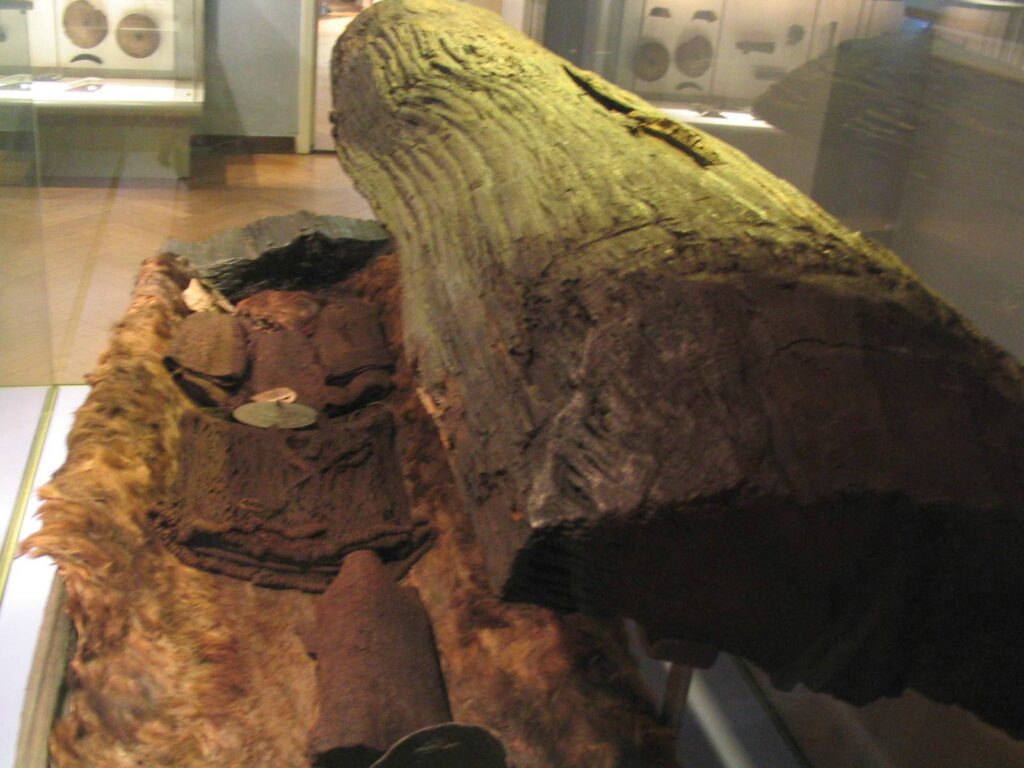
The Egtved Girl is another remarkable reason to visit the National Museum Copenhagen. This young Bronze Age woman was buried in an oak coffin around 1370 BC, and the exceptional preservation of her clothing has helped researchers understand prehistoric dress and society.
Her surviving outfit included a wool blouse and distinctive corded skirt. The museum's textile collections provide valuable evidence about clothing manufacture and appearance during the Bronze and Early Iron Ages.
Seeing these objects makes prehistoric Denmark feel considerably more personal. Instead of encountering history exclusively through dates and archaeological periods, visitors can examine belongings directly associated with an individual who lived more than three millennia ago.
3. Discover Denmark's Viking Age
For many international travelers, Viking history will be the biggest attraction at the Danish National Museum. The prehistoric collection extends through the Viking Age, examining topics such as people, food, religion, rituals, power, expeditions, weapons and trade.
The collections demonstrate that Viking society was more complicated than popular images of raiders suggest. Many people remained farmers, while others became merchants, diplomats, explorers and warriors.
Silver hoards provide particularly fascinating evidence of international connections. The museum explains that Viking treasures can contain foreign coins, vessels and jewelry alongside objects produced in Denmark, illustrating extensive contact with distant regions.
For history enthusiasts, this section alone can justify spending several hours inside the museum.
Also Read - Day Trips from Copenhagen: 15 Incredible Day Tours Copenhagen Denmark Travelers Will Love
4. See the Gundestrup Cauldron
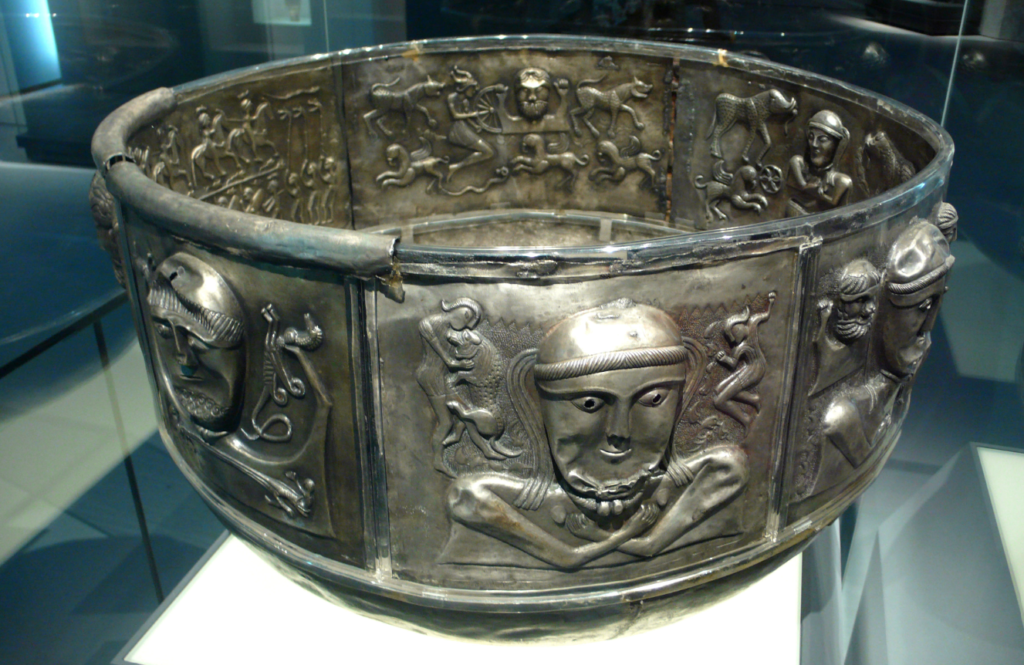
Another archaeological masterpiece associated with the National Museum of Denmark is the Gundestrup Cauldron. This richly decorated silver vessel belongs to Denmark's Early Iron Age collection and ranks among the museum's most recognizable ancient treasures.
Its elaborate imagery immediately distinguishes it from many everyday archaeological finds. Human figures, animals and symbolic scenes cover its silver panels, creating an object that rewards close observation.
The cauldron is especially interesting because it demonstrates how archaeological objects discovered in Denmark can reveal much wider cultural connections. Visitors interested in ancient European art, religion and craftsmanship should dedicate time to examining its intricate decoration rather than simply passing through the gallery.
5. Explore Thousands of Years of Danish Prehistory
The National Museum Copenhagen provides an unusually broad journey through Danish prehistory, extending from Stone Age communities through the Bronze and Iron Ages to the Viking period.
The museum's historical resources date Denmark's Stone Age hunting period from approximately 12,500 to 3900 BC and highlight discoveries ranging from prehistoric boats and tools to amber objects and human remains.
Later galleries introduce increasingly complex societies through weapons, jewelry, clothing, ritual objects and evidence of long-distance connections.
Exploring these collections chronologically is one of the best ways to appreciate the museum. Instead of treating individual artifacts as isolated treasures, visitors can observe how technology, beliefs, clothing, trade and social structures developed across thousands of years.
6. Understand Medieval Denmark
The Danish National Museum does not end its story with the Vikings. Its collections continue into Denmark's medieval period, allowing visitors to understand the enormous social and religious changes that followed the Viking Age.
Christianity, monarchy, trade, craftsmanship and changing political structures reshaped Danish society during the Middle Ages. The museum's broader historical interpretation places this period between the prehistoric/Viking era and Renaissance Denmark.
This chronological continuation is important because many visitors arrive with extensive interest in Vikings but limited knowledge of what happened afterward.
Spending time with the medieval collections creates a clearer picture of how Denmark gradually developed institutions, towns, religious traditions and cultural structures that influenced the later kingdom.
7. Continue Into Renaissance Denmark
Visitors to the National Museum of Denmark can continue their historical journey into the Renaissance, covering another period of major transformation in Danish society.
The museum organizes its historical knowledge around major periods including the Middle Ages, Renaissance, absolute monarchy, nation state and welfare state.
Renaissance Denmark provides an interesting contrast with the prehistoric galleries. Material culture becomes increasingly recognizable to modern visitors, while objects connected with social status, craftsmanship, religion and everyday life provide evidence of changing European influences.
Following the museum chronologically from prehistoric galleries into these later periods is particularly worthwhile for first-time visitors because it turns the museum into a continuous narrative rather than simply a collection of unrelated historical artifacts.
8. Follow Denmark From Absolute Monarchy to Modern Society
One of the strengths of the National Museum Copenhagen is its ability to connect ancient Denmark with relatively recent history.
The museum's Modern Danish History department covers the period from 1660 to the present. Its collection incorporates objects ranging from furniture and clothing to kitchen equipment, toys and even instruments associated with punishment.
This breadth makes everyday life an important part of the historical narrative. Visitors are not shown only kings, wars and political events; ordinary domestic objects demonstrate how people's homes, work, leisure and lifestyles changed.
The museum's historical framework continues through absolute monarchy, the emergence of the nation state, the welfare state and Denmark's experience during the German occupation of World War II.
9. Explore the Ethnographic Collection
The Danish National Museum also provides a much broader global perspective through its Ethnographic Collection. Objects and archaeological material represent cultures from regions including North and South America, Africa, Asia, Oceania and the Arctic.
Some of these holdings have surprisingly long histories within Denmark. The museum explains that the oldest portions originated from the Danish Royal Kunstkammer during the 17th and 18th centuries. Later scientific expeditions expanded the collections substantially.
The collection therefore provides both an opportunity to learn about world cultures and a basis for considering how European museums historically collected and interpreted objects from other societies.
10. Examine Ancient Clothing and Textiles
Ancient clothing provides an unexpectedly intimate highlight of the National Museum of Denmark. Textiles normally deteriorate relatively quickly, so surviving prehistoric clothing can provide exceptionally valuable archaeological evidence.
The museum's Danish Prehistory exhibition contains clothing from the Bronze and Early Iron Ages. Among the important examples are the Egtved Girl's garments and the checkered skirt associated with the Huldremose Woman, dated to the final two centuries BC.
These garments help visitors understand not only fashion but also textile production, available materials and prehistoric craftsmanship.
Because many ancient textile discoveries are too fragile for permanent exhibition, the pieces visitors can see provide a particularly rare connection with ordinary human life thousands of years ago.
11. Look Beyond Warriors in the Viking Collections
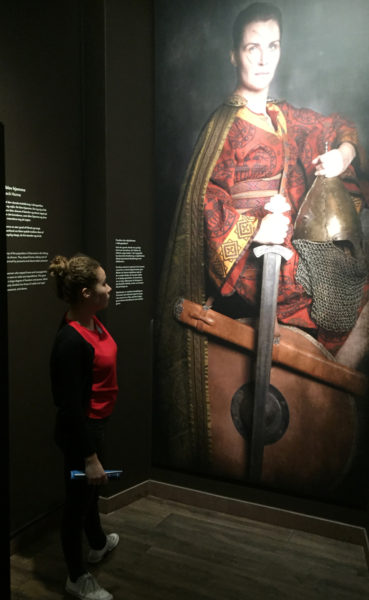
A visit to the National Museum Copenhagen is an opportunity to challenge some common stereotypes about Viking society.
The museum's Viking material covers religion, magic, food, political power, aristocracy, weapons, expeditions and economic activity. Silver discoveries also reveal extensive connections between Denmark and the wider world.
The museum notes that Viking society included traders and diplomats alongside warriors and conquerors, while much of the population remained at home working farms.
This broader interpretation is important for understanding the Viking Age as a functioning society rather than simply an era of raids. Families, agriculture, craftsmanship, religion and commerce were as fundamental to everyday life as maritime expeditions.
12. Explore the Museum as a Complete Story of Denmark
The greatest reason to visit the Danish National Museum is not necessarily one individual treasure. Its strength lies in bringing thousands of years of history together within a single institution.
Visitors can move from Stone Age hunters and Bronze Age ritual objects to Iron Age communities, Vikings, medieval Denmark, Renaissance society and the development of the modern Danish state. The museum's collections also place Danish culture within broader European and global contexts.
This makes the museum particularly useful near the beginning of a Denmark trip. Understanding the country's history here adds context to later visits to Viking sites, Copenhagen's royal palaces, medieval towns and castles elsewhere in Denmark.
National Museum Copenhagen: Practical Information
National Museum of Denmark is located at Ny Vestergade 10, 1471 København K, in central Copenhagen. Current local information lists opening hours as 10:00 AM–5:00 PM daily, but travelers should verify these before visiting because museum schedules and holiday hours can change.
The museum itself now directs visitors to its newer official website for current visit planning.
National Museum of Denmark official website
Allow at least two to three hours for a first visit. History enthusiasts can comfortably spend much longer because the collections cover numerous periods and geographical regions.
Final Thoughts
The National Museum of Denmark provides something that individual castles, Viking sites and monuments cannot: a continuous overview of how Danish society evolved across thousands of years. Its prehistoric treasures are exceptional, but the museum becomes even more rewarding when visitors follow the story beyond the Vikings into medieval, Renaissance and modern Denmark.
For travelers interested in archaeology, the National Museum Copenhagen offers major objects including the Sun Chariot, Egtved Girl and Gundestrup Cauldron, alongside extensive Viking collections.
Yet the Danish National Museum is equally valuable for its exploration of ordinary lives, clothing, craftsmanship, beliefs and Denmark's connections with other cultures. Rather than treating it as a quick rainy-day attraction, give the museum several hours. Doing so provides valuable historical context for almost everything else you will encounter while traveling through Denmark.



Comments 0
Only approved comments are shown here.